
Are you looking to add some extra flavor to your cooking without sacrificing nutrition? Look no further than the humble chive plant! Not only is this hardy perennial a staple in many gardens, but it’s also packed with vitamins and minerals that can boost your health. Chives are a great way to add a burst of freshness to soups, salads, and sauces, making them an essential ingredient for any home cook.
In this ultimate guide, we’ll cover everything you need to know about growing, harvesting, and preserving chive plants. From care tips to creative uses in cooking, we’ll dive into the world of these versatile herbs. Whether you’re a seasoned gardener or just starting out, this article will provide you with expert advice on how to get the most out of your chive plants for a healthy and flavorful lifestyle.
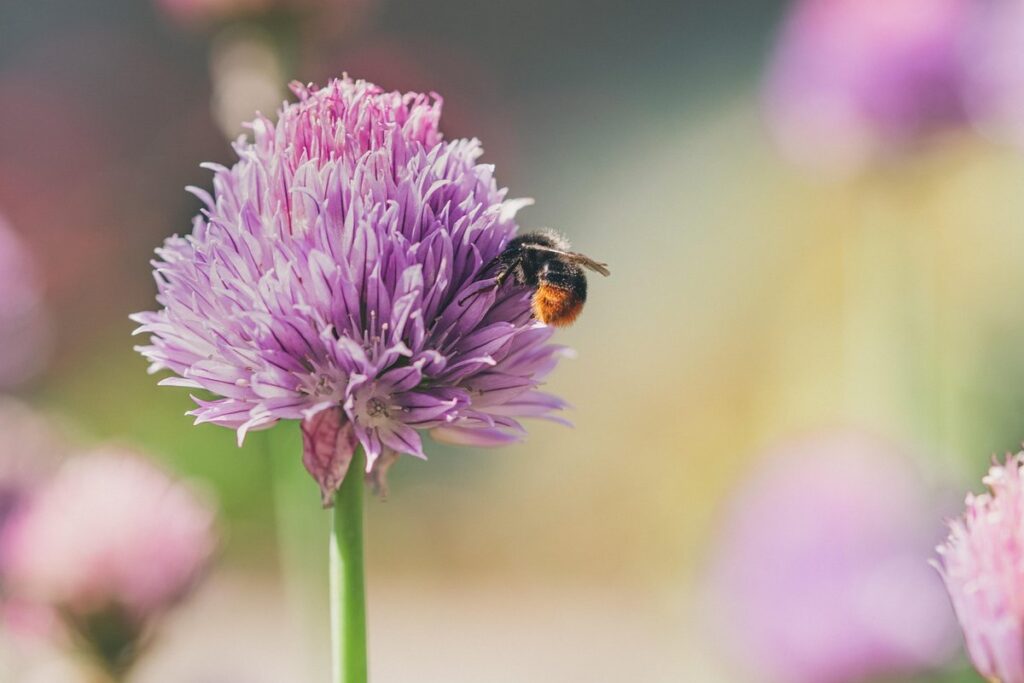
What Are Chives?
Let’s dive into what chive plants are all about, from their botanical background to why they’re a staple in many kitchen gardens. They might be small, but they pack a big punch!
History and Origin of Chives
Chives have been a staple herb in various cultures for centuries, with their origins dating back to ancient civilizations. Native to Europe and Asia, chive plants thrived in the wild, particularly in meadows and along riverbanks. The Romans were among the first to cultivate chives, using them as a garnish for dishes and to add flavor to sauces.
As trade and cultural exchange flourished, chives spread throughout the world. In medieval Europe, they became a common ingredient in cooking, particularly among the upper classes. Chive plants were introduced to North America by European settlers, who used them extensively in their cuisine. Today, chives are cultivated globally, with many varieties developed for their unique flavor profiles and growing characteristics.
Interestingly, chives have been a significant crop for food preservation throughout history. In ancient times, people dried or pickled chives to preserve them for winter use. This practice continues today, as many gardeners dry or freeze their homegrown chives to enjoy year-round.
Types of Chive Varieties
Chives are not only a flavorful addition to many dishes, but they also come in various types that cater to different tastes and needs. Among these varieties, some stand out for their unique characteristics, flavors, and growth habits.
On one hand, you have the common chive (Allium schoenoprasum), which is the most widely cultivated variety. Its delicate flavor and oniony aroma make it a popular choice in many recipes. Next to it is the Garlic Chive (Allium tuberosum), also known as Chinese Chives or Oriental Chives, boasting a stronger garlic-like taste.
For those looking for something more subtle, the Onion Chive (Allium cepa) offers a milder flavor and larger leaves than its common counterpart. Then there’s the Tarragon Chive, with its distinctive aniseed flavor that pairs well in Mediterranean dishes. When choosing among these varieties, consider factors like climate, cooking style, and desired intensity of flavor to pick the best chive for your needs.
Growing Chives: Tips and Tricks
Growing chive plants can be a rewarding experience, but it requires some TLC to keep them healthy and thriving. In this next part of our guide, we’ll share our top tips for growing robust and fragrant chives.
Soil Requirements for Chive Plants
When it comes to growing chives, soil requirements play a crucial role in their health and productivity. Chives prefer well-draining soil with a pH between 6.0 and 7.0, which is slightly acidic to neutral. If your soil tends to be heavy clay or sandy, mix in some organic matter like compost or well-rotted manure to improve its structure.
Chive plants require a balanced diet of nutrients to thrive. Make sure to provide them with a fertilizer that’s rich in nitrogen, phosphorus, and potassium (NPK). A ratio of 10-10-10 NPK is ideal for chives, but you can also use a water-soluble fertilizer at half the recommended strength.
Drainage is another essential aspect of soil requirements. Chives don’t like to sit in waterlogged soil, which can lead to root rot and other problems. Ensure that your pot or garden bed has good drainage holes to prevent water from accumulating. You can also use a layer of gravel or broken pottery at the bottom of the container to further improve drainage.
In terms of nutrient requirements, chives are heavy feeders and will benefit from regular applications of compost tea or fish emulsion during the growing season. Avoid over-fertilizing, as this can lead to weak and leggy growth.
Chive Plant Care: Watering, Sunlight, and Temperature
To ensure your chives thrive, it’s essential to provide optimal care. Watering is a critical aspect of chive plant care. Allow the soil to dry slightly between waterings, which is typically every 2-3 days during spring and summer months when the plant is actively growing. However, in the winter, reduce watering to once a week as the plant is dormant.
When it comes to sunlight, chives require at least 4 hours of direct sunlight per day. East-facing windows or outdoor locations with partial shade work well for chives. Avoid placing them in areas with intense sunlight, as this can cause scorching and stunted growth.
Temperature control is also crucial for chive plants. They prefer cooler temperatures between 60-70°F (15-21°C) during the day and no lower than 40°F (4°C) at night. If you live in an area with harsh winters, consider bringing your potted chives indoors to protect them from frost.
By following these guidelines, you’ll be able to provide your chive plants with the ideal conditions for growth and harvesting. Remember, overwatering is a common mistake when caring for chives, so monitor your plant’s moisture levels closely.
Benefits of Eating Chives
When it comes to getting the most out of your chive plant, let’s dive into the amazing benefits you can enjoy from incorporating chives into your diet. From flavor to nutrition, we’ve got all the details inside!
Nutritional Value of Chives
Chives are not only a flavorful addition to many dishes, but they’re also a nutritional powerhouse. One of the most significant advantages of incorporating chives into your diet is their high content of vitamins A and K. Vitamin A plays a crucial role in maintaining healthy vision, immune function, and skin health. Chives are particularly rich in beta-carotene, a precursor to vitamin A that’s converted by the body into this essential nutrient.
Chives also boast an impressive amount of vitamin K, which is vital for blood clotting and bone health. In fact, just one tablespoon of chopped chives provides approximately 28% of your daily recommended intake of vitamin K. Additionally, chives are a good source of minerals like potassium and iron, making them an excellent choice for those looking to boost their mineral intake. To get the most nutritional benefits from your chives, be sure to consume them fresh or use them as a garnish – heat can destroy some of these delicate vitamins and nutrients.
Health Benefits of Chives
Eating chives has been linked to several potential health benefits that can have a significant impact on our overall well-being. For instance, the anti-inflammatory properties present in chives may help alleviate symptoms associated with conditions such as arthritis and gout. This is attributed to the presence of compounds like allicin and sulfur, which are known to reduce inflammation and protect against cell damage.
In addition to its anti-inflammatory effects, chives have also been found to support digestive health by promoting regular bowel movements, reducing bloating and gas, and easing symptoms of IBS (Irritable Bowel Syndrome). This is partly due to the presence of dietary fiber in chives, which helps feed beneficial gut bacteria.
Moreover, incorporating chives into your diet may also have a positive impact on cardiovascular health. The high levels of vitamins B6 and C, as well as the mineral potassium, present in chives can help lower blood pressure, cholesterol levels, and risk of heart disease. To reap these benefits, simply add fresh chives to your salads, soups, or use them as a garnish for your favorite dishes.
Uses for Chive Plants in Cooking
Whether you’re a seasoned chef or a culinary newbie, chives can add a burst of flavor to everything from baked potatoes to savory soups and sauces. Let’s explore some exciting ways to use chives in your cooking!
Chive Flavor Profiles in Different Dishes
Chives are a versatile herb that can add unique flavor profiles to various dishes. When it comes to soups, chives pair well with creamy broths and potatoes, adding a mild onion flavor without the pungency of onions. In salads, thinly slice or chop fresh chives and sprinkle them over mixed greens for a burst of freshness. The delicate flavor also complements fish and egg dishes.
In sauces, chives can add a subtle depth to cream-based sauces like hollandaise or bearnaise. To make a flavorful sauce, simply chop the chives and mix with softened butter, then stir into melted cheese or cream. Chives are also a great addition to baked goods, particularly scones and biscuits, where they provide a delicate onion flavor without overpowering the other ingredients.
When using chives in baked goods, remember that their flavor can quickly become overbearing if used in excess, so use them sparingly. For example, try adding just 1-2 tablespoons of chopped fresh chives to your favorite scone or biscuit recipe for a subtle onion flavor without overpowering the dish.
Garnishing with Chives: Tips and Ideas
When it comes to adding a pop of color and freshness to your dishes, garnishing with chives is a simple yet effective technique. Not only do they add a delicate onion flavor, but their vibrant green hue also makes them a visually appealing choice for presentation.
To get the most out of your chive garnish, it’s essential to choose fresh sprigs rather than dried chives. Simply trim the ends, and use them as you would any other herb. For a more dramatic effect, try tying multiple sprigs together with kitchen twine or toothpicks to create a loose bouquet.
Consider using chives as a finishing touch for soups, salads, or baked potatoes. You can also use them to add a subtle onion flavor to omelets, deviled eggs, or dips. For a more creative application, try making chive flowers by tying individual sprigs together and submerging them in ice water – this will help the stems hold their shape and create a beautiful garnish for cocktails or hors d’oeuvres.
When it comes to presentation, keep it simple: arrange your chive bouquet on top of the dish, or use individual sprigs as a border. Experiment with different heights and arrangements to add visual interest.
Pest Control and Companion Planting with Chives
When it comes to growing chive plants, understanding how they interact with other plants can be a game-changer for your garden’s overall health. We’ll explore some effective pest control and companion planting strategies that feature chives as the star.
Repelling Pests with Chives
Chives are more than just a flavorful addition to your favorite dishes; they’re also a natural pest-repellent that can help keep unwanted critters at bay. One of the most impressive benefits of growing chives is their ability to deter aphids, whiteflies, and other pests that can damage your plants.
Aphids, in particular, are a common problem for many gardeners. These tiny insects feed on plant sap, causing curled or distorted leaves and stunted growth. But chives contain a natural compound called allicin, which has been shown to repel aphids and other pests. To use chives as an aphid repellent, simply plant them alongside your susceptible plants. As the chives grow and mature, their fragrance will spread and help keep aphids away.
You can also use chive leaves to make a natural spray that will help deter whiteflies and other pests. Simply chop up some fresh chive leaves, mix with water, and spray on your plants as needed. This is especially effective for indoor gardeners who are struggling with pest problems in their houseplants.
By incorporating chives into your garden, you’ll not only add a delicious flavor to your cooking, but also keep pests at bay naturally.
Companion Planting Benefits for Chives
Companion planting with chives can greatly enhance their growth rates, yields, and overall health. By strategically pairing chives with other plants, you can create a balanced ecosystem that promotes healthy growth and minimizes pests and diseases. For instance, chives repel aphids, which can decimate entire crops if left unchecked. Planting chives alongside roses or lavender can help deter these pesky insects.
Chives also benefit from being planted near carrots and tomatoes, as they improve the soil‘s fertility and structure. The symbiotic relationship between chives and these plants creates a mutually beneficial environment that fosters rapid growth and increased yields. Additionally, companion planting with chives reduces disease susceptibility by introducing beneficial microorganisms into the soil.
To reap these benefits, simply plant chives in proximity to your desired companions. A general rule of thumb is to intersperse chives among other plants or use them as a border. This simple yet effective technique will not only enhance your garden’s biodiversity but also improve the overall health and productivity of your crops.
Harvesting and Preserving Chive Plants
Now that you’re harvesting your chives, let’s talk about how to preserve their flavor and goodness for future meals. Learn how to dry, freeze, and store them effectively.
When to Harvest Chives
When it comes to harvesting chives, timing is everything. You want to catch them at the right moment to ensure maximum flavor and aroma. Generally, you can start harvesting chives when they’re about 6-8 inches tall. However, this can vary depending on the specific growth stage of your plant.
If you’re looking for a continuous harvest, it’s best to trim off individual stems just above a node (where a leaf meets the stem) with scissors or pinch them off by hand. This will encourage new growth and prevent the plant from flowering. You can do this every few days during peak growing seasons.
For larger yields, wait until your chive plants reach maturity – usually around 12-18 inches tall. Then, snip off entire stems at ground level with a sharp knife or pruning shears. This will also encourage new growth and prevent the plant from flowering. Be sure to leave some stems intact to allow for seed production, as this will help propagate your chive plants for next season’s harvest.
Remember to harvest in the morning when the oils are most potent for the best flavor and aroma.
Methods for Preserving Chives
When it comes to preserving chives, you have several methods at your disposal. Freezing is one of the most popular ways to preserve chives, as it helps retain their flavor and aroma. To freeze chives, simply chop them finely and place them in an airtight container or freezer bag. You can also add them to oil or butter for future use.
Drying is another effective method for preserving chives. This involves tying the stems together with twine and hanging them upside down in a warm, dry location. Once dried, you can store the chives in an airtight container for up to six months. Alternatively, you can use a food dehydrator to speed up the process.
Pickling is also a great way to preserve chives, adding a tangy flavor to your dishes. To pickle chives, submerge them in a brine made from vinegar, sugar, and spices. Store the pickled chives in an airtight container in the refrigerator for up to two weeks.
When storing preserved chives, it’s essential to keep them away from direct sunlight and moisture. You can store them in a cool, dark place or in the freezer to maintain their flavor and aroma.
Frequently Asked Questions
Can I Grow Chives Indoors?
Yes, you can grow chives indoors year-round as long as they receive sufficient light. Choose a container that drains well and use a balanced fertilizer to promote healthy growth. Keep the soil consistently moist but not waterlogged.
How Do I Use Chive Flavor in Recipes Without Overpowering Other Ingredients?
Chive flavor is delicate, so use it sparingly when cooking. Start with small amounts (about 1/4 teaspoon) and adjust to taste. Combine chives with cream or yogurt to create a creamy sauce that complements rich flavors.
Can I Mix Chives with Other Herbs for Companion Planting?
Yes, chives pair well with many herbs like parsley, dill, and mint. Mix them together in a container garden or grow near each other in the same bed. This combination can help repel pests and enhance growth.
How Do I Store Harvested Chives to Preserve Their Flavor and Texture?
Store harvested chives in an airtight container in the refrigerator to maintain their flavor and texture. You can also freeze them for later use by placing them in an ice cube tray with olive oil or water.
Can I Use Chive Flowers as Edible Decorations?
Yes, the flowers of the chive plant are edible and make a beautiful garnish for salads, soups, and sauces. Simply pick off the individual florets and use them as desired.