
Lavender is one of those charming flowers that instantly transport us to a serene garden oasis. However, its beauty isn’t just skin-deep; lavender also comes with some unique growing requirements and vulnerabilities. To help your lavender thrive and stay pest-free, it’s essential to surround it with the right companion plants. By pairing lavender with herbs and flowers that complement its growth habits, you can boost its health, resilience, and overall performance.
In this article, we’ll explore which companion plants work best for different types of lavender varieties. Whether you’re a seasoned gardener or just starting out, you’ll learn how to create a harmonious garden ecosystem that supports your lavender’s needs. From popular herbs like rosemary and thyme to colorful flowers like marigolds and nasturtiums, we’ll dive into the best companion plants for improving your lavender’s growth, health, and pest resistance.
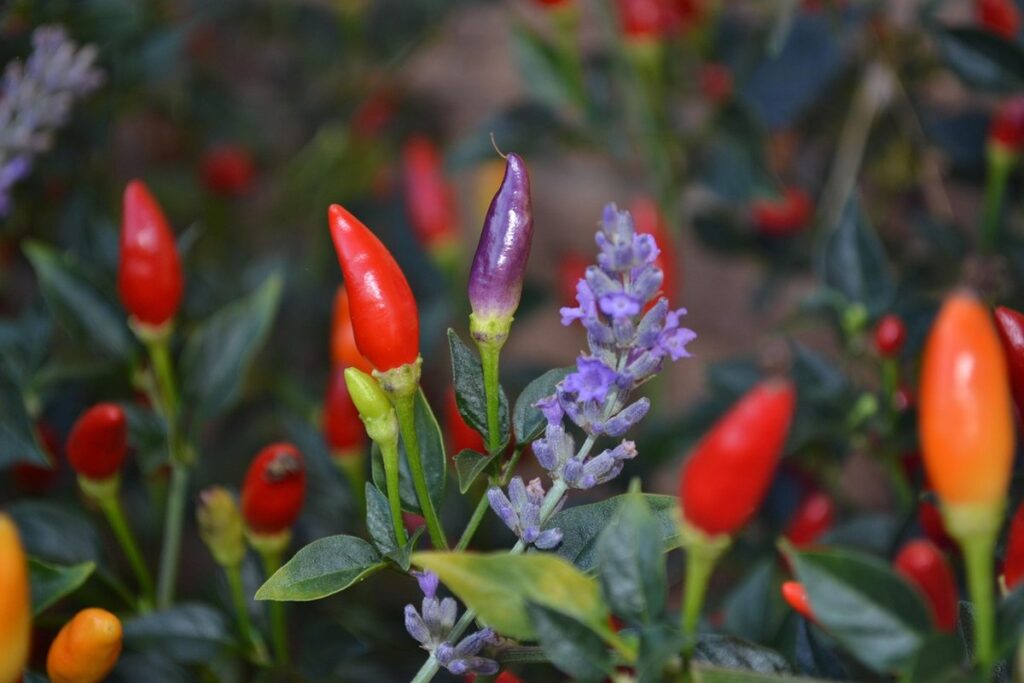
Benefits of Lavender Companion Planting
When you incorporate beneficial companion plants around your lavender, it can boost its growth, repel pests, and even improve its fragrance. Let’s explore the advantages of pairing lavender with other flowers and herbs.
Improving Lavender Growth and Health
When companion planting is done correctly, it can greatly enhance lavender’s growth, resilience, and overall health. One of the primary benefits of pairing lavender with other flowers and herbs is improved soil quality. For example, planting marigolds alongside lavender can help deter nematodes that can harm the plant’s roots, while also repelling pests like aphids and whiteflies.
Another advantage of companion planting for lavender is its impact on moisture levels. Planting succulents or creeping thyme near lavender can help reduce soil erosion and retain moisture in the soil. This is especially beneficial during dry spells when lavender requires extra care to prevent dehydration.
To create a thriving environment for your lavender, consider incorporating plants that repel pests and attract pollinators. For instance, basil and mint are known to drive away aphids and spider mites, while attracting bees and butterflies that aid in lavender’s reproduction. By thoughtfully selecting companion plants, you can establish a balanced ecosystem that supports the health and resilience of your lavender blooms.
Deterrent Effects on Pests and Diseases
When it comes to maintaining a healthy lavender plant, companion planting can play a significant role in deterring pests and diseases that commonly affect them. One of the most significant benefits of lavender companions is their ability to repel pests that target lavender plants.
For instance, lavender paired with rosemary has been shown to be effective in repelling aphids, whiteflies, and other pests that can damage lavender flowers. Marigolds, on the other hand, are known for their ability to repel nematodes, microscopic worms that can cause root damage to lavender plants. Additionally, basil has natural oils that help to prevent fungal diseases such as powdery mildew from infecting lavender leaves.
Incorporating these companion plants into your garden can be a simple yet effective way to keep pests and diseases at bay. For example, you could plant marigolds around the perimeter of your lavender bed to create a barrier against nematodes. By strategically pairing lavender with these beneficial companions, you can enjoy healthier, more resilient plants that require less maintenance and care.
Choosing the Right Companion Plants for Your Lavender
When it comes to planting lavender, choosing the right companion plants is crucial to create a thriving and beautiful garden. Let’s explore some lovely options that pair perfectly with this fragrant herb.
Herbs as Lavender Companions
When it comes to pairing lavender with other plants, herbs make excellent companions. Not only do they share similar growing conditions, but they also possess pest-repellent properties that can benefit the health and productivity of your lavender plants.
Take rosemary, for instance. Both rosemary and lavender are Mediterranean natives that thrive in well-drained soil and full sun. This means you can plant them together in a single bed without worrying about conflicting growing conditions. Additionally, rosemary is known to repel carrot flies and other pests that target lavender, creating a mutually beneficial relationship.
Thyme and oregano also make excellent companions for lavender. Like rosemary, they share similar growing requirements and are natural pest repellents. Thyme, in particular, has been shown to deter whiteflies, which can be a significant problem for lavender plants. By planting thyme alongside your lavender, you can create a thriving, low-maintenance garden bed that requires minimal care.
By pairing lavender with herbs like rosemary, thyme, and oregano, you can create a harmonious and pest-free garden ecosystem.
Flowers as Lavender Companions
When it comes to choosing companion plants for lavender, flowers like marigolds, nasturtiums, and sunflowers are an excellent choice. Not only do they add a pop of color and vibrancy to your garden, but they also attract beneficial pollinators that can help boost the growth and health of your lavender.
Marigolds, with their bright yellow and orange blooms, repel nematodes and other pests that can harm lavender, while attracting beneficial insects like bees and butterflies. Nasturtiums, on the other hand, are known to repel aphids and whiteflies, which can spread disease to lavender plants. Sunflowers, with their tall stature and bright yellow petals, provide a natural trellis for climbing plants and attract pollinators like honeybees.
To incorporate these flowers into your lavender garden, plant them around the base of your lavender plants or intersperse them throughout your bed. Keep in mind that sunflowers can grow quite tall, so be sure to provide support for them as they mature. By combining these flowers with your lavender, you’ll create a thriving ecosystem that attracts beneficial pollinators and keeps pests at bay.
Companion Planting for Specific Lavender Varieties
If you’re looking to pair your lavender plants with complementary blooms, this section will guide you through the best companion planting options for popular varieties of lavender. From English lavender to Spanish lavender, we’ve got you covered!
English Lavender (Lavandula Angustifolia) Combinations
English lavender (Lavandula angustifolia) is a popular variety known for its delicate fragrance and drought tolerance. When it comes to companion planting, English lavender requires plants that complement its growing needs and requirements.
Consider pairing English lavender with rosemary, which shares similar growing conditions and repels pests that target lavender, such as moths and beetles. Thyme is another suitable option, as it has a low watering requirement and can thrive in well-drained soil, much like English lavender. Oregano is also a good choice, as its intense fragrance helps mask any potential scent of pests that may be attracted to the lavender.
Marigolds are an excellent addition to a garden with English lavender, as they repel nematodes and other pests while attracting beneficial insects. Planting marigolds around the perimeter of your lavender bed will help keep the area pest-free and maintain a healthy balance in the ecosystem. Keep in mind that not all marigold varieties are suitable for companion planting with English lavender; look for the ‘African’ or ‘French’ varieties, which have been specifically bred to repel nematodes.
French Lavender (Lavandula Stoechas) Pairings
When it comes to companion planting for French lavender (Lavandula stoechas), you’ll want to consider its unique characteristics and growth habits. This drought-tolerant, compact variety is perfect for edging pathways or adding a pop of purple to containers.
To create a harmonious pairing with French lavender, look no further than the silver-leaved Santolina (Santolina chamaecyparissus). Its silvery-gray foliage complements the lavender’s delicate purple hue, while its compact growth habit won’t compete for resources. Plant them together in well-drained soil and full sun to create a stunning low-maintenance combination.
Another excellent pairing option is rosemary (Rosmarinus officinalis), which shares French lavender’s love of dry conditions. The pine-scented herb repels pests that target lavender, such as aphids and whiteflies, while its fragrant flowers attract beneficial pollinators. Simply plant the two together in a container or bed with good drainage to create a beautiful and functional partnership.
To maximize the benefits of companion planting with French lavender, be sure to choose plants with similar growing conditions and space requirements. This will prevent overcrowding and ensure both plants receive the necessary resources for optimal growth.
How to Plant Companion Plants with Lavender
When it comes to planting companion plants alongside lavender, careful consideration of their spacing and growth habits is crucial for harmonious coexistence. We’ll walk you through the process step by step.
Planning and Preparation
Before diving into planting companion plants with lavender, it’s essential to plan and prepare for a harmonious coexistence. Start by selecting suitable plants that complement the growth habits and requirements of your lavender. Consider factors like mature size, sunlight needs, and soil preferences. For example, pair English lavender (Lavandula angustifolia) with low-growing herbs like thyme or rosemary, which thrive in well-drained soil and full sun.
When choosing companion plants for your lavender, also consider their fragrances. Pairing lavender with plants that have a different scent can create a beautiful and unique bouquet effect. For instance, plant marjoram alongside your lavender to take advantage of its piney fragrance.
To prepare the soil, test its pH level and amend it if necessary. Lavender prefers well-drained soil with a slightly acidic to neutral pH (around 6.0-7.0). Add organic matter like compost or manure to improve soil structure and fertility.
Planting Techniques and Spacing
When planting companion plants alongside lavender, it’s essential to consider their growing requirements and ensure they don’t compete for resources like water, nutrients, and sunlight. To achieve this balance, start by selecting a suitable location with well-draining soil and full sun.
For optimal growth, space your lavender plants about 12-18 inches apart from one another, depending on the variety. When planting companion flowers or herbs nearby, maintain a distance of at least 6-8 inches to prevent overcrowding. For example, if pairing lavender with marigold, plant them about 6 inches apart to allow for sufficient airflow and sunlight penetration.
Remember that some plants, like mint and lemongrass, have aggressive root systems and should be contained in pots or restricted from spreading freely into the surrounding area. Planting techniques can also play a significant role; consider burying companion plants’ roots alongside lavender’s base to create a cohesive network of growth.
Caring for Lavender Companion Plants
While lavender is low maintenance, its companion plants do require some TLC to thrive. In this section, we’ll cover essential care tips for your chosen lavender companions.
Watering and Mulching Tips
When it comes to caring for lavender companion plants, two essential practices that often get overlooked are watering and mulching. However, these tasks play a significant role in promoting healthy growth and preventing common issues like waterlogged soil and weed competition.
To determine the right amount of water for your companion plants, consider their individual needs. For example, rosemary requires less moisture than thyme or oregano. A good rule of thumb is to water them when the top 1-2 inches of soil feels dry to the touch. Avoid overwatering, which can lead to root rot and kill off beneficial microorganisms in the soil.
Mulching around your companion plants helps retain moisture, suppress weeds, and regulate soil temperature. Organic mulch materials like wood chips or straw are ideal for lavender gardens. Apply a 2-3 inch layer of mulch around your plants, keeping it a few inches away from the stems to prevent rot. As the mulch breaks down, it will improve soil structure and fertility over time.
Keep in mind that companion plants have unique requirements when it comes to mulching. For instance, some like mint can spread aggressively and require regular pruning to contain its growth. By tailoring your watering and mulching strategies to each plant’s specific needs, you’ll create a thriving environment for your lavender companions to flourish.
Pruning and Maintenance Strategies
Pruning is a crucial aspect of caring for lavender companion plants. Regular pruning helps maintain shape, promotes healthy growth, and encourages blooming. When pruning lavender, cut back flower stalks after they have faded to encourage new blooms and prevent seed production. Remove any dead or damaged stems, and thin out the plant to improve air circulation.
For other companion plants like rosemary, thyme, and oregano, prune them regularly to keep their shape and promote bushy growth. Prune back leggy stems by about one-third, making clean cuts just above a leaf node. This will help control the plant’s size and encourage more compact growth.
Maintenance tasks such as watering, fertilizing, and mulching also play a vital role in keeping your lavender companion plants thriving. Be sure to water them regularly during dry spells, but avoid overwatering which can lead to root rot and other issues. Fertilize lightly during the growing season, using a balanced fertilizer that promotes healthy growth.
To keep pests and diseases at bay, inspect your plants regularly for signs of damage. Use natural pest control methods like neem oil or soap solution to treat any infestations promptly.
Frequently Asked Questions
Can I use companion plants with other types of flowers, not just herbs?
Yes, you can pair lavender with a wide range of flowers to enhance its growth, health, and pest resistance. However, it’s essential to choose flowers that complement the growing habits and requirements of your specific lavender variety.
How often should I water my lavender companion plants?
Lavender companion plants generally require less water than lavender itself, but still need consistent moisture levels. Water them deeply once or twice a week, depending on weather conditions, making sure not to overwater which can lead to root rot and other issues.
Will companion planting with herbs compromise the fragrance of my lavender?
No, when planted correctly, companion plants will enhance the overall garden ecosystem without overpowering the scent of your lavender. In fact, some herbs like rosemary and thyme complement lavender’s fragrance while repelling pests that target lavender.
Can I use companion planting to control pests in my entire garden, not just around my lavender?
Yes, by choosing a diverse range of companion plants that offer different benefits, you can create a holistic approach to pest management. For example, marigolds repel nematodes, while nasturtiums deter aphids and whiteflies.
How do I prepare my soil for companion planting with lavender?
Before planting companion plants around your lavender, make sure your soil is well-draining and has the necessary pH levels (typically between 6.0-7.0) to support healthy growth. You may also need to add organic matter like compost to improve soil fertility and structure.
Can I grow lavender from seed with companion plants?
While it’s technically possible to start lavender seeds indoors and transplant them into a garden bed with companion plants, this approach can be challenging for beginners due to the specific growing requirements of lavender. It may be easier to purchase seedlings or established plants that have already developed strong root systems.