
Growing your own lemon tree can be a rewarding experience, providing you with a steady supply of fresh lemons right in your own backyard. But let’s face it, growing a healthy and productive lemon tree isn’t always easy. With so many varieties to choose from, it’s hard to know where to start. And once you’ve selected the perfect tree, there are still plenty of challenges to overcome – from pruning and pest management to harvesting and storing your precious lemons.
In this article, we’ll take a closer look at everything you need to know about growing a thriving lemon tree. We’ll explore the best ways to choose the right variety for your climate and needs, share expert tips on pruning and caring for your tree, and offer advice on how to keep pests and diseases at bay. By the end of this article, you’ll be well-equipped to grow your own delicious lemons and enjoy the many benefits that come with having a productive home garden.
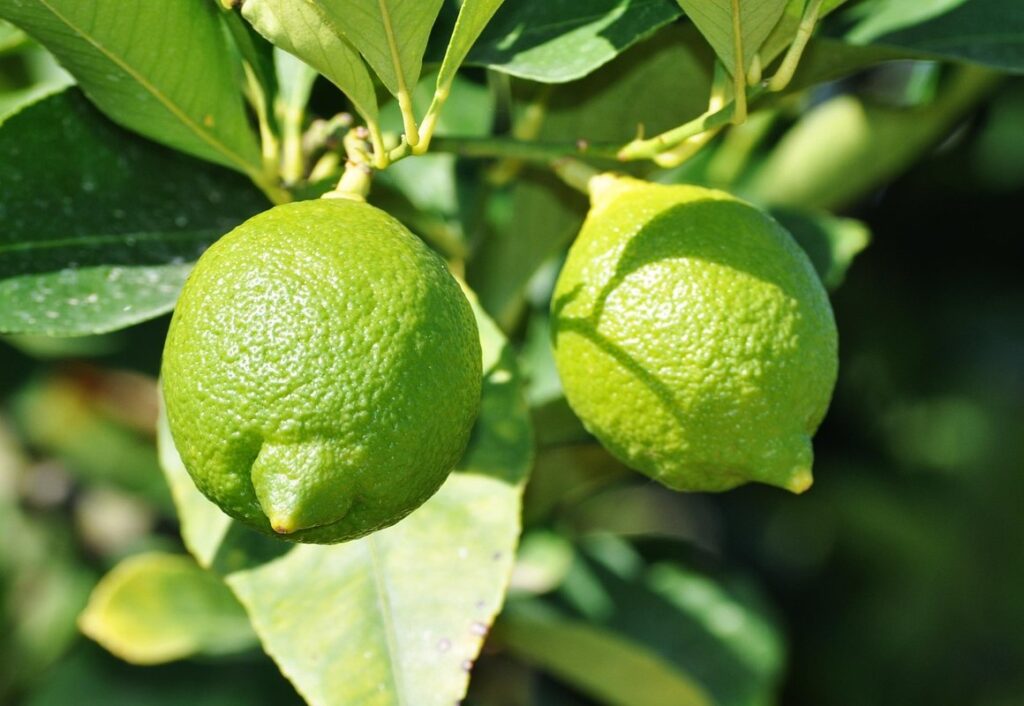
Choosing the Right Variety
When it comes to growing lemon trees, selecting the right variety is crucial, as some are better suited for your climate and growing conditions than others. Research different types to find one that thrives in your area.
Selecting Dwarf or Standard Trees
When it comes to growing lemon trees, one of the most important decisions you’ll make is choosing between dwarf and standard varieties. Both types have their advantages and disadvantages, which we’ll explore below.
Dwarf lemon trees are a popular choice for gardeners with limited space. These compact trees typically grow to be around 6-8 feet tall, making them perfect for small gardens, containers, or indoor spaces. They also require less pruning and maintenance than standard trees, as they naturally produce smaller branches and fewer leaves. One of the biggest benefits of dwarf trees is their fruit production – they can produce up to 10 pounds of lemons per year!
On the other hand, standard lemon trees are ideal for gardeners who have more space available. These larger trees can grow up to 15-20 feet tall and produce significantly more fruit – sometimes up to 50 pounds or more per year! However, they require regular pruning to maintain their shape and promote healthy growth.
Ultimately, the decision between dwarf and standard lemon tree varieties comes down to your specific needs and circumstances. If you have limited space or prefer a lower-maintenance option, a dwarf tree may be the way to go. But if you’re willing to invest time and effort into caring for a larger tree, a standard variety could provide a bounty of delicious lemons.
Popular Lemon Tree Varieties for Home Growers
When it comes to growing lemon trees at home, selecting the right variety is crucial for a bountiful harvest. There are numerous options available, each with its unique characteristics, benefits, and potential drawbacks. Here are some of the most popular lemon tree varieties suitable for home growers:
Dwarf Washington Navel is a compact tree that thrives in containers, making it ideal for small spaces. It’s relatively low-maintenance and produces fruit year-round. On the other hand, Meyer Lemon trees are known for their cold hardiness and can tolerate frosty temperatures, but they require regular pruning to maintain shape.
Bearss Lemon trees are highly productive and suitable for warm climates. They’re also resistant to diseases, making them a great choice for home growers. However, they do prefer well-draining soil and full sun. Eureka Lemon trees are another popular variety that’s relatively easy to care for and produces high-quality fruit.
When choosing a lemon tree variety, consider your climate, available space, and personal preferences. Research the specific needs of each variety to ensure you can provide optimal growing conditions. This will set your lemon tree up for success and help you enjoy a bountiful harvest in no time.
Planting and Care
Now that you have your lemon tree growing, let’s dive into the specifics of planting and caring for it to ensure a healthy and bountiful harvest. Proper care will make all the difference in its growth.
Preparing the Soil
When planting a lemon tree, it’s essential to create an ideal environment for its roots to thrive. One critical aspect of this is ensuring that the soil drains well and has the right pH balance. Lemon trees prefer slightly acidic to neutral soil with a pH range of 6.0-7.0. If your native soil falls outside this range, consider adding lime to raise the pH or sulfur to lower it.
In addition to pH levels, lemons also require well-balanced nutrient-rich soil to produce fruit. Organic matter like compost or aged manure can help improve soil structure and fertility. To prepare your soil for planting, add a 2-inch layer of organic mulch around the tree’s base. This will retain moisture, suppress weeds, and regulate temperature fluctuations.
Keep in mind that lemon trees prefer well-draining soil to prevent root rot and other issues. If your area has heavy clay or sandy soils, consider creating raised beds or mixing in organic matter like peat moss or perlite to improve drainage. By taking these steps, you’ll be creating a solid foundation for your lemon tree’s growth and development.
Watering and Irrigation Techniques
When it comes to watering and irrigation techniques for your lemon tree, consistency is key. Lemon trees prefer well-draining soil and should be watered deeply once or twice a week, depending on the climate and season. It’s essential to check the soil moisture by inserting your finger into the soil up to the first knuckle; if it feels dry, it’s time for watering.
Overwatering can lead to root rot and other issues, so be cautious not to overdo it. In hot, dry weather, you may need to water more frequently, while in cooler months, you can reduce the frequency. To make the most of your water, consider using drip irrigation or soaker hoses, which deliver water directly to the roots and minimize evaporation.
For example, a drip irrigation system can save up to 50% of water compared to traditional sprinkler systems. By adjusting the flow rate and timer according to your tree’s needs, you’ll be able to provide consistent moisture without wasting a drop. This approach also helps prevent fungal diseases that thrive in overwatered conditions.
When using soaker hoses, make sure they’re buried about 6-8 inches deep to ensure the water reaches the roots. These techniques may take some initial setup, but they’ll pay off in the long run by promoting healthy growth and a bountiful harvest of juicy lemons.
Pruning and Training
Proper pruning and training of your lemon tree are essential for maintaining its shape, promoting healthy growth, and increasing fruit production. Let’s dive into some expert tips on how to prune and train your lemon tree effectively.
Why Prune Lemon Trees?
Pruning and training are essential practices for growing healthy and productive lemon trees. When done correctly, pruning can help control the size of the tree, promote a balanced shape, and encourage fruiting. In fact, a well-pruned lemon tree can increase its yield by up to 30%!
By removing dead, diseased, or damaged branches, you’ll prevent the spread of disease and encourage new growth. Pruning also allows more sunlight to reach inner branches, promoting photosynthesis and nutrient uptake. This is especially important for citrus trees like lemons, which thrive in full sun.
To train your lemon tree, focus on guiding its natural shape by removing crossing or rubbing branches. Thin out the center of the tree to allow air and light to circulate freely. Regular pruning will also help maintain a balanced root-to-shoot ratio, ensuring your tree’s roots can support its growing canopy.
Remember, prune your lemon tree during its dormant season (winter or early spring), when it’s less stressed and more receptive to pruning cuts. This simple yet crucial practice will keep your lemon tree healthy, strong, and productive for years to come!
Techniques for Pruning and Training
Pruning and training are crucial steps in maintaining healthy and productive lemon trees. Regular pruning encourages growth, promotes fruiting, and prevents disease. Let’s dive into the techniques for pruning and training your lemon tree.
To start with tip-pruning, remove the top 6-8 inches of new growth to encourage branching and prevent the tree from becoming leggy. Thin out any weak or damaged branches, making sure to leave at least two leaves on each stem. This will help the tree direct its energy towards producing fruit.
When it comes to shaping your lemon tree, consider a central leader system where the strongest branch is allowed to grow upwards as the main trunk. Prune back any competing branches and maintain a balanced shape. Regular pruning will also help control the size of your tree, making it easier to manage in small spaces.
Pest and Disease Management
When it comes to growing healthy lemon trees, managing pests and diseases is crucial for their long-term success. This section will cover common issues to watch out for and practical ways to keep your trees thriving.
Common Pests Affecting Lemon Trees
Lemon trees are susceptible to various pests that can cause significant damage if left unchecked. Among the most common pests affecting lemon trees are aphids, whiteflies, and scale insects.
Aphids are small, soft-bodied insects that feed on the sap of the tree, causing curled or distorted leaves. Whiteflies, on the other hand, are tiny flying insects that also feed on plant sap, resulting in stunted growth and yellowing leaves. Scale insects secrete a sticky substance called honeydew, which attracts ants and promotes fungal growth.
To identify an infestation, look for these signs: curled or distorted leaves, white powdery patches on the leaves (from scale insects), or tiny flying insects near the tree. Regularly inspect your lemon tree during peak pest seasons (spring and summer) to catch any issues early.
If you notice an infestation, act quickly by spraying a mixture of soap and water on the affected areas. You can also use neem oil or insecticidal soap as a more targeted solution. Keep in mind that repeated applications may be necessary, especially if the infestation is severe.
Fungal Diseases and Bacterial Infections
Lemon trees are susceptible to various fungal diseases and bacterial infections that can cause significant damage if left untreated. One of the most common fungal diseases is root rot, which occurs when the roots are exposed to excessive moisture and lack sufficient oxygen. Symptoms include yellowing leaves, droopy branches, and a soft, mushy texture on the trunk. Leaf spot, another fungal disease, appears as small, circular spots or lesions on the leaves.
Bacterial infections like citrus canker can also affect lemon trees. This disease causes dark green or black spots to form on the leaves and stems, eventually leading to defoliation and reduced fruit production. To prevent these issues, maintain good air circulation around your tree by pruning nearby plants and ensuring adequate spacing between trees. Regularly inspect your tree for signs of disease, and treat promptly with fungicides or bactericides if necessary.
Monitor soil moisture levels carefully, as overwatering can exacerbate root rot. Water your lemon tree only when the top 1-2 inches of soil feel dry to the touch. A well-balanced fertilizer applied during the growing season can also promote healthy growth and boost resistance to disease.
Harvesting and Storage
Now that you’ve nurtured your lemon tree to maturity, let’s focus on harvesting its fruit at the right time and storing it properly for maximum flavor and longevity. We’ll walk you through the best practices for each step.
When to Expect Fruit Production
When you first plant a lemon tree, it may take anywhere from 2 to 5 years for it to produce its first fruit. However, this timeframe can vary greatly depending on factors like climate, soil quality, and the overall health of the tree.
A warm and sunny climate with temperatures between 64°F and 90°F (18°C and 32°C) is ideal for lemon trees to thrive. In such conditions, they can produce fruit year-round. Conversely, if your area experiences cooler winters or limited sunlight, your lemon tree may take longer to mature and produce fruit.
Adequate soil quality also plays a significant role in determining when your lemon tree will start producing fruit. Well-draining soil rich in organic matter supports healthy root growth, which in turn promotes fruiting. Make sure to fertilize your lemon tree regularly with a citrus-specific fertilizer to provide essential nutrients for optimal growth and production.
Keep an eye on your tree’s overall health, including its water needs, pest management, and pruning practices. A healthy tree will generally produce more fruit than one that is struggling to survive. With proper care and attention, you can enjoy a bountiful harvest of lemons from your very own backyard.
Storing Lemons for Long-Term Use
When you’re growing lemon trees, it’s likely that you’ll end up with an abundance of lemons. To make the most of this bounty and preserve their freshness and flavor for long-term use, consider storing them using one or more of these methods.
Refrigeration is a simple and effective way to store lemons. Simply place them in a breathable container, such as a mesh bag or a paper bag with holes punched into it, and store them in the crisper drawer of your refrigerator. This will slow down the ripening process and keep them fresh for several weeks.
Freezing is another option for storing lemons. You can either slice or juice the lemons before freezing them, depending on how you plan to use them later. Frozen lemon slices are perfect for adding a burst of citrus flavor to drinks and desserts, while frozen lemon juice can be used as a substitute in recipes.
Dehydrating lemons is also an effective way to preserve them. You can dry sliced or whole lemons using a food dehydrator or by placing them on a baking sheet in a low-temperature oven (150°F – 200°F). Dried lemons are great for making lemon zest, lemon powder, or as a garnish for cocktails.
Troubleshooting Common Issues
If you’re experiencing problems with your lemon tree, such as yellowing leaves or no fruit production, don’t worry – we’ve got solutions to common issues right here.
Poor Fruit Production or Quality
One of the most frustrating issues lemon tree growers face is poor fruit production or quality. To tackle this problem, let’s first identify some common causes. Nutrient deficiencies can significantly impact fruit growth and flavor. For instance, a lack of boron can cause misshapen or deformed lemons. To address this issue, consider getting your soil tested to determine its pH level and nutrient content.
Pests like aphids, whiteflies, and mealybugs can also severely damage your lemon tree’s fruit quality. Regularly inspect your tree for any signs of infestation and use organic pest control methods whenever possible. For example, introducing beneficial insects or using neem oil can help control pest populations without harming the environment.
Diseases such as citrus greening, root rot, and fungal infections can also lead to poor fruit production or quality. To prevent these issues, maintain good air circulation around your tree, avoid overwatering, and sanitize pruning tools regularly. Regularly inspect your tree for any signs of disease and address them promptly with fungicides or other treatments as needed.
By identifying and addressing these common causes, you can improve your lemon tree’s fruit production and quality.
Yellowing or Wilting Leaves
One of the most common issues lemon tree growers face is yellowing or wilting leaves. This can be caused by a variety of factors, but it’s often due to overwatering or underwatering. When the roots are consistently waterlogged, the leaves may turn yellow and drop off. On the other hand, if the soil is too dry for an extended period, the leaves will wilt and eventually drop.
Another possible cause of yellowing or wilting leaves is a nutrient deficiency. Lemon trees need a balanced diet of nitrogen, phosphorus, and potassium to stay healthy. If these essential nutrients are lacking, the tree may exhibit yellowing or droopy leaves. This can be remedied by fertilizing your lemon tree with a balanced fertilizer during the growing season.
To prevent overwatering, ensure good drainage around the base of your tree and avoid getting water on the trunk or roots. Regularly inspect the soil moisture to catch any issues early. By being mindful of these potential causes and taking preventative measures, you can keep your lemon tree healthy and thriving. Monitor your tree’s response to different conditions, and adjust its care accordingly.
Frequently Asked Questions
What if I live in a region with harsh winters? Can my lemon tree still thrive?
If you live in an area with cold winters, consider growing a dwarf or semi-dwarf variety that can tolerate some frost. You’ll also need to protect your tree from extreme temperatures and wind damage by bringing it indoors during the coldest months or using a frost blanket.
How often should I fertilize my lemon tree?
Fertilizing is essential for maintaining a healthy and productive lemon tree. Feed your tree with a citrus-specific fertilizer during the growing season (spring-fall) every 2-3 months. Be cautious not to over-fertilize, as this can lead to leaf burn and decreased fruit production.
What’s the ideal soil pH for growing lemon trees?
Lemon trees prefer well-draining, slightly acidic soil with a pH between 6.0 and 7.0. If your soil is too alkaline, you may need to add elemental sulfur or peat moss to lower the pH. Regularly test your soil pH to ensure it’s within the optimal range for healthy growth.
Can I grow multiple lemon trees in one container?
Yes, but make sure the container is at least 14-16 inches deep and has good drainage holes to accommodate the root systems of multiple trees. Water carefully, as overwatering can be detrimental to the health of your lemons. Space the trees about 2-3 feet apart for proper air circulation.
How do I know when my lemon tree is mature enough to produce fruit?
A healthy lemon tree typically takes around 2-5 years to mature after planting from seed or 1-3 years if grafted. Look for signs of maturity, such as a robust canopy, a sturdy trunk, and an increase in flower production. Once your tree reaches maturity, you can expect regular fruiting seasons throughout the year.