
Have you ever thought about giving old windows a new life? Not only can they be repurposed, but with a little creativity, they can also become eco-friendly greenhouses. As we continue to seek ways to reduce waste and live more sustainably, upcycling old windows into greenhouses is an innovative solution that’s gaining popularity.
Not only does this project help minimize landfill waste, but it also provides a unique opportunity to create a thriving space for plants. With the right design considerations and maintenance tips, you can successfully transform your old windows into a mini greenhouse that will bring joy and freshness to any room or backyard. In this article, we’ll explore the benefits of upcycling old windows, provide guidance on how to design and build your own eco-friendly greenhouse, and share expert advice on keeping it healthy and thriving.
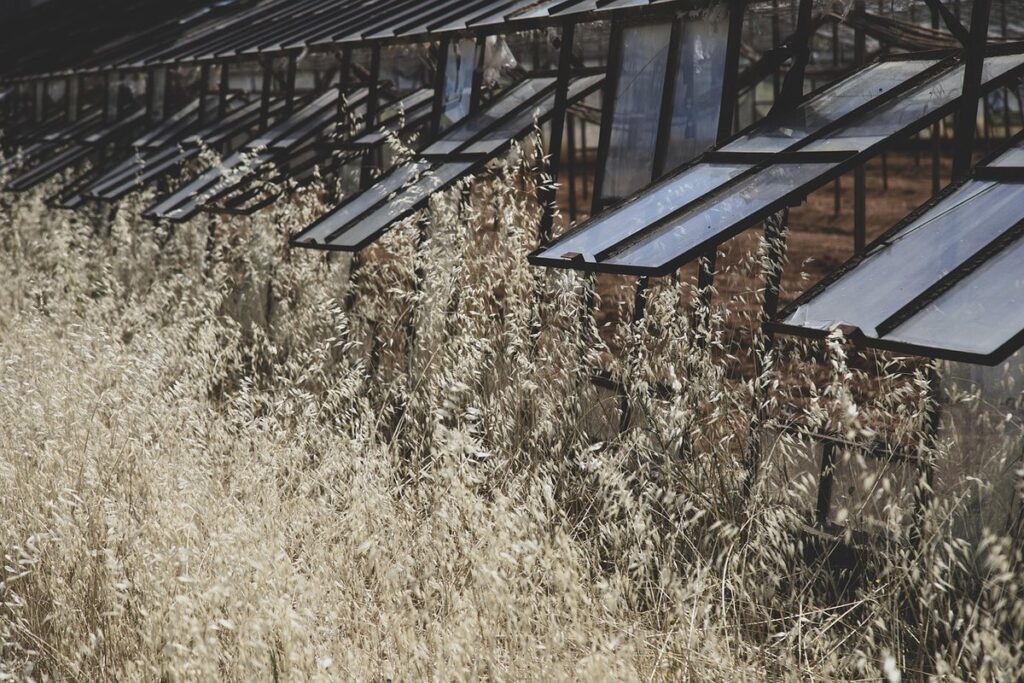
What is a Greenhouse Made from Old Windows?
A greenhouse made from old windows is essentially a creative way to repurpose discarded glass into a functional and sustainable gardening space, perfect for small-scale growing. This section explores this concept in more detail.
Benefits of Repurposing Old Windows
Repurposing old windows is not only an eco-friendly way to give new life to discarded materials but also a cost-effective solution for those looking to create a greenhouse. One of the primary benefits of repurposing old windows is environmental sustainability. By upcycling old windows, we reduce waste and minimize the demand for new, resource-intensive glass products.
In addition to being environmentally friendly, repurposing old windows can also save you money. Instead of purchasing expensive new materials, you can breathe new life into existing ones, making your project budget-friendly. Moreover, using reclaimed wood or repurposed materials for framing and other structural elements can add a unique touch to your greenhouse while reducing its carbon footprint.
Consider this: if you have old windows lying around, take advantage of them! Cleaning, reconditioning, and installing the windows in your new greenhouse will not only save you money but also reduce waste. By choosing repurposed materials for your greenhouse, you’re contributing to a more circular economy where waste is minimized, and resources are conserved.
Common Types of Old Windows Suitable for Upcycling
When it comes to upcycling old windows for a greenhouse, you have several types of windows to choose from. Each type has its own unique characteristics and benefits. For instance, single-hung windows are a popular choice due to their simple design and ease of installation. They typically consist of two sashes that slide up and down within a frame, allowing for good ventilation and natural light.
Double-hung windows, on the other hand, offer more flexibility as both sashes can be opened from the top or bottom. This allows for better airflow and makes it easier to clean the glass panes. Casement windows are another option, featuring hinges on one side that allow them to swing open like a door. These windows provide excellent natural light and can be used to create a dramatic entrance for your greenhouse.
Regardless of which type you choose, make sure to inspect the window thoroughly before upcycling it. Look for any signs of damage or wear, and consider replacing any broken glass panes or rusty hardware. With a little creativity and elbow grease, these old windows can become the foundation of a thriving and sustainable greenhouse.
Challenges to Consider When Using Old Windows
When repurposing old windows for a greenhouse, several challenges need to be considered. One key consideration is energy efficiency – old windows can let in drafts and compromise the structure’s ability to regulate temperature. This can lead to reduced plant growth or even damage from extreme temperatures. Moisture accumulation is also an issue due to poor sealing and increased humidity levels inside the greenhouse.
Another challenge involves structural integrity, particularly when dealing with large or heavy sections of glass. The removal and reinstallation process can be hazardous if not done carefully, posing risks of injury from falling debris or shattering glass. Furthermore, old windows often have outdated frame styles that may not seamlessly integrate into modern greenhouse designs. This can lead to a disjointed appearance and functionality issues.
Before embarking on this project, it’s essential to inspect each window thoroughly for signs of damage or deterioration. If you’re unsure about the structural integrity or energy efficiency of your materials, consider consulting with an expert in sustainable building practices.
Designing Your Greenhouse from Old Windows
Now that you’ve gathered your old windows, let’s dive into designing a functional and beautiful greenhouse using materials you might otherwise throw away.
Measuring and Calculating the Space
When it comes to building a greenhouse from old windows, measuring and calculating the space is crucial. You want to ensure that you’re creating an environment that’s not only beautiful but also functional. To do this, consider the climate of your area. For example, if you live in a region with intense sunlight, you’ll need to choose materials that can withstand the heat.
Think about the direction of the sun and wind as well. A south-facing wall is ideal for greenhouses, as it receives plenty of sunlight. However, be mindful of prevailing winds, which could cause damage or disrupt air circulation within your greenhouse. Measure the space carefully, taking note of any obstructions, such as trees or power lines.
To calculate the size of your greenhouse, use online tools or consult with a local expert to determine the ideal dimensions based on your climate and available sunlight. Consider using a calculator to ensure you have enough space for plants, pathways, and any additional features you want to include.
Choosing the Right Frame and Glazing Options
When it comes to choosing the right frame and glazing options for your upcycled greenhouse, you have several materials to consider. You can repurpose old windows made of wood, metal, vinyl, or aluminum as frames, depending on their condition and durability.
For glazing, glass is a popular choice due to its transparency, insulation properties, and ability to withstand various weather conditions. However, acrylic panels are also an excellent option for greenhouses, offering improved impact resistance and flexibility.
When selecting glazing options, consider factors such as energy efficiency, budget, and maintenance requirements. If you opt for glass, ensure that the frames can support its weight. For a more sustainable approach, reusing existing window panes is always the best option, but it’s also worth considering replacing old glass with new, low-e glass or triple-glazed units for improved performance.
In terms of DIY modifications, consider adding polycarbonate sheets to improve insulation and reduce heat loss. This can be done by simply inserting them into the frames or adding a secondary glazing system for added thermal efficiency.
Incorporating Additional Features and Accessories
As you’re bringing new life to old windows by turning them into a greenhouse, it’s time to think about incorporating additional features and accessories that will enhance the functionality and aesthetic appeal of your eco-friendly abode. One great way to do this is by adding shelving units for plants and storage. You can repurpose an old bookshelf or create one from reclaimed wood, ensuring you have ample space for seedlings, trellises, and gardening tools.
Consider installing a rainwater harvesting system to collect and store rainwater for irrigation purposes. This not only reduces water waste but also helps conserve this precious resource. A drip irrigation kit can be easily attached to the pipes, providing plants with a steady supply of water without wasting a single drop.
You can also add some decorative touches like solar-powered lights or a handmade trellis made from twine and sticks. These small additions will not only brighten up your greenhouse but also create a cozy ambiance for you to enjoy while tending to your plants.
Building Your Greenhouse from Old Windows
Now that you have a collection of old windows, it’s time to turn them into a stunning greenhouse. In this next part, we’ll explore how to build your very own greenhouse from salvaged windows.
Preparing the Site and Foundation
Before you start building your greenhouse from old windows, it’s essential to prepare the site where it will be located. This includes both foundation work and soil preparation to ensure a sturdy structure that can support the weight of your greenhouse and its contents.
Firstly, choose a spot with good sunlight and ventilation, ideally near a water source for easy watering. Clear the area by removing any debris, rocks, or weeds. If the site has been previously used, test for any underground obstructions like pipes or electrical cables before proceeding.
Next, assess the soil’s drainage and pH level. Greenhouses prefer well-draining soil to prevent waterlogged conditions that can lead to root rot. Test your soil and amend it if necessary by adding organic matter like compost or manure. Finally, mark out a square area slightly larger than your greenhouse frame using stakes and twine to guide the foundation work.
Once you’ve prepared the site, you’ll be ready to start building your greenhouse from old windows on a solid foundation.
Assembling the Frame and Installing Glazing
Assembling the frame and installing glazing materials is where the magic of upcycling old windows into a functional greenhouse really comes together. It’s essential to approach this process with care, as it requires patience and attention to detail.
Start by preparing the site where you’ll be assembling your greenhouse. Ensure it’s level and clear of any debris. Next, organize your materials, including the reconditioned frames, glazing panels, and hardware (e.g., hinges, latches). For a typical 8×10 foot greenhouse, you’ll need approximately 20-30 panes of glass or acrylic.
When assembling the frame, consider using a modular approach to simplify the process. This involves building individual sections before joining them together. Be mindful of the window’s original design and ensure that the new assembly is structurally sound. Challenges often arise when dealing with irregularly shaped windows or those with unusual hardware configurations. To overcome these issues, research online tutorials, consult with local experts, or adapt solutions from similar projects.
Installing glazing materials requires precision to maintain structural integrity and prevent water ingress. Clean and inspect each pane before applying a sealant (if applicable) and carefully place it into position. For acrylic panels, ensure they’re properly seated on the frame’s rebate using silicone adhesive.
Potential issues during assembly may include structural instability or poor sealing around the glazing panels. To mitigate these risks:
* Consult manufacturer instructions for specific hardware recommendations.
* Use a level to double-check the frame’s alignment and stability.
* Regularly inspect your work as you progress, addressing any problems promptly.
When working with old windows, you’ll often encounter unique challenges that demand creative problem-solving. Don’t be afraid to think outside the box – or in this case, the greenhouse!
Adding Doors, Ventilation, and Other Essential Features
When it comes to creating a functional and healthy environment for your plants, adding doors, ventilation, and other essential features is crucial. This not only allows for easy access but also ensures optimal airflow, which helps prevent the buildup of heat and moisture.
Consider installing a door with a screened-in section or using old window frames as room dividers to create separate areas within your greenhouse. These can be opened or closed as needed to regulate temperature and humidity levels. You can also add vents on opposite sides of the structure to facilitate cross-ventilation, which helps reduce heat stress on plants.
Other features to consider include gutters and downspouts for efficient rainwater harvesting, shelving and trellising systems for optimal plant placement, and a drainage system to prevent waterlogged soil. By incorporating these elements, you can create a thriving ecosystem within your upcycled greenhouse that supports the health and productivity of your plants.
When selecting materials for these features, opt for durable, low-maintenance options like metal or recycled plastic. These will not only withstand the elements but also reduce waste and minimize environmental impact.
Tips for Upcycling Old Windows into Greenhouses
Now that you have transformed your old windows into a functional greenhouse, let’s explore some creative ways to enhance its functionality and make it truly thrive. We’ll share our top tips for maximizing space and promoting plant growth.
Common Mistakes to Avoid
When upcycling old windows into greenhouses, it’s easy to get caught up in the excitement of the project and overlook some crucial details. However, neglecting these aspects can lead to structural issues, energy losses, and even damage to the surrounding environment.
One common mistake is inadequate support structures or poor insulation. This can be due to a lack of planning or insufficient materials. For instance, if you’re attaching multiple windows together, ensure that they are properly secured with sturdy brackets and screws to prevent them from collapsing under wind pressure. Similarly, make sure to add adequate insulation around the frames to prevent heat loss during cold months.
Another mistake is using old glass that’s damaged, rusty, or has cracks. This can compromise the structural integrity of your greenhouse and expose plants to disease-spreading moisture. Always inspect the windows carefully before repurposing them, and replace any broken panes with new ones specifically designed for greenhouses.
By avoiding these common pitfalls, you’ll be able to create a functional, eco-friendly greenhouse that will provide years of enjoyment and growth for your plants.
Best Practices for Ensuring Structural Integrity
When upcycling old windows into greenhouses, it’s essential to ensure that the structure remains sturdy and secure. This requires regular inspections and maintenance to guarantee the integrity of the greenhouse.
To start, inspect the window frames and sashes for signs of damage or wear. Check for loose screws, rusty hinges, or cracked glass, which can compromise the overall stability of the greenhouse. Make a note of any issues you find and address them before proceeding with the upcycling project.
Regular maintenance is also crucial to maintaining structural integrity. Clean the windows regularly to prevent dirt and debris from accumulating and causing damage. Additionally, inspect the greenhouse frame for signs of warping or rotting wood and replace it as needed.
It’s also a good idea to consider consulting a professional if you’re unsure about any aspect of the upcycling process. They can provide expert advice on how to maintain and repair your greenhouse, ensuring that it remains safe and functional over time.
Remember, investing in regular inspections and maintenance will not only extend the life of your greenhouse but also ensure that it continues to thrive as a sustainable oasis for your plants.
Troubleshooting Common Issues and Problems
When working with old windows to create a greenhouse, you’ll inevitably encounter some common issues and problems. One of the most frequent complaints is moisture buildup due to condensation. This can lead to mold growth, which not only spoils your plants but also poses health risks for you and your family. To combat this issue, ensure proper ventilation in your greenhouse by installing vents or fans that allow air circulation.
Another problem you might face is uneven lighting distribution within the greenhouse. If your windows aren’t aligned properly, some areas may receive too much sunlight while others remain shaded. To address this, consider rearranging the window layout or using UV-filtering glass for more consistent illumination.
In addition to these issues, you may also encounter problems with pest control and temperature regulation. For example, if your greenhouse becomes too hot during summer months, it can damage your plants and encourage pest growth. Regularly monitor temperature fluctuations and implement measures such as shading materials or evaporative cooling systems to maintain a stable environment.
When integrating old windows into your greenhouse design, keep an eye out for potential issues related to structural integrity and sealant adhesion. Ensure the frames are sturdy enough to support the weight of any additional components you add, like shelves or irrigation systems.
Maintenance and Care of Your Upcycled Greenhouse
Now that your upcycled greenhouse is home to thriving plants, it’s essential to learn how to properly maintain its structure, ensuring a long lifespan for years to come. Regular upkeep will also help prevent damage and keep your green oasis looking its best.
Regular Cleaning and Inspection
Regular cleaning and inspection are crucial to maintain the health and performance of your upcycled greenhouse. As you utilize old windows, they can accumulate dirt, grime, and debris, which may hinder the growth of your plants or even damage the structure.
To ensure the longevity of your greenhouse, clean it regularly, ideally every 1-2 weeks during peak growing seasons. Start by removing any large debris, such as leaves or branches, from the roof and walls. Then, mix a solution of mild soap and water, and use a soft-bristled brush to gently scrub away dirt and grime.
Inspect your greenhouse for signs of damage, wear, and tear, and address them promptly. Check the window frames, glazing, and any fasteners for rust or corrosion, and replace them if necessary. Also, verify that all doors and windows are functioning properly, ensuring easy access and ventilation.
Additionally, inspect your plants regularly for pests and diseases, which can spread quickly in a greenhouse environment. By incorporating regular cleaning and inspection into your maintenance routine, you’ll be able to identify potential issues before they become major problems, thereby extending the life of your upcycled greenhouse.
Addressing Climate-Related Challenges
When upcycling old windows into greenhouses, it’s essential to consider the climate-related challenges you may face. Extreme temperatures and weather conditions can be detrimental to your plants, but with the right strategies, you can create a thriving environment for your greenhouse.
To mitigate the effects of heatwaves, ensure that your greenhouse has adequate ventilation. Install windows that allow for cross-ventilation, or use fans to circulate air and prevent overheating. You can also use shading materials like umbrellas or sails to block direct sunlight during peak hours. Conversely, in cold climates, insulate your greenhouse with materials like foam board or straw bales to retain heat.
Additionally, consider the type of plants you’ll be growing and their specific climate requirements. Some plants are more sensitive to temperature fluctuations than others, so research their needs before selecting varieties for your greenhouse. By taking these steps, you can create a resilient and sustainable environment that thrives despite extreme temperatures or weather conditions.
Long-Term Maintenance and Repairs
When it comes to keeping your upcycled greenhouse in top condition, regular maintenance and repairs are crucial. Over time, you may notice that some of the old windows begin to warp, rust, or develop leaks. To address these issues, make sure to inspect your greenhouse regularly for any signs of damage or wear.
Check the flashing around the roof and walls for gaps or water pooling, which can lead to mold growth and structural problems. You can use a weather-tight sealant to seal any cracks and ensure a watertight seal. Additionally, consider applying a coat of exterior-grade paint or varnish to protect the wood from rot and insect damage.
If you notice any broken panes or damaged frames, don’t hesitate to replace them with new ones made from durable materials like polycarbonate or fiberglass. Regular cleaning will also help maintain your greenhouse’s clarity and keep it looking its best.
Conclusion: The Rewards of Upcycling Old Windows into Greenhouses
As we’ve explored the process of upcycling old windows, it’s time to reflect on the rewards that come from repurposing these forgotten treasures. Let’s explore the benefits you can expect from your new greenhouse.
Recap of Key Takeaways
As you’ve reached the end of this sustainable guide on upcycling old windows into greenhouses, let’s recap the key takeaways to inspire and motivate you to get creative with your own upcycling project.
By now, you’re likely aware that transforming old windows into greenhouses is not only a cost-effective way to reuse materials but also an eco-friendly approach to building a greenhouse. We’ve explored various types of old windows suitable for upcycling, including wooden sash windows and metal-framed ones.
You’ve also learned how to assess your windows’ condition, prepare them for renovation, and add essential features like shelves, irrigation systems, and glazing options. Don’t forget that repurposing old windows into greenhouses can be a fun and rewarding DIY project, perfect for garden enthusiasts of all skill levels.
Some key benefits to keep in mind include:
• Reduced waste by reusing existing materials
• Lower costs compared to buying new greenhouse components
• Opportunities for creative expression and customization
• A chance to preserve historical architectural elements
Remember, the most important aspect is to have fun while creating a functional and beautiful space that brings you joy. So, don’t be afraid to get started and make your old windows shine like new!
Encouragement to Share Your Project and Inspire Others
As you’ve completed your upcycled greenhouse project, we’re sure you can’t wait to share it with others and see the impact it has on their lives. By doing so, you’ll not only inspire them but also contribute to a larger community of like-minded individuals who value sustainability. Sharing your creation is an excellent way to encourage others to explore upcycling as a viable alternative to traditional greenhouse construction methods.
Consider sharing your project’s story on social media platforms or online forums dedicated to gardening and sustainable living. You can post high-quality photos and videos that showcase the before-and-after transformation of the old windows, along with any tips you’ve gathered throughout the process. This will enable others to learn from your experience and apply it to their own projects. Moreover, sharing your project will also encourage you to continue innovating and experimenting with new ideas in upcycling.
By inspiring others, you’ll not only be contributing to a more sustainable future but also fostering a sense of community among those who share your values.
Frequently Asked Questions
What size old windows should I use for a small greenhouse?
When selecting old windows for your mini greenhouse, consider the space you have available and the type of plants you want to grow. A good rule of thumb is to choose windows that are at least 2×4 feet in size to ensure sufficient light penetration and air circulation. However, if you’re working with a very small area, even smaller windows can still be used by arranging them vertically or using mirrors to reflect natural light.
Can I use old windows with broken glass for my greenhouse?
While upcycling old windows is all about reducing waste, safety should always be the top priority. Yes, it’s generally okay to repurpose old windows with minor scratches or imperfections, but if the glass is severely damaged or cracked, it’s best to replace it with new glass or consider alternative glazing options like polycarbonate panels.
How can I ensure my upcycled greenhouse remains structurally sound over time?
To maintain the integrity of your upcycled greenhouse, regularly inspect the frame and glazing for signs of wear and tear. Use rust-resistant screws and weather-tight sealants to prevent water damage, and consider adding additional support beams or weights if necessary. Also, keep in mind that old windows can be prone to warping or bowing over time, so monitor their condition closely.
What are some creative ways to reuse the frame from my old greenhouse?
The frames from your old windows don’t have to go to waste! Consider repurposing them as trellises for climbing plants, shelves for indoor gardening, or even as a decorative wall art piece. You can also get creative with upcycling projects like turning the frames into planters, birdhouses, or other functional items for your home or garden.
How do I protect my greenhouse from extreme weather conditions?
When building an upcycled greenhouse, it’s essential to consider climate-related challenges in your area. To safeguard your structure against harsh weather, use materials that are resistant to wind, rain, and sun damage. Install a robust roof or awning to shield plants from heavy rainfall or intense sunlight, and incorporate features like ventilation, shading, and insulation to regulate temperature fluctuations.