
When it comes to creating a stunning and sustainable outdoor space, choosing the right plants can make all the difference. But with so many options available, selecting native plants for your small garden can be overwhelming. As you’re about to discover, native plants are not only low maintenance but also attract local wildlife, making them an ideal choice for a thriving ecosystem. In this article, we’ll explore the benefits of using native plants in small gardens and provide expert advice on how to choose and care for these incredible species tailored to your region and climate. By the end of it, you’ll be equipped with the knowledge to create a beautiful and wildlife-friendly outdoor space that requires minimal upkeep, perfect for busy gardeners or those looking to live more sustainably.
Understanding the Benefits of Native Plants
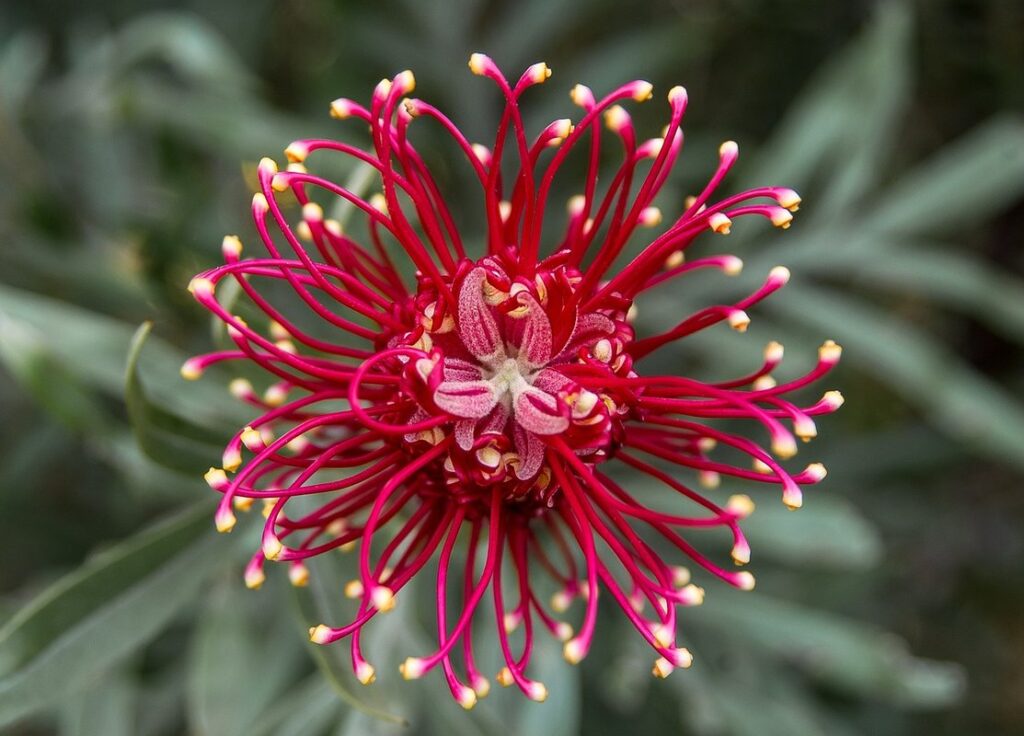
Native plants offer a range of benefits, from reduced water consumption to increased biodiversity, making them an ideal choice for small gardens. In this section, we’ll explore these advantages in more detail.
What are Native Plants and Why Are They Important?
Native plants have been thriving in our region for centuries, long before human development and urbanization. So, what exactly are native plants? Simply put, they’re plant species that are naturally found in a particular area or region. Native plants have adapted to the local climate, soil type, and weather patterns over time, making them incredibly resilient and easy to maintain.
Their ecological importance cannot be overstated. Native plants provide habitat and food for local wildlife, including pollinators like bees and butterflies, as well as birds, reptiles, and amphibians. They also help maintain soil quality, prevent erosion, and support groundwater recharge. By choosing native plants, you’re supporting the delicate balance of your ecosystem.
Incorporating native plants into your small garden not only benefits the environment but also requires less maintenance and care. Native plants are often drought-tolerant, pest-resistant, and require fewer fertilizers and pesticides. This makes them an excellent choice for busy homeowners or those new to gardening. By planting native species, you’re contributing to a healthier, more sustainable landscape that will thrive with minimal effort.
The Advantages of Native Plants in Small Gardens
When you’re working with small gardens, every inch counts. That’s why using native plants is an excellent choice – they require less maintenance than non-native species and thrive in their natural environment. For example, native plants have adapted to local climate conditions, making them more resilient to droughts and extreme weather events.
By incorporating native plants into your small garden, you’ll also be improving soil health. Native plants tend to form symbiotic relationships with beneficial microorganisms in the soil, which helps maintain its fertility over time. This can lead to fewer fertilizers and pesticides being needed, making your garden a more sustainable oasis.
Native plants are also wildlife magnets! By planting species that attract local pollinators, birds, and insects, you’ll be creating a haven for biodiversity in even the smallest of spaces. Plus, many native plants bloom at different times throughout the year, providing a constant source of nectar for bees and butterflies.
Choosing the Right Native Plants for Your Garden
When selecting native plants for your small garden, it’s essential to choose species that thrive in your local climate and soil conditions. This will ensure a low-maintenance landscape that requires minimal upkeep.
Considerations for Selecting Native Plants
When selecting native plants for your small garden, there are several key factors to consider. Firstly, think about your local climate and soil type. Native plants have evolved over thousands of years to thrive in specific conditions, so choosing plants that match your region’s temperature, humidity, and precipitation patterns will ensure they receive the right amount of water, nutrients, and sunlight.
Consider the sunlight exposure in your garden as well. If you’re working with a small space, you may need to choose plants that can tolerate shade or partial sun. For example, if your garden receives direct sunlight for only 4-6 hours a day, look for native plants like ferns, astilbe, or wild ginger that prefer shade.
Also, think about the overall style or theme of your garden. Do you want to create a low-maintenance meadow or a formal English garden? Choose native plants that fit with your desired aesthetic, and consider their growth habits and mature sizes to ensure they won’t overwhelm the space.
Ultimately, selecting the right native plants for your small garden is about finding plants that not only thrive in your environment but also meet your needs and preferences.
Native Plant Options for Small Gardens by Region
When choosing native plants for small gardens, it’s essential to consider the regional climate and geography. Native plant options vary significantly across North America, but here are some species that thrive in different regions.
For the Pacific Northwest, consider plants like Western Buttercup (Ranunculus occidentalis) and Wild Strawberry (Fragaria vesca), which require minimal maintenance and tolerate shade. In the Southwest, succulents like Prickly Pear Cactus (Opuntia spp.) and Texas Sage (Leucophyllum frutescens) are ideal for hot, dry climates.
In the Southeast, plants like Lantana (Lantana camara) and Firebush (Hamelia patens) attract pollinators and provide colorful blooms. For the Northeast, consider native grasses like Little Bluestem (Andropogon scoparius) and shrubs like Buttonbush (Cephalanthus occidentalis), which are tolerant of cooler temperatures.
When selecting plants for your small garden, research the specific growing conditions required by each species to ensure success. Consider factors like sunlight, soil type, and moisture levels before making a final decision. This will help you choose the right native plants for your region and create a sustainable, low-maintenance landscape that thrives with minimal care.
Top Native Plants for Small Gardens
When working with limited space, it can be tough to choose plants that thrive and require minimal maintenance, but don’t worry, we’ve got you covered.
Perennials for Year-Round Interest
When it comes to choosing perennials for small gardens, selecting plants that provide year-round interest is essential. This means looking beyond seasonal blooms and considering the unique characteristics of each plant. Let’s highlight some top-performing perennials that deliver on this promise.
In the spring, consider adding plants like Virginia bluebells (Mertensia virginica) or Eastern redbud (Cercis canadensis), which burst into vibrant flower colors in late March to early May. Summer foliage is equally impressive, with grasses like little bluestem (Schizachyrium scoparium) providing delicate, swaying textures and goldenrod (Solidago spp.) boasting bright yellow blooms.
As fall approaches, look for plants that change color dramatically, such as the glowing oranges of the butterfly weed (Asclepias tuberosa) or the deep reds of the oakleaf hydrangea (Hydrangea quercifolia). By incorporating these perennials into your small garden, you’ll create a dynamic display that showcases the best of each season.
Shrubs and Trees for Structure and Shelter
When it comes to creating structure and shelter in small gardens, native shrubs and trees are an excellent choice. Not only do they provide a habitat for local wildlife, but they also offer a sense of scale and grandeur that can be difficult to achieve with smaller plants.
In temperate climates, consider planting native species like the American Hazel (Corylus americana) or the Redbud Tree (Cercis canadensis). These trees grow relatively slowly, reaching maturity in 10-15 years, and require minimal maintenance. In areas with hot summers, choose heat-tolerant plants like the Desert Willow (Chilopsis linearis) or the Texas Sage (Leucophyllum frutescens), which are drought-resistant and attract pollinators.
When selecting shrubs for your small garden, look for native species that thrive in your local soil type. For example, coastal gardens benefit from salt-tolerant plants like the Beach Sunflower (Helianthus debilis) or the Seaside Juniper (Juniperus conferta). These plants not only provide structure but also help stabilize soil and protect against erosion.
Remember to plant multiple species together to create a diverse ecosystem that supports local wildlife. This will not only add visual interest to your garden but also attract beneficial insects, birds, and other animals.
Designing a Native Plant-Friendly Garden
Now that you’ve selected your native plants, let’s dive into designing a garden space that showcases their natural beauty and allows them to thrive. We’ll explore how to create a thriving ecosystem in a small garden.
Layered Gardening for Biodiversity and Beauty
When designing a native plant-friendly garden in a small space, consider adopting the concept of layered gardening. This approach involves strategically placing plants at different heights and depths to create a diverse and visually appealing landscape. By layering plants, you can mimic the structure of a natural ecosystem, providing habitats for various wildlife while minimizing maintenance.
Begin by selecting a mix of native shrubs and small trees for the upper layers (6-12 feet tall). These will provide structure and support for smaller plants below. For mid-layers (3-6 feet), choose perennials or grasses that offer textural contrast and attract pollinators. Lower layers (1-3 feet) can be filled with groundcovers, wildflowers, or succulents, which require minimal care and add pops of color.
When placing plants, consider their mature size to avoid overcrowding. Also, select a mix of early-blooming and late-blooming species to extend the blooming period throughout the growing season. For example, pair native coneflower (Echinacea purpurea) with spring-blooming violets (Viola sororia) for a layered display that attracts pollinators from April through October.
Incorporating Water Features and Other Elements
Incorporating water features and other elements can take your native plant-friendly garden to the next level. Rock gardens are an excellent choice for small spaces, as they add visual interest without overwhelming the area. Use a mix of rocks and gravel to create a layered effect that complements the foliage of your native plants.
A small pond or fountain can also be a beautiful addition, providing a soothing sound and attracting local wildlife like birds and butterflies. Consider using a rain barrel or cistern to collect and store rainwater for irrigation purposes, reducing the need for potable water in your garden.
When designing your space, remember that less is often more. Avoid over-accessorizing with too many decorative elements – instead, focus on creating clean lines and simple shapes that allow your native plants to shine. Use native stone or wood accents sparingly to add warmth and character without overwhelming the space. By incorporating these elements thoughtfully, you can create a stunning and sustainable small garden that showcases the beauty of native plants.
Maintenance and Care for Native Plants
To keep your native plants thriving, it’s essential to know how to properly care for them. This includes regular maintenance tasks that promote healthy growth and resilience in challenging environments.
Tips for Minimum Maintenance and Maximum Beauty
When it comes to maintaining native plants in small gardens, the key is striking a balance between minimizing upkeep and maximizing their natural beauty. To do this, start by understanding that native plants are adapted to local conditions and typically require less water and maintenance than non-native species.
For watering, be cautious not to overwater, as this can lead to root rot and other issues. Instead, focus on providing occasional deep soaks during dry spells, allowing the soil to dry slightly between waterings. Pruning is also essential for promoting healthy growth and maintaining shape. Remove any dead or damaged branches in the spring, and trim back overgrown stems after new growth appears.
To minimize pest management, adopt a holistic approach that encourages beneficial insects and other wildlife. Plant native flowers and herbs nearby to attract pollinators and other beneficial species, which will help control pests naturally. For example, planting marigolds alongside native grasses can repel nematodes, while attracting bees and butterflies.
To further reduce maintenance, consider using natural mulches like wood chips or leaves to retain moisture and suppress weeds. Mulch also helps regulate soil temperature and prevents erosion. With these simple strategies in place, you’ll be able to enjoy your beautiful, low-maintenance native plant garden for years to come.
Common Challenges and Solutions for Native Plant Gardens
Native plant gardens are incredibly low-maintenance and beneficial for local ecosystems, but they’re not immune to common challenges like pests and diseases. One of the most significant issues gardeners face is insect infestations, particularly from pests like aphids, whiteflies, and spider mites.
To combat these problems, adopt integrated pest management (IPM) strategies. For example, introduce beneficial insects like ladybugs or lacewings that prey on common garden pests. Encourage natural predators by avoiding broad-spectrum pesticides that can harm beneficial species. Regularly inspect your plants for signs of infestation and manually remove any affected areas to prevent the problem from spreading.
Preventive measures also play a crucial role in maintaining a healthy native plant garden. Ensure good air circulation around plants, which helps prevent fungal diseases that thrive in humid environments. Apply organic mulch around the base of plants to retain moisture and suppress weeds that can harbor pests. By understanding these challenges and implementing effective solutions, you can enjoy a thriving and resilient native plant garden even in small spaces.
Frequently Asked Questions
Can I mix native plants with non-native plants in my small garden?
While it’s possible to combine native and non-native plants, it’s essential to prioritize native species for maximum biodiversity benefits. If you do choose to mix them, ensure the non-native plants are low-maintenance and won’t outcompete your natives. This approach can also help create a more visually interesting garden.
How do I know which native plants will thrive in my specific region and climate?
To select suitable native plants for your area, research local nurseries or gardening groups that specialize in native species. They can provide expert advice on the best plants for your region’s unique conditions. You can also consult online resources like plant databases or apps that match plants with your location.
What if I have limited space or a shady garden – are there still native options available?
Yes, many native plants thrive in shaded areas and compact spaces. Consider plants like ferns, wild ginger, or creeping thyme, which are perfect for small gardens with limited sunlight. Don’t forget to choose native plants that fit your specific climate zone and soil type.
Can I use native plants for hedges or screens instead of traditional fencing?
Native plants can make excellent hedges or screens, providing a natural barrier while supporting local wildlife. Choose species like shrubs or trees that grow densely, such as boxwood, holly, or dogwood. Regular pruning will help maintain their shape and keep them healthy.
How do I deal with pests and diseases affecting my native plants?
Yes, it’s essential to monitor your plants regularly for signs of pests or disease. Use organic methods whenever possible, such as introducing beneficial insects or using natural fungicides. Consider companion planting to deter pests naturally, like pairing marigolds with tomatoes to repel nematodes.
Can I propagate native plants from seed or cuttings?
Yes, many native plants can be propagated from seed or cuttings. This is a cost-effective and sustainable way to share your favorite species with friends or start new gardens. Be sure to research specific propagation techniques for each plant species, as some may have unique requirements.
How often should I water my native plants during droughts?
Yes, it’s crucial to adjust watering schedules during dry periods. Native plants are adapted to local rainfall patterns, so they may require less frequent watering. Monitor soil moisture and reduce watering to once a week or every 10 days, depending on the plant species and climate conditions.