
Creating a pollinator hedge is one of the simplest yet most effective ways to support your local ecosystem. By planting a hedge that attracts bees, butterflies, and other beneficial insects, you’ll not only be adding beauty to your garden but also contributing to the health of your community’s wildlife.
The importance of pollinators can’t be overstated – without them, our food supply would be severely impacted. That’s why creating a thriving pollinator hedge is a great place to start when it comes to supporting these vital creatures. But where do you begin? In this comprehensive guide, we’ll walk you through the process of selecting the right plants, preparing your site, and planting techniques that will ensure your pollinator hedge thrives all year round. From choosing the perfect mix of flowers to maintaining your hedge for optimal performance, we’ve got you covered.
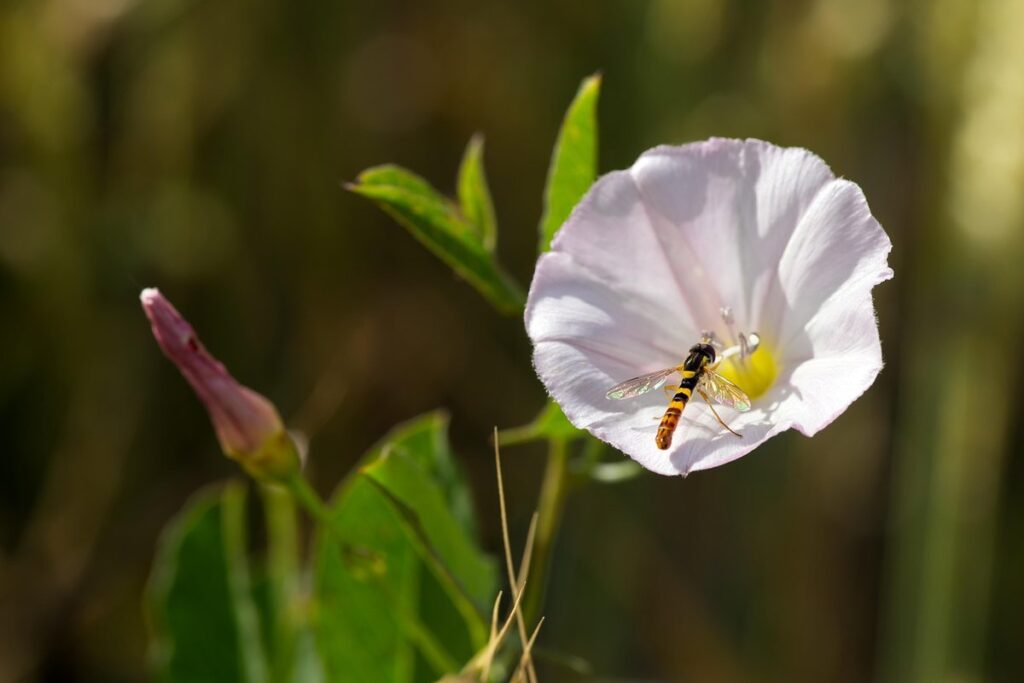
Choosing the Right Plants
When it comes to planting a pollinator hedge, selecting the right plants is crucial for attracting bees and butterflies. Let’s explore some key factors to consider when making your plant choices.
Selecting Native Species
When it comes to selecting plants for your pollinator hedge, choosing native species is crucial. Native plants have evolved alongside local pollinators over thousands of years, providing the perfect food source and shelter for them. By planting native species, you’ll be creating a haven that’s tailored to the needs of the specific pollinators in your area.
Native plants offer numerous benefits, including increased biodiversity, reduced maintenance requirements, and improved resilience to pests and diseases. They’re also more likely to thrive in local conditions, reducing the need for fertilizers and pesticides. For example, in North America, native milkweed (Asclepias syriaca) is a vital food source for monarch butterflies, while in Europe, bee-friendly plants like wild lavender (Lavandula angustifolia) and foxglove (Digitalis purpurea) are essential for pollinators.
To identify native plants suitable for your region, consult with local nurseries, gardening experts, or online resources. Look for plants that have been specifically recommended for pollinator support in your area. You can also search for plants with similar growth habits and requirements to those you already have in your garden. This will ensure a seamless transition and create a harmonious ecosystem for your pollinators.
Considering Plant Diversity
When it comes to creating a thriving pollinator hedge, considering plant diversity is crucial. A single species may provide nectar and pollen for a short period, but what about the rest of the growing season? By incorporating a variety of plants with different bloom times, you’ll ensure a constant source of food for your pollinators.
Think of it like a never-ending buffet – some plants will be in bloom during spring, while others will flourish in summer or fall. For example, consider combining early-blooming flowers like crocuses and daffodils with mid-summer favorites like black-eyed Susans and coneflowers. This mix-and-match approach will provide a steady supply of nectar and pollen throughout the growing season.
To create this diversity, aim to include plants that bloom in three main periods:
• Early spring (February-May): Crocuses, daffodils, and grape hyacinths are great choices
• Mid-summer (June-August): Black-eyed Susans, coneflowers, and cosmos fit the bill
• Late summer-fall (September-November): Asters, goldenrod, and sedum provide a final flourish
By spreading your plant selection across these bloom periods, you’ll create a pollinator haven that’s in constant motion. Remember to choose plants native to your region and consider factors like sunlight, soil type, and moisture levels when selecting your species.
Preparing the Site
Before you start planting, make sure you’ve prepared your site by clearing any debris, weeds, and grass to give your new hedge a healthy foundation. This step is crucial for success.
Assessing Sunlight and Soil Conditions
When assessing the site’s sunlight and soil conditions, it’s essential to understand what pollinators like bees, butterflies, and hummingbirds need to thrive. For a pollinator hedge, you’ll want to choose a location that receives at least six hours of direct sunlight per day. If your site is shaded for most of the day, consider planting native species that can tolerate partial shade.
To evaluate soil conditions, dig a small hole about 12 inches deep and wide. Fill it with water and observe how quickly it drains. If the water takes more than an hour to drain, you may have heavy clay or poorly draining soil. To improve drainage, mix in organic matter like compost or well-rotted manure.
Consider testing your pH levels as well, ideally between 6.0 and 7.0, which is suitable for most pollinator plants. If your soil is too alkaline or acidic, take steps to adjust it by adding lime to raise the pH or peat moss to lower it. Make sure to test your soil again after making any amendments to ensure you’ve achieved a balanced environment.
Removing Debris and Grading the Land
Before planting your pollinator hedge, it’s essential to clear the land of any debris and vegetation. This not only creates a clean slate for your new plants but also ensures they receive adequate sunlight and air circulation. Remove any weeds, shrubs, or trees that might compete with your pollinator hedge for resources.
Clearing the land also helps prevent disease and pests from spreading to your new plants. For example, diseased or infested debris can harbor pathogens like fungal spores or insect eggs, which can easily infect healthy plants. To clear the land effectively:
* Remove any large trees or shrubs by cutting them down and disposing of them properly.
* Use a weed whacker or mower to cut back smaller weeds and vegetation.
* Rake the soil to remove any remaining debris and level it out.
Once you’ve cleared the land, it’s time to grade it for proper drainage. This involves creating a slight slope to allow water to flow away from your plants’ roots. A good rule of thumb is to aim for a 1-2% slope over the entire area. You can use a laser level or consult with a local landscaper to ensure the grading is done correctly.
Planting Techniques
When it comes to planting a pollinator hedge, proper technique is essential for long-term success and maximum benefits for our precious pollinators. Let’s dive into some effective techniques to get you started on the right path.
Digging the Right Spacing
When digging holes for your pollinator hedge plants, it’s essential to get the spacing right. This will ensure that each plant receives sufficient air circulation and has room to grow without competing with its neighbors. A good rule of thumb is to space shrubs 3-6 feet apart, depending on their mature size.
To determine the correct spacing for your specific pollinator plants, check the plant label or consult with a local nursery expert. Some popular pollinator hedge species include lavender, bee balm, and coneflower, which typically require less space than others like rosemary or juniper. Consider the mature width of each plant and leave about 12-18 inches between smaller varieties.
As you dig holes, make sure to space them evenly apart, allowing for gentle growth patterns that promote healthy air circulation. Don’t overcrowd your plants – this can lead to fungal diseases and pest infestations. By spacing correctly, you’ll create an inviting environment for pollinators like bees and butterflies to thrive in. With a little planning upfront, you’ll enjoy years of vibrant blooms and a thriving ecosystem in your own backyard.
Watering and Mulching
Water is essential for newly planted pollinator hedges, and it’s crucial to establish a regular watering schedule. During the first few weeks after planting, water your hedge every 2-3 days, especially during hot and dry weather conditions. Make sure the soil is moist but not waterlogged, as this can lead to root rot.
To ensure efficient water absorption, water your hedge in the morning or early evening when the sun is not too intense. Avoid watering in the middle of the day, as this can cause excessive evaporation. Also, avoid overwatering, which can lead to shallow root systems and make your plants more vulnerable to disease and pests.
Mulching around the base of your pollinator hedge is another vital step in retaining moisture and suppressing weeds. Organic mulch such as wood chips or bark can help regulate soil temperature, reduce evaporation, and prevent weed growth. Apply a 2-3 inch layer of mulch around the plants, keeping it about an inch away from the plant stems to prevent rot. Replenish the mulch as needed to maintain its effectiveness.
Maintenance and Upkeep
Now that you’ve planted your pollinator hedge, it’s essential to keep it thriving with regular maintenance tasks to ensure its health and longevity over time.
Regular Pruning
Regular pruning is an essential part of maintaining a healthy and thriving pollinator hedge. By regularly shaping and trimming your hedge, you’ll not only keep it looking its best but also promote blooming and encourage healthy growth.
To get the most out of your pollinator hedge, prune it at least twice a year – once in late winter or early spring to remove any dead or damaged branches, and again in mid-summer to maintain shape and encourage new growth. When pruning, always use sharp, clean tools to prevent spreading diseases and pests.
Prune back about one-third of the previous year’s growth, cutting just above a bud or node. This will help direct energy towards producing new blooms. Be careful not to remove too much at once, as this can shock the plant and reduce blooming.
For example, lavender and rosemary, both popular pollinator-friendly plants, require more frequent pruning to maintain shape and promote blooming. Prune them every 6-8 weeks during the growing season to encourage new growth and prevent legginess.
Monitoring for Pests and Diseases
Monitoring for pests and diseases is crucial to maintaining the health of your pollinator hedge. As plants grow, they may become vulnerable to infestations or infections that can be detrimental to their well-being. To detect potential issues early on, inspect your hedge regularly, looking for signs such as yellowing leaves, black spots, or white powdery coatings on leaves.
Be mindful of common pests like aphids, spider mites, and scale insects, which can weaken plants by sucking sap from stems and leaves. For instance, aphid infestations can cause curled or distorted leaves, while spider mite damage appears as fine webbing between leaves. If you notice any of these symptoms, treat the affected areas with insecticidal soap or neem oil.
For diseases, look for lesions on leaves, stem discoloration, or powdery mildew, which can indicate fungal infections. Consider using fungicides if necessary, but always follow label instructions and take precautions to avoid contaminating soil and water sources. Regularly inspecting your hedge will allow you to address potential problems promptly, preventing damage to the plants and promoting overall health and resilience.
Attracting Pollinators
To attract a diverse range of pollinators, your hedge should include a variety of flowers that bloom at different times to provide a constant source of nectar. This section will help you choose the perfect plants for the job.
Providing a Source of Water
Providing a source of water for pollinators is just as essential as providing a diverse array of flowers and plants. Without access to clean water, these vital creatures will not be able to survive, let alone thrive in your pollinator hedge.
Consider installing a shallow dish or birdbath specifically designed for pollinators. These types of watering systems are often filled with fresh water and placed in areas where the sun won’t scald the water during warmer months. Change the water frequently to prevent mosquito breeding and bacterial growth.
A good rule of thumb is to place your pollinator-friendly watering system near a cluster of flowers, as this will make it easier for pollinators to notice and visit regularly. Be sure to clean out any debris or sediment that accumulates at the bottom of the dish, as these can be difficult for pollinators to navigate through.
Some popular alternatives to shallow dishes include solar-powered fountains or drippers, which not only provide a source of water but also create movement and visual interest in your garden.
Creating a Diverse Ecosystem
Creating a diverse ecosystem is essential for attracting a wide range of pollinators to your hedge. While plants are the primary focus, incorporating features that cater to other forms of wildlife will enhance biodiversity and create a thriving ecosystem. Consider adding log piles, rock piles, or birdhouses to provide shelter, food, and breeding sites for beneficial insects, birds, and small mammals.
For example, log piles can become home to solitary bees, wasps, and ants, which are essential pollinators. Rock piles can attract ground-nesting solitary bees and wasps, while birdhouses will attract a variety of bird species that help control pests and disperse seeds. These features not only provide shelter but also create habitat for insects and animals to feed on pollen, nectar, and other plant materials.
To incorporate these features into your pollinator hedge, choose areas with low vegetation density and minimal disturbance. Place log piles in areas with some shade, while rock piles can be placed in sunny spots. Install birdhouses at least 3-4 feet off the ground to prevent predators from accessing them. Remember to maintain a balance between plant selection and feature placement to create a thriving ecosystem that supports a variety of wildlife.
Troubleshooting Common Issues
Don’t worry if things don’t go as planned when planting your pollinator hedge – we’ve got you covered with some common issues and their easy solutions.
Dealing with Dead or Diseased Plants
Dead or diseased plants can be a setback for any garden, and it’s essential to know how to address them before they spread and compromise the entire pollinator hedge. If you notice a plant is struggling, take action immediately by inspecting the root system, checking for pests or diseases, and pruning infected areas.
Regularly monitoring your plants will help you catch issues early on. Start by looking for signs of disease such as yellowing leaves, black spots, or powdery mildew. Check the soil pH to ensure it’s within the recommended range (usually between 6.0-7.0) for most pollinator plants. If you notice a dead plant, remove it promptly to prevent it from becoming a breeding ground for pests and diseases.
Consider taking cuttings from healthy plants and propagating them in a separate area before replanting. This will help replace any lost plants quickly. Also, practice good sanitation by disposing of dead or diseased plants responsibly, and disinfect your gardening tools regularly.
Managing Weeds and Pests Effectively
Managing weeds and pests effectively is crucial to maintaining the health and biodiversity of your pollinator hedge. Weeds can outcompete native plants for water, nutrients, and light, while pests like aphids, whiteflies, and spider mites can spread diseases and damage leaves. To control weeds, start by removing any visible weeds before planting. Use a mixture of mulch and organic weed barriers to suppress weeds in the future.
For natural methods of pest control, consider introducing beneficial insects like ladybugs, lacewings, or parasitic wasps that prey on common pests. You can also use neem oil, garlic spray, or soap solution to repel or kill pests without harming your plants. For example, a study showed that using neem oil reduced aphid populations by 80% in just one week.
To prevent pest infestations, keep your hedge well-watered and fertilized, but avoid over-fertilizing which can attract pests. Regularly inspect your hedge for signs of pests or diseases and take action promptly to prevent damage. With a little planning and attention, you can create a thriving pollinator hedge that attracts beneficial insects and supports local biodiversity.
Conclusion
Now that you’ve successfully planted your pollinator hedge, it’s essential to maintain it properly to ensure its continued health and attractiveness. Regularly inspect your hedge for any signs of disease or pests, and take prompt action if you notice anything out of the ordinary. Watering is also crucial, especially during hot summer months when plants are most vulnerable to drought stress. Aim to provide about 1 inch of water per week, either through rainfall or irrigation. Consider incorporating companion plants that attract beneficial insects, such as marigolds or dill, to enhance your hedge’s biodiversity and pollinator appeal.
By following the steps outlined in this guide, you’ll be well on your way to creating a thriving pollinator haven that brings joy and benefit to your community. Happy planting!
Frequently Asked Questions
How do I know if my pollinator hedge is attracting the right types of pollinators?
Conduct a simple observation: note which flowers are being visited most frequently by bees, butterflies, and other insects. Also, consider keeping a bee hotel or installing a bug house to attract solitary bees and wasps. By monitoring your garden’s visitors, you can adjust your plant selection to better suit the needs of local pollinators.
Can I use perennials that are not native to my area, but still provide value for pollinators?
Yes, non-native plants can still be beneficial for pollinators if they offer a valuable resource like nectar or pollen. However, consider supplementing these with native species, which will likely attract more diverse and local pollinator populations.
How often should I water my pollinator hedge during its first year of growth?
Water your newly planted pollinator hedge regularly, especially during the first growing season. Aim to provide about 1 inch of water per week, either from rainfall or irrigation. This will help establish a strong root system and promote healthy growth.
What are some common mistakes people make when planting a pollinator hedge, and how can I avoid them?
Some common pitfalls include choosing too many plants that have similar growing conditions (e.g., all sun-loving plants), failing to provide adequate water or nutrients, and neglecting regular maintenance. To avoid these mistakes, carefully research your site’s specific conditions, select a diverse range of plants with different needs, and commit to regular watering, pruning, and monitoring.
How do I know when my pollinator hedge is mature enough to attract a wide variety of pollinators?
A mature pollinator hedge typically blooms for several months during the growing season, attracting multiple species of bees, butterflies, and other insects. Look for plants that are at least two years old and have reached their full height, as this usually indicates they’ve developed a robust root system and can support diverse pollinator populations.