
Are you tired of watching beautiful butterflies flit around your neighbor’s garden, wishing you could attract them to your own yard? Creating a butterfly-friendly garden is easier than you think, and it’s a great way to support these magnificent creatures as they migrate through our region. By choosing the right plants and providing essential resources like water sources, you can turn your outdoor space into a haven for butterflies. However, many common gardening practices can actually harm or repel these delicate insects, so it’s essential to know how to attract them without using pesticides. In this article, we’ll share expert tips on creating a butterfly-friendly garden that’s both beautiful and beneficial for the environment.
Choosing the Right Plants
When it comes to attracting butterflies to your garden, selecting the right plants is crucial for a successful and vibrant butterfly haven. Let’s explore the best flowers and plants that will draw these beautiful creatures in.
Selecting Native Species
When it comes to attracting butterflies to your garden, selecting native species is essential. These plants have evolved alongside local butterfly populations and provide the necessary food sources for their survival. By choosing native plants, you’ll be supporting the local ecosystem and increasing the chances of attracting a variety of butterfly species.
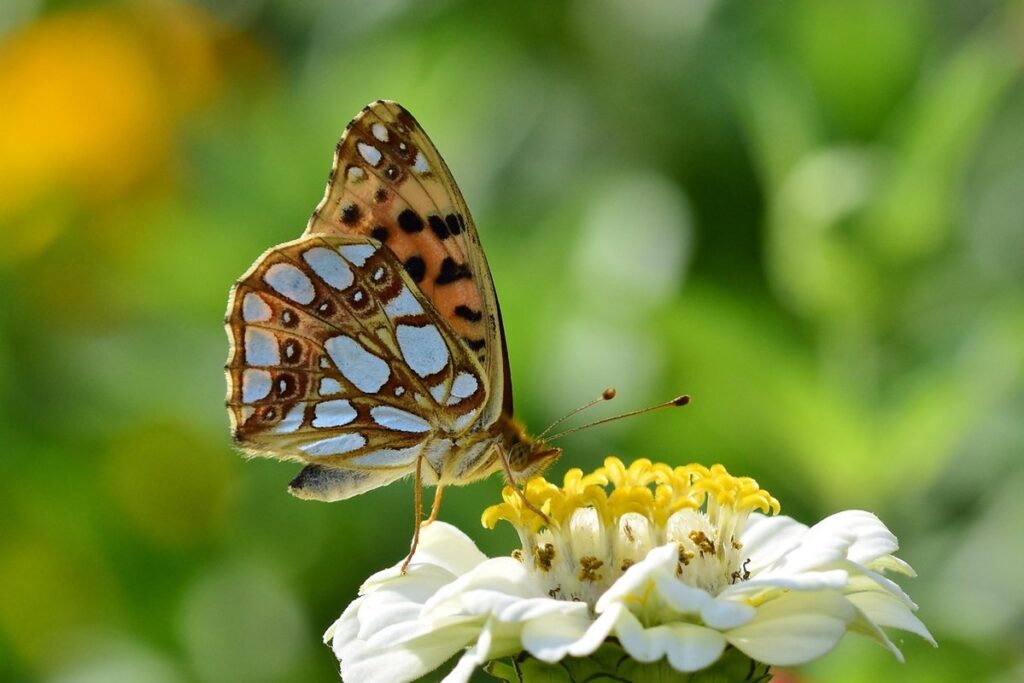
For example, in the eastern United States, monarch butterflies are drawn to milkweed (Asclepias spp.), while in the western states, they prefer California milkweed (A. californica). In the southern regions, butterflies like the Gulf Fritillary and Cloudless Sulphur feed on passionflower (Passiflora spp.) and zinnia (Zinnia spp.). Research native plant species specific to your region and climate to create a butterfly-friendly garden.
When selecting plants, consider the specific needs of each species. Some butterflies require host plants for their caterpillars, while others need nectar-rich flowers for adults. By incorporating a mix of native plants that provide both food sources, you’ll be creating a haven for local butterfly populations. Remember to also choose plants with varying bloom times to ensure a constant source of nectar throughout the growing season.
Understanding Butterfly-Specific Plant Requirements
When selecting plants that attract butterflies, it’s essential to consider their specific requirements. Butterflies are drawn to nectar-rich flowers that bloom at different times of the year, providing a constant source of food. For example, butterfly bush (Buddleja) blooms from mid-summer to early fall, while milkweed (Asclepias) flowers in late spring and early summer.
Soil conditions also play a crucial role in attracting butterflies. Many species prefer well-draining soil with a slightly acidic pH, while others thrive in moist environments. For instance, swamp milkweed (Asclepias incarnata) prefers wet to moist soils, whereas butterfly weed (Asclepias tuberosa) tolerates dry conditions.
Sunlight requirements are another critical factor to consider. Butterflies prefer plants that receive full sun to partial shade, as they rely on warmth to regulate their body temperature. When designing your garden, be sure to include a mix of plants with varying bloom times, soil conditions, and sunlight needs to create a butterfly-friendly haven. This will ensure a constant supply of nectar and host plants for these beautiful creatures.
Incorporating Host Plants for Caterpillars
Host plants play a crucial role in attracting butterflies to your garden. As we discussed earlier, caterpillars are the primary food source for many butterfly species during their early stages of development. A host plant is the specific type of plant that a caterpillar requires to feed on and grow into a pupa. Without access to these plants, caterpillars will not be able to complete their life cycle.
To create a welcoming environment for butterflies, it’s essential to incorporate a variety of host plants into your garden. For example, if you want to attract monarchs, you’ll need milkweed (Asclepias spp.), the sole food source for monarch caterpillars. In contrast, black swallowtail caterpillars feed on various plants in the carrot family, including parsley and dill.
When selecting host plants, consider the specific butterfly species you’re trying to attract. Choose a mix of annuals and perennials to ensure a constant food supply throughout the growing season. Be sure to plant multiple individuals of each host species to provide enough resources for caterpillars. By incorporating host plants into your garden design, you’ll be creating a haven that will draw in butterflies from far and wide.
Creating a Butterfly-Friendly Environment
Now that you’ve learned how to choose the right plants, it’s time to create a welcoming environment for these beautiful creatures to thrive in your garden.
Providing Water Sources
Butterflies need water sources just as much as they need nectar-rich flowers. A shallow dish or birdbath with fresh water is an essential feature in attracting these delicate creatures to your garden. Butterflies use water for drinking, puddling (a behavior where they gather at a particular spot to extract minerals and salts), and even thermoregulation.
When creating a welcoming environment around your water features, consider placing them in areas that receive partial shade or dappled sunlight. This will prevent the water from becoming too warm, which can be detrimental to butterfly health. Also, ensure that the water is changed frequently to keep it fresh and free of algae. You can add rocks or twigs to create a perching area for butterflies to land on while drinking or puddling.
Some tips to keep in mind when placing your water features include: choosing a location that receives morning sunlight to prevent mosquito breeding, using shallow dishes or birdbaths to make it easy for butterflies to access the water, and incorporating nearby plants with high mineral content to attract more butterfly visitors. By providing a reliable source of water, you’ll be well on your way to creating a butterfly-friendly environment in your garden.
Minimizing Pesticide Use
When it comes to creating a butterfly-friendly environment, minimizing pesticide use is crucial for protecting these delicate creatures and other beneficial insects. Butterflies are an essential part of our ecosystem, serving as pollinators and food sources for other animals. However, pesticides can have devastating effects on their populations.
To minimize pesticide use in your garden, adopt integrated pest management (IPM) techniques. This approach involves identifying pests and using non-chemical methods to control them whenever possible. For example, encourage natural predators like ladybugs or lacewings by planting host plants for these beneficial insects.
Here are some practical tips for minimizing pesticide use:
* Monitor your garden regularly to catch pest problems early
* Use physical barriers like fine mesh to prevent pests from reaching your plants
* Encourage beneficial insects with companion planting and habitat creation
* Use organic pesticides as a last resort, choosing the least toxic option available
By adopting these IPM techniques and minimizing pesticide use in your garden, you’ll be creating a safe haven for butterflies and other beneficial insects.
Creating a Sunny, Open Space
Butterflies thrive in environments that provide them with ample opportunities to fly and roost freely. To create a sunny, open space in your garden, consider the types of plants you choose. Incorporate native flowers and shrubs that bloom at different times to ensure a constant source of nectar for butterflies throughout the growing season. For example, plant early-blooming species like crocuses or grape hyacinths in the spring, followed by summer blooms like black-eyed Susans or coneflowers.
Pruning strategies can also help create sunny areas in your garden. Remove any dense foliage that may be blocking sunlight and prune shrubs to maintain an open shape. This will allow sunlight to reach deep into the garden, providing warmth for butterflies as they fly and roost. Consider installing a sunny patio or deck where butterflies can land and feed on nectar-rich flowers. By creating these types of open spaces, you’ll provide butterflies with the conditions they need to thrive in your garden.
When selecting plants, consider their growth habits and mature sizes to ensure they won’t overcrowd the space. Also, choose plants that are resistant to pests and diseases to minimize the use of pesticides, which can harm butterflies.
Supporting the Life Cycle of Butterflies
To attract and support butterflies, it’s essential that you create a welcoming environment for each stage of their life cycle. This includes providing nectar-rich flowers, host plants, and sheltered areas for roosting.
Providing Nectar-Rich Flowers for Adults
When it comes to attracting butterflies to your garden, providing nectar-rich flowers is essential for meeting their energy needs. Adult butterflies require a constant source of nectar to fuel their flight and other activities. Without access to this vital resource, they may not linger in your garden or even visit at all.
To create a butterfly-friendly environment, focus on planting a variety of nectar-rich flowers that bloom throughout the growing season. Some excellent options include:
* Butterfly Bush (Buddleja davidii), which produces long, conical flowers from mid-summer to fall
* Lantana (Lantana camara), with its clusters of small, fragrant blooms from spring to frost
* Zinnia (Zinnia elegans), offering a burst of color and nectar-rich flowers from mid-summer to early fall
When selecting plants, consider their bloom times and the types of butterflies that visit your garden. For example, if you’re attracting monarchs or swallowtails, focus on plants like milkweed (Asclepias spp.) and Joe Pye Weed (Eutrochium maculatum). By incorporating a mix of nectar-rich flowers into your garden design, you’ll create a welcoming space for these beautiful creatures.
Creating a Safe Haven for Chrysalises and Pupae
When creating a garden that attracts butterflies, it’s essential to consider all stages of their life cycle, including chrysalises and pupae. These vulnerable stages require a safe haven where they can transform into adult butterflies without predation or harsh environmental conditions.
To create such an environment, you’ll need to provide sheltered spots for the chrysalises and pupae. You can use leaves or twigs to build small shelters, protecting them from wind, rain, and extreme temperatures. For example, you can collect large leaves with veins that will hold their shape when used as a makeshift roof, providing a snug enclosure.
Another option is to create a dedicated “pupa house” using twigs and branches. Simply weave the twigs together, leaving small openings for air circulation, and place them near host plants where butterflies are likely to lay eggs. Remember to position these shelters in areas that receive partial shade, as direct sunlight can be too intense for developing pupae.
Monitoring and Maintaining Your Butterfly Garden
To keep your butterfly garden thriving, you’ll need to regularly monitor its nectar sources, host plants, and water features, and make any necessary adjustments. This ensures a continuous supply of food and shelter for your winged visitors.
Tracking Butterfly Activity
Monitoring butterfly activity is crucial for understanding their habits and ensuring the health of your garden ecosystem. By tracking species presence and abundance, you can make informed decisions about plant selection, watering, and maintenance practices that cater to these delicate creatures.
To track butterfly activity, start by designating a dedicated observation area in your garden where you can sit and observe without distractions. Bring along an observation journal or download a mobile app like iNaturalist or Butterfly Counting App, which allow you to record data on the species present, their abundance, and any notable behaviors. Record the date, time, weather conditions, and any other relevant details that might affect butterfly activity.
Regularly tracking these observations will help you identify patterns in their behavior, such as when they are most active or which plants they prefer. This information can be used to make adjustments to your garden’s layout and maintenance schedule to better support the local butterfly population. For instance, if you notice that monarchs visit your garden more frequently during certain times of the year, you may want to prioritize planting milkweed species to provide them with a host plant for their caterpillars.
Performing Seasonal Maintenance Tasks
As we navigate through the seasons, it’s essential to perform regular maintenance tasks that will keep your butterfly garden thriving and welcoming these beautiful creatures. One of the most crucial tasks is pruning dead plants. Remove any dead or dying flowers, leaves, or stems to prevent the spread of diseases and pests that can harm butterflies. This task should be done regularly, especially after a harsh winter or during periods of extreme weather.
Another vital maintenance task is cleaning water sources. Butterflies need water for drinking and puddling, so make sure your birdbaths, shallow dishes, or other water features are free from debris and algae. Change the water frequently to keep it fresh and prevent mosquito breeding. You can also add a few rocks or twigs to the water to provide perches for butterflies.
Remember, regular maintenance will not only benefit the butterflies but also create a healthy environment for your garden as a whole. By taking care of these tasks, you’ll be rewarded with an abundance of beautiful butterflies visiting and thriving in your garden.
Troubleshooting Common Issues
If you’re experiencing problems getting butterflies to visit your garden, don’t worry – common issues are usually easy to resolve with a few simple tweaks. Let’s troubleshoot together and get those winged wonders fluttering in!
Addressing Pests and Diseases
When it comes to creating a butterfly-friendly garden, it’s essential to address common pests and diseases that can impact these beautiful creatures. Butterflies are attracted to nectar-rich flowers, but their populations can be threatened by various issues that arise from poor garden management.
Aphids, whiteflies, and scale insects are some of the most common pests that can infest butterfly-friendly plants like milkweed, passionflower, or lantana. These pests feed on plant sap, weakening the plant’s defenses and making it more susceptible to diseases. To manage these pests, try using integrated pest management (IPM) techniques such as introducing beneficial insects like ladybugs or lacewings, which prey on aphids and other pests.
Diseases like powdery mildew, leaf spot, and root rot can also affect butterfly plants. These fungal infections often thrive in humid environments with poor air circulation. To control disease outbreaks, ensure good garden hygiene by removing weeds and debris that may harbor pathogens. Regularly inspect your plants for signs of infection and treat them promptly with fungicides.
Some beneficial insects like parasitic wasps and ground beetles can help control pest populations naturally. These predators prey on aphids, caterpillars, and other pests, reducing the need for pesticides. To attract these beneficial insects to your garden, provide a diverse range of host plants that offer food and shelter for them.
When dealing with common pests and diseases, it’s essential to use targeted and environmentally friendly methods to minimize harm to butterflies and other non-target species. Regular monitoring, proper garden maintenance, and adopting integrated pest management techniques can help maintain a healthy balance in your butterfly-friendly garden. By taking these steps, you’ll be well on your way to creating a thriving habitat for these magnificent creatures.
Encouraging Long-Term Butterfly Visits
To attract butterflies that visit your garden multiple times, you’ll want to create a welcoming environment with an ongoing food and shelter supply. Let’s discuss how to encourage repeat visits from these beautiful creatures.
Plant Selection and Rotation Strategies
When it comes to attracting butterflies to your garden, selecting and rotating plants that provide a constant source of nectar and host plants is crucial. This means choosing a mix of annuals and perennials that bloom at different times throughout the growing season.
For example, include spring-blooming flowers like crocuses and daffodils for early-season nectar sources, followed by summer blooms like zinnias and cosmos. In the fall, add plants like asters and goldenrod to provide a final burst of nectar before winter sets in. Consider incorporating host plants that cater to specific butterfly species, such as milkweed for monarchs or passionflower for gulf fritillaries.
To maximize your garden’s appeal, rotate your plant selection every few years to maintain diversity and prevent over-reliance on single varieties. For instance, if you’ve planted a row of marigolds one year, try something like sunflowers or lavender the next to attract different butterfly species and ensure a consistent food supply throughout the growing season.
Maintaining a Diverse, Dynamic Garden Ecosystem
To maintain a diverse and dynamic garden ecosystem that supports a variety of plant and animal species, including butterflies, you need to create a balanced environment. This involves planting a mix of native flowers, shrubs, and trees that provide nectar, host plants for caterpillars, and shelter from the elements.
When selecting plants, consider the growth habits, bloom times, and water requirements of each species. For example, combine tall trees with smaller shrubs and perennials to create layers in your garden. This will attract a range of pollinators, including butterflies, that prefer different types of vegetation.
To encourage diversity, incorporate a variety of plant families into your garden, such as sunflowers (Asteraceae), milkweeds (Asclepiadaceae), and mint family plants (Lamiaceae). These will not only attract butterflies but also other beneficial insects like bees and wasps.
Make sure to leave some areas of the garden untended or with minimal human intervention. This can become a haven for native insects, birds, and microorganisms that are essential for maintaining the balance of your ecosystem.
Frequently Asked Questions
What if I have a small garden or limited space to create a butterfly-friendly haven?
If you have a small garden, consider selecting compact or dwarf varieties of native plants that can thrive in smaller spaces. You can also use vertical gardening methods like trellises or containers to maximize your space and provide a variety of nectar-rich flowers for butterflies.
Can I still attract butterflies if my yard has some shade?
Yes, many butterfly species prefer shaded areas, especially for resting and roosting. Incorporate native plants that tolerate shade, such as wild bergamot (Monarda fistulosa) or bee balm (Monarda didyma), to create a shaded oasis for these delicate creatures.
How do I know which plants are safe for butterflies and won’t harm them if ingested?
Look for plants that have been certified by organizations like the Butterfly Garden Certification Program or the National Wildlife Federation’s Certified Wildlife Habitat program. These programs ensure that plants are non-toxic to butterflies and other pollinators.
What if I notice pests or diseases affecting my butterfly-friendly garden?
Yes, pests and diseases can be a challenge in any garden! Regularly monitor your plants for signs of infestation or disease, and take action promptly with organic pest control methods like neem oil or insecticidal soap. Remove any infected plants to prevent the spread of disease.
How often should I perform seasonal maintenance tasks to keep my butterfly garden thriving?
Perform seasonal maintenance tasks at least twice a year, in spring and fall, to ensure your butterfly garden remains vibrant and healthy. Tasks may include pruning, dividing, or replanting native species, as well as removing weeds and debris that can harm butterflies.