
If you’re eager to enjoy fresh, juicy figs all year round without devoting too much space in your garden, growing figs in containers is an excellent solution. Not only can it be done with minimal space and effort, but container-grown figs also tend to produce higher yields due to better soil quality and a more controlled environment.
In this comprehensive guide, we’ll take you through the entire process of growing delicious figs in containers, from selecting the right variety to ongoing care. You’ll learn how to choose a suitable container, prepare it for planting, and give your fig tree everything it needs to thrive. By following these simple steps, you’ll be harvesting bountiful amounts of sweet, succulent figs in no time – perfect for snacking, baking, or even making jam.
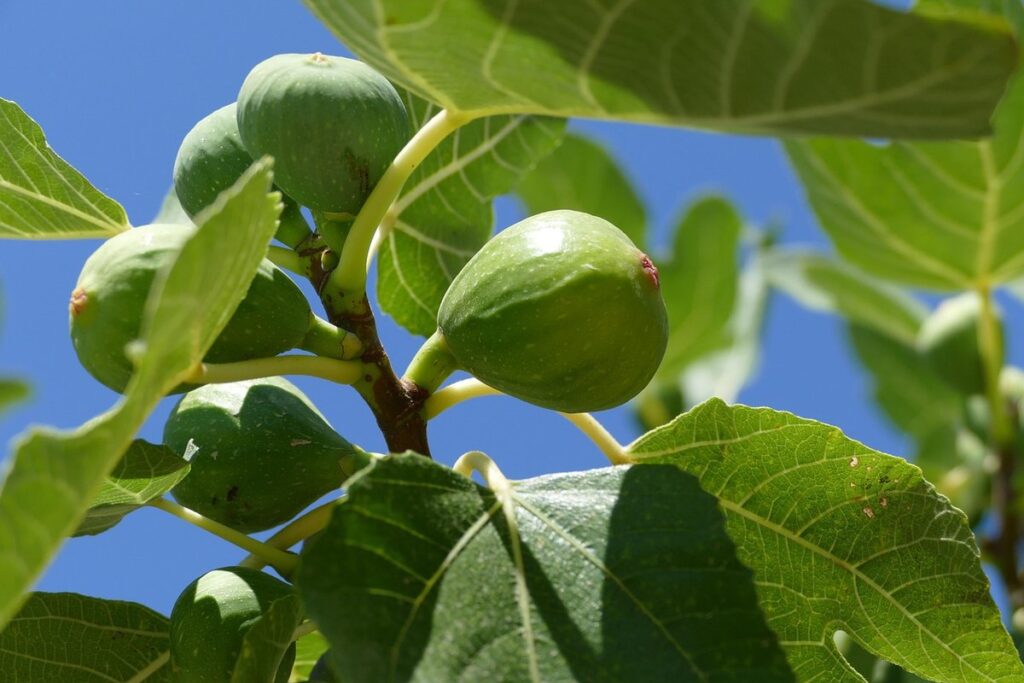
Choosing the Right Variety
When growing figs in containers, selecting the right variety is crucial for a bountiful harvest. Let’s explore some popular container-friendly options to get you started on your fig-growing journey.
Selecting Dwarf or Compact Fig Varieties
When selecting fig varieties for container growing, it’s essential to choose those specifically bred for this purpose. These compact varieties have growth habits that are perfectly suited for containers, producing bountiful harvests without the need for extensive pruning.
Some popular dwarf or compact fig varieties include ‘Brown Turkey’, ‘Violette de Bordeaux’, and ‘Petite Negri’. These cultivars typically grow to be between 6-10 feet tall, making them ideal for container gardens. They also produce high yields of delicious fruit, often exceeding those of their standard counterparts.
For example, ‘Brown Turkey’ is a reliable producer that thrives in containers, yielding two crops per year under optimal conditions. Its compact growth habit allows it to maintain a manageable size without sacrificing productivity. When choosing a fig variety for container growing, look for terms like “dwarf,” “compact,” or “container-friendly” on the label – these will give you an idea of their potential performance in smaller spaces.
Considering Climate and Hardiness Zones
When selecting a fig variety for container growing, it’s essential to consider your local climate and hardiness zone. Figs are generally sensitive to frost, so if you live in an area with frequent frosts, choose a variety that is tolerant of cold temperatures. For example, ‘Brown Turkey’ and ‘Black Jack’ are popular varieties that can withstand temperatures as low as 10°F (-12°C).
On the other hand, figs grown in warmer climates need to be protected from heat stress. Look for varieties with high heat tolerance, such as ‘Celeste’ or ‘Kadota’. If you live in an area with high humidity, choose a variety that is resistant to root rot, such as ‘Brown Turkey’.
When selecting a variety, also consider the amount of moisture it requires. Some figs prefer well-draining soil and full sun, while others thrive in partial shade and moist environments. Research the specific needs of your chosen variety and ensure that you can provide the right conditions for it to thrive in your container.
Remember, even with careful selection, containers may still be exposed to extreme temperatures or moisture levels. Be prepared to take extra precautions, such as moving containers indoors during harsh weather conditions.
Preparing Containers
Before you start planting, it’s essential to prepare your containers correctly. This includes selecting a suitable pot size and soil mix specifically designed for container-grown figs.
Selecting the Right Container Size and Material
When it comes to growing figs in containers, selecting the right container size and material is crucial for the tree’s growth and overall health. A container that is too small can lead to root bound conditions, while one that is too large can cause the soil to become waterlogged.
A general rule of thumb for container size is to provide at least 12-18 inches of root depth, depending on the variety of fig tree you’re growing. This allows the roots to grow and develop without becoming root-bound. A minimum width of 24-36 inches is also recommended to accommodate the spread of the tree’s canopy.
In terms of material, terracotta pots are a popular choice for container gardening, but they can dry out quickly, which may not be suitable for fig trees that prefer moist soil. Consider using plastic or ceramic containers with good drainage holes to prevent waterlogged soil.
When choosing a container, also consider its depth and whether it has a wide enough mouth to accommodate pruning and maintenance. A container with a built-in saucer or tray can help prevent water from spilling onto the floor and reduce mess.
Soils and Fertilizers for Fig Trees
When it comes to growing fig trees in containers, selecting the right potting mix and fertilizers is crucial for their health and productivity. A well-draining potting mix specifically designed for container-grown fig trees should be rich in organic matter, such as compost or worm castings, which help retain moisture but prevent waterlogged soil.
This type of potting mix also needs to have good aeration, allowing roots to breathe and absorb nutrients efficiently. You can make your own potting mix by combining ingredients like peat moss, perlite, and vermiculite in specific ratios. For example, a mix with 40% peat moss, 20% perlite, and 40% compost would provide excellent drainage and water retention.
When it comes to fertilizing fig trees, a balanced fertilizer (e.g., 10-10-10 NPK) is suitable for most growing seasons. However, during the spring and summer months when your tree is producing fruit, you may want to switch to a fertilizer with higher phosphorus content (e.g., 10-20-10 NPK), as this promotes fruiting.
Planting and Establishing
When planting a fig tree in a container, it’s essential to get it off to a strong start by selecting the right potting mix and giving it proper support during its early days. Next, we’ll cover the key steps for getting your tree established and thriving.
Planting a Fig Tree in a Container
When planting a fig tree in a container, it’s essential to choose a suitable potting mix that drains well and retains moisture. If you’re using a bare-root fig tree, trim the roots with sterile pruning tools to encourage healthy growth and prevent root bound conditions. Cut back about one-third of the longest roots to promote a balanced root system.
Next, gently place the fig tree in the container, making sure the graft union (if applicable) is above the soil level. Fill the pot with a well-draining mix, leaving enough space for watering. Water thoroughly after planting and maintain consistent moisture levels during the first few weeks.
To prevent waterlogged roots, ensure the container has adequate drainage holes. Consider using a self-watering planter or adding a layer of small rocks at the bottom to improve drainage. After settling the soil, provide your fig tree with a trellis or stake for support, as it will grow rapidly in its new environment.
Monitor your tree’s progress closely during the first few months, adjusting watering and fertilization schedules as needed. With proper care, your container-grown fig tree should thrive, producing delicious fruit within a year or two.
Providing Proper Support and Pruning
Providing proper support for young fig trees is crucial to ensure they grow upright and don’t become top-heavy. In a container setting, this can be achieved using trellises, stakes, or even tomato cages. For smaller varieties like ‘Brown Turkey’ or ‘Black Jack’, you can start by placing the tree in a sturdy pot with built-in support, such as a fig-specific planter. As your tree grows, gently tie its branches to the support system using soft ties or twine.
Pruning is another vital aspect of maintaining healthy and productive fig trees in containers. Prune your young tree to maintain an open center structure, which promotes air circulation and allows sunlight to reach all parts of the tree. Remove any weak or spindly growth, and encourage a strong, single leader by cutting back lateral branches. As your tree matures, focus on removing lower leaves that touch the soil to prevent root rot and promote fruiting. By providing adequate support and pruning regularly, you’ll be well on your way to enjoying a bountiful harvest of delicious homegrown figs in containers.
Ongoing Care and Maintenance
Now that you’ve successfully grown your fig tree, it’s essential to provide ongoing care to keep it thriving. This includes regular pruning, fertilizing, and protecting from pests and diseases.
Watering and Humidity Levels
Watering and humidity levels are crucial factors to consider when growing figs in containers. Since fig trees prefer well-draining soil, it’s essential to strike the right balance between watering and allowing the soil to dry slightly between waterings.
A general rule of thumb is to water your container-grown fig tree every 2-3 days during the first few months after planting. As the tree matures, you can gradually reduce watering frequency to once a week during the summer months when it’s actively growing. Be sure to check the soil moisture by inserting your finger into the soil up to the knuckle.
Monitor humidity levels in the surrounding area by placing the pot on a tray filled with water and pebbles or using a humidifier nearby. Aim for a relative humidity of 50-60%. Avoid overwatering, which can lead to root rot and other issues. Conversely, underwatering may cause leaf drop and reduced fruit production. Check your tree regularly for signs of drought stress, such as yellowing leaves, and adjust watering accordingly.
For example, if you live in a dry climate, you may need to water your fig tree every 2-3 days during the summer months.
Pest and Disease Management
As you continue to care for your container-grown fig tree, it’s essential to be aware of potential pests and diseases that can affect its health. One common issue is root bound, which can lead to a range of problems including reduced growth, yellowing leaves, and decreased fruit production.
To manage these issues, use integrated pest management (IPM) strategies that combine physical barriers, cultural controls, and biological controls. For example, you can cover the tree with fine-mesh netting or row covers to prevent pests like spider mites, mealybugs, and aphids from reaching it.
In terms of diseases, fig trees are susceptible to powdery mildew, root rot, and brown leaf spot. To combat these issues, practice good hygiene by regularly cleaning your container and pruning any infected areas. You can also use natural remedies like neem oil or insecticidal soap to control fungal growth and prevent the spread of disease.
Regular monitoring and prompt action are key to preventing pest and disease problems in container-grown fig trees.
Fruiting and Harvest
Now that your container-grown fig tree is thriving, it’s time to enjoy the fruits of your labor! This section will guide you through the process of harvesting your homegrown figs.
Understanding Fig Tree Ripening Times and Patterns
When it comes to growing figs in containers, understanding the ripening times and patterns of your tree is crucial. This knowledge will help you harvest your fruit at the perfect stage of ripeness, ensuring optimal flavor and texture.
Several factors influence the ripening time of fig trees, including temperature, humidity, and tree maturity. Generally, figs take around 4-6 months to ripen from flower pollination, but this timeframe can vary significantly depending on these environmental conditions. For example, a warm and humid climate can cause figs to ripen more quickly, while cooler temperatures may slow down the process.
To determine if your figs are ripe, look for a softening of the skin around the neck of the fruit, as well as a slight give when pressed gently. The color will also change from a deep green to a more yellow or purple hue, depending on the variety. Another key indicator is the sweet aroma that fills the air when your figs are ripe and ready for harvest.
Keep in mind that over-ripe figs can quickly turn from perfect to mushy, so it’s essential to monitor their ripening time closely. Regularly inspecting your tree will help you catch the optimal harvesting moment, ensuring you enjoy the best flavor and texture of your homegrown figs.
Tips for Maximizing Fruit Yield
When it comes to maximizing fruit yield from your container-grown figs, there are several key strategies to keep in mind. Thinning fruit is crucial for promoting optimal growth and ensuring a bountiful harvest. Remove excess fruits when they’re still small, typically within the first few weeks after pollination. This allows the remaining fruits to receive adequate resources, resulting in healthier and more robust growth.
Another critical aspect of promoting healthy fruiting conditions is controlling nutrient deficiencies. Figs require a balanced diet of nutrients, particularly potassium, magnesium, and calcium, which are essential for fruit development and ripening. Use a well-balanced fertilizer during the growing season, following the manufacturer’s instructions to avoid over-fertilization.
Common obstacles to a bountiful harvest include pests like aphids and spider mites, as well as nutrient deficiencies. Monitor your plants regularly for signs of stress or infestation, taking prompt action to address any issues before they spread. For instance, neem oil can be used to control pest populations, while adjusting the fertilizer schedule can help rectify nutrient imbalances.
In addition to these strategies, ensure that your container-grown figs receive adequate water and sunlight. Water them regularly during hot weather, aiming for about 1-2 gallons per week, depending on climate conditions. Position containers in full sun, ideally with morning sun exposure to prevent scorching. By incorporating these practices into your care routine, you can enjoy a bountiful harvest from your container-grown figs.
Frequently Asked Questions
Can I grow figs in a small container, like a hanging basket?
Yes, you can grow figs in a small container, but ensure it’s at least 14-16 inches deep to accommodate the tree’s root system. Dwarf or compact varieties are ideal for smaller spaces and will thrive in containers as long as they receive adequate light, water, and nutrients.
How often should I fertilize my potted fig tree?
Fertilize your potted fig tree regularly during the growing season (spring-fall) with a balanced, water-soluble fertilizer. Dilute the fertilizer to half the recommended strength to avoid burning the roots. Feed your tree every 2-3 weeks, and repot it annually in the spring with fresh potting mix and new soil.
Can I grow multiple fig trees in one large container?
Yes, you can grow multiple fig trees in a single large container, but ensure each tree has its own root system and receives adequate space for growth. Use a container that’s at least 2-3 times larger than the recommended size for individual plants, and plant them about 12-18 inches apart to allow for proper air circulation.
How do I prevent pests like spider mites and mealybugs from infesting my potted fig tree?
To prevent pests, inspect your tree regularly for signs of infestation. Use neem oil or insecticidal soap as a preventative measure, spraying the leaves and stems every 7-10 days during peak pest season (summer). Additionally, maintain good air circulation around the tree and keep the container clean by removing any debris.
Can I bring my potted fig tree indoors for the winter?
Yes, you can bring your potted fig tree indoors for the winter to protect it from harsh weather conditions. Before moving the tree inside, prune it back to about 2-3 feet tall to prevent it from growing too large for indoor spaces. Place the tree in a bright, south-facing window and maintain a consistent temperature between 40°F-60°F (4°C-15°C) during the winter months.