
If you’re looking to add some fresh flavor to your outdoor cooking, growing chives in your garden is a great place to start. Not only are they a low-maintenance addition to any herb garden, but they’re also incredibly easy to care for and can be harvested all season long. But where do you even begin? Choosing the right location and soil type can make all the difference when it comes to growing healthy chives outdoors.
In this article, we’ll walk you through the steps of how to grow chives in your outdoor garden, from selecting a sunny spot with well-draining soil to knowing when to harvest at the peak flavor. Whether you’re a seasoned gardener or just starting out, our expert tips and tricks will have you enjoying fresh homegrown chives in no time. By the end of this guide, you’ll be a pro at growing these versatile herbs right in your own backyard!
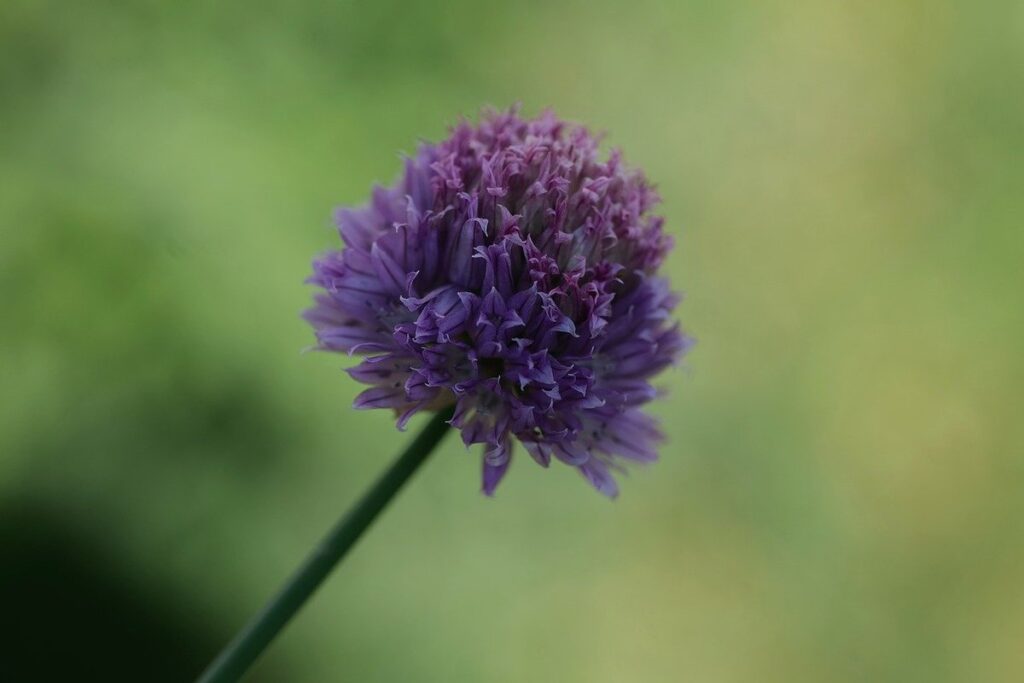
Choosing the Right Location
When growing chives outdoors, selecting a suitable location is crucial for their health and productivity. Choose a spot that receives partial shade to full sun and has well-draining soil.
Understanding Sunlight Requirements
Chives need full sun to partial shade to thrive outdoors. When it comes to sunlight requirements, most chive varieties require at least 6 hours of direct sunlight per day. This means that a south-facing spot is ideal for growing chives, as the sun’s rays will be strongest throughout the day.
However, if your garden receives more than 8 hours of direct sunlight, you may need to provide some shade for your chives during the hottest part of the day. This can be achieved by planting other taller vegetables or flowers around the base of the chive plants or using a trellis to create dappled shade.
To assess your garden’s sunlight conditions, observe how different areas receive direct sunlight at various times of day. Take note of any shadows cast by trees, buildings, or other structures that may impact the amount of sunlight reaching your chives. Consider installing a sun chart in your garden to help visualize your yard’s sunlight patterns and plan accordingly.
Keep in mind that some chive varieties are more tolerant of shade than others. If you’re unsure about the specific sunlight needs of your chive variety, consult with local gardening experts or check the plant label for guidance.
Soil Selection and Preparation
When it comes to growing chives outdoors, selecting and preparing the right soil is crucial for their optimal growth. Chives are adaptable to a wide range of soils, but they thrive best in well-draining, fertile conditions.
In terms of ideal soil type, chives prefer a slightly acidic to neutral pH (around 6.0-7.0), which falls within the typical range for most garden soils. However, it’s essential to check your local soil’s pH level and adjust accordingly. For this reason, you may need to add lime or sulfur depending on your region.
To prepare the soil, start by loosening it to a depth of about 8-10 inches using a garden fork or spade. This will help improve drainage, aeration, and root penetration. If your soil is heavy clay or sandy, mix in some organic matter such as compost or well-rotted manure to enhance its structure.
Add a balanced fertilizer according to the manufacturer’s instructions to provide essential nutrients for healthy growth. Finally, rake the soil to create a smooth surface, and you’re ready to plant your chive seeds or seedlings.
Planting Chive Seeds or Bulbs
When it comes to planting chives, you can either start with seeds or established bulbs – let’s dive into the details of each option.
Sowing Chive Seeds Directly in the Garden
When sowing chive seeds directly into the garden, it’s essential to follow some basic guidelines to ensure successful germination and healthy growth. Start by selecting a spot with well-draining soil and full sun to partial shade, as chives prefer these conditions.
To sow the seeds, begin by preparing the soil by loosening it to a depth of about 6-8 inches. This will help the seeds to penetrate evenly and establish a strong root system. Next, spread the chive seeds thinly over the surface, about 1/4 inch apart. You can sow them in rows or broadcast them randomly – either method works well.
For optimal growth, space the rows 12-18 inches apart, allowing for easy access and air circulation. Water the soil gently but thoroughly after sowing, keeping it consistently moist during the germination period, which typically takes around 7-10 days. Be patient, as chive seeds can be slow to germinate, but with proper care, you’ll soon see them sprouting into healthy green plants.
Planting Chive Bulbs
When planting chive bulbs outdoors, it’s essential to choose the right time of year. In most regions, spring is an ideal time for planting, around 4-6 weeks before the last frost date. This allows the chives to establish themselves before summer heat sets in.
To plant chive bulbs, dig a shallow trench about 1 inch deep and slightly wider than the bulb. Gently place the bulb in the center of the trench, making sure the base of the stem is facing upwards. Cover with soil, firming it gently around the roots to prevent air pockets. Water thoroughly after planting.
Chive bulbs prefer well-draining soil and full sun to partial shade. They require minimal care, but regular watering will keep them happy. Fertilize lightly in spring when new growth appears, using a balanced fertilizer to promote healthy foliage. Avoid over-fertilizing, as this can lead to weak or leggy growth.
By following these simple steps and providing the right conditions, you’ll be harvesting fresh chives in no time!
Caring for Your Outdoor Chives
Now that you’ve got your chive plant thriving, it’s time to learn how to keep it happy and healthy outside year-round. We’ll cover essential tips on caring for your outdoor chives.
Watering and Mulching Strategies
When it comes to growing chives outdoors, proper watering and mulching techniques are essential for promoting healthy growth and preventing pests. Overwatering is a common mistake that can lead to root rot and other issues, so it’s crucial to strike the right balance.
To determine if your chives need water, simply stick your finger into the soil up to the knuckle. If the soil feels dry, it’s time to water. Water thoroughly but avoid getting leaves wet to prevent fungal diseases. Mulching is another key strategy for keeping your chives healthy. Use a 2-3 inch layer of organic mulch such as straw or bark chips around the base of your plants.
Mulch helps retain moisture in the soil, suppresses weeds that compete with your chives for water and nutrients, and even regulates soil temperature. Aim to reapply mulch regularly to maintain its effectiveness. By implementing these watering and mulching strategies, you’ll be well on your way to growing robust and pest-free chives in your outdoor garden. Remember to keep an eye out for signs of overwatering or nutrient deficiencies, adjusting your techniques as needed to ensure optimal growth.
Fertilization and Pruning
To keep your chive plants thriving and producing plenty of fresh herbs, it’s essential to fertilize them regularly. Chives are heavy feeders, which means they require a balanced diet of nutrients to grow well. Use a slow-release fertilizer in early spring when new growth begins, and again after harvesting. This will provide a steady supply of nitrogen, phosphorus, and potassium that your chives need.
Pruning is also crucial for maintaining the shape of your chive plants and encouraging new growth. Remove any dead or damaged leaves to prevent the spread of disease and encourage healthy growth. Cut back the stems by about one-third after flowering, as this will help redirect energy towards leaf production. Use sharp scissors or pruning shears to avoid damaging the delicate foliage. For a neat appearance, trim the chives regularly, keeping them about 6-8 inches tall. This will also help control their spread and prevent overcrowding.
Pests, Diseases, and Common Issues
Chives can be prone to certain problems when grown outdoors, including pests that love their delicate flavor. We’ll cover common issues to watch out for in this section.
Identifying and Managing Common Chive Pests
As you nurture your chive plants outdoors, it’s essential to be aware of common pests that can wreak havoc on their health. Keep an eye out for tiny, soft-bodied aphids that feed on the plant’s sap, causing curled or distorted leaves. These pesky insects reproduce rapidly, so monitor your plants closely.
Spider mites are another common chive pest, recognizable by fine webbing and a fine powder on the underside of leaves. To manage these pests, practice integrated pest management (IPM). Start with physical removal – gently spray off aphids or spider mites from the plant using water. Next, introduce beneficial insects like ladybugs or lacewings that prey on these pests.
Additionally, maintain good garden hygiene by removing weeds and debris, which can harbor pests. Regularly inspect your plants for signs of infestation, such as sticky honeydew droplets or tiny eggs. Use neem oil or insecticidal soap to treat infestations if necessary. By being proactive and taking a holistic approach to pest management, you’ll be able to enjoy a thriving chive garden all season long.
Recognizing and Treating Chive Diseases
Chive diseases can be a significant threat to your outdoor chive garden. One of the most common issues is powdery mildew, a fungal disease that appears as a white, powdery coating on leaves. This can be caused by excessive moisture, poor air circulation, and high temperatures. To treat powdery mildew, remove any infected plants immediately to prevent further spread. Improve air circulation around your chive plants by pruning nearby vegetation or providing support for tall varieties.
Another common issue is root rot, often caused by overwatering or waterlogged soil. This can lead to yellowing leaves and a decline in plant growth. To avoid this problem, make sure not to waterlog the soil, and ensure good drainage around your chive plants. Regularly inspect the roots of your chives for signs of decay, and repot them if necessary.
To prevent disease in your outdoor chive garden, adopt good hygiene practices such as disinfecting tools between uses, rotating crops to avoid depleting the soil’s nutrients, and maintaining a balanced fertilization routine.
Harvesting Your Outdoor Chives
Now that you’ve cultivated a lush crop of chives, it’s time to reap what you’ve sown by harvesting them at just the right moment for optimal flavor. We’ll guide you through this process in the next section.
Timing and Techniques for Optimal Harvests
Determine when chives are ready for harvest by looking for signs of maturity. Chive flowers will begin to bloom, and the leaves will start to yellow and soften. This is usually around 60-90 days after sowing, depending on weather conditions and your specific variety.
When harvesting chives, it’s essential to use techniques that minimize damage to the plant. Start by gently cutting off the flower heads with scissors or pinch them off by hand. This will encourage the plant to focus its energy on producing more leaves.
To harvest individual leaves, cut them off at the base of the stem using a sharp knife or pair of scissors. Make clean cuts just above a node (where the leaf meets the stem), as this will help prevent damage and promote regrowth.
Avoid pulling the entire plant out of the ground when harvesting, as this can cause root damage. Instead, take what you need and leave the rest to continue growing. Regular harvesting will also encourage your chives to produce more leaves and flowers throughout the season.
Preserving Chives for Year-Round Use
Preserving chives is an excellent way to enjoy their flavor and aroma throughout the year. You can dry them by tying the stems in small bunches and hanging them upside down in a warm, dry place. This method helps preserve their delicate flavor and aroma. Alternatively, you can freeze them by chopping the leaves finely and placing them in an airtight container or freezer bag.
Freezing is a great way to retain chives’ vibrant color and nutritional value. Simply chop the leaves, spread them on a baking sheet, and place it in the freezer until they’re frozen solid. Then, transfer them to an airtight container or bag for later use. You can also make chive butter by blending chopped chives with softened butter and freezing it in ice cube trays.
When using preserved chives, keep in mind that their flavor and aroma will be more subtle than fresh chives. However, they’re perfect for adding depth to soups, stews, and sauces. You can also use them as a garnish or add them to herb butters and marinades for added flavor. Experiment with different recipes to find your favorite ways to incorporate preserved chives into your cooking.
Frequently Asked Questions
Can I grow chives indoors as well?
Yes, you can definitely grow chives indoors if you don’t have outdoor space or want to have a constant supply of fresh herbs throughout the year. Just make sure to provide them with sufficient light (at least 4 hours of direct sunlight) and maintain a consistent temperature between 60-70°F (15-21°C). Use a well-draining potting mix and water carefully, as indoor chives can be prone to overwatering.
How often should I harvest my outdoor chives?
To encourage continuous growth and prevent the plant from flowering, it’s best to harvest your chives regularly. Pinch off individual leaves or stems as needed, or cut back the entire plant to about 1 inch above the ground every 7-10 days during the growing season.
Can I grow multiple varieties of chives together?
Yes, you can definitely grow multiple varieties of chives together in the same bed, but make sure they have enough space to grow without overcrowding. Some popular combinations include pairing garlic chives with onion chives or planting sweet chives alongside wild chives. Keep in mind that different varieties may have varying sunlight and soil requirements.
How do I protect my outdoor chives from pests?
Common pests like aphids, slugs, and snails can be a nuisance for outdoor chives. To prevent infestations, use physical barriers like fine mesh or copper tape around the plants, or introduce beneficial insects like ladybugs or lacewings to your garden. Regularly inspect your plants and remove any infected leaves or stems to prevent the problem from spreading.
Can I freeze-dry or dehydrate chives for long-term storage?
Yes, you can preserve chives through various methods like freezing, drying, or dehydrating to enjoy them throughout the year. Simply chop the leaves, spread them out on a baking sheet, and dry in a low-temperature oven (150°F – 200°F) for several hours, or use a food dehydrator according to manufacturer’s instructions. Store the dried chives in airtight containers to maintain their flavor and aroma.