
If you’re an herb enthusiast or a seasoned gardener looking to add some fresh flavor to your dishes, growing oregano outdoors is a great place to start. Not only is oregano a versatile and aromatic herb, but it’s also surprisingly easy to cultivate in the right conditions. However, knowing where to plant it, how to prepare the soil, and what care techniques to employ can make all the difference between a healthy, thriving herb plant and one that struggles to survive.
In this comprehensive guide, we’ll walk you through everything you need to know about growing oregano outdoors, from ideal locations and soil preparation to planting and maintenance tips. By following our expert advice, you’ll be well on your way to harvesting fresh oregano right in your own garden, perfect for adding flavor to pizzas, pasta dishes, and so much more.
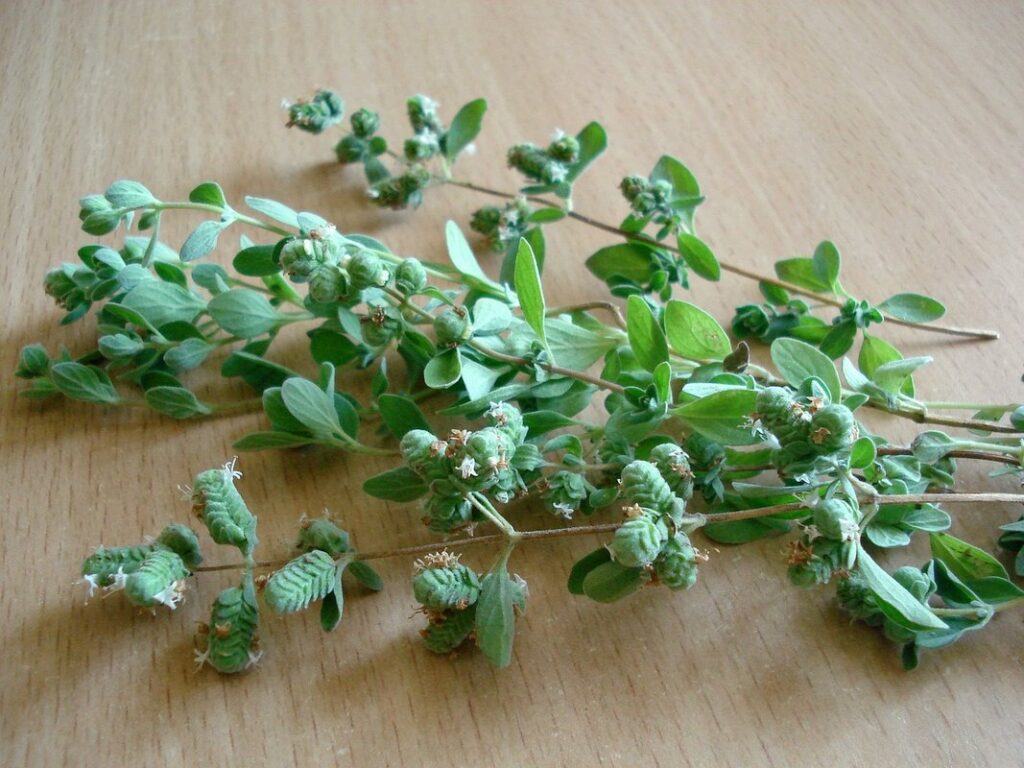
Choosing the Right Location and Climate
When it comes to growing oregano outdoors, selecting a suitable location is crucial. You’ll want to choose an area that provides the right balance of sunlight, temperature, and soil conditions for your plants.
Understanding Oregano’s Temperature Requirements
When it comes to growing oregano outdoors, temperature plays a crucial role in its success. Oregano requires a warm climate to thrive, and the ideal temperature range for growth is between 65°F to 75°F (18°C to 24°C). If you’re planning to grow oregano in an area with frequent frosts or extreme heatwaves, it’s essential to consider providing protection for your plants.
During the day, temperatures within this range allow for optimal photosynthesis and nutrient uptake. However, if the temperature exceeds 85°F (29°C), oregano may become scorched and stressed. Conversely, if temperatures drop below 55°F (13°C), growth will slow down significantly. As a general rule of thumb, aim to provide your oregano with at least six hours of direct sunlight per day and maintain a consistent temperature above 65°F (18°C).
To give you a better idea, here are some specific examples of ideal climates for growing oregano: the Mediterranean region, California, and parts of Australia offer perfect conditions. If you’re growing in cooler regions, consider providing supplemental heat or using row covers to protect your plants from frost damage.
Selecting a Sunny Spot with Proper Drainage
When it comes to growing oregano outdoors, selecting the right location is crucial for its success. As a low-maintenance herb, oregano requires full sun to partial shade, but what’s equally important is proper drainage. Oregano doesn’t like wet feet, and poor drainage can lead to root rot, which can be detrimental to your plant.
When choosing a spot for your oregano, look for an area that receives at least six hours of direct sunlight a day. This will ensure the plant produces plenty of leaves and maintains its flavor. However, if you live in a hot climate or have very dry soil, provide some afternoon shade to prevent scorching.
In addition to sunlight, drainage is also essential. Oregano prefers well-draining soil that’s rich in organic matter. If your garden has heavy clay or sandy soil, consider amending it with compost to improve its structure and water-holding capacity. Make sure the area drains water quickly and doesn’t collect moisture, which can cause roots to rot.
Preparing the Soil for Oregano Growth
Before planting oregano, it’s essential to prepare your soil properly by loosening and aerating it to ensure healthy root development. This will also help prevent any potential issues down the line.
Testing Your Soil pH and Nutrient Levels
Soil testing is a crucial step in preparing your soil for oregano growth. It’s essential to determine your soil’s pH and nutrient levels to ensure that they are suitable for oregano cultivation. If your soil lacks the right nutrients, it can lead to stunted or slow growth, making it difficult for your oregano plants to thrive.
To collect a soil sample, dig about 6-8 inches into the ground in multiple spots around your garden bed. Mix the samples together and take a small portion of the mixture to send off for testing. You can purchase a DIY soil testing kit or have your local nursery or extension office analyze the sample for you.
Oregano is particularly susceptible to nutrient deficiencies, especially nitrogen and magnesium. A lack of these essential nutrients can cause oregano plants to exhibit yellowing leaves, slow growth, or even dieback. Be sure to test your soil regularly, especially if you’re new to growing oregano outdoors. By identifying any potential issues early on, you can take corrective action and create a more favorable environment for your oregano plants to grow and flourish.
Amending Your Soil with Organic Matter
Adding compost or well-rotted manure to your soil is one of the most effective ways to create a fertile and healthy growing environment for oregano. This organic matter not only improves soil structure, but it also enhances its fertility, allowing your oregano plants to thrive.
When you add compost or well-rotted manure to your soil, it creates a sponge-like effect that allows water to penetrate deeper into the soil profile. This means that your oregano roots will be able to access more moisture, reducing the need for frequent watering and making your plants more resilient to drought.
In addition to improving soil structure and fertility, compost or well-rotted manure also adds essential nutrients that oregano needs to grow. These include nitrogen, phosphorus, potassium, as well as micronutrients like iron and zinc. By incorporating these nutrient-rich materials into your soil, you’ll be providing your oregano with a solid foundation for healthy growth.
To reap the benefits of compost or well-rotted manure, mix 2-4 inches of it into the top 6-8 inches of soil before planting your oregano. You can also use it as a mulch around established plants to retain moisture and suppress weeds.
Planting Oregano from Seeds or Cuttings
If you’ve obtained oregano seeds or cuttings, it’s essential to learn how to plant them correctly to ensure healthy growth and a thriving herb garden. Let’s explore the best methods for planting oregano from seeds or cuttings.
Sowing Oregano Seeds Indoors or Outdoors
To give your oregano plants a head start on the growing season, you can sow seeds indoors 4-6 weeks before the last frost date. This approach allows you to get a jumpstart on the growth cycle and ensures that your seedlings are ready for transplanting outside when the weather warms up.
Begin by filling a seed starting tray or small pots with a well-draining seed starting mix. Sow one oregano seed per cell or pot, about 1/4 inch deep. Keep the soil consistently moist but not waterlogged, as this can lead to fungal diseases and poor germination rates. Provide indirect light for the seeds, such as placing them near an east-facing window.
Once the seeds have germinated (this should take around 7-10 days), you can gradually move them to a sunny location with temperatures between 65-75°F (18-24°C). Harden off the seedlings by reducing the frequency of watering and exposing them to outdoor conditions over the course of 7-10 days.
Taking and Propagating Oregano Cuttings
To propagate oregano using stem cuttings is a great way to share the bounty with friends and family or to start new plants for your garden. Taking cuttings from mature oregano plants allows you to capture their established root system, ensuring that the new plants will thrive quickly.
To take stem cuttings, select healthy stems with plenty of leaves from mature oregano plants. Cut 4-6 inch sections from these stems using sharp, sterile scissors or pruning shears. Remove lower leaves, leaving only a few at the top to prevent water loss and promote rooting. Prepare a pot filled with well-draining seed starting mix, and gently plant the cutting about an inch deep into it.
To increase the chances of successful propagation, provide optimal growing conditions for your cuttings, such as bright indirect light and warm temperatures (around 70-80°F). Water carefully, making sure not to overwater. Roots should start to develop within 2-3 weeks, at which point you can transplant the new plants into individual pots or directly into the garden.
Caring for Your Oregano Plant
To keep your oregano plant thriving, it’s essential to provide regular maintenance, including watering, pruning, and fertilizing techniques that promote healthy growth.
Watering and Irrigation Techniques
Maintaining consistent moisture levels is crucial for oregano’s survival, especially during hot weather when it can dry out quickly. Watering should be done thoroughly, allowing the top 1-2 inches of soil to feel moist to the touch. However, overwatering can lead to root rot and other issues.
When it comes to irrigation methods, there are a few options you can consider for oregano care:
* Drip irrigation: This method delivers water directly to the roots, reducing evaporation and runoff. It’s an efficient way to provide your oregano with consistent moisture levels.
* Soaker hoses: These flexible hoses release water slowly as they’re stretched out among the plants. They’re a great option for large areas or multiple plants.
* Watering cans: This classic method is suitable for small pots or containers, allowing you to control the amount of water applied directly.
It’s essential to monitor your oregano plant’s moisture levels regularly and adjust your watering schedule accordingly. Check the soil daily during hot weather to prevent under or overwatering.
Fertilizing and Pruning for Optimal Growth
Regular fertilization and pruning are essential for maintaining the health and promoting optimal growth of your oregano plant. Fertilizing provides the necessary nutrients that your oregano plant needs to thrive. A balanced fertilizer, rich in nitrogen, phosphorus, and potassium (NPK), should be applied during the growing season, which typically lasts from spring to summer.
For example, a 10-10-10 NPK ratio fertilizer is suitable for oregano plants. You can apply it once a month, following the manufacturer’s instructions. Also, make sure to water your plant thoroughly after fertilizing to prevent burning of the roots.
Pruning is equally important as fertilization. Regular pruning encourages bushy growth and prevents legginess in oregano plants. Pinch off the tips of the stems, or trim back the plant by one-third, once a month during the growing season. This will encourage new growth and prevent the plant from flowering prematurely.
Common Pests and Diseases Affecting Oregano
Oregano plants are susceptible to several pests and diseases that can impact their growth and yield, such as aphids, spider mites, and root rot. Understanding these threats will help you take preventative measures.
Identifying and Managing Common Pests
When growing oregano outdoors, it’s essential to be aware of common pests that can target this herb. Among the most common culprits are aphids and spider mites. These tiny insects feed on plant sap, causing curled or distorted leaves, stunted growth, and reduced yields.
Aphids are soft-bodied insects with piercing-sucking mouthparts that inject a toxic substance into the plant’s tissues. They can multiply quickly, spreading disease and weakening the plant’s defenses. Spider mites, on the other hand, spin fine webs on the underside of leaves and feed on sap, causing yellowing or bronzing.
To manage these pests, practice integrated pest management (IPM). This approach involves using a combination of techniques to minimize chemical use and promote ecological balance. Start by inspecting your plants regularly for early signs of infestation. Use neem oil or insecticidal soap to control aphid populations. For spider mites, increase humidity and provide adequate air circulation. Encourage beneficial insects like ladybugs and lacewings, which feed on pests naturally.
Recognizing and Treating Fungal Diseases
Fungal diseases are a common threat to oregano plants grown outdoors. These diseases can be devastating if left untreated, causing significant damage to the plant’s roots and leaves. Root rot and powdery mildew are two of the most prevalent fungal diseases affecting oregano.
Root rot occurs when the soil is waterlogged, allowing fungi to grow on the roots. This can be caused by overwatering or poor drainage in your garden bed. To prevent root rot, ensure that your oregano plants are not too close together and that the soil drains well. Avoid watering your oregano in the evening, as this can encourage moisture to sit on the leaves overnight.
To treat fungal diseases, remove any infected leaves or stems to prevent the spread of the disease. Improve air circulation around your oregano plants by pruning nearby foliage. Apply a fungicide specifically designed for garden use, following the manufacturer’s instructions carefully. Monitor your plants regularly for signs of fungal disease and take action at the first sign of infection.
Maintain good hygiene in your garden to prevent the spread of diseases. Avoid overwatering and ensure that your oregano plants have adequate space to grow. By taking these steps, you can protect your oregano from common fungal diseases like root rot and powdery mildew.
Harvesting and Preserving Oregano
Now that you’ve learned how to grow oregano, let’s dive into harvesting it at its peak flavor and then preserving it for use throughout the year. We’ll cover techniques for drying, freezing, and storing fresh oregano.
Timing and Techniques for Fresh Herb Harvesting
When it comes to harvesting fresh oregano leaves for optimal flavor and aroma, timing is everything. To ensure you’re getting the best out of your oregano plant, consider the following factors: the time of day, the stage of maturity, and the weather conditions.
For optimal flavor, harvest your oregano leaves in the morning, after the dew has dried but before the heat of the day sets in. This allows for maximum essential oil production, which contributes to the herb’s signature aroma. As a general rule, wait until the leaves are at least 50% of their full size and have reached the desired color – for oregano, this is typically a light green or purple hue.
Avoid harvesting your oregano in the heat of the day or when it’s exposed to direct sunlight, as this can cause wilting and reduce its potency. Instead, take advantage of cooler temperatures and overcast skies, when possible. When you do harvest, use scissors or pinch off individual leaves at the base to avoid damaging the plant’s stem and promote new growth.
Drying and Storing Oregano for Long-Term Use
To enjoy the fresh flavor of oregano year-round, it’s essential to learn how to dry and store it properly. Drying oregano is a simple process that helps preserve its potency and aroma. There are several methods you can use, including air-drying, oven-drying, and freezing.
Air-drying is one of the most natural methods for drying oregano. Simply tie the stems in small bunches and hang them upside down in a warm, dry place with good airflow. This method takes around 1-2 weeks to complete, depending on the humidity level. Oven-drying is another efficient method that involves preheating your oven to its lowest temperature setting (usually around 150°F) and placing the oregano on a baking sheet. The oven will gently dry out the leaves within 1-2 hours.
Freezing oregano is also an excellent option, especially if you want to preserve its flavor and aroma without losing any of its nutritional value. To freeze oregano, simply chop it finely and place it in an airtight container or freezer bag. Frozen oregano can be used as a spice or added to soups and stews for extra flavor.
Regardless of the drying method you choose, it’s crucial to store dried oregano properly to maintain its quality. Place the dried leaves in an airtight container, such as a glass jar with a tight-fitting lid, and keep them in a cool, dark place like your pantry or cupboard. This will help preserve the oregano for up to 6 months.
Frequently Asked Questions
Can I grow oregano outdoors year-round, regardless of the climate?
Yes, if you live in an area with a mild winter, you can grow oregano outdoors year-round. However, in areas with extreme temperatures or frosts, it’s best to bring potted oregano plants indoors during winter months or use containers that can be moved under cover.
How often should I water my outdoor oregano plants?
Oregano requires well-draining soil and moderate watering. Water your plants when the top 1-2 inches of soil feels dry to the touch, usually every 7-10 days during hot weather. Avoid overwatering, which can lead to root rot.
Can I use companion planting to repel pests that affect oregano?
Yes, certain herbs like mint and basil can help deter pests that target oregano, such as aphids and whiteflies. Plant these companions around the perimeter of your oregano bed or nearby containers to create a pest-repellent barrier.
How do I know if my soil pH is suitable for growing oregano?
Oregano prefers slightly acidic to neutral soil with a pH between 6.0-7.0. Test your soil using a DIY kit or send a sample to a lab for analysis. Based on the results, amend your soil with organic matter like compost or lime to achieve the ideal pH.
Can I propagate oregano from cuttings in any season?
While oregano can be propagated year-round, it’s most successful during spring and summer when the plant is actively growing. Take 3-4 inch stem cuttings in the morning, remove lower leaves, and plant them in a pot filled with moistened soil. Keep the soil consistently moist until roots develop.