
Growing your own herbs can be a game-changer for home cooks, and one of the most versatile and easy-to-grow options is dill. Whether you’re looking to add fresh flavor to pickling projects or simply want a fragrant addition to your garden, learning how to grow dill in pots is a great place to start. But let’s face it: growing herbs can be intimidating if you don’t know where to begin. That’s why we’ve put together this comprehensive guide on how to successfully grow dill in pots. From selecting the right variety for container gardening to preparing your soil and sowing seeds, we’ll cover everything you need to know to get started. With our expert tips and tricks, you’ll be enjoying fresh dill from your very own pot in no time!
Choosing the Right Variety and Pot Size
When growing dill in pots, selecting the right variety and pot size is crucial to ensure your plants thrive. Let’s explore these essential factors together.
Selecting a Dill Variety Suitable for Container Gardening
When it comes to growing dill in pots, selecting the right variety is crucial. With numerous types of dill available, you may be wondering which ones are best suited for container gardening.
Some popular varieties of dill that thrive in containers include ‘Fernleaf’, ‘Mammoth’, and ‘Dukat’. These compact plants grow to be around 12-18 inches tall, making them perfect for smaller pots. They also produce plenty of leaves and seeds, ensuring you have a constant supply of fresh dill.
The ‘Bouquet’ variety is another excellent choice for container gardening. It grows slightly taller than the others, reaching up to 24 inches, but its compact growth habit makes it ideal for larger containers or trellises.
When selecting a dill variety, consider factors such as plant height, leaf size, and growth habit. Some dills can grow quite tall, while others remain short and bushy. Choose a variety that suits your available space and pot size to ensure the best results.
In addition to these varieties, also look for compact or dwarf varieties like ‘Compacta’ or ‘Tiny’. These smaller plants are specifically bred for container growing and require minimal support.
Keep in mind that most dill varieties can be grown from seed, so don’t hesitate to start with a packet of seeds. With the right variety and proper care, you’ll be enjoying fresh homegrown dill in no time.
Considering the Right Pot Size and Depth
When growing dill in pots, it’s essential to consider the right pot size and depth for optimal growth. Dill plants require a deep root system to thrive, so you’ll want to choose a container that provides enough soil volume to accommodate their extensive taproot.
A general rule of thumb is to select a pot that is at least 6-8 inches deep. This will give the roots ample room to grow without becoming waterlogged or confined. For smaller varieties, a shallower pot may work, but for larger ones, you’ll want to opt for a deeper container to prevent the plant from toppling over.
When selecting a pot, also consider its diameter. A wider pot with a slightly smaller depth can be just as effective as a deeper pot with a narrower width. Just ensure that the soil volume is sufficient to support the roots of your dill plant. Remember that overcrowding can lead to reduced growth and increased disease susceptibility, so choose a pot size that allows for healthy root development.
Preparing the Soil and Container
Before you start sowing dill seeds, let’s get your pot ready for success by preparing the soil and container to provide a healthy environment for your herb to thrive in.
Understanding Dill’s Soil Preferences
Dill thrives in well-draining soil with specific pH levels and nutrient needs. When it comes to growing dill in pots, you’ll want to choose a potting mix that mimics its natural habitat. Aim for a slightly acidic to neutral soil pH between 6.0 and 7.0. Dill can tolerate some alkalinity, but prolonged exposure to high pH levels can lead to nutrient deficiencies.
To ensure your dill gets the necessary nutrients, look for a balanced potting mix that contains essential macro and micronutrients. These may include nitrogen, phosphorus, potassium, iron, magnesium, sulfur, and boron. Avoid mixes with high salt content or heavy metals, as these can damage roots and hinder growth.
In terms of soil texture, dill prefers a slightly sandy to loamy consistency. This allows for optimal water penetration while preventing waterlogged conditions that can lead to root rot. If your potting mix is too dense or compacted, gently aerate it by adding perlite or vermiculite to improve drainage and prevent nutrient deficiencies.
Mixing a Balanced Potting Mix for Dill
When it comes to growing dill in pots, selecting the right potting mix is crucial for optimal growth and health. Dill prefers well-draining soil that’s rich in organic matter, which helps retain moisture and suppress diseases. To create a balanced potting mix for dill, you’ll want to focus on a combination of peat moss or coconut coir, vermiculite or perlite, and a fertilizer-rich compost.
For every 10 gallons of potting mix, use 2-3 cups of compost that’s high in nitrogen, phosphorus, and potassium. You can also add a balanced fertilizer like 5-5-5 NPK to promote healthy growth. Avoid using regular garden soil as it can compact and prevent proper drainage.
Some popular pre-mixed potting mixes specifically designed for herbs, like Miracle-Gro or Pro-Mix, can be used for dill too. Just ensure they’re free of weed killers and other chemicals that might harm your plants. By mixing a well-balanced potting mix, you’ll set the stage for healthy roots, robust growth, and an abundance of fresh dill leaves in your container garden.
Sowing Dill Seeds in Pots
When growing dill in pots, sowing seeds directly into containers is a popular and rewarding method that requires some careful planning to ensure success. Let’s dive into the steps for doing it right.
When to Sow Dill Seeds for Optimal Growth
When it comes to sowing dill seeds for optimal growth, timing is everything. The ideal time to sow dill seeds in pots depends on your climate and region. In general, dill prefers cooler temperatures and can be direct-sown as soon as the soil can be worked in early spring or late summer/early fall.
In warmer climates (USDA zones 9-11), you can sow dill seeds from February to April or September to November. For areas with mild winters (USDA zones 8a-8b), sowing can begin as early as January or December. In cooler regions (USDA zones 3-7), wait until the soil has warmed up in late spring, around May or June.
If you’re unsure about the specific date for your area, observe the weather patterns and sow dill seeds when the soil temperature reaches at least 60°F (15°C). Keep in mind that dill is a warm-season crop and can bolt if exposed to extreme heat. Sowing seeds too early can lead to bolting, so be patient and wait until the right time.
In areas with short growing seasons, start dill seeds indoors 2-3 weeks before transplanting them outside when the danger of frost has passed. This will give your plants a head start on the season.
How to Sow Dill Seeds Correctly for Maximum Success
Sowing dill seeds correctly is crucial to ensure maximum success. When sowing dill seeds in pots, it’s essential to follow these simple steps. Start by filling a pot with well-draining seed starting mix, leaving about 1-2 inches of space at the top for watering. Sow the seeds about ¼ inch deep and 1-2 inches apart, depending on the variety you’re growing.
Keep in mind that dill seeds are tiny, so make sure to handle them gently to avoid damaging them. You can also sow multiple seeds per pot and thin them out later once they’ve germinated. Water the soil gently but thoroughly after sowing the seeds, making sure not to wash away the delicate seedlings.
Keep the pot in a warm location with indirect sunlight until the seeds germinate, usually within 7-10 days. Once the seedlings have two sets of leaves, you can transplant them into individual pots or continue to grow them together in one container.
Caring for Your Dill Plants
To keep your dill plants thriving, you’ll want to pay close attention to their watering and fertilization needs, as well as provide support for tall varieties. Proper care will lead to a bountiful harvest of fresh herbs.
Watering and Irrigation Strategies for Potted Dill
Proper watering is essential for potted dill plants to thrive. Overwatering can lead to root rot, while underwatering can cause the leaves to turn yellow and drop. To determine if your potted dill needs water, check the soil moisture by sticking your finger into the soil up to the first knuckle. If the soil feels dry, it’s time to water.
Water your potted dill when the top 1-2 inches of soil feel dry to the touch. Avoid getting water on the leaves to prevent fungal diseases from developing. Instead, water at the base of the plant, allowing the roots to absorb the moisture.
Check the soil moisture every 2-3 days during hot weather or when your potted dill is in a bright location. In cooler temperatures or lower light conditions, you may only need to water once a week. Remember that the frequency of watering will depend on the size of your pot and the type of potting mix used.
By monitoring soil moisture and adjusting your watering schedule accordingly, you’ll be able to provide your potted dill with just the right amount of hydration it needs to grow strong and healthy.
Providing Support and Pruning for Healthy Growth
As dill plants grow in their pots, they can quickly become top-heavy and prone to falling over. To prevent this, provide support for your dill plants from an early stage. You can use tomato cages, trellises, or even stakes to keep them upright. For smaller containers, a simple stick or bamboo skewer can work well too.
It’s essential to prune your dill plants regularly to encourage bushy growth and prevent them from flowering prematurely. Pinch off the flower buds as they form, and trim back the tallest stems to about half their height. This will not only promote more branching but also increase yields. When pruning, make clean cuts just above a node (where a leaf meets the stem), using sharp scissors or pruning shears.
Regular pruning will also help you keep your dill plants bushy and compact, making them easier to manage in small pots. By providing support and pruning regularly, you’ll be able to enjoy a bountiful harvest of fresh dill leaves from your potted plants.
Common Issues and Troubleshooting
You’ll likely encounter some common issues when growing dill in pots, so let’s troubleshoot them together to ensure a healthy crop. This section addresses frequent problems and their solutions for successful pot-grown dill.
Identifying and Addressing Pests and Diseases Affecting Dill
When growing dill in pots, it’s not uncommon to encounter pests and diseases that can affect its health and productivity. Identifying these issues early on is crucial to prevent them from spreading and causing more damage.
Some common pests that can infest dill plants include aphids, whiteflies, and spider mites. These tiny insects feed on the plant’s sap, weakening it over time. To control their populations, you can use neem oil or insecticidal soap to spray directly on the affected areas. Make sure to follow the product instructions carefully to avoid harming your plant.
Diseases like powdery mildew and root rot are also common issues when growing dill in pots. Powdery mildew appears as a white, powdery coating on the leaves, while root rot causes the stem to turn soft and mushy. To prevent these diseases from developing, ensure good air circulation around your plants and avoid overwatering.
To keep pests and diseases at bay, maintain a healthy growing environment by providing sufficient light, water, and nutrients for your dill plants. Regularly inspect your plants for any signs of infestation or infection, and take prompt action to address the issue before it’s too late.
Overcoming Nutrient Deficiencies and Other Challenges
When growing dill in pots, nutrient deficiencies and other challenges can arise. Dill is a heavy feeder and requires well-draining soil to thrive. If the potting mix is too dense, it can lead to root rot and poor growth.
To overcome nutrient deficiencies, start by using a high-quality potting mix specifically designed for herbs. You may also need to fertilize your dill regularly, especially if you’re growing it in containers with limited soil volume. A balanced, water-soluble fertilizer is ideal for dill, as it’s readily absorbed by the plant.
Another challenge is maintaining adequate moisture levels. Dill requires consistent moisture, but overwatering can be detrimental. Check the soil daily and adjust your watering schedule accordingly. Also, make sure to prune your dill regularly to promote healthy growth and prevent nutrient deficiencies caused by excessive leaf growth.
Some common signs of nutrient deficiency in dill include yellowing leaves, stunted growth, and reduced flavor. If you notice any of these symptoms, reassess your fertilization and irrigation routine to ensure your dill is getting the nutrients it needs to thrive.
Harvesting and Preserving Your Homegrown Dill
Once you’ve successfully grown your dill, it’s time to harvest and preserve its freshness for future use – let’s explore how to do just that.
Knowing When to Harvest Fresh Dill for Optimal Flavor and Texture
When it comes to harvesting fresh dill for optimal flavor and texture, timing is everything. As you’ve carefully tended to your potted dill plant, waiting for the perfect moment to harvest can make all the difference.
Dill leaves are best harvested when they’re young and tender, typically within 2-3 weeks after planting. Simply snip off the top sets of leaves with scissors or pinch them off with your fingers, leaving about an inch of stem attached to encourage new growth. For a continuous supply of fresh dill, harvest individual stems every few days.
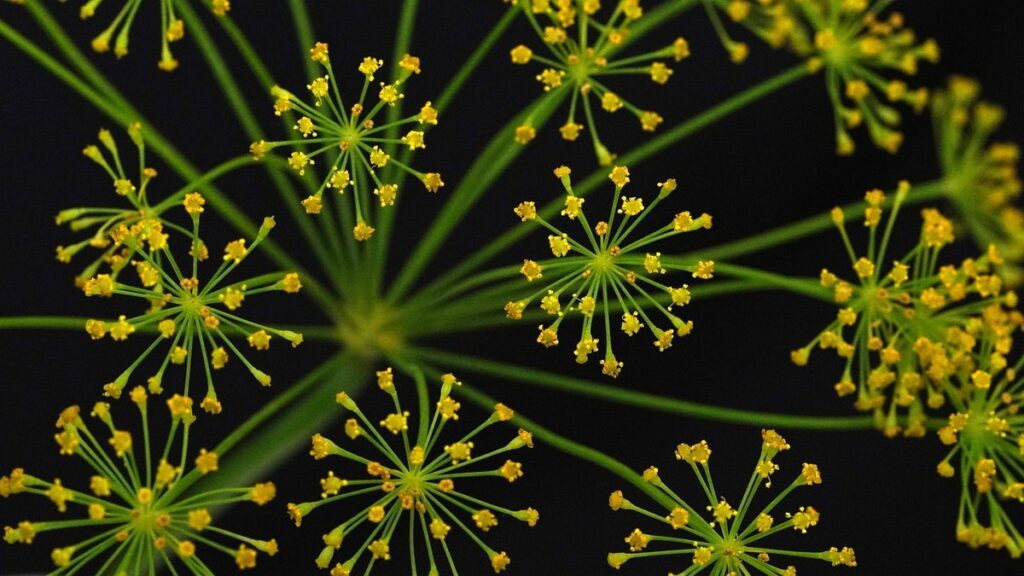
For added flavor and texture, don’t forget about the flowers! Dill flowers, also known as umbels, can be harvested when they’re in full bloom and have not yet begun to fade. Use them whole or remove the seeds to add a burst of citrusy flavor to your favorite dishes. Be mindful of the plant’s overall health – avoid over-harvesting, which can weaken the plant and reduce its productivity.
In general, it’s best to harvest dill in the morning after the dew has dried but before the heat of the day sets in. This helps preserve the delicate flavor and aroma compounds found in fresh dill.
Methods for Preserving and Storing Dill for Future Use
Preserving dill for future use is essential to ensure you can enjoy its flavor and fragrance throughout the year. One of the most effective methods for preserving dill is freezing it. To freeze dill, simply chop the fresh dill leaves and stems into small pieces, place them in an airtight container or freezer bag, and store them in the freezer at 0°F (-18°C) or below.
Another method is to dry the dill using a food dehydrator or by tying it in small bunches and hanging it upside down in a warm, dry location. Once dried, you can store the dill in airtight containers for up to six months. You can also make dill pickles or other fermented products that will allow you to enjoy the flavor of dill throughout the year.
When storing fresh dill in the refrigerator, it’s essential to keep it away from direct sunlight and heat sources. Place the dill in a sealed container with some water, and it should last for about two weeks. Make sure to check on it regularly to prevent spoilage.
It’s also worth noting that you can preserve dill by making dill vinegar or oil infusions. These methods allow you to capture the flavor of fresh dill in a more concentrated form, which can be stored for longer periods and used as a seasoning in various dishes.
Frequently Asked Questions
Can I grow dill indoors year-round?
Yes, with proper care and attention to lighting requirements, you can successfully grow dill indoors year-round. Make sure to provide your pot with sufficient light (at least 4-6 hours of direct sunlight or 12-14 hours of indirect light) and maintain a consistent temperature between 60°F-70°F (15°C-21°C).
How do I prevent dill from becoming leggy in containers?
To prevent dill from becoming leggy in containers, ensure you’re providing enough support for the plant as it grows. Use tomato cages or trellises to keep the stems upright and encourage bushy growth. Regular pruning will also help maintain a healthy shape and promote root development.
Can I propagate dill from cuttings?
Yes, you can propagate dill from cuttings, but this method is less successful than starting from seeds. Take 3-4 inch stem cuttings with at least two sets of leaves, remove lower leaves, and plant them in a moist potting mix. Keep the soil consistently moist and provide bright indirect light until roots develop.
How often should I water my potted dill plants?
Water your potted dill plants when the top 1-2 inches of soil feels dry to the touch. Avoid overwatering, which can lead to root rot and other issues. Check the moisture level daily, especially during hot weather or in well-draining potting mixes.
Can I grow multiple varieties of dill together in a single container?
Yes, you can grow multiple varieties of dill together in a single container, but be mindful of their growth habits and space requirements. Compact varieties like ‘Fernleaf’ and ‘Dukat’ work well together, while larger varieties may require more space or separate containers to avoid overcrowding.