
Are you eager to add some excitement to your garden with a new crop? Look no further than growing delicious and nutritious tomatillos! These versatile vegetables are packed with flavor, vitamins, and antioxidants, making them a great addition to any kitchen. But, let’s be real – they can also be a bit finicky to grow. That’s why we’ve put together this comprehensive guide to help you successfully cultivate these tasty treats.
In the following article, we’ll cover everything from selecting the perfect variety for your climate and soil type, to preparing the ground for optimal growth. You’ll learn how to plant, care for, and harvest your tomatillos, as well as get expert tips on managing common pests and preserving your bounty for months to come. Whether you’re a seasoned gardener or just starting out, this guide will give you the confidence to grow these amazing veggies like a pro!
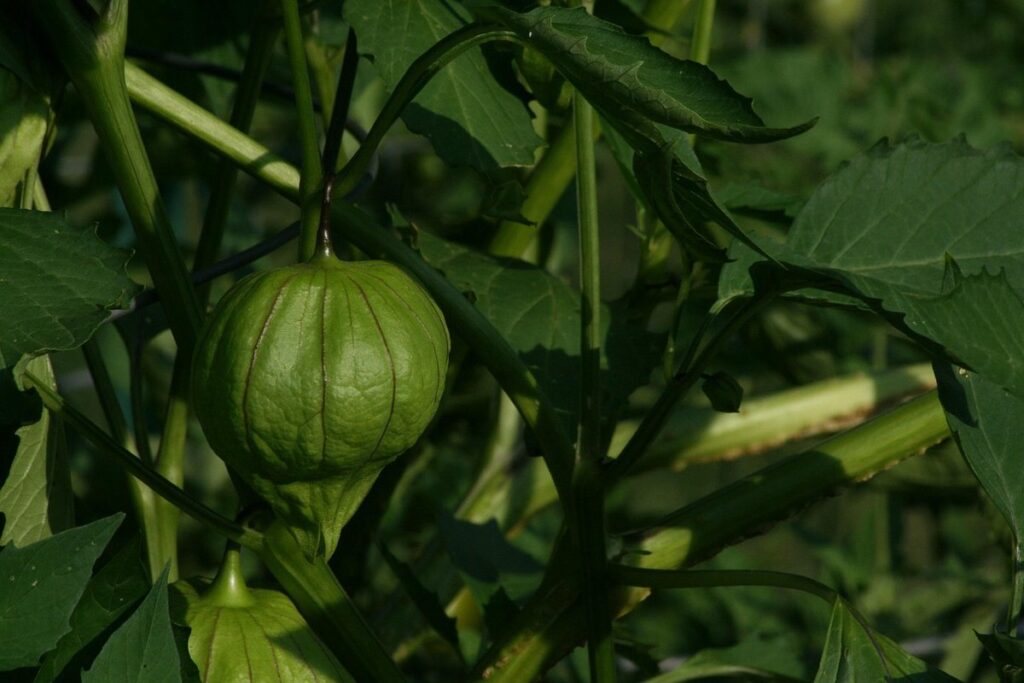
Choosing the Right Variety
When it comes to growing tomatillos, selecting the right variety for your climate and taste preferences is crucial. Let’s dive into the different types of tomatillos and how to choose the perfect one for you.
Selecting Heirloom or Hybrid Tomatillos
When it comes to selecting the perfect variety of tomatillo for your garden, you’ll likely come across two main types: heirloom and hybrid. While both have their unique characteristics, growth habits, and uses in cooking, they differ significantly.
Heirloom tomatillos are open-pollinated varieties that have been saved and handed down through generations. They tend to be more unpredictable, with varying fruit sizes, shapes, and colors. Heirlooms often require more care and attention, as their growth habits can be less consistent. In terms of flavor, heirlooms offer a rich, complex taste experience.
Hybrid tomatillos, on the other hand, are bred for specific traits such as disease resistance or high yields. They’re often more uniform in appearance and easier to grow. Hybrids generally produce fruit with a milder flavor profile. Consider your cooking style when choosing between heirlooms and hybrids: if you enjoy experimenting with bold flavors, an heirloom might be the better choice; for consistent results, hybrid tomatillos are a safer bet.
In reality, the choice between these two varieties often comes down to personal preference and specific needs. If space is limited or you’re a beginner gardener, a hybrid variety may be a more practical option.
Popular Tomatillo Varieties for Beginners
When it comes to growing tomatillos, choosing the right variety can be overwhelming, especially for beginners. However, some varieties stand out from the rest due to their ease of growth and unique features. If you’re new to growing tomatillos, consider starting with these popular varieties:
* ‘Purple’ is a favorite among beginner growers due to its compact size and high yields. This variety produces large, dark purple fruits that are rich in antioxidants.
* ‘Toma Verde’ is another great option for beginners, offering bright green fruits with a sweet, slightly tangy flavor.
* ‘Aunt Ruby’s German Green’ is a popular heirloom variety known for its robust growth and large, oval-shaped fruits.
When selecting these varieties, keep in mind their specific growing requirements. For example, ‘Purple’ prefers well-drained soil and full sun, while ‘Toma Verde’ thrives in cooler temperatures and partial shade. Be sure to research the unique needs of your chosen variety to ensure a successful harvest. By starting with one of these beginner-friendly varieties, you’ll be well on your way to enjoying a bountiful crop of delicious tomatillos.
Preparing the Soil
Before planting your tomatillo seeds, it’s essential to prepare the soil properly. This means loosening and aerating the earth to give your roots room to grow.
Understanding Tomatillos’ Soil Requirements
When growing tomatillos, it’s essential to understand their specific soil requirements for healthy growth. Tomatillos prefer a slightly acidic to neutral soil pH, ranging from 6.0 to 7.0. Avoid soils with a pH below 5.5 or above 8.0, as this can lead to nutrient deficiencies and poor plant growth.
Soil structure is also crucial for tomatillo growth. Tomatillos thrive in well-draining soils with a mix of sand, silt, and clay. Avoid heavy clay soils that can cause waterlogging and root rot. On the other hand, sandy soils may require more frequent watering, but can be beneficial in areas with high rainfall.
To ensure optimal nutrient levels, test your soil for essential nutrients like nitrogen (N), phosphorus (P), and potassium (K). Tomatillos are heavy feeders and benefit from regular fertilization. A balanced fertilizer with a mix of NPK (10-10-10) can provide the necessary nutrients for healthy growth. However, be cautious not to over-fertilize, as this can damage plant roots and cause environmental harm. Regular soil checks will help you identify any nutrient deficiencies and make adjustments accordingly.
How to Create a Fertile Soil Mix for Tomatillos
When growing tomatillos, it’s essential to create a fertile soil mix that provides the necessary nutrients for optimal growth. Tomatillos are native to warm and dry climates, but they also require well-draining soil with a pH between 6.0 and 7.0.
To prepare a suitable soil mix, start by adding compost to your existing soil. Compost is rich in nutrients and improves soil structure, allowing for better drainage and aeration. Aim to add at least 2-3 inches of compost to the top 4-6 inches of soil. You can also use worm castings or manure tea as alternatives.
Another crucial component is organic fertilizer. Tomatillos benefit from high levels of potassium (K), which promotes fruit growth and development. Use a balanced fertilizer with an NPK ratio of 10-20-20, but be sure to follow the recommended application rates to avoid over-fertilizing. Consider using fish bone meal or alfalfa meal as additional sources of nutrients.
When combining these ingredients, remember that tomatillos have a relatively shallow root system, so focus on creating a top-layer soil mix with good structure and nutrient availability.
Planting and Transplanting
When planting tomatillo seeds, it’s essential to sow them 1/4 inch deep and 2-3 inches apart in well-draining soil. You’ll also need to know when to transplant seedlings for optimal growth.
When to Plant Tomatillo Seeds Indoors or Outdoors
When it comes to planting tomatillo seeds, timing is everything. The ideal time for sowing tomatillos depends on your climate and the last frost date in your area. In general, it’s best to start tomatillo seeds indoors 6-8 weeks before the last frost date.
If you live in a region with mild winters or no frost, you can directly sow tomatillo seeds into the garden as soon as the soil is workable. However, if you’re in an area with harsh winters, it’s best to start seeds indoors and then transplant them outside when the weather warms up.
Keep in mind that tomatillos are warm-season crops and prefer temperatures above 60°F (15°C). Sowing seeds too early or directly into cold soil can lead to poor germination rates. On the other hand, sowing seeds too late can leave you with a limited growing season. Check your local frost dates and plan accordingly.
For example, if your last frost date is April 1st, start sowing tomatillo seeds indoors in late February or early March. This will give them a head start on the growing season and ensure they’re ready for transplanting when the weather warms up.
Transplanting Tomatillos: Techniques and Timing
When transplanting tomatillo seedlings, it’s essential to handle them with care to minimize shock and promote healthy growth. Start by gently removing the seedling from its pot, taking note of the soil moisture level. If the soil feels dry to the touch, water it lightly before transplanting to prevent shocking the roots.
To avoid damaging the delicate roots, use a soft-bristled brush or your fingers to loosen any compacted soil around the seedling’s stem. This will give you more control when placing the seedling in its new location.
When transplanting directly into the garden, choose a spot with full sun (at least 6 hours of direct sunlight) and well-draining soil with a pH between 6.0 and 7.0. Water the transplanted seedlings thoroughly after planting and keep the soil consistently moist during the first week or two.
Consider hardening off your tomatillo seedlings before transplanting them outside, especially if you’re starting them indoors. This involves gradually exposing them to outdoor conditions over the course of 7-10 days to prevent shock.
Providing Optimal Growing Conditions
To grow healthy and productive tomatillos, you’ll want to create a garden environment that meets their specific needs for temperature, moisture, and sunlight. Let’s dive into how to provide your plants with optimal conditions.
Sunlight and Temperature Requirements for Tomatillos
Tomatillos are warm-season crops that thrive in full sun to partial shade. When it comes to light levels, they require at least 6 hours of direct sunlight per day. However, if you’re growing them in a hot climate, some afternoon shade can help prevent scorching.
Temperature is another crucial factor for healthy tomatillo growth. They prefer daytime temperatures between 65°F and 85°F (18°C and 30°C), while nighttime temperatures should not drop below 55°F (13°C). In regions with extreme heat or cold, it’s essential to consider the microclimate of your garden.
For example, if you’re growing tomatillos in a container on a south-facing balcony, ensure that the temperature range is within the optimal zone. Tomatillos can tolerate some humidity but prefer well-ventilated areas to prevent fungal diseases. In regions with high humidity, it’s essential to provide adequate air circulation around the plants.
In general, tomatillo growth slows down below 50°F (10°C) or above 95°F (35°C). Be mindful of these temperature ranges and adjust your growing conditions accordingly. By providing optimal sunlight and temperature conditions, you’ll be well on your way to a bountiful harvest of delicious tomatillos.
Watering and Irrigation Techniques for Tomatillos
When it comes to watering and irrigation techniques for tomatillos, getting it just right is crucial. Tomatillos are native to the Americas and thrive in well-draining soil with moderate moisture levels. Drip irrigation systems are an excellent option for these plants as they deliver water directly to the roots, reducing evaporation and runoff.
Another effective method is using soaker hoses, which release a gentle stream of water along their length, ensuring that every part of the plant receives adequate hydration. Mulching around the base of the tomatillo plants also helps retain moisture in the soil and suppress weeds, further conserving water.
Tomatillos require about 1-2 inches of water per week, either from rain or irrigation. It’s essential to check the soil regularly by inserting your finger into the soil up to the knuckle; if it feels dry, it’s time for watering. By implementing these efficient irrigation techniques, you’ll be able to provide your tomatillos with the right amount of moisture to produce a bountiful harvest.
Pest and Disease Management
To keep those pesky insects and diseases at bay, you’ll want to learn how to identify common issues and use organic methods for control. Effective management is key to a healthy, thriving crop of tomatillos.
Common Pests Affecting Tomatillos and How to Control Them
Tomatillos are susceptible to various pests that can cause significant damage to the plant and its fruits. One of the most common pests affecting tomatillos is the aphid, which feeds on sap from the plant’s stems and leaves, causing curled or distorted growth. To control aphids, mix neem oil with water according to the product label instructions and spray it on the affected areas.
Another pest that affects tomatillos is the whitefly, which also feeds on sap and can transmit diseases like tomato spotted wilt virus. Use insecticidal soap to control whiteflies by mixing it with water at a ratio of 1-2% and spraying it on the plant’s leaves and stems. Regularly inspect your plants for signs of pests, such as sticky honeydew droplets or actual insects.
To prevent pest infestations, maintain good garden hygiene, including removing weeds that can harbor pests and disposing of any infected plant material. By using these non-toxic control methods, you can effectively manage common pests affecting tomatillos without harming the environment or your plants.
Recognizing and Preventing Fungal Diseases in Tomatillos
Fungal diseases are one of the most common threats to tomatillo crops. Powdery mildew and leaf spot are two prevalent fungal diseases that can significantly impact yields and fruit quality. These diseases often manifest as white, powdery patches on leaves or small, circular lesions with a grayish center.
To prevent these diseases, it’s essential to maintain good air circulation around the plants. This can be achieved by pruning nearby vegetation and ensuring sufficient spacing between rows. Watering should also be done carefully, avoiding overhead watering that can splash water onto the fruit and create an environment conducive to fungal growth.
Root rot is another serious fungal disease affecting tomatillos. It occurs when the roots are exposed to excessive moisture, often due to poor drainage or overwatering. To prevent root rot, ensure your soil has good drainage properties, and avoid watering during periods of high humidity. Regularly inspect the plants for signs of fungal growth and take prompt action if you notice any issues.
Monitoring for pests like aphids, whiteflies, and spider mites can also help prevent the spread of fungal diseases. These insects can vector fungal spores onto the plant, facilitating infection. By maintaining a balanced ecosystem in your garden and employing integrated pest management techniques, you can significantly reduce the risk of fungal disease outbreaks.
Harvesting and Storing Tomatillos
Now that you’ve successfully grown your tomatillo plants, it’s time to harvest them at the peak of ripeness for the best flavor and texture. This section will walk you through how to properly harvest and store these delicious fruits.
When to Harvest Tomatillos: Signs of Ripeness
When it comes to harvesting tomatillos, timing is everything. You’ll know they’re ready when they’ve reached their full color and have a slight give to them. This is usually around 70-80 days after transplanting, but this can vary depending on the specific variety you’re growing.
To check for ripeness, gently squeeze the fruit – if it’s too hard, it’s not yet ripe. But be careful not to squeeze too hard, as this can damage the skin and leave it vulnerable to disease. You’ll know they’re ready when they have a slight softness around the stem end, but still feel firm overall.
One way to ensure you pick your tomatillos at the right time is to check their color regularly. Tomatillos will typically turn from green to purple or red as they ripen, depending on the variety. Avoid picking them too early, as this can lead to a lower yield and less flavorful fruit – but don’t wait too long either, as overripe tomatillos are more susceptible to spoilage.
Tips for Preserving Tomatillos: Freezing, Roasting, and More
Preserving tomatillos allows you to enjoy their unique flavor and nutritional benefits year-round. There are several methods for preserving tomatillos, each with its own advantages.
Freezing is a convenient way to preserve tomatillos, especially if you have a large harvest. To freeze tomatillos, blanch them in boiling water for 30 seconds to inactivate enzymes that cause spoilage. Then, package them in airtight containers or freezer bags and store them at 0°F (-18°C) or below. Frozen tomatillos retain most of their flavor and nutrients.
Roasting is another popular method for preserving tomatillos. Roasted tomatillos can be used in salsas, soups, and sauces. To roast tomatillos, preheat your oven to 400°F (200°C). Place tomatillos on a baking sheet, cut side up, and drizzle with olive oil. Roast for 20-30 minutes or until the skin is charred.
Canning and pickling are also effective ways to preserve tomatillos. Canned tomatillos can be used in recipes that require cooked tomatillos. To can tomatillos, follow a tested recipe using acidic ingredients like vinegar or tomatoes. Pickled tomatillos add a tangy flavor to salads and sandwiches.
In general, it’s essential to use proper preservation techniques to ensure the safety and quality of your preserved tomatillos. Always follow tested recipes and guidelines for canning, freezing, and roasting to prevent spoilage and contamination.
Frequently Asked Questions
Can I grow tomatillos in containers if I have limited space?
Yes, you can grow tomatillos in containers, but ensure the container is at least 12-18 inches deep and has good drainage holes. Use a well-draining potting mix specifically designed for containers, and follow the same care instructions as for in-ground plants.
What’s the optimal pH range for growing tomatillos?
Tomatillos prefer a slightly acidic to neutral soil pH, ranging from 6.0 to 7.0. If your soil is too alkaline or acidic, amend it with organic matter like compost or peat moss to achieve the ideal pH for optimal growth.
How do I prevent blossom end rot in my tomatillo plants?
Blossom end rot is a common issue caused by calcium deficiency and irregular watering. To prevent it, ensure consistent soil moisture, avoid overwatering, and fertilize with a balanced fertilizer rich in calcium.
Can I use row covers or physical barriers to protect tomatillos from pests like raccoons and birds?
Yes, using row covers or physical barriers can help deter pests like raccoons and birds. Row covers allow light and water through while keeping pests out, while physical barriers like fine mesh or bird netting can be placed over plants to prevent damage.
What’s the best way to preserve tomatillos for long-term storage?
To preserve tomatillos for long-term storage, roast or freeze them immediately after harvesting. Roasting enhances flavor and texture, while freezing helps retain nutrients. You can also pickle or can them using a pressure canner for longer storage periods.