
Are you eager to try your hand at growing one of the most unique and flavorful vegetables out there? Cucamelons are a game-changer for any gardener looking to add some excitement to their harvest. These tiny, round fruits may look like miniature watermelons, but they pack a punch when it comes to flavor and nutrition. However, growing cucamelons can be a bit tricky, especially if you’re new to gardening.
In this comprehensive guide, we’ll walk you through everything you need to know to successfully grow cucamelons in your garden. We’ll cover the ideal climate and soil requirements, how to sow seeds like a pro, pruning techniques to encourage healthy growth, common pests to watch out for, and when and how to harvest these delicious fruits. Plus, we’ll tackle some of the most common issues that can arise during the growing process, so you can troubleshoot and get back on track in no time.
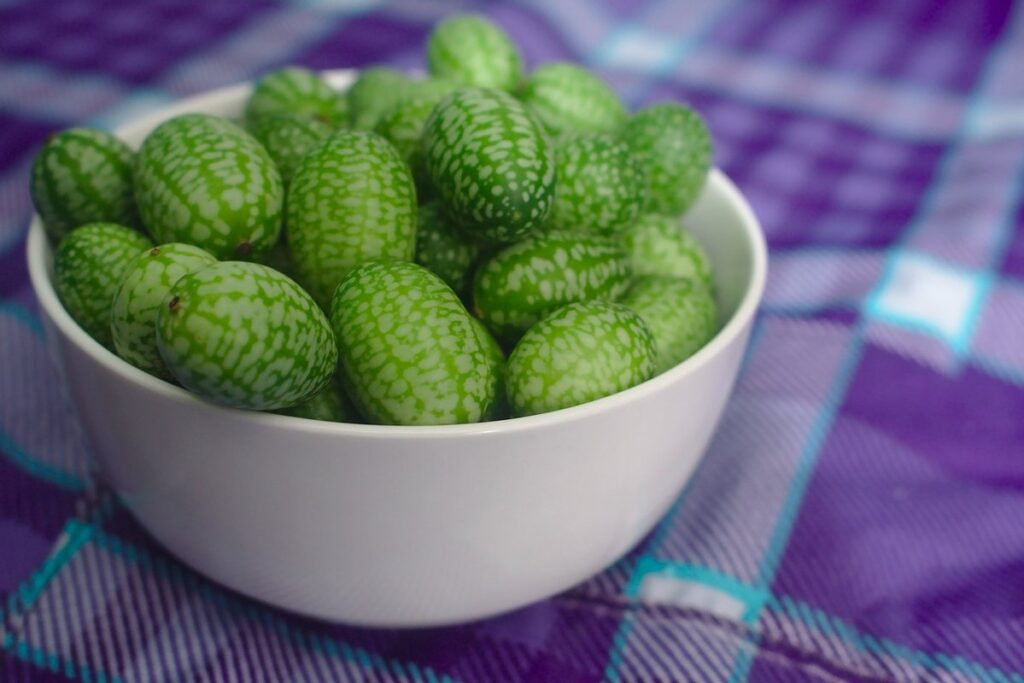
Understanding Cucamelons and Their Requirements
To grow cucamelons successfully, you need to understand their specific needs and requirements, which can be a bit unique compared to other vegetables. Let’s break down what makes them tick.
What are Cucamelons?
Cucamelons are a unique and fascinating ingredient that’s gaining popularity worldwide. Also known as Melothria scabra, these tiny cucumbers hail from Mexico and Central America, where they’ve been a staple in local cuisine for centuries. Their versatility has made them a favorite among chefs and home cooks alike.
What sets cucamelons apart is their intense flavor, which is often described as a combination of lime, cucumber, and mint. This makes them an excellent addition to various dishes, from salads and salsas to drinks and desserts. In fact, they’re so versatile that you can even pickle or ferment them for added depth of flavor.
If you’re new to cucamelons, start by trying them in a simple recipe like a cucumber-melon salad or a refreshing agua fresca. You’ll soon discover why they’ve become a sought-after ingredient in many cuisines. Whether you’re growing them yourself or purchasing from a local farmer’s market, understanding the unique characteristics and requirements of cucamelons will help you appreciate their full potential as an edible delight.
Climate and Soil Requirements for Cucamelons
To grow cucamelons successfully, you need to provide them with an ideal climate and soil conditions. Cucamelons thrive in a warm and temperate climate with average temperatures ranging from 60°F to 85°F (15°C to 30°C). They require full sun to partial shade, so make sure to plant them in a spot that receives at least six hours of direct sunlight per day.
The soil conditions for cucamelons are also crucial. They prefer well-draining, fertile soil with a pH range of 6.0 to 7.0. If your soil is heavy clay or sandy, mix in some organic matter like compost or well-rotted manure to improve its structure and fertility. Cucamelons need a balanced diet of nutrients, so add a general-purpose fertilizer during the growing season.
Some gardeners may wonder if cucamelons can tolerate cooler temperatures or extreme heatwaves. While they can tolerate light frosts, prolonged exposure to temperatures below 50°F (10°C) can cause damage. In regions with very hot summers, provide some shade for your cucamelon plants during the hottest part of the day to prevent scorching.
Preparing the Soil for Cucumber Planting
Before planting cucamelons, it’s crucial to prepare your soil properly to ensure a healthy and thriving crop. This involves creating an ideal growing environment that meets their specific needs.
Choosing the Right Location
When choosing a location for growing cucamelons, one of the most critical factors to consider is air circulation. Cucamelons require good airflow to prevent fungal diseases and promote healthy growth. Look for a spot with plenty of space around each plant to allow for easy access and movement of air.
In addition to good air circulation, it’s also essential to choose a location that provides protection from extreme weather conditions. Cucamelons are sensitive to strong winds, which can cause damage or even uproot the plants. Select a spot that is sheltered from harsh winds and also protected from intense sunlight during the hottest part of the day.
Sunlight is another crucial consideration when selecting a location for growing cucamelons. While they require full sun to partial shade, it’s essential to provide them with access to sunlight during different times of the year. In regions with cold winters, choose a spot that receives direct sunlight in the spring and summer months but provides some protection from intense sunlight during the winter.
Ensure your chosen location gets at least 6 hours of direct sunlight per day. This will give cucamelons enough energy to grow and thrive throughout the growing season.
Soil Preparation Techniques
Before planting cucamelon seeds, it’s essential to prepare the soil to provide the optimal growing conditions for these delicate plants. To improve soil structure and ensure healthy root growth, start by adding organic matter such as compost or well-rotted manure. This will help increase the soil’s water-holding capacity, fertility, and overall health.
When incorporating organic amendments, mix them thoroughly into the top 8-10 inches of soil to avoid compacting the underlying layers. If your soil is heavy clay or sandy, consider adding a balanced fertilizer to adjust its pH levels and nutrient content. Regular compost application can also help regulate soil’s acidity and alkalinity.
Don’t skip testing your soil pH levels before planting cucamelons. Most cucamelon varieties prefer a slightly acidic to neutral soil environment (pH 6.0-7.5). To test, use a pH meter or send a sample to a lab for analysis. Based on the results, make necessary adjustments by adding lime to raise the pH or sulfur to lower it.
To avoid waterlogged conditions and root rot, ensure adequate drainage in your planting area. If your soil is prone to pooling, consider installing a raised bed or creating a slope to improve runoff.
Sowing Cucamelon Seeds
When sowing cucamelon seeds, make sure the soil is warm and moist to encourage germination within 7-10 days. Follow these steps for successful seed sowing.
Seed Selection and Storage
When it comes to growing cucamelons, selecting high-quality seeds is crucial for their viability and adaptability to your specific climate. Start by choosing a reputable seed supplier that specializes in exotic or heirloom varieties. Look for seed packets that explicitly mention the cultivar’s cold tolerance, as cucamelons can be sensitive to extreme temperatures.
Check the seed package for the following information:
• Sowing temperature range
• Days to maturity
• Seed germination rate
Verify that the seeds you’ve chosen are suitable for your local climate. If you live in an area with frost, consider choosing a cold-tolerant variety or starting your cucamelon plants indoors 4-6 weeks before the last frost date.
Once you’ve obtained your seeds, it’s essential to store them correctly to maintain their viability. Store seed packets in a cool, dry place away from direct sunlight and moisture. Airtight containers or glass jars with desiccants can help regulate humidity levels. Label each container with the seed variety and storage date to ensure you use the oldest seeds first. Proper storage will help extend the shelf life of your seeds by up to 5 years.
Sowing Methods – Direct Sow vs. Indoor Start
When it comes to sowing cucamelon seeds, you have two primary options: direct sow and indoor start. Each method has its advantages and disadvantages.
Direct sowing involves planting the seeds directly into the garden bed when the soil is warm enough. This approach eliminates the need for seed starting trays and pots. However, it can be challenging to ensure optimal germination rates and spacing in this method. Direct sowing also exposes young plants to potential damage from pests and diseases that may be present in the soil.
On the other hand, starting cucamelon seeds indoors in pots allows you to control the environment more closely. You can maintain a consistent temperature between 65-75°F (18-24°C), ensuring better germination rates. Indoor starts also give you an opportunity to harden off young plants before transplanting them into the garden.
Ultimately, indoor start is recommended for cooler climates or areas with shorter growing seasons. For regions with longer growing seasons and warmer temperatures, direct sowing can be a viable option. Consider your local climate and adjust your method accordingly.
Supporting Cucamelon Plant Growth
To help your cucamelons thrive, provide them with a trellis for support and prune regularly to encourage bushy growth and plenty of fruit. Proper pruning will also prevent over-vining.
Pruning and Training Techniques
Pruning and training are essential techniques for promoting healthy growth and maximizing yields from cucamelon plants. Regular pruning helps control the plant’s shape, encourages bushy growth, and prevents over-vigoration that can lead to reduced productivity.
When training cucamelons onto trellises or other supports, start by providing a sturdy structure for the vines to climb on. Use twine or clips to gently tie the stems to the support, making sure not to constrict them. As the plant grows, continue to train new growth along the trellis, allowing for adequate space between each stem.
Pruning is typically done during the growing season when new growth appears. Remove any weak or spindly shoots and trim back overgrown tips to encourage branching. By pruning regularly, you’ll promote a balanced canopy, improve air circulation, and prevent pests and diseases from taking hold. For optimal results, prune your cucamelons every 7-10 days during the growing season. This will ensure they continue to produce an abundance of delicious fruit throughout the summer months.
Pest and Disease Management
Cucamelon plants are susceptible to various pests and diseases that can impact their growth and productivity. One of the most common issues is aphids, which feed on plant sap, causing curled or distorted leaves and stunted growth. To prevent infestations, use neem oil, a natural insecticide that repels aphids and other pests. Mix neem oil with water according to the label instructions and spray it on the plants regularly.
Row covers are another effective method for preventing pest damage. These breathable fabrics allow light and water to reach the plants while keeping insects out. Apply row covers at planting time or as soon as signs of infestation appear. Regularly inspect your cucamelon plants for signs of disease, such as powdery mildew or fungal infections, which can spread quickly in humid environments.
To manage diseases, maintain good air circulation by pruning nearby plants and ensuring adequate spacing between rows. Water carefully to avoid over-saturating the soil, which can create an environment conducive to disease growth. If you notice any issues, treat the affected areas with a fungicide specifically designed for cucamelon crops.
Harvesting Cucamelons
Now that your cucamelon plants are thriving, it’s time to learn how to harvest these unique fruits for maximum flavor and nutrition. We’ll walk you through the best techniques for picking them at peak ripeness.
Identifying Ripeness
Checking on cucamelon’s color can be deceiving as they turn yellow before becoming fully ripe. A better indicator is to check for slight softening around the stem end and a subtle sheen to the skin, which indicates ripeness.
When gently squeezing the fruit, it should yield slightly to pressure but still feel firm enough to hold its shape. If it’s too soft or mushy, it’s overripe and best used immediately.
The flavor profile is another way to determine if cucamelons are ripe. When picked at the right time, they have a sweet-tart taste with a hint of bitterness. Avoid cucamelons that are too acidic or bland as these may be unripe or overripe.
To get the most out of your harvest, pick cucamelons regularly and use them within a day or two for best flavor and texture. This will encourage the plant to produce more fruit, ensuring you have a steady supply throughout the season.
Handling and Storing Harvested Cucamelons
When harvesting cucamelons, it’s essential to handle them gently to avoid bruising the delicate fruit. To do this, use a soft-bristled brush or a clean cloth to gently sweep the fruit from the plant, rather than grasping it by hand. This will help prevent scratches and tears that can compromise the fruit’s quality.
For storage, cucamelons are best kept at room temperature, away from direct sunlight. They should be stored in a breathable container, such as a paper bag or mesh produce bag, to maintain humidity levels. Avoid storing them in sealed containers or plastic bags, as this can cause condensation and lead to mold growth.
To extend the shelf life of cucamelons, it’s recommended to store them stem-end down. This helps to prevent moisture from accumulating at the stem end, which can cause decay. You can also keep cucamelons fresh for longer by refrigerating them in a sealed container once they’re ripe. However, be aware that refrigeration can slow down the ripening process, so it’s best to use them within 2-3 days of storage.
Troubleshooting Common Issues with Growing Cucamelons
Don’t worry if your cucamelon crop is struggling – we’ve got you covered. This section tackles common problems and offers practical solutions to get your plants back on track.
Addressing Common Problems
One of the most frustrating experiences for cucamelon growers is dealing with common problems that can hinder their progress. Poor germination rates are a major issue many face, especially when starting from seeds. To overcome this, ensure you’re using fresh and high-quality seeds, and maintain an optimal temperature range between 70-80°F (21-27°C) for the first few weeks after sowing.
Yellow leaves on your cucamelon plants can be a sign of overwatering or underwatering. To prevent this issue, check the soil moisture regularly by sticking your finger into the soil up to the knuckle. If it feels dry, water your plant thoroughly until the water drains out of the bottom of the pot. Yellow leaves can also indicate nutrient deficiencies; consider using a balanced fertilizer once a month.
Pests like aphids, whiteflies, and spider mites can quickly spread diseases among your cucamelon plants. Use neem oil or insecticidal soap to control these pests. Always inspect your plants regularly for signs of infestation, and take swift action if you notice any issues. Regular pruning also helps maintain air circulation and reduce the risk of fungal diseases.
Tips for Improving Next Year’s Crop
As you reflect on this year’s harvest, it’s essential to note that growing cucamelons is a process of continuous improvement. To optimize future growth cycles, take time to analyze what worked and what didn’t. Identify areas where your crop struggled with issues like poor pollination or inadequate moisture levels.
Start by reviewing your crop rotation strategy to ensure you’re not planting cucamelons in the same spot as other members of the Cucurbitaceae family. This can lead to pests and diseases spreading easily from one plant to another. Consider rotating your cucamelon crop to a new location with improved drainage and full sun exposure.
Another key takeaway is the importance of providing adequate support for your cucamelon vines. For next year’s harvest, consider investing in trellises or cages specifically designed for vining plants like cucamelons. This will help keep your plants organized, promote even growth, and encourage better fruit production.
Frequently Asked Questions
What are the best companion plants for cucamelons to promote healthy growth?
Cucamelons benefit from being grown alongside other vining plants like beans, peas, or nasturtiums, which help to shade the soil and retain moisture. These companions can also attract beneficial insects that prey on common pests of cucamelons.
Can I grow cucamelons in a container or do they require a lot of space?
While cucamelons can be grown in containers, they still need a decent amount of space to spread out their vining stems. Choose a large pot with good drainage and provide a trellis for support. Ensure the container is at least 12-18 inches deep to accommodate the plant’s taproot.
What are some common pests I should watch out for when growing cucamelons?
Aphids, whiteflies, and spider mites are common pests that can attack cucamelons. Regularly inspect your plants and use organic controls like neem oil or insecticidal soap to prevent infestations. Encourage beneficial insects by introducing natural predators like ladybugs or lacewings.
How do I know when my cucamelons are ripe and ready for harvesting?
Cucamelons are typically ready to harvest about 60-70 days after sowing, when they reach their full color and have a slight give to them. Check the fruit daily, as it can quickly go from underripe to overripe.
Can I grow cucamelons year-round in my area, or do they follow a specific seasonal cycle?
Cucamelons are a warm-season crop that thrives in temperatures between 65-75°F (18-24°C). In areas with mild winters, you can try growing them as a fall crop. However, in regions with frost, it’s best to grow cucamelons during the warmer months and start new seeds every spring for optimal results.