
Starting your gardening journey can be overwhelming, especially when you’re not sure which easy-to-grow vegetables to begin with. As a beginner, you want to avoid plants that require too much maintenance or special care, and instead focus on varieties that thrive in your environment with minimal effort. In this article, we’ll explore the best vegetables for beginners, including low-maintenance options that are perfect for new gardeners. From crunchy lettuce and juicy tomatoes to flavorful peppers and zesty cucumbers, we’ll cover the top picks that will get you started on the right foot. Whether you’re a seasoned gardener or just starting out, our beginner-friendly growing tips will help you succeed in your gardening endeavors. By the end of this article, you’ll be equipped with the knowledge to grow a bountiful harvest of delicious vegetables in no time!
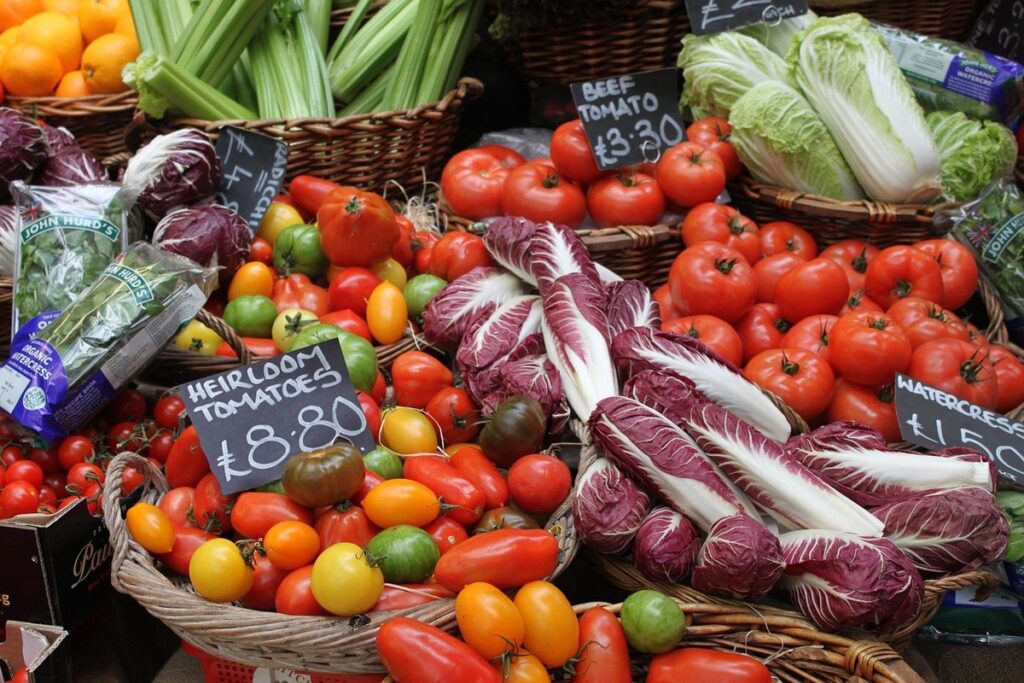
Choosing Easy-to-Grow Vegetables
When it comes to selecting vegetables for your first garden, you’ll want to start with easy-to-grow options that require minimal care and maintenance, such as tomatoes and zucchini.
Section 1.1: Consider Climate and Seasonality
When it comes to growing vegetables as a beginner, understanding climate and seasonality is crucial for success. The type of climate you have in your region will greatly impact the types of vegetables that thrive. For example, if you live in an area with hot summers and mild winters, you’ll want to focus on heat-tolerant crops like okra, southern peas, or tomatoes.
On the other hand, cooler climates are ideal for growing leafy greens like kale, spinach, and lettuce. These hardy vegetables can tolerate light frosts and continue to grow throughout the winter months. If you live in an area with distinct seasons, consider selecting varieties that are specifically bred for your region’s climate.
When selecting easy-to-grow vegetables, be sure to check the seed package or consult with a local nursery to determine which varieties will perform well in your specific climate and season. This will save you time and effort in the long run by reducing the risk of crop failure due to environmental factors. By choosing the right vegetable for your region, you’ll set yourself up for success and be on your way to harvesting delicious homegrown produce.
Section 1.2: Select Low-Maintenance Varieties
When starting out with gardening, it’s essential to choose vegetables that are easy to grow and require minimal maintenance. Among these, tomatoes, zucchini, and cucumbers stand out as excellent options for beginners.
These popular varieties are ideal for new gardeners due to their ease of care and quick harvest times. Tomatoes, in particular, are a great choice because they’re relatively low-maintenance, requiring only occasional watering and fertilization. They also produce fruit quickly, typically within 60-90 days after planting. Zucchini and cucumbers share similar characteristics, thriving in well-drained soil and full sun.
To get the most out of these vegetables, be sure to plant them in a location with full sun (at least six hours of direct sunlight) and maintain consistent moisture levels. These adaptable vegetables can grow on trellises or in containers, making them perfect for small spaces. By incorporating these low-maintenance varieties into your garden, you’ll enjoy a bountiful harvest without the stress of complex care.
Understanding Soil Requirements
To grow a successful garden, it’s essential to understand what your soil needs, from its pH level to nutrient requirements. Let’s break down how to assess and meet these critical demands.
Section 2.1: The Importance of Soil pH and Nutrient Balance
When growing vegetables, it’s essential to understand that healthy soil is the backbone of a thriving garden. Soil pH and nutrient balance play a crucial role in supporting robust vegetable growth. Think of soil pH like the temperature setting on your thermostat – if it’s too high or too low, your plants will struggle to thrive.
Soil pH affects how well plants absorb nutrients from the soil. Most vegetables prefer a slightly acidic to neutral soil pH, ranging from 6.0 to 7.0. If your soil is too alkaline (high pH) or acidic (low pH), you’ll need to take corrective action. For example, if your soil test reveals high pH levels, adding elemental sulfur can help lower it. Conversely, if the pH is too low, lime can be applied to raise it.
To ensure optimal growth, test your soil regularly using a DIY kit or consulting with a local nursery. A nutrient balance also requires attention – focus on providing adequate amounts of nitrogen (N), phosphorus (P), and potassium (K). You can achieve this through fertilizers or composting. By understanding and adjusting these factors, you’ll create an ideal environment for your vegetables to flourish.
Section 2.2: Organic vs. Inorganic Fertilizers
When it comes to fertilizing your vegetable garden, you’ll often come across two main types: organic and inorganic. While both have their benefits, they also have some significant differences that are worth considering.
Organic fertilizers, derived from natural sources like compost, manure, or peat moss, promote healthy soil biota and improve its structure over time. These eco-friendly options tend to release nutrients slowly, reducing the risk of over-fertilization and subsequent environmental damage. For example, using compost as a fertilizer can help retain moisture in the soil and suppress weed growth.
Inorganic fertilizers, on the other hand, are synthesized from chemical compounds that provide a quick boost of nutrients to plants. However, their excessive use can lead to environmental degradation through water pollution and soil contamination. Long-term use of these fertilizers can also deplete the soil’s natural nutrient reserves, making it dependent on further applications.
Ultimately, beginners should aim for a balanced approach by combining organic and inorganic methods or opting for more environmentally responsible alternatives like worm casting or fish emulsion. This will help you develop a healthy and sustainable gardening practice that benefits both your plants and the ecosystem.
Beginner-Friendly Vegetable Varieties by Category
As you start growing your own vegetables, it can be overwhelming to know where to begin. Let’s break down beginner-friendly options into easy-to-navigate categories for a smooth start.
Section 3.1: Leafy Greens (Lettuce, Spinach, Kale)
Leafy greens are an excellent choice for beginners, offering numerous health benefits and ease of cultivation. Lettuce, spinach, and kale are among the most popular varieties, each with its unique characteristics.
Lettuce is a cool-season crop that thrives in temperatures between 60-70°F (15-21°C). It requires minimal care, making it perfect for beginners. Harvest lettuce leaves when they’re young, as they become bitter with age. Store them in the refrigerator to maintain crispiness.
Spinach, another cool-season crop, is rich in iron and antioxidants. It grows quickly and can be harvested in as little as 20 days. To prevent bolting (premature flowering), keep spinach consistently moist and provide partial shade.
Kale is a hardy, cold-tolerant green that’s packed with vitamins and minerals. It prefers well-draining soil and full sun to partial shade. Harvest kale leaves when they’re young and tender, or allow them to mature for a more robust flavor.
When growing leafy greens, ensure good air circulation to prevent fungal diseases. Regular watering and fertilization will also promote healthy growth. By following these simple tips, you’ll be enjoying fresh, homegrown leafy greens in no time!
Section 3.2: Root Vegetables (Carrots, Beets, Radishes)
Root vegetables are an excellent choice for beginners, as they’re relatively easy to grow and require minimal maintenance. To get started with carrots, beets, and radishes, you’ll want to prepare a well-draining soil mix that’s rich in organic matter. A pH level between 6.0 and 7.0 is ideal for these vegetables.
When planting, space carrots about 1-2 inches apart, while beets and radishes can be planted closer together – around 2-3 inches. Water them regularly, but avoid overwatering, which can lead to root rot. For optimal growth, make sure the soil receives at least six hours of direct sunlight per day.
Incorporating these vegetables into your meals is easy. Try roasting carrots with olive oil and herbs for a tasty side dish. Beets are great in salads or pickled as a tangy snack. Radishes can be added to sandwiches or used as a crunchy topping for soups.
Tips for Successful Vegetable Gardening
To get the most out of your vegetable garden, here are some essential tips to help you succeed: learn from common mistakes and plan carefully.
Section 4.1: Companion Planting Strategies
Companion planting is a simple yet effective technique that can greatly enhance the growth and productivity of your vegetable garden. By pairing certain plants together, you can create a mutually beneficial environment that promotes healthy growth, prevents pests, and even improves crop yields.
For example, planting marigolds with tomatoes can help deter nematodes, which are microscopic worms that can damage tomato roots. Basil and mint are also great companions for tomatoes, as they repel pests like whiteflies and aphids. On the other hand, planting beans with corn and squash is a classic combination known as the “Three Sisters” method, which provides support and shade for each plant.
To get started with companion planting, choose a few easy-to-grow vegetables that pair well together. Consider the mature size of each plant to ensure they have enough space to grow. Some other successful combinations include planting garlic near roses to deter aphids, or lettuce and radishes together to prevent pests from reaching the more valuable lettuce crop.
Section 4.2: Common Beginner Mistakes to Avoid
As you embark on your vegetable gardening journey, it’s essential to be aware of common mistakes that beginners often make. Overwatering is one such error that can be detrimental to your plants’ health. Too much water can lead to root rot, which can be fatal for your vegetables. To avoid this, ensure the soil drains well and doesn’t retain excess moisture.
Inadequate sunlight is another common mistake that can hinder plant growth. Most vegetables require at least 6 hours of direct sunlight per day. Be mindful of the location where you plan to set up your garden bed. If possible, choose a spot that receives plenty of sunlight throughout the day.
Additionally, many beginners also tend to overcrowd their garden beds. This can lead to competition for resources such as water and nutrients. To avoid this, leave enough space between each plant to allow them to grow freely.
Lastly, don’t forget to rotate your crops seasonally to maintain soil health and prevent pests and diseases from building up. By being aware of these common mistakes, you’ll be better equipped to create a thriving vegetable garden that yields a bountiful harvest.
Expanding Your Vegetable Garden
Now that you’ve got a thriving veggie garden up and running, it’s time to think about expanding your harvest. Let’s explore ways to increase space without sacrificing yields.
Section 5.1: Considerations for Small Spaces (Container Gardening)
If you’re short on space but eager to grow your own vegetables, don’t worry – there are plenty of creative solutions for small gardens. Container gardening is a fantastic way to get started, and it’s not just about pots on the balcony or patio. You can also use vertical planters, trellises, or even a windowsill to maximize space.
When choosing containers, make sure they have drainage holes to prevent waterlogged soil. Select vegetables that are compact in growth, such as cherry tomatoes, leafy greens like lettuce and kale, or herbs like basil and mint. For a more efficient use of space, try the “square foot garden” method, where each square is planted with a specific crop.
For example, you can plant 9-16 plants in a single 4×4 foot bed using this layout. To make the most of your vertical space, consider using trellises for climbing plants like peas or cucumbers. Don’t forget to place containers near a sunny spot – at least six hours of direct sunlight is ideal for many vegetables.
This approach not only saves space but also reduces soil erosion and water waste.
Section 5.2: Extending the Growing Season with Greenhouses or Cold Frames
If you’re eager to get a head start on warmer weather or extend the harvest period into winter, consider exploring options for extending the growing season. Greenhouses and cold frames are two popular choices that can provide a boost to your garden’s productivity.
Greenhouses, for example, can be as simple as a polycarbonate or glass structure covering a raised bed or as elaborate as a freestanding building with heating and cooling systems. They can extend the growing season by 2-6 months, depending on the type of greenhouse and climate conditions. Cold frames, on the other hand, are essentially large, enclosed beds that use solar heat to warm the soil and extend the harvest period into winter.
To get started with either option, consider a few key factors: location, budget, and maintenance requirements. Choose a spot that receives ample sunlight and is protected from harsh winds. Set a realistic budget for materials and labor costs. Finally, be prepared to commit to regular maintenance tasks, such as cleaning the structure or replacing broken panes.
By incorporating greenhouses or cold frames into your garden plan, you can enjoy an extended harvest period and get ahead on warmer weather.
Conclusion and Next Steps
In conclusion, starting your vegetable garden can be an exciting and rewarding experience. By following this guide, you’ve taken the first steps towards becoming a confident gardener. Remember, the key is to start small and experiment with different varieties. Don’t be discouraged if some plants don’t thrive at first – it’s all part of the learning process.
Take your newfound knowledge and create a personalized plan for your garden. Identify the vegetables that work best in your climate and choose those as your starting point. Make sure to follow proper planting, watering, and care instructions to ensure optimal growth. With time and practice, you’ll be harvesting fresh produce from your very own garden, feeling proud of your accomplishments and eager to try new recipes with your bounty.
Frequently Asked Questions
What if I have limited space for my vegetable garden?
If you have a small yard or live in an apartment, don’t worry! Many vegetables can thrive in container gardens or even indoors with the right setup. Consider growing compact varieties like cherry tomatoes, leafy greens, or herbs to maximize your space.
How do I prevent pests and diseases from affecting my easy-to-grow vegetables?
To minimize the risk of pests and diseases, make sure to rotate your crops regularly, remove weeds promptly, and keep your garden area clean. You can also use physical barriers like row covers to deter common pests like aphids and slugs. Keep an eye out for signs of disease and treat them early on with organic fungicides or bacteriacides.
Can I grow a variety of vegetables together in the same bed?
Yes! Companion planting is a great way to promote healthy growth, improve flavor, and even repel pests. For example, basil and tomatoes love growing together, while marigolds can help deter nematodes from carrots. Just be sure to research which plants are compatible before mixing them in your garden.
What if I encounter problems with my soil pH or nutrient balance?
Don’t panic! If you’re unsure about your soil’s pH level or nutrient content, consider getting it tested by a local nursery or extension office. Based on the results, you can adjust your fertilization and amendments to create an optimal growing environment for your vegetables.
Can I extend the growing season with greenhouses or cold frames?
Yes! If you live in an area with harsh winters or short summers, consider investing in a greenhouse or cold frame to extend your growing season. These structures provide protection from extreme temperatures and can even be used year-round to start seedlings or overwinter sensitive crops like lettuce and spinach.