
If you’re a hydrangea lover like me, you know that these stunning flowers can be a bit finicky when it comes to pruning. The right technique at the wrong time can leave your macrophylla looking bare and sad, but with the right approach, you’ll be rewarded with an explosion of gorgeous blooms. Pruning hydrangea macrophylla effectively is an art that requires some knowledge, but don’t worry – I’ve got you covered! In this article, we’ll dive into the best time to prune, the tools you need, and the techniques to promote healthy growth and stunning blooms. We’ll also cover essential aftercare tips to keep your hydrangea looking its absolute best. By the end of this post, you’ll be a pruning pro and ready to coax the most out of your macrophylla.
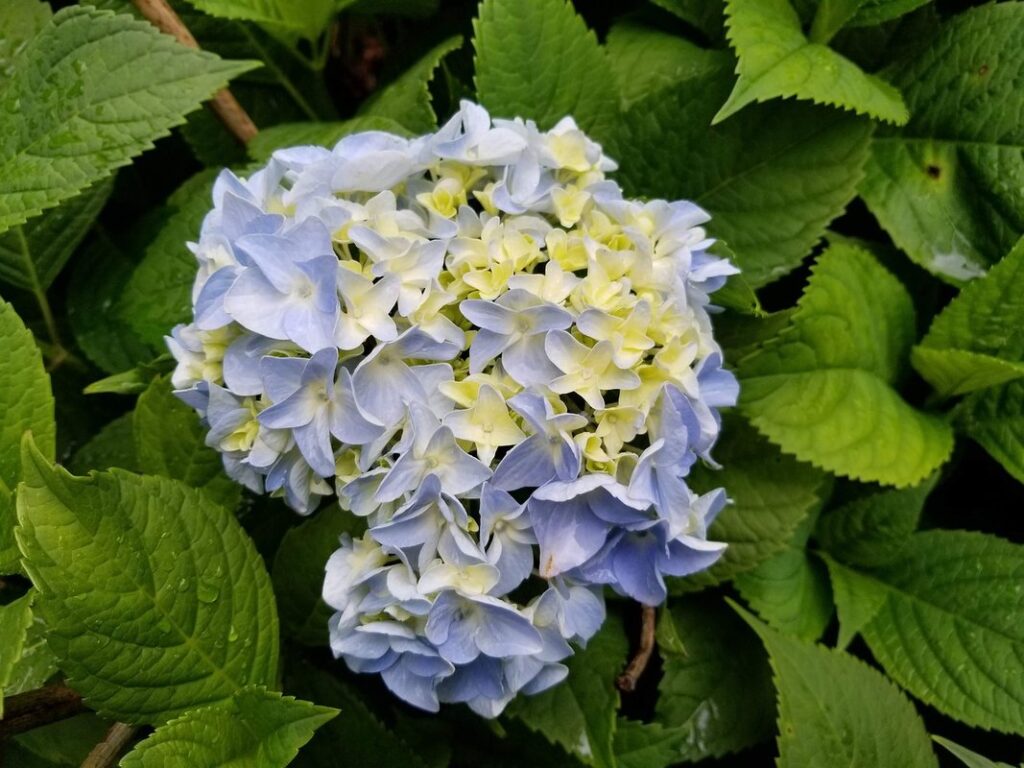
Understanding Your Hydrangea Macrophylla
To prune hydrangeas effectively, you first need a solid understanding of your plant’s needs and habits, which begins with knowing its unique characteristics. This includes its growth patterns and bloom cycle.
Identifying the Right Time for Pruning
When it comes to pruning your hydrangea macrophylla, timing is everything. The optimal time for pruning varies depending on factors such as climate, location, and plant age.
In general, the best time to prune hydrangea macrophylla is in late winter or early spring, around February or March, before new growth begins. This allows you to remove dead or damaged branches without sacrificing next year’s blooms. If you live in a warmer climate with mild winters, you can prune as soon as the plant is dormant.
For plants in cooler climates or those that are younger than 2 years old, it’s best to wait until early spring when new growth is about 6-8 inches tall. This helps prevent shock and ensures healthy regrowth.
Additionally, if you notice your hydrangea macrophylla has finished blooming for the season, it’s a good time to prune. Simply remove any spent blooms or dead flowers to encourage next year’s growth. Be sure to make clean cuts just above a bud eye, as this will help promote new growth and prevent disease.
Keep in mind that pruning too early can stimulate new growth, which may not have enough time to harden off before winter. Prune at the right time, and your hydrangea macrophylla will thank you with vibrant blooms year after year!
Preparing Tools and Equipment
To ensure that you’re properly equipped for pruning your Hydrangea Macrophylla, let’s start with the necessary tools and equipment. You’ll want to begin by wearing a good pair of gardening gloves. This will not only protect your hands from thorns but also provide grip when handling pruners.
When it comes to hand-held cutting tools, you’ll need a pair of high-quality hand pruners or secateurs. These are perfect for making precise cuts on stems that are up to 1 inch in diameter. Consider investing in a curved-blade pruner for easier access into tight spaces and a straight-bladed one for more straightforward cuts.
A good pair of loppers is also essential for pruning thicker branches, typically those with diameters between 1-2 inches. These long-handled shears are perfect for cutting through thicker growth without straining your back or arms.
For the bigger jobs, you’ll need a pruning saw. A bypass pruning saw is ideal as it allows you to cut through wood with minimal damage to the plant. Remember to clean and disinfect all of these tools regularly to prevent the spread of diseases.
Assessing the Plant’s Needs
To ensure you’re pruning your Hydrangea Macrophylla correctly, let’s start by assessing its specific needs, including its age, size, and desired bloom output.
Evaluating the Current Growth Habits
When evaluating the current growth habits of your Hydrangea macrophylla, it’s essential to observe its overall shape and size. Take note of whether the plant is naturally compact or sprawling, as this will impact how you approach pruning. If it’s a mature plant, consider its size in relation to its location – is it overcrowding nearby plants or structures? Make a mental note of any signs of disease or pests, such as yellowing leaves, black spots, or white powdery residue.
Carefully inspect the stems and branches for any dead, damaged, or diseased areas. If you notice any, use your pruning shears to remove them completely. This will prevent the spread of disease and encourage healthy growth. Also, check for signs of pests like aphids, scales, or spider mites, which can weaken the plant’s overall health.
Take a step back and assess the plant’s natural shape – are there any areas where branches are rubbing against each other? Are there any sparse or uneven areas that could benefit from pruning? By taking note of these details, you’ll be better equipped to prune your Hydrangea macrophylla effectively.
Determining the Pruning Strategy
When it comes to pruning hydrangea macrophylla, choosing the right strategy is crucial for maintaining its health and promoting blooming. The type of pruning you’ll use depends on the plant’s age, size, and desired shape. Here are three common strategies: renewal pruning, maintenance pruning, and rejuvenation pruning.
Renewal pruning involves cutting back older canes to about 6-12 inches from the ground in late winter or early spring. This approach is suitable for young or newly planted hydrangea macrophylla, as it encourages new growth and helps establish a strong root system. For established plants that require rejuvenation, this method also stimulates fresh flower production.
Maintenance pruning involves regular trimming to maintain shape and promote blooming. Cut off about one-third of the oldest canes in late winter or early spring, removing any dead, diseased, or damaged branches throughout the growing season. This approach is ideal for mature plants that require occasional shaping.
Rejuvenation pruning is a more drastic approach, suitable for overgrown hydrangea macrophylla. Cut back all canes to about 6-12 inches from the ground in late winter or early spring, followed by regular maintenance pruning. Be cautious not to remove too much foliage at once, as this may reduce flowering in subsequent seasons.
By selecting the right pruning strategy for your hydrangea macrophylla, you’ll be able to maintain its beauty and ensure it continues to thrive.
Cutting Techniques and Removals
When it comes to pruning Hydrangea Macrophylla, you’ll need to know how to properly cut back branches, remove weak growth, and thin out overcrowded stems. Let’s dive into these essential cutting techniques.
Removing Dead, Diseased, or Damaged Wood
When removing dead, diseased, or damaged wood from your hydrangea macrophylla, it’s essential to prioritize safety and follow proper techniques. Dead or dying branches can harbor diseases that spread quickly through the plant, so it’s crucial to address them promptly.
First, inspect your plant carefully for any signs of decay, such as soft spots, cracks, or discoloration. Use pruning shears or loppers to cut these branches off at a 45-degree angle just above a bud eye (the small, swollen area from which new growth emerges). Make clean cuts using the ‘cut just above a node’ method, where you leave about one-quarter inch of stem attached to the main branch.
Be sure to disinfect your pruning tools between cuts to prevent the spread of diseases. Remove any debris or dead wood that falls off the plant, and dispose of it properly to avoid cross-contamination. This will help maintain the overall health and appearance of your hydrangea macrophylla.
Reducing Canopy Size and Shaping
When it comes to pruning hydrangea macrophylla, reducing the size of the canopy is often necessary to maintain its overall shape and structure. This can be achieved by selectively removing branches that are growing outside of the desired form or have become too large for the plant’s space constraints.
To reduce the canopy size while maintaining its shape, start by evaluating the plant’s overall structure. Identify any branches that are crossing over other branches or growing inwards towards the center of the plant. Use your pruning saw or loppers to carefully remove these branches, making sure to cut just above a growth node (the point on the stem from which new growth emerges).
It’s essential to make clean cuts, as this will help prevent disease and promote healthy growth. For larger branches, it may be necessary to use a pruning saw with a curved blade to follow the natural shape of the branch.
Remember, the goal is to maintain the plant’s overall shape while removing excess growth. This will also help promote air circulation within the canopy, reducing the risk of disease.
Pruning for Different Growth Patterns
When pruning hydrangea macrophylla, it’s essential to understand that different growth patterns require unique approaches. Learn how to prune compact, dwarf, and standard varieties in this section.
Bigleaf Hydrangeas (Hydrangea macrophylla) with Oak Leaf Pattern
When it comes to pruning Bigleaf Hydrangeas (Hydrangea macrophylla) with an Oak Leaf pattern, there are specific techniques you’ll want to keep in mind. One of the primary goals when pruning this type of hydrangea is to maintain its unique oak leaf shape while promoting healthy growth and encouraging blooming.
To start, examine your hydrangea carefully and identify any lower branches that may be weighing down the plant or obstructing air circulation. Remove these branches by cutting them off at the base using a sharp, sterile pruning tool. This will not only improve the overall structure of your hydrangea but also reduce the risk of disease.
When shaping the oak leaf pattern, focus on maintaining a balanced silhouette while allowing for enough sunlight to reach the inner growth tips. Prune no more than one-third of the plant’s foliage at any given time to avoid shocking it and preventing blooming altogether. This may require multiple pruning sessions throughout the growing season, but the end result will be well worth the extra effort.
Consider trimming back new growth by about half in the spring to encourage branching and a fuller shape, which will help maintain that desired oak leaf pattern. Regular deadheading can also promote additional blooms and keep your hydrangea looking its best.
Panicle Hydrangeas with a Conical Shape
When panicle hydrangeas develop a conical shape over time, it’s often due to improper pruning techniques. To restore their natural panicle shape, you’ll need to prune them differently than you would other varieties of Hydrangea macrophylla. The goal is to remove any branches that are growing inward or upward, allowing the plant to focus its energy on producing new growth and blooms.
Start by inspecting your panicle hydrangea‘s stem structure, looking for branches that are pointing towards the center of the plant. Remove these branches completely at a 45-degree angle just above a bud eye, making sure not to damage any adjacent branches or the main stem. Next, assess the overall shape of the plant and identify any areas where new growth is sparse or lacking.
Remove any weak or spindly growth to promote healthy, vigorous stems that will produce more blooms. This will also help to maintain a balanced shape and prevent further conical development. By pruning your panicle hydrangea in this way, you should start to see improvement within a few growing seasons. Be patient and consistent with your pruning schedule, as it may take some time for the plant to adjust to its new shape.
Aftercare and Maintenance
Now that you’ve pruned your Hydrangea Macrophylla, it’s essential to focus on proper aftercare and maintenance to ensure healthy growth and blooming. This section will guide you through the next steps.
Watering and Mulching Techniques
Proper watering and mulching are crucial after pruning Hydrangea macrophylla to promote healthy growth and prevent root rot. Waterlogging is a common issue that can occur when the soil lacks adequate drainage, causing roots to suffocate.
To avoid waterlogged soil, ensure that your hydrangea has good air circulation around its base. Remove any debris or weeds that may be blocking airflow. Also, make sure the soil drains well by adding organic matter like compost or perlite during backfilling after pruning. Water deeply but infrequently, allowing the top 2-3 inches of soil to dry out between waterings.
Mulching is another essential aspect of hydrangea care. Apply a 2-3 inch layer of mulch around the base of the plant, keeping it a few inches away from the stem. Use organic materials like wood chips or bark, which will decompose and improve soil fertility over time. Mulch helps retain moisture, suppress weeds, and regulate soil temperature.
Aim to water your hydrangea when the top 2-3 inches of soil feel dry to the touch. Adjust your watering schedule based on seasonal rainfall and climate conditions in your area. With proper care and attention, your pruned hydrangea should thrive and produce beautiful blooms come springtime.
Fertilizing and Pest Management
After pruning your Hydrangea macrophylla, it’s essential to provide it with the necessary nutrients and care to promote healthy growth. Fertilizing your plant at the right time is crucial for optimal results. Spring is an excellent time to fertilize, as it helps stimulate new growth and encourages blooming.
For Hydrangeas, a balanced fertilizer (10-10-10) works well. However, if you want to encourage blue flowers, use a fertilizer with high phosphorus content (15-30-15). Conversely, for pink flowers, opt for a fertilizer with higher potassium levels (10-20-30).
In addition to fertilizing, keep an eye out for pests and diseases that can harm your plant. Regularly inspect your Hydrangea for signs of aphids, whiteflies, or spider mites. If you notice any issues, treat the affected area promptly using insecticidal soap or neem oil.
Some common problems to watch out for include powdery mildew and leaf spot. To prevent these diseases, make sure to provide your Hydrangea with good air circulation, water carefully, and remove any infected leaves. By following these aftercare tips, you’ll be well on your way to enjoying a thriving and vibrant Hydrangea macrophylla all season long!
Common Mistakes and Troubleshooting
Don’t worry if things go awry while pruning your Hydrangea Macrophylla – we’ve got you covered with some common mistakes to watch out for and easy troubleshooting tips.
Avoiding Over-Pruning and Under-Pruning
When pruning hydrangea macrophylla, it’s easy to get carried away and over-prune or under-prune. Both scenarios can have devastating effects on the plant’s health and productivity. Signs of damage from over-pruning may appear soon after, including wilted leaves, bare stems, and reduced flowering.
Under-pruning, on the other hand, can lead to a tangled mess of branches that compete for resources, resulting in weak growth and reduced blooms. If you notice these symptoms, it’s essential to act quickly to prevent further damage.
To recover from mistakes, take a step back and assess the plant’s needs. For over-pruned areas, prune again in the dormant season to restore some foliage and encourage new growth. Remove any dead or damaged wood, and consider applying a balanced fertilizer to promote recovery.
For under-pruned plants, use pruning shears to carefully cut back branches that are competing with each other. This will help redirect energy towards healthy growth and flowering. Keep in mind that these corrective measures should be done during the dormant season to minimize shock and ensure the plant’s survival.
Addressing Specific Challenges and Pests
When pruning hydrangea macrophylla, you may encounter some common challenges and pests that can affect the health and appearance of your plant. One of the most prevalent issues is aphids, small sap-sucking insects that feed on the plant’s nutrients. To identify aphids, look for curled or distorted leaves, as well as a sticky substance called honeydew on the stems. If you notice any of these symptoms, treat the plant with insecticidal soap or neem oil.
Spider mites are another common pest that can infest hydrangea macrophylla. These tiny arachnids feed on the plant’s sap, causing yellowing leaves and fine webbing on the stems. To manage spider mite infestations, spray the plant with a strong jet of water to dislodge them, followed by an insecticidal soap treatment.
Scale is another pest that can infect hydrangea macrophylla, particularly during dry weather conditions. These armored insects secrete a waxy substance for protection, making it challenging to remove them manually. To control scale infestations, use horticultural oil or neem oil to suffocate the insects.
In addition to these pests, you may encounter other challenges such as leaf spot diseases, root rot, and frost damage. Regularly inspect your plant for signs of disease or pest infestation, and take prompt action if you notice any unusual symptoms.
Frequently Asked Questions
What if I miss the optimal pruning time for my hydrangea macrophylla?
Don’t worry, it’s not a disaster! While it’s ideal to prune in late winter or early spring, you can still prune your hydrangea macrophylla during the growing season (summer) if needed. However, be cautious not to remove too much foliage, as this can weaken the plant and reduce next year’s blooms. Prune only what is necessary to maintain shape and promote healthy growth.
Can I use any pruning tool for my hydrangea macrophylla?
While it’s tempting to grab your trusty loppers or saw, using the right tools makes a big difference. For hydrangeas, it’s best to use sharp, sterile pruning shears or loppers to make clean cuts and prevent spreading diseases. Avoid using old or rusty tools that can damage the plant.
What if I have a hydrangea macrophylla with an irregular growth pattern?
Hydrangeas with irregular growth patterns may require more frequent pruning to maintain shape and promote healthy growth. Start by removing any dead, diseased, or damaged branches, then reduce canopy size and shape as needed. Be patient and observe your plant’s response to pruning over time.
How can I avoid over-pruning my hydrangea macrophylla?
Over-pruning can be a common mistake when working with hydrangeas! To avoid it, take note of the plant’s growth patterns and prune only what is necessary to maintain shape and promote healthy growth. Remove no more than one-third of the foliage at any given time, and avoid pruning in the fall to prevent shocking the plant.
Can I fertilize my hydrangea macrophylla immediately after pruning?
While it’s true that hydrangeas benefit from fertilization, wait until after new growth begins (spring) before applying fertilizer. This will give your plant a chance to recover from pruning and establish a strong root system before receiving nutrients.