
If you’re an avid gardener or just starting out, chances are you’ve heard about the numerous benefits of growing kale in your garden. Not only is it packed with nutrients and delicious to eat, but it’s also incredibly easy to grow and maintain. However, one common question many gardeners ask is: when should I plant kale? The answer depends on several factors, including your climate, hardiness zone, and desired harvest time. Some climates are more suitable for planting kale in the spring or fall, while others may require a summer crop. In this article, we’ll break down the perfect timing for planting kale based on temperature requirements, climate considerations, and optimal growth conditions to ensure a bountiful harvest.
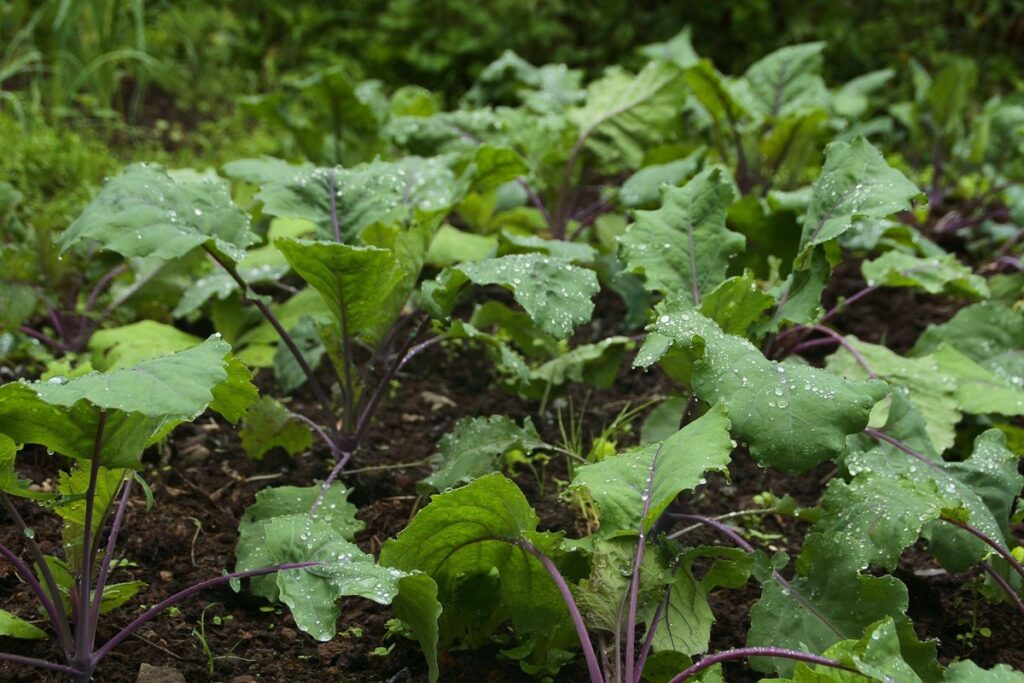
Climate and Region Considerations
When planting kale, climate and region play a significant role in determining when it’s ready to thrive. Different zones have unique considerations that affect the timing of your kale harvest.
Understanding Your Hardiness Zone
The hardiness zone system is a crucial factor to consider when deciding when to plant kale. Developed by the US Department of Agriculture (USDA), this system categorizes regions into 11 zones based on their average annual extreme minimum temperature. This classification helps gardeners determine which plants are suitable for their area and plan accordingly.
For growing kale, the optimal hardiness zones vary depending on the climate. In general, kale thrives in cooler temperatures between 40°F (4°C) and 70°F (21°C). Zones 3-7 are considered ideal for growing kale, as they provide a moderate climate with sufficient cold winters and cool summers. In these zones, you can plant kale as early as four to six weeks before the last frost date or in late summer/early fall for a fall harvest.
If you live in zones 8-10, where temperatures remain relatively mild throughout the year, you can plant kale year-round with proper care. However, be mindful of hot summers and plan accordingly by providing shade and adequate moisture to your plants.
Temperature Requirements
When planting kale, temperature plays a crucial role in determining its success. Different seasons have unique ideal temperatures for kale growth, and understanding these ranges can significantly impact your harvest.
In the spring, when soil has warmed up to at least 40°F (4°C), it’s an excellent time to plant kale. Young seedlings can tolerate light frosts, but established plants can handle temperatures as low as 25°F (-4°C). However, be cautious of extreme heat, as temperatures above 85°F (29°C) can cause the leaves to bolt and become less palatable.
For summer plantings, aim for a cooler spot with temperatures ranging from 60°F to 70°F (15°C to 21°C). Kale grown in these conditions will maintain its sweet flavor and tender texture. To protect your kale from extreme heat, provide afternoon shade or use row covers to keep the temperature down.
In fall, the ideal planting time is when temperatures begin to drop, typically around late summer to early fall. The cooler temperatures allow for a slower growth rate, resulting in a more robust and flavorful crop.
Planting Seasons for Kale
Kale is a cool-season crop that thrives in specific temperature ranges, making it essential to know when to plant during different seasons. We’ll break down the ideal planting times for kale in this section.
Spring Planting: A Guide to Success
Spring is an excellent time to plant kale, and for good reason. One of the primary benefits of planting kale in the spring is avoiding pests and diseases that thrive in warmer weather. Aphids, whiteflies, and spider mites are just a few examples of pesky insects that love warm temperatures. By planting your kale crop when the weather is still cool, you’ll reduce the likelihood of these unwanted visitors.
To prepare for spring planting, start by loosening the soil to a depth of about 8-10 inches. Add a 2-inch layer of compost or well-rotted manure to enrich the soil with nutrients. Sow kale seeds 1/4 inch deep and 12-18 inches apart in rows that are 3 feet apart. Keep the soil consistently moist during the first few weeks after sowing, as this will encourage healthy germination.
As your young plants grow, maintain a 2-inch layer of mulch around the base to retain moisture and suppress weeds. Fertilize lightly with a balanced fertilizer once a month, but avoid over-fertilizing, which can lead to weak and vulnerable growth. By following these simple steps, you’ll be well on your way to growing a healthy and thriving kale crop in the spring.
Fall Planting: Extending the Harvest Season
Fall is an excellent time to plant kale, and with some planning, you can extend the harvest season into the cooler months. The ideal conditions for fall planting are already present: temperatures range from 40°F to 70°F (4°C to 21°C), making it an ideal environment for kale growth.
Preparing your soil for fall planting is crucial. Test your soil pH and amend it if necessary, as kale prefers a slightly acidic to neutral soil with a pH between 6.0 and 7.0. Add compost or well-rotted manure to enrich the soil, ensuring it retains moisture but drains excess water.
Choose varieties specifically bred for fall harvests, such as ‘Winterbor’, ‘Lacinato’, or ‘Red Russian’. These cultivars mature faster and are more resistant to cold temperatures. Make sure to sow seeds 8-10 weeks before the first frost date in your area, allowing them to mature before the winter sets in.
With proper care, you can enjoy a bountiful harvest of kale throughout the fall season, even into early winter.
Kale Varieties and Their Planting Times
Let’s take a closer look at some of the most popular kale varieties, each with its own unique characteristics and ideal planting times to ensure optimal growth. This section will break down the key differences between them.
Heat-Tolerant Varieties: Perfect for Summer
If you’re planning to grow kale during the summer months, selecting heat-tolerant varieties is crucial. These types of kale can thrive in warm weather, typically above 60°F (15°C), and can even tolerate temperatures up to 85°F (30°C). Here are some popular heat-tolerant kale varieties that’ll perform well during the summer:
* Lacinato (also known as ‘Tuscan Kale’) has dark green, crinkled leaves that’re resistant to bolting in warm weather. It prefers full sun and can be harvested continuously.
* Red Russian is another heat-tolerant variety with curly, red-veined leaves. It’s a cold-hardy plant that’ll continue producing throughout the summer if given sufficient water and nutrients.
* Dwarf Blue Curled kale has compact growth and is more resistant to bolting than other varieties. Its blue-green leaves can be harvested in as little as 50 days.
When planting heat-tolerant kale varieties, aim for early spring or late summer/early fall for optimal results. Make sure the soil temperature reaches at least 60°F (15°C) before sowing seeds directly into the ground.
Winterkeeper and Other Cold-Hardy Varieties
If you’re looking to harvest kale during the winter months, there are several cold-hardy varieties that thrive in cooler temperatures. Winterkeeper is a popular choice for its ability to tolerate frost and continue producing leaves well into the winter season. Another variety worth considering is Lacinato, also known as ‘Dino’ kale, which has a higher tolerance for cold than many other types of kale.
When planting these varieties in late summer or early fall, make sure to choose a location with full sun and well-draining soil. Winterkeeper and Lacinato kale require about 60 days to mature, so plan accordingly when selecting the right timing for your harvest. To ensure optimal growth, provide regular water and fertilize as needed.
One key advantage of planting cold-hardy kale varieties is their ability to repel pests that target other leafy greens. For example, Winterkeeper has been shown to be resistant to aphids and whiteflies. By incorporating these varieties into your winter garden, you can enjoy a fresh harvest of nutritious kale even when the temperatures drop.
Soil Preparation and Planting Techniques
To grow delicious kale, it’s essential to prepare your soil properly and choose the right planting technique for your climate. We’ll walk you through both steps in this next section.
Preparing the Soil for Kale
Before planting kale, it’s essential to prepare the soil to create an ideal environment for growth. Kale thrives in well-draining, fertile soil with a pH between 6.0 and 7.0. To determine your soil’s pH level, you can purchase a DIY testing kit or have it analyzed by a local nursery or extension office.
Kale is a nutrient-hungry crop that requires adequate levels of nitrogen, phosphorus, and potassium to produce lush growth and vibrant colors. If your soil lacks these essential nutrients, amend it with organic matter like compost or well-rotted manure. Aim for a balanced fertilizer with a 10-10-10 ratio of N-P-K.
To improve soil structure, mix in 2-3 inches of compost or aged manure into the top 8-10 inches of soil. This will help retain moisture, suppress weeds, and support beneficial microbial activity. Additionally, incorporate small amounts of dolomitic limestone to adjust pH levels if necessary. By creating an optimal growing environment, you’ll set your kale plants up for success and enjoy a bountiful harvest.
Sowing Seeds vs. Seedlings: What’s Best?
When deciding whether to sow seeds directly into the garden or start seedlings indoors or in a greenhouse, it’s essential to consider the specific needs of kale. Direct sowing can be beneficial for early spring plantings, as it allows the young plants to develop their root systems quickly and establishes a head start on weeds.
However, starting seedlings indoors offers several advantages. It provides protection from frost and extreme weather conditions, allowing you to get a jumpstart on the growing season. Seedlings also give you more control over soil quality, temperature, and humidity levels. If you’re short on space or have limited garden real estate, starting seedlings is an excellent option.
Ultimately, the choice between sowing seeds directly into the garden versus starting seedlings indoors comes down to your specific climate, available space, and desired harvest timing. In general, direct sowing works well for early spring plantings in mild climates, while starting seedlings indoors is more suitable for cooler regions or when you want to ensure a head start on the growing season.
Consider using a combination of both methods to maximize your kale yields. Sow seeds directly into the garden as soon as the soil can be worked in the spring, and then transplant seedlings started indoors later in the season. This approach will give you a continuous harvest throughout the growing season.
Care and Maintenance Tips
To ensure your kale crop thrives, keep in mind these essential care and maintenance tips that’ll make all the difference in its health and productivity.
Watering, Fertilizing, and Pruning Kale
Watering, fertilizing, and pruning are crucial aspects of kale care that can significantly impact its growth and harvest. To keep your kale plants healthy and thriving, it’s essential to establish a regular watering schedule.
Start by watering your kale seedlings when the soil feels dry to the touch, usually about 1-2 inches deep. As they grow, increase the frequency to about 1 inch of water per week. Avoid overwatering, which can lead to root rot and other issues. Instead, aim for a consistent moisture level, like that found in a rain-soaked garden bed.
Fertilize your kale plants with a balanced fertilizer (e.g., 10-10-10 NPK) once a month during the growing season. You can also side-dress with a high-nitrogen fertilizer (e.g., 20-5-5 NPK) to promote leaf growth. For example, if you’re harvesting regularly, use a fertilizer with more nitrogen to encourage new growth.
Pruning is another vital step in promoting healthy kale growth. Remove lower leaves as they become yellowed or damaged, and trim the plant’s tips to encourage bushy growth. By removing flower buds, you’ll also prevent the plant from going to seed, which can divert energy away from leaf production.
Common Pests and Diseases: Prevention and Control
Kale is a delicious and nutritious addition to any garden, but it’s not immune to pests and diseases that can damage its leaves and impact yields. As you’re planning when to plant kale, it’s essential to be aware of the common problems that may arise.
Aphids are one of the most prevalent pests that target kale, feeding on sap and causing curled or distorted leaves. To prevent aphid infestations, use neem oil or insecticidal soap as a foliar spray every 7-10 days during peak growth periods. Encourage beneficial insects like ladybugs and lacewings by planting companion flowers nearby.
Slugs and snails are also notorious kale pests, feeding on leaves at night and leaving behind silvery trails. Use copper tape around planters or collars to deter these nocturnal critters, or try beer traps baited with yeast to lure them away from your crop.
Common diseases like powdery mildew and downy mildew can quickly spread through kale plants in humid conditions. Ensure good air circulation by spacing plants 12-18 inches apart, and water at soil level to prevent moisture accumulation on leaves. Regularly inspect your plants for signs of disease and treat promptly with fungicides if necessary.
By being proactive and taking preventive measures, you’ll be better equipped to manage common kale pests and diseases, maximizing your harvests and minimizing crop losses.
Harvesting Kale at Its Best
When harvesting kale, timing is everything – and we’re about to share our expert tips on how to pick your crop for maximum flavor and nutrition. You’ll learn when to harvest kale, what to look out for, and more!
Determining the Optimal Harvest Time
Determining when kale is ready for harvest requires attention to its visual cues and taste. Check for the leaves’ color change from a vibrant green to a deeper, richer tone. Inspect the stems for a slight yellowing or browning, indicating optimal ripeness. A simple taste test can also confirm if the kale has reached its peak flavor and texture.
To harvest, use a sharp knife or garden shears to cut the leaves at their base, leaving about an inch of stem intact. This helps prevent damage to the plant’s crown and encourages regrowth. Cut back the oldest leaves first, working your way down to younger ones. This will promote even growth and extend the harvest period.
Proper storage and preservation are crucial for maintaining kale’s flavor and nutritional value. Store freshly harvested kale in a sealed container or plastic bag, keeping it away from direct sunlight and heat sources. For long-term preservation, blanch the leaves in boiling water for 2-3 minutes, then chill them in an ice bath before freezing or dehydrating.
Tips for Extending the Harvest Season
To extend the kale harvest season, consider selecting varieties with different maturation times. This approach allows for a continuous crop rotation and staggered harvesting schedule. For example, ‘Dwarf Blue Curled’ and ‘Red Russian’ varieties typically mature within 50-60 days, while ‘Lacinato’ takes around 70-80 days to reach full maturity.
Another effective method is using row covers or cold frames to protect kale from frost and prolong its harvest period. Row covers can be applied directly over the soil to keep it warm and retain moisture. Cold frames, on the other hand, are structures that enclose plants to trap heat and protect them from harsh weather conditions.
Crop rotation strategies also play a crucial role in extending the harvest season. By alternating kale with other crops like broccoli, cauliflower, or carrots, you can avoid depleting the soil of essential nutrients and reduce pest and disease pressures. This approach ensures a continuous supply of fresh produce throughout the growing season.
Frequently Asked Questions
How do I know if my area is suitable for a fall or spring kale crop?
If you’re unsure whether your climate is better suited for a fall or spring crop, consider consulting a local nursery or extension office for guidance. They can provide information on the average frost dates and optimal planting times in your region.
Can I grow kale in containers if my yard doesn’t have suitable soil conditions?
Yes, container gardening is an excellent option for growing kale, especially if you live in areas with poor soil quality. Make sure to use a well-draining potting mix and choose compact or dwarf varieties that are specifically bred for container growth.
How can I protect my kale crop from extreme temperatures?
To safeguard your kale from frost damage, cover the plants with row covers or bring them under a cold frame during periods of prolonged freezing temperatures. When facing heatwaves, provide shade for the plants using a sheer cloth or tarp to prevent sun scorch.
What are some common pests and diseases that can affect my kale crop?
Common issues affecting kale include aphids, whiteflies, powdery mildew, and downy mildew. Regularly inspect your plants for signs of infestation or disease, and implement integrated pest management techniques such as introducing beneficial insects or using organic fungicides to control outbreaks.
How do I plan ahead for a successful kale harvest in areas with unpredictable weather patterns?
Yes, planning ahead is crucial in regions prone to extreme weather events. Consider planting cool-season crops like kale early in the season, followed by succession plantings at regular intervals. This strategy allows you to enjoy a steady harvest while adapting to changing environmental conditions.