
When it comes to creating thriving raised beds, one crucial aspect often gets overlooked: optimal soil depth. Many gardeners struggle with shallow soil that fails to support their plants’ growth, leading to stunted roots and reduced yields. But what exactly is the ideal soil depth for a raised bed? And how can you achieve it without breaking the bank or sacrificing valuable space?
In this comprehensive guide, we’ll explore the challenges of shallow soil, the benefits of deeper beds, and practical tips for designing and maintaining optimal soil depth in your raised beds. We’ll delve into the importance of root development, nutrient availability, and water retention, providing you with a clear understanding of why soil depth matters and how to optimize it for maximum results. By the end of this article, you’ll be equipped with the knowledge to create thriving raised beds that will take your gardening game to the next level.
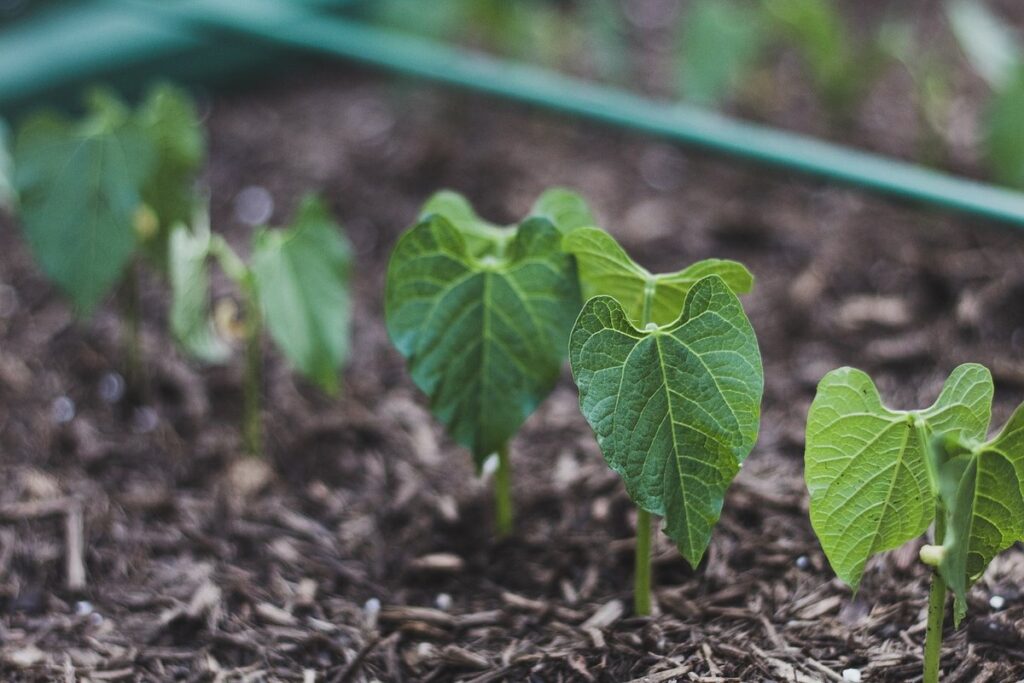
Understanding the Importance of Soil Depth in Raised Beds
Now that we’ve covered the basics, let’s dive into why soil depth is crucial for raised beds and how it impacts your plants’ growth and overall health.
What is Raised Bed Gardening?
Raised bed gardening is a fantastic way to cultivate a thriving garden, and it’s essential to understand its benefits before we dive into the importance of soil depth. Essentially, raised beds are elevated planters that allow you to grow vegetables, fruits, and flowers without having to till or compact the soil beneath.
One of the primary advantages of raised bed gardening is that it can improve soil quality significantly. By using a mix of compost, topsoil, and other amendments, you can create a rich, well-draining growing medium that’s perfect for your plants. This, in turn, leads to increased crop yields as roots have room to grow without being restricted by compacted soil.
Raised beds also make gardening more accessible, especially for those with mobility issues or limited space. You can build them at waist-high levels, reducing strain on your back and making it easier to tend to your plants. Plus, raised beds can be placed on patios, balconies, or rooftops, giving you the freedom to garden anywhere.
By implementing raised bed gardening techniques, you’ll set yourself up for success in creating a thriving and productive garden.
Challenges with Shallow Soil Depths in Raised Beds
When raised beds have shallow soil depths, it can lead to a host of challenges that affect plant health. One common issue is reduced root growth, which occurs when roots are unable to grow deep enough to access water and nutrients. This can result in stunted or spindly plants, as they rely on surface moisture rather than deeper sources.
Another problem with shallow soil depths is increased waterlogging. If the soil doesn’t have sufficient depth to absorb excess water, it can become saturated, leading to root rot and other diseases. In extreme cases, this can cause entire beds to be unusable for weeks or even months.
Soil fertility also suffers when raised beds are too shallow. Without enough depth, nutrients from organic matter like compost may not reach plant roots effectively. As a result, plants may require more frequent fertilization, which can lead to soil degradation and other problems. To avoid these issues, aim for a minimum of 6-8 inches of topsoil in your raised beds, depending on the type of plants you’re growing.
Determining the Ideal Soil Depth for Your Raised Bed
When it comes to building a thriving raised bed, determining the ideal soil depth is crucial. Let’s explore how to choose the perfect depth for your garden.
Factors to Consider When Choosing a Soil Depth
When choosing the perfect soil depth for your raised bed, several key factors come into play. Climate is one of the most significant considerations – if you live in a hot and dry region, you’ll want to choose a deeper soil profile to ensure that roots can dig deep enough to find moisture. On the other hand, if you’re gardening in an area with ample rainfall, a shallower soil depth may be sufficient.
The type of crops you plan to grow is also crucial. For example, vegetables like carrots and beets require a deeper soil profile to accommodate their long taproots, while shallow-rooted plants like lettuce and herbs can thrive in shallower soils.
Don’t forget about space constraints – if your raised bed is situated in a tight spot, you may need to opt for a shallower soil depth to make the most of the available space. Additionally, consider the mature size of the plants you’re growing, as well as any obstacles like irrigation pipes or other buried infrastructure. By taking these factors into account, you can choose the perfect soil depth for your raised bed and give your garden the best chance to thrive.
Measuring and Assessing Your Raised Bed’s Soil Depth
Measuring and assessing your raised bed’s soil depth is crucial to ensure that it provides adequate support for root growth. To accurately measure your raised bed’s soil depth, start by using a measuring tape to take note of the distance between the top of the bed and the bottom of the frame. Next, dig test holes at regular intervals within the bed, about 12 inches deep. This will give you an idea of the overall soil profile and any potential variations in depth.
Observe how plants grow within your raised bed as well. Healthy root growth tends to occur when the soil is between 6-8 inches deep. If plant roots appear to be struggling or are unable to reach water, it may indicate that the soil is too shallow. Regularly checking on plant growth and adjusting your measurements can also help you identify any inconsistencies in soil depth.
Take note of these measurements and adjust your raised bed design as needed to ensure optimal root growth.
Benefits of Deeper Soil Depths in Raised Beds
Increasing soil depth in raised beds offers numerous benefits, from improved water retention to increased yields and better root development. Let’s explore these advantages up close.
Improved Root Growth and Development
When you dig deeper into raised beds, it’s not just about aesthetics; it’s also about creating an environment that allows your plants to thrive. One of the key advantages of having a deeper soil depth is its positive impact on root growth and development.
For one, deeper soil depths allow roots to grow more extensively, enabling them to access nutrients that might otherwise remain out of reach in shallower beds. This not only leads to healthier, more robust plants but also means they can tap into these resources more efficiently. Studies have shown that vegetable yields increase by as much as 30% when grown in deeper soil.
Another benefit is improved water retention and drought tolerance. Deeper soil acts like a sponge during rainfall, gradually releasing water back into the roots as needed. This not only minimizes water waste but also ensures your plants stay hydrated even in dry spells.
Increased Crop Yields and Better Fruit Quality
When you create raised beds with deeper soil depths, you’re essentially providing your crops with a more hospitable environment to grow and thrive. Deeper soil allows roots to delve further into the earth, making nutrients, water, and oxygen more readily available. This is especially beneficial for fruiting plants like tomatoes, peppers, and cucumbers.
As a result, deeper soil depths can lead to increased crop yields due to improved access to these essential resources. For instance, studies have shown that corn yields increase by up to 20% when the top 12 inches of soil are well-draining and rich in organic matter. Similarly, fruit quality also benefits from deeper soil depths. With more nutrients available, fruits tend to be larger, sweeter, and less susceptible to disease.
To maximize these benefits, aim for a minimum of 8-10 inches of soil depth in your raised beds. However, deeper is often better. If possible, aim for at least 12-18 inches or more to give your crops the best chance to thrive. Keep in mind that you’ll need to adjust your watering schedule accordingly to ensure the deeper soil doesn’t become waterlogged.
Designing and Building Raised Beds with Deeper Soil Depths
When designing and building raised beds, one of the most crucial decisions you’ll make is choosing a soil depth that will provide optimal root growth for your plants. Let’s dive into some practical tips for creating deeper soil depths in your raised beds.
Tips for Creating Raised Beds with Adequate Soil Depth
When designing and building raised beds with adequate soil depth, it’s essential to consider several factors. First, choose materials that will allow for deeper soil depths. For example, instead of using pressure-treated wood, opt for naturally rot-resistant options like cedar or cypress. These woods can withstand the moisture levels associated with deeper soil without compromising their structural integrity.
Next, plan your bed layouts carefully. Ensure there’s enough space between beds for easy access and maintenance. A general rule of thumb is to provide at least 3-4 feet of clearance between raised beds. This will make it easier to reach the center of each bed and allow for proper air circulation around plants.
To prevent waterlogged soil, ensure your raised beds have adequate drainage. Add a layer of gravel or broken pottery at the bottom of each bed before filling with soil. This will help excess water drain away from roots, reducing the risk of root rot and other issues associated with poor drainage.
DIY Projects: Upgrading Existing Raised Beds to Improve Soil Depth
Upgrading existing raised beds can breathe new life into your garden without breaking the bank. If you’re ready to take your gardening game to the next level, follow these steps to increase soil depth and create a thriving environment for your plants.
First, remove the old soil from your raised bed by scooping it out or using a shovel to pry it loose. This will give you a fresh start and allow you to add new layers of nutrient-rich soil. Next, add a 2-3 inch layer of compost or well-rotted manure to provide essential nutrients for your plants.
Now it’s time to add the new topsoil. Choose a high-quality topsoil that is rich in organic matter and has good drainage properties. Spread the topsoil evenly across the bed, making sure to cover the entire area. Finally, reintroduce your plants by gently placing them back into their original positions or transplanting them into their new home.
As you work on upgrading your raised beds, keep in mind that it’s essential to consider factors like drainage and soil aeration when selecting materials for your project. By following these steps and choosing the right materials, you can create a deeper, more fertile soil environment that will support the growth of healthy plants.
Maintenance and Care for Deep-Soil Raised Bed Gardens
To keep your deep-soil raised bed gardens thriving, it’s essential to maintain a regular routine of watering, fertilizing, and controlling weeds that can choke out your plants. This includes monitoring soil pH levels.
Mulching and Composting Strategies for Deep-Soil Gardens
Mulching and composting are crucial strategies for maintaining healthy deep-soil gardens. By incorporating these practices into your routine, you’ll be able to promote soil fertility, suppress weeds, and regulate moisture levels. To create nutrient-rich compost, start by collecting kitchen scraps, leaves, and grass clippings in a designated pile. Balance the carbon-to-nitrogen ratio by alternating between high-carbon materials like straw and high-nitrogen materials like fresh grass.
Apply 2-3 inches of organic mulch around your plants to retain moisture and suppress weeds. Wood chips or bark work well for this purpose, but avoid using cedar or cypress as they can release chemicals into the soil. Monitor your soil pH levels by taking regular readings with a testing kit. Aim for a slightly acidic to neutral range (pH 6.0-7.0) to support optimal plant growth.
Regular mulching and composting will also improve soil structure, increasing its ability to retain water and nutrients. By implementing these strategies, you’ll create an environment that encourages deep root development and supports the overall health of your raised bed garden.
Monitoring and Adjusting Soil Depth as Needed
Monitoring your raised bed’s soil depth is crucial to maintaining optimal growing conditions for your plants. You’ll want to check the soil depth regularly, especially after planting and during periods of heavy rainfall or drought. To do this, insert a gardening fork or spade into the soil at different points in the bed, gently pulling it out without compacting the soil.
If you find that the soil has settled significantly since its initial depth, you may need to adjust it to maintain the desired depth. This is typically done by adding organic matter like compost or well-rotted manure to the top of the bed and gently raking it in. Be cautious not to over-aerate the soil, as this can damage plant roots.
It’s also essential to monitor for erosion, particularly on slopes or in areas with heavy rainfall. Mulching can help prevent erosion by holding the soil in place. Regularly inspecting your raised bed will ensure that its optimal growing conditions remain intact, and you’ll be able to identify any issues before they become severe.
Troubleshooting Common Issues with Deep-Soil Raised Beds
Don’t let a poorly designed deep-soil raised bed ruin your garden’s potential. This section addresses common issues and provides practical solutions to get you back on track.
Identifying and Addressing Compaction, Waterlogging, and Drainage Problems
When working with deep-soil raised beds, it’s essential to be aware of potential issues that can arise, such as compaction, waterlogging, and poor drainage. These problems can be detrimental to plant growth and even damage the structure of the bed itself.
Compaction occurs when soil is compressed, making it difficult for roots to penetrate and air to reach plants. To identify compaction, gently dig into the soil with your hands or a fork – if it feels hard or resistant, it may be compacted. Waterlogging happens when excess water sits in the soil, depriving roots of oxygen. Check for standing water after rain or watering sessions; if you notice pooling, adjust your irrigation schedule accordingly.
Poor drainage is often linked to the bed’s depth and design. Shallow beds can cause water to collect at the bottom, while very deep beds may lead to erosion. Regularly inspect your raised bed’s slope and consider adding features like a French drain or elevated planters to prevent water accumulation.
Ensuring Soil Aeration and Ongoing Maintenance
Soil aeration is just as crucial for deep-soil raised beds as it is for traditional garden plots. When soil becomes compacted due to heavy rainfall, irrigation, or even foot traffic, oxygen levels can plummet, harming roots and restricting plant growth. To maintain adequate aeration in your deep-soil raised bed, consider incorporating organic matter like compost or well-rotted manure into the mix.
As new plants grow, it’s essential to continue maintaining soil aeration through regular cultivation practices. Here are some tips to keep your deep-soil raised bed thriving:
* Regularly turn over the top 6-8 inches of soil with a garden fork, loosening compacted areas as needed
* Avoid using power tools like tillers or rototillers, which can damage roots and disrupt microbial life
* Consider adding a layer of mulch to retain moisture while preventing water from washing away organic matter
By adopting these maintenance strategies, you’ll create an optimal environment for your plants to thrive in. Remember, the key is to balance aeration with moisture retention – over-aeration can lead to dry spells and soil erosion.
Conclusion: The Benefits of Raised Bed Soil Depth
Now that you’ve learned how to create and maintain a raised bed, it’s time to reap the rewards. Let’s explore the benefits of increased soil depth in your thriving garden.
Recap of Key Takeaways
As we conclude our comprehensive guide to raised bed soil depth, let’s recap the key takeaways that will help you create a thriving garden. By incorporating deeper soil depths into your raised beds, you’ll be amazed at the benefits it brings to your plants.
First and foremost, deeper soil depths allow for improved root growth, which is essential for healthy plant development. With more room to grow, roots can absorb nutrients and water more efficiently, leading to stronger, more resilient plants. This, in turn, translates to increased crop yields and better fruit quality. We discussed the importance of adequate soil depth for specific crops like tomatoes, peppers, and cucumbers, which require a deeper root system to reach optimal nutrient levels.
Another significant advantage of deeper soil depths is reduced soil erosion. Shallower soils are more prone to washing away during heavy rainfall or irrigation, leading to soil loss and decreased fertility. By maintaining a deeper soil profile, you’ll experience fewer issues with soil degradation and can rely on your raised beds for years to come.
In addition to these benefits, we highlighted the importance of choosing the right materials for your raised bed frames. Opting for durable, weather-resistant materials will ensure that your beds remain structurally sound over time. This is crucial for maintaining the optimal soil depth required for healthy plant growth.
To put these takeaways into practice, consider the following tips: monitor your soil’s moisture levels regularly to avoid waterlogging or drought stress; incorporate organic matter like compost or manure tea to enrich your soil’s nutrient profile; and be patient, as it may take time for your plants to adjust to their new surroundings. By implementing these strategies, you’ll set yourself up for success in creating a thriving raised bed garden with optimal soil depth.
Frequently Asked Questions
How do I determine the ideal soil depth for a raised bed on a sloping site?
When dealing with a sloping raised bed, it’s essential to consider the natural water flow and drainage patterns. A good rule of thumb is to ensure the soil depth is at least 12-18 inches to account for any potential settling or erosion over time.
Can I use a combination of compost and existing topsoil to achieve deeper beds?
Yes, combining compost with existing topsoil can be an effective way to increase the depth of your raised bed without having to excavate extensively. However, make sure to balance the mix according to your plants’ specific needs, and maintain a consistent blend throughout the bed.
How often should I monitor and adjust the soil depth in my raised beds?
Regular monitoring is crucial to ensure optimal soil depth and prevent compaction or erosion. Check your raised beds every 1-2 months during peak growth seasons, and adjust the soil as needed to maintain a minimum of 12 inches deep.
What are some common mistakes to avoid when designing deeper raised beds?
Common pitfalls include overpacking the soil, which can lead to waterlogging and poor drainage, or neglecting to consider root depth, leading to stunted plant growth. Ensure you’re building with adequate space for roots to develop and maintaining a consistent, well-draining mix.
Can I use a raised bed kit that comes pre-assembled, or do I need to build from scratch?
Both options have their merits! Pre-assembled kits can be convenient, but may limit your ability to customize the depth and design. Building from scratch allows for more flexibility, but requires more time and effort. Consider your specific needs and preferences when deciding between these two approaches.