
Are you tired of struggling with overgrown and underperforming raspberry bushes? Regular pruning can be just what your plants need to thrive. Not only does it promote healthy growth, but it also increases fruit production and prevents disease from taking hold. When done correctly, pruning can transform your raspberry bushes into productive and pest-resistant powerhouses.
In this article, we’ll show you how to get the most out of your raspberry bushes through expert pruning techniques. We’ll cover the tools you need, the timing that’s best for pruning, and the specific cuts to make to maximize yields. With these tips, you’ll be able to enjoy a bountiful harvest from your hardworking raspberry bushes, and keep them in top condition all season long.
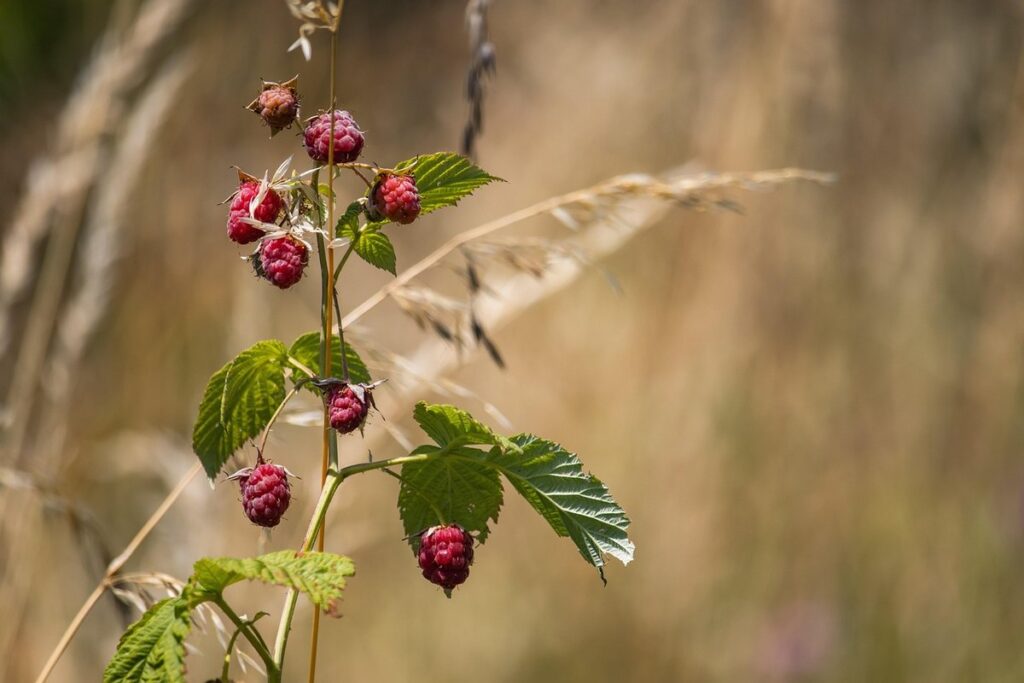
Why Prune Raspberry Bushes?
Pruning raspberry bushes is a crucial part of maintaining their health and productivity, but why is it so important? In this next section, we’ll explore the reasons behind pruning these tasty canes.
Benefits of Regular Pruning
Regular pruning is an essential practice for maintaining healthy and productive raspberry bushes. By regularly removing dead, diseased, and damaged wood, you can prevent the spread of disease and promote a balanced growth habit. This helps to direct the bush’s energy towards producing new canes and fruit rather than struggling with decayed areas.
Pruning also encourages air circulation within the plant, reducing the likelihood of fungal diseases like powdery mildew and botrytis. Regular pruning sessions help to maintain the bush’s shape and promote a strong framework, which in turn supports better fruiting.
When done correctly, regular pruning can increase fruit production by up to 50%. This is because pruning stimulates new growth, allowing more flowers to form and subsequently ripen into juicy fruits. For example, if your raspberry bushes are producing mostly small berries, it may be due to a lack of pruning, leading to an overabundance of older, less productive canes.
By incorporating regular pruning into your maintenance routine, you’ll not only improve the health and appearance of your bushes but also boost their fruiting potential.
Identifying the Need for Pruning
Identifying the need for pruning is crucial to maintaining healthy and productive raspberry bushes. One of the most obvious signs that indicate the need for pruning is overgrowth. When left unchecked, raspberry canes can become tangled and unruly, making it difficult to access the fruit. This not only reduces the overall yield but also creates an environment conducive to pests and diseases.
Another indication of the need for pruning is a lack of fruiting. If your raspberry bushes are consistently producing low yields or no fruit at all, it may be due to overcrowding or damaged canes that are competing with each other for nutrients. Pruning will help promote air circulation, reduce competition, and direct the plant’s energy towards fruit production.
Keep an eye out for signs of pests or diseases such as aphids, white powdery mildew, or black spot. These issues can be managed through pruning by removing affected areas and improving airflow around the plants. Regular monitoring will help you catch these problems early on and prevent them from spreading further.
By being aware of these signs, you’ll be able to prune your raspberry bushes at the right time and maintain a healthy and thriving plant.
Pre-Pruning Preparation
Before you start pruning, it’s essential to prepare your raspberry bushes for the task by removing any debris and checking for any signs of disease or pests. This step ensures a clean cut and healthy growth.
Choosing the Right Tools
When it comes to pruning raspberry bushes, having the right tools is essential for achieving accuracy and safety. Let’s start with the basics: a good pair of loppers should be at the top of your list. These long-handled, sharp-edged shears are perfect for cutting thicker canes, typically up to 1 inch in diameter.
In addition to loppers, a pruning saw is also a must-have tool. A good pruning saw will allow you to cut through even thicker branches with ease and precision. When choosing a pruning saw, look for one with fine teeth that won’t crush the wood and make it difficult to prune.
Don’t forget about protection! Gardening gloves are essential for preventing thorn injuries and protecting your skin from dirt and bacteria. Look for high-quality gardening gloves made of durable materials like leather or synthetic fabrics.
Remember to also keep a sharp eye out for any old, diseased, or damaged canes that need to be removed entirely. With the right tools by your side, you’ll be well on your way to expertly pruning your raspberry bushes and promoting healthy growth and production.
Understanding Pruning Techniques
When it comes to pruning raspberry bushes, understanding basic techniques is crucial for a successful outcome. One of the most fundamental techniques is cutting back canes. This process involves shortening the length of canes that have fruited heavily or are growing towards other plants. Cutting back canes helps maintain a balanced shape and promotes healthy growth by directing energy towards the crown.
Another essential technique is removing dead or diseased wood. Diseased or damaged canes not only spread disease to healthy parts of the plant but also weaken its overall structure. Inspect your raspberry bushes regularly, and remove any canes that show signs of disease or damage. Cut these canes at a 45-degree angle just above a bud eye to minimize the risk of further infection.
When pruning, always make clean cuts using sharp, sterile tools. This helps prevent spreading disease and reduces the risk of damage to the plant. Always aim for an angle that allows the cut to be below any buds or leaves, promoting healthy growth.
Removing Dead and Diseased Wood
When pruning your raspberry bushes, it’s essential to remove any dead or diseased wood to prevent the spread of disease and encourage healthy growth. This includes sections that are completely brown or have visible signs of decay.
Inspecting the Bush for Damage
When inspecting the bush for damage, it’s essential to look out for signs of disease or pests that can compromise the health and productivity of your raspberry plants. Start by gently running your hands over the stems and leaves, feeling for any soft spots, lesions, or unusual textures.
Check for fungal infections such as powdery mildew or crown rot, which can cause white or gray patches on the leaves and stems. Also, keep an eye out for signs of infestations like aphids, spider mites, or scale insects, which can leave behind sticky honeydew droplets or webbing.
Another critical area to inspect is the crown, where the roots meet the stem. Remove any dead or diseased wood from this area, as it can be a hub for disease and pests. Take a closer look at the base of the plant, checking for signs of root rot or other issues that may require more extensive treatment.
Regular inspections will help you catch problems early on, allowing you to take corrective action before they spread and compromise your entire crop.
Techniques for Removal
When removing dead or diseased wood from your raspberry bushes, it’s essential to do so safely and hygienically. This not only prevents further damage but also reduces the risk of spreading diseases to healthy areas.
To make clean cuts, use sharp pruning tools, such as loppers or a pruning saw, to minimize the risk of tearing the wood. Cut at a 45-degree angle, making sure the cut is above any visible signs of disease or decay. This helps prevent water from collecting and promoting further growth of pathogens.
After removing dead or diseased wood, disinfect your tools with a mixture of one part bleach to nine parts water. Soak the tools for 10-15 minutes before rinsing thoroughly with clean water. Regularly cleaning your tools will prevent the spread of diseases between cuts.
Regular maintenance and removal of dead or diseased wood is crucial for promoting healthy growth in raspberry bushes, preventing disease, and maintaining a productive harvest.
Pruning Canes and Stems
When it comes to pruning raspberry canes, focusing on deadheading and removing weak growth is crucial. This section will explore how to prune individual stems for a healthier bush.
Identifying Different Types of Cane Growth
When it comes to pruning raspberry bushes, understanding the different types of cane growth is crucial. As you inspect your plants, you’ll notice two main categories: primocanes and floricanes.
Primocanes are first-year canes that have grown from the ground during the current season. They’re typically thin, green, and have a more delicate appearance compared to their older counterparts. Primocanes don’t produce fruit in their first year, but they’ll store energy reserves for next year’s crop. To identify primocanes, look for new growth emerging from the base of the plant or along the canes.
Floricanes, on the other hand, are second-year canes that have produced fruit at least once before. They’re usually thicker and more woody than primocanes. Floricanes produce flowers and fruit directly, making them essential for a bountiful harvest. When pruning, distinguish between these two types by checking for signs of flower buds or last year’s fruiting wood.
By recognizing the differences between primocanes and floricanes, you’ll be better equipped to prune your raspberry bushes effectively, promoting healthy growth and optimal yields.
Techniques for Shaping the Bush
When it comes to shaping your raspberry bush, pruning techniques can make all the difference. Overgrown canes can be a challenge to manage, but with the right approach, you can promote new growth and encourage a healthy, productive bush.
To start, identify the oldest canes in the center of the bush, which are typically woody and have produced fruit in previous seasons. Cut these back to about 6-8 inches from the ground using loppers or pruning saws. This will help to stimulate new growth from the base of the cane and encourage a more open, balanced shape.
Next, focus on reducing the height of taller canes by cutting them back to around 2-3 feet above the first set of lateral branches. This will also promote new growth and prevent the bush from becoming too leggy. Make sure to make clean cuts just above a bud or node, as this will help the plant heal quickly and minimize the risk of disease.
By pruning in this way, you’ll be able to maintain a healthy balance between old and new growth, which is essential for a productive raspberry bush.
Winter Pruning vs. Spring Pruning
Now that we’ve covered when and why to prune your raspberry bushes, let’s dive into the specifics of winter pruning versus spring pruning techniques.
Understanding Seasonal Considerations
When deciding whether to prune your raspberry bushes in winter or spring, it’s essential to consider the seasonal factors that can impact the health and productivity of your plants. In colder climates, winter is a great time to prune, as the plant is dormant and less susceptible to disease and pests.
However, in warmer regions with mild winters, it may be more beneficial to wait until spring when the weather is cooler and rainfall is more consistent. This allows for better healing times for newly pruned branches and reduces the risk of sunscald and drought stress.
As a general rule, if you live in an area with freezing temperatures or prolonged periods of frost, it’s best to prune during the dormant season (winter). For regions with mild winters, pruning in early spring, before new growth begins, is often ideal. Keep in mind that regardless of the season, proper pruning techniques and timing will still affect the overall health and productivity of your raspberry bushes.
When pruning in winter, make sure to take note of any signs of disease or pests, which may be more visible during this time. Be cautious not to remove too much of the plant’s canopy, as this can lead to reduced fruiting in the following season.
Techniques for Each Season
When it comes to pruning raspberry bushes, the timing of pruning can greatly impact plant health and productivity. While winter and spring pruning share some similarities, there are distinct techniques for each season that take into account differences in plant health and growth patterns.
In winter, it’s essential to prune raspberries before new growth begins. Cut back canes to about 3-4 feet from the ground to promote healthy growth and prevent disease. This technique is particularly important for autumn-bearing varieties, as it encourages new canes to grow and produce fruit in the following year. Be cautious not to remove too much foliage, as this can stress the plant.
In spring, focus on removing dead, diseased, or damaged canes, as well as any weak growth that may be competing with healthier canes for resources. Remove any suckers that have grown from the base of the plant, as these can divert energy away from fruiting canes.
Common Mistakes to Avoid
Don’t let a few careless pruning mistakes ruin your raspberry harvest. This section will guide you through common errors to watch out for when trimming your bushes.
Inadequate Pruning Frequency
Infrequent pruning can have severe consequences on raspberry bush health and productivity. When left unpruned for extended periods, bushes become overgrown, leading to reduced fruit production and increased susceptibility to disease. This is particularly true for older bushes that have been neglected for several years.
Regular pruning helps maintain a balanced structure, allowing sunlight to penetrate the foliage and promoting healthy growth. Without adequate pruning, the bush becomes leggy, with weak wood and an increased risk of damage from wind or pests. Inadequate pruning frequency can also lead to the spread of diseases like raspberry root rot, which thrives in dense, shaded conditions.
To avoid these issues, it’s essential to establish a regular pruning schedule. Prune your raspberry bushes at least twice a year: once in late winter or early spring to remove dead and damaged wood, and again after harvesting to promote new growth and maintain bush shape. By doing so, you’ll be able to enjoy healthy, productive bushes for years to come. Remember to inspect your bushes regularly to identify any potential issues before they become severe problems.
Incorrect Pruning Techniques
When pruning raspberry bushes, it’s easy to fall into common mistakes that can harm the plant’s health and productivity. One of the most significant errors is topping or cutting too close to the ground. This can shock the plant, causing stress and potentially killing it.
Topping involves cutting off the top growth of the bush, usually to reduce its height or promote new growth. However, this method can be counterproductive as it removes the buds that produce new canes and flowers. Instead, aim for a more selective pruning approach that maintains a balanced structure while promoting healthy growth.
Cutting too close to the ground is another mistake to avoid. This technique, often referred to as “hacking back,” not only stresses the plant but also makes it more susceptible to disease and pests. When pruning, make clean cuts just above a bud or an outward-facing leaf, about 1/4 inch from the stem. This will encourage new growth and maintain the bush’s shape while minimizing stress to the plant.
Be gentle when handling your raspberry bushes during pruning. Use sharp, clean tools to avoid damaging the stems or spreading disease.
Conclusion and Next Steps
Now that you’ve learned how to prune your raspberry bushes effectively, let’s summarize what we’ve covered and explore next steps for continued success.
Recap of Key Takeaways
As you’ve learned throughout this comprehensive guide on pruning raspberry bushes, regular pruning is essential for maintaining healthy and productive plants. To recap, we covered the importance of timing, which is crucial during the dormant season to minimize stress on the plant. This allows you to make clean cuts without causing damage or promoting disease.
Proper tool maintenance and technique are also vital when pruning your raspberries. Using sharp tools will prevent crushing the stems, which can lead to infection and reduced yields. Cutting just above a bud eye ensures that new growth emerges from that point, promoting healthy branching.
In addition, we discussed how to identify the best canes for removal – those that are weak, diseased, or damaged – and how to shape your plants to maintain an open center structure, allowing sunlight to penetrate and promote fruiting. By following these guidelines and incorporating regular pruning into your routine, you’ll enjoy a bountiful harvest of delicious raspberries while maintaining the overall health and vigor of your plants.
Tips for Ongoing Pruning Maintenance
As you’ve learned the ins and outs of pruning raspberry bushes, it’s essential to incorporate this task into your ongoing maintenance routine. Pruning isn’t a one-time event; it’s an ongoing process that helps promote healthy growth, increases yields, and ensures the overall vitality of your plants.
Schedule future pruning sessions by marking them on your calendar or setting reminders on your phone. Consider pruning during the dormant season (winter or early spring), as this allows for more extensive pruning without stressing the plant. Set aside time each month to inspect your plants, remove any dead or diseased canes, and trim back overgrown tips.
To integrate pruning into your routine, establish a pattern of regular checks on your plants. Look for signs of disease, pests, or nutrient deficiencies, and address these issues promptly. By making pruning a habit, you’ll be better equipped to respond to changes in the plant’s growth patterns and ensure its optimal health throughout the growing season.
Frequently Asked Questions
What are the signs that my raspberry bushes need immediate pruning?
When you notice a significant decrease in fruit production, an increase in pests or diseases, or visible dead wood, it’s time for emergency pruning. Regular inspections will help you catch these issues early and prevent further damage.
How often should I inspect my raspberry bushes for potential issues after pruning?
Regular checks every 2-3 weeks during the growing season can help identify any new problems before they become severe. Keep an eye out for signs of disease, pests, or nutrient deficiencies, and address them promptly to maintain your bush’s health.
Can I prune my raspberry bushes at any time of year, or are there specific seasons for pruning?
While you can do some basic maintenance throughout the year, it’s best to schedule more extensive pruning during the dormant season (winter or early spring) when the plant is less active. This helps minimize stress and promotes healthy growth.
How long does it take for my raspberry bushes to recover from pruning?
The recovery time will depend on factors like the extent of the pruning, the bush’s overall health, and the growing conditions. Generally, you can expect your bushes to start producing new growth within 4-6 weeks after a thorough pruning session. Be patient and provide optimal care during this period.
What are some common mistakes beginners make when pruning their raspberry bushes?
One common error is over-pruning, which can stress the plant and reduce fruit production. Another mistake is not removing dead or diseased wood, allowing diseases to spread and further damaging the bush. Familiarize yourself with proper techniques and tools to avoid these pitfalls.