
Growing your own Swiss chard can be a rewarding experience, not only for its unique flavor but also for its numerous health benefits. This versatile leafy green is packed with essential vitamins and minerals, making it an excellent addition to any salad or sauté. But growing Swiss chard requires more than just throwing some seeds in the ground – it needs proper care and attention to thrive. In this comprehensive guide, we’ll walk you through everything you need to know about growing, caring for, and harvesting Swiss chard. We’ll cover the best varieties to plant, tips for preparing your soil, and effective pest management techniques to ensure optimal yields. Whether you’re a seasoned gardener or just starting out, our expert advice will help you grow luscious Swiss chard in no time.
Understanding Swiss Chard Basics
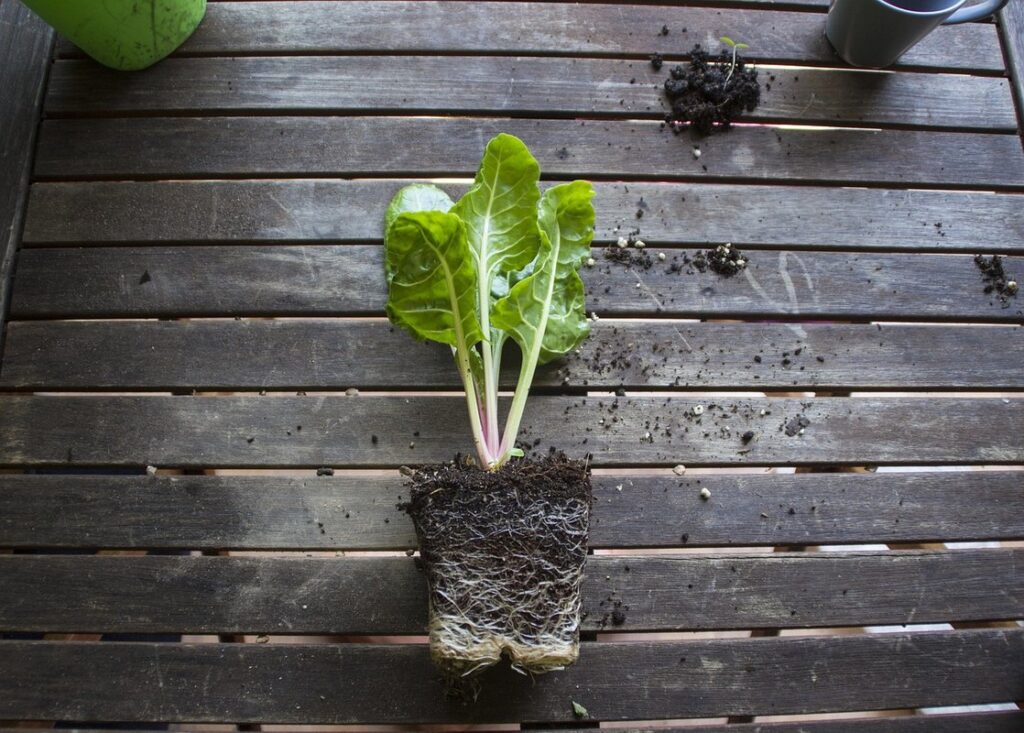
Let’s start with the basics: understanding what Swiss chard is and how it grows will help you become a more confident gardener. In this essential guide, we’ll cover its unique characteristics.
What is Swiss Chard?
Swiss chard is a nutrient-dense leafy green vegetable that has been a staple in many cuisines for centuries. Native to the Mediterranean region, Swiss chard is believed to have originated from the wild beet and spinach plants of southern Europe. Its rich flavor profile and versatility in cooking make it a favorite among chefs and home cooks alike.
Not only does Swiss chard add a pop of color to any dish, but its nutritional value is also impressive. It’s an excellent source of vitamins A, C, and K, as well as minerals like magnesium and iron. According to the United States Department of Agriculture (USDA), one cup of cooked Swiss chard contains just 55 calories while providing over 200% of the recommended daily intake of vitamin K.
In addition to its impressive nutritional profile, Swiss chard is also a low-maintenance crop to grow in your garden. Its ability to thrive in cooler temperatures and require minimal watering makes it an ideal choice for gardeners who want to maximize their harvest with minimal effort.
Choosing the Right Variety
Swiss chard is available in an array of colors, including red, gold, white, and even bi-colored. Red Swiss chard boasts more pronounced coloration and increased nutritional value due to its high anthocyanin content. Gold varieties tend to be milder in taste compared to their red counterparts and are ideal for adding a pop of color to salads.
Some popular Swiss chard types include ‘Rainbow’ and ‘Fordhook’. The former offers an assortment of colors on the same plant, while the latter features broad, flat leaves perfect for sautéing. When selecting a variety, consider factors like climate, personal taste, and the intended use in recipes. For instance, if you reside in a cooler region, opt for varieties that mature faster to avoid prolonged exposure to frost.
When choosing a Swiss chard variety, ensure it suits your local growing conditions. Some types thrive in full sun, while others prefer partial shade. Research specific requirements for your chosen variety and select seeds accordingly.
Preparing Your Soil for Swiss Chard
When it comes to growing Swiss chard, one of the most crucial steps is preparing the soil. Swiss chard prefers well-draining, fertile soil with a pH between 6.0 and 7.0. If you’re unsure about your soil’s pH level, consider getting a soil test kit or consulting with a local nursery.
To prepare your soil for optimal growth, start by loosening it to a depth of 8-10 inches. This will help break up any clods and allow for better root penetration. Next, mix in a balanced fertilizer (10-10-10 NPK) according to the package instructions. Swiss chard is a heavy feeder and requires a lot of nutrients, especially nitrogen.
In addition to fertilizing, consider adding compost or well-rotted manure to your soil. These will not only provide essential nutrients but also improve soil structure and drainage. Aim for at least 2 inches of organic matter incorporated into the top 6 inches of soil.
By following these steps, you’ll be creating a nutrient-rich environment that will support healthy Swiss chard growth from seed to harvest.
Sowing and Transplanting Swiss Chard
Now that you have a solid understanding of preparing your soil, let’s dive into the specifics of sowing and transplanting Swiss chard seeds for optimal growth.
Sowing Seeds Directly in the Ground
When sowing seeds directly into the ground for Swiss chard, it’s essential to get the spacing, depth, and timing just right. In temperate climates with mild winters, you can direct sow seeds as soon as the soil is workable in early spring or late summer/early fall.
For warmer climates with frost-free winters, you can start sowing seeds 8-10 weeks before the last frost date. Space seeds 2-3 inches apart and about 1 inch deep in well-draining soil with a pH between 6.0 and 7.0. In cooler climates with harsh winters, it’s better to sow seeds indoors 4-6 weeks before the last frost date and then transplant them outside when the weather warms up.
In regions with long growing seasons, you can direct sow seeds in late summer or early fall for a fall crop. This allows you to harvest Swiss chard during the cooler months of the year when the plants are less susceptible to bolting. Regardless of climate, be sure to sow seeds consistently and keep the soil moist during germination – this will ensure healthy seedlings with a strong start.
Transplanting Seedlings from Greenhouses or Indoor Settings
When transplanting seedlings from greenhouses or indoor settings to outdoor conditions, it’s essential to do so gradually to prevent shock. Begin by hardening off the seedlings 7-10 days before moving them outdoors. This involves gradually exposing them to natural light and temperatures over a period of time.
Start by placing the seedlings in a shaded area for 2-3 hours, then increase the duration by an hour each day until they’re outside full-time. Be mindful of extreme temperatures – avoid direct sunlight if it’s above 75°F (24°C) or below 50°F (10°C).
Monitor the seedlings closely during this process and ensure they have adequate moisture. If you notice any signs of stress, slow down the acclimation period or provide additional support.
When transplanting into outdoor conditions, choose a spot with well-draining soil and full sun to partial shade. Avoid planting in areas where water tends to collect, as this can lead to root rot. Space seedlings 2-3 inches apart to prevent overcrowding, which can lead to reduced growth and increased susceptibility to disease.
Once the seedlings are established, they’ll thrive in their new outdoor environment.
Hardening Off Seedlings Before Transplantation
Hardening off is a critical step in preparing seedlings for transplantation outdoors. This process allows them to gradually acclimate to outdoor conditions, reducing shock and increasing their chances of survival.
To harden off Swiss chard seedlings, start by moving them to a shaded area outside for 1-2 hours a day. Gradually increase the duration over the course of 7-10 days, exposing them to direct sunlight for short periods. Be cautious not to expose them to intense sunlight during peak hours, as this can cause scorching.
During the hardening-off process, it’s essential to maintain consistent moisture levels and provide adequate watering. Make sure the soil is moist but not waterlogged, as this can lead to root rot and other issues. Monitor your seedlings’ response to outdoor conditions, adjusting the hardening-off schedule as needed. For example, if you notice any signs of stress or wilting, slow down the process and give them more time to adjust.
Care and Maintenance for Optimal Growth
Now that you’ve got your Swiss chard seedlings growing, let’s talk about how to keep them thriving – proper care and maintenance is key! Regular checks on soil moisture and fertilization will go a long way.
Watering Swiss Chard: Frequency, Quantity, and Soil Moisture Check
Watering Swiss Chard correctly is crucial for its optimal growth. Overwatering can lead to root rot, while underwatering can cause the leaves to become wilted and discolored. To strike a balance, you need to understand the watering frequency of Swiss Chard.
Swiss Chard requires about 1-2 inches of water per week, either from rainfall or irrigation. However, it’s essential to check the soil moisture daily by inserting your finger into the soil up to the first knuckle. If the soil feels dry, it’s time to water.
Signs of overwatering include yellowing leaves, soft stems, and a sour smell from the roots. Conversely, signs of underwatering are wilted leaves, brittle stems, and a dull color. Monitor your plant closely and adjust watering accordingly. To prevent overwatering, ensure good drainage in the pot by adding perlite or vermiculite to the soil.
Water Swiss Chard in the morning so that the plants have the entire day to dry out slightly before nightfall. This helps prevent fungal diseases that thrive in moist conditions. Be cautious not to get water on the leaves to avoid fungal infections, instead water at the base of the plant.
Fertilizing Swiss Chard: Organic vs. Synthetic Options
When it comes to fertilizing Swiss chard, you have several options to consider. Organic matter additions are an excellent choice for promoting healthy growth and reducing soil degradation. You can add compost tea to the soil to provide beneficial microorganisms that enhance nutrient uptake. For example, a study by the University of California found that compost tea increased plant growth by 25% compared to unfertilized control groups.
Synthetic fertilizer options, such as nitrogen-rich fertilizers like ammonium nitrate or urea, can also be effective in promoting leafy greens production. However, these products may have negative environmental impacts and can deplete soil nutrients over time. If you choose to use synthetic fertilizers, be sure to follow the recommended application rates to avoid damaging your plants.
In contrast, organic options tend to release nutrients more slowly, providing a sustained feed for your Swiss chard. Consider incorporating natural materials like bone meal or fish emulsion into your fertilization routine for optimal results. When selecting an organic fertilizer, read the label carefully and look for products that are rich in nitrogen, phosphorus, and potassium (NPK) to ensure balanced nutrition for your plants.
Pruning and Training Swiss Chard for Maximum Yield
To achieve maximum yield from your Swiss chard crop, pruning and training are essential techniques to promote healthy growth. Regular pruning not only encourages bushy growth but also prevents the plant from flowering prematurely. To prune, simply pinch off the growing tips of each stem every few days, about an inch above a leaf node.
Training involves supporting the stems as they grow, which can be done by using stakes or trellises. This will help keep the plants upright and prevent them from becoming leggy. Remove any weak or spindly growth to direct the plant’s energy towards producing more flavorful leaves. For example, you can tie the stems together with twine or use tomato clips to keep them in place.
Another benefit of pruning is that it encourages lateral growth, resulting in a larger harvest at the end of each season. To make the most of this technique, remove any flower buds as they form, redirecting the plant’s energy towards leaf production instead.
Common Pests and Diseases Affecting Swiss Chard
As you tend to your Swiss chard crop, it’s essential to be aware of common pests and diseases that can affect its growth and quality. This section will help you identify potential threats.
Identifying and Managing Common Pests
Swiss chard is susceptible to various pests that can cause significant damage to the crop if left unmanaged. One of the most common pests affecting Swiss chard is aphids, which are small, soft-bodied insects that feed on sap. They have a rapid reproductive cycle, with some species able to produce up to 12 generations in just one growing season. Aphids can be controlled organically by introducing natural predators such as ladybugs or lacewings, which feed on them, or by using neem oil or insecticidal soap.
Slugs are another common pest that feeds on Swiss chard leaves at night. They have a slimy trail left behind, and their eggs hatch into young slugs that can cause further damage. To manage slugs, use copper tape around the plant stems to deter them, or set up traps with beer or yeast as bait.
Additionally, caterpillars of the Cabbage Moth can also infest Swiss chard. These pests have a distinctive yellow and white striped appearance and feed on leaves at night. They can be managed by introducing beneficial insects such as parasitic wasps that target their larvae.
It’s essential to monitor your plants regularly for signs of pest damage, such as holes in leaves or stunted growth. Early detection allows you to take action promptly and prevent the infestation from spreading. Regularly inspecting your crop and taking preventive measures can help minimize the risk of pests attacking your Swiss chard.
Recognizing and Treating Fungal and Bacterial Diseases
When growing Swiss chard, one of the most significant challenges you may face is dealing with fungal and bacterial diseases. These diseases can cause extensive damage to your crop, resulting in reduced yields and lower quality produce.
Fungal diseases are often characterized by white or grayish growths on the leaves or stems, while bacterial diseases typically cause yellowing or browning of the leaves. To identify fungal diseases, look for cottony growths on the undersides of leaves or a powdery coating on the upper surfaces. Bacterial diseases, on the other hand, often manifest as dark green or black spots.
If you suspect your Swiss chard is affected by either type of disease, it’s essential to take action promptly. For organic treatment options, try using neem oil, which can help control fungal growths without harming beneficial insects. You can also use copper-based fungicides, but be sure to follow the label instructions carefully.
Some common bacterial diseases that affect Swiss chard include powdery mildew and downy mildew. To prevent these diseases from spreading, ensure good air circulation around your plants, remove any infected leaves or stems, and maintain a clean growing environment.
Harvesting Swiss Chard: Tips and Variations
Now that you’ve successfully grown your swiss chard, it’s time to harvest it at its peak flavor and nutritional value. Let’s explore some valuable tips for harvesting this delicious leafy green.
Timing of Harvests for Maximum Flavor and Texture
When harvesting Swiss chard, timing is crucial to ensure maximum flavor and texture. The key is to harvest leaves, stems, and other parts at the right stage of maturity. For leafy greens like Swiss chard, it’s best to pick them when they’re young and tender.
For optimal flavor, harvest individual leaves as soon as they reach 4-6 inches in length. This will encourage new growth from the center of the plant, keeping it productive throughout the season. Avoid harvesting more than one-third of the leaves at a time to prevent stress on the plant.
Stems can be harvested when they’re about 1 inch thick and tender. Remove them by cutting just above a leaf node using a sharp knife or pruning shears. This will promote stem regrowth and encourage new leaf production. For root chard varieties, harvest the roots in the fall after the first frost, when the tops have died back.
In general, it’s best to harvest Swiss chard in the morning, when the plants are at their highest water content. This will help retain moisture and bring out the natural sweetness of the vegetables.
Cooking Methods and Recipe Ideas for Using Your Harvested Swiss Chard
Once you’ve harvested your Swiss chard, it’s time to think about cooking methods and delicious recipe ideas. The good news is that this versatile leafy green can be prepared in a variety of ways, bringing out its unique flavors and textures.
One of the simplest and healthiest ways to cook Swiss chard is by steaming it. This method helps retain the nutrients and makes the leaves tender but still crisp. Simply chop the leaves and stems separately, place them in a steamer basket over boiling water, and steam for 3-5 minutes or until they’re wilted.
For a heartier dish, try sautéing Swiss chard with some garlic, olive oil, and your favorite spices. This method brings out the natural sweetness of the leaves and is perfect as a side dish or added to pasta sauces. Roasting is another great option, especially for the stems, which can be chopped and tossed with olive oil, salt, and pepper before roasting in the oven at 425°F (220°C) for 10-15 minutes.
In terms of recipe ideas, consider adding Swiss chard to your favorite stir-fries, soups, or stews. You can also use it as a wrap filling, similar to collard greens or kale. Some popular recipes include Swiss chard and feta stuffed chicken breasts, chard and mushroom risotto, and even Swiss chard and egg breakfast burritos.
The nutritional benefits of consuming Swiss chard are numerous, with high levels of vitamins A, C, and K, as well as minerals like magnesium and iron. It’s also low in calories and rich in antioxidants, making it a great addition to a healthy diet. So go ahead, get creative with your Swiss chard recipes, and enjoy the delicious flavors and health benefits this versatile crop has to offer!
Frequently Asked Questions
Can I Grow Swiss Chard in Containers?
Yes, you can grow Swiss chard in containers, but make sure they are at least 6-8 inches deep to accommodate the taproot of the plant. Use a well-draining potting mix and ensure good air circulation around the container to prevent fungal diseases.
How Long Does it Take for Swiss Chard to Mature?
The time it takes for Swiss chard to mature depends on the variety, but most leafy greens are ready to harvest in about 50-60 days. Be sure to check the specific days to maturity listed on the seed packet or consult with a local nursery for guidance.
Can I Grow Swiss Chard in Shade?
While Swiss chard can tolerate partial shade, it prefers full sun (at least 4-6 hours of direct sunlight) to produce optimal yields. If you’re growing in shade, consider using a grow light to supplement the natural light and promote healthy growth.
How Often Should I Fertilize My Swiss Chard?
Fertilize your Swiss chard plants once a month with a balanced organic fertilizer (such as compost tea or fish emulsion). Avoid over-fertilizing, which can lead to weak, leggy growth and reduced flavor. Also, be sure to follow the recommended application rates to avoid burning the roots.
What’s the Best Way to Store Harvested Swiss Chard?
To store harvested Swiss chard, trim the stems, wrap the leaves in a damp paper towel or cloth, and place them in an airtight container or plastic bag. Keep it refrigerated at around 40°F (4°C) and use within 3-5 days for optimal flavor and texture.