
If you’re like most gardeners, you’ve likely struggled with subpar store-bought potting mixes that fail to deliver on their promises. They often contain unnecessary additives and can even harm your plants in the long run. But what if you could craft a custom potting mix recipe tailored to your plant’s specific needs? With a little knowledge and some basic ingredients, you can create a superior potting mix that promotes healthy root development and helps your plants thrive. In this article, we’ll explore the art of creating a customized potting mix recipe, avoiding common issues with store-bought mixes and empowering you to give your plants the best chance at success. Whether you’re a seasoned green thumb or just starting out, you won’t want to miss this essential guide on crafting a custom potting mix recipe for optimal plant growth.
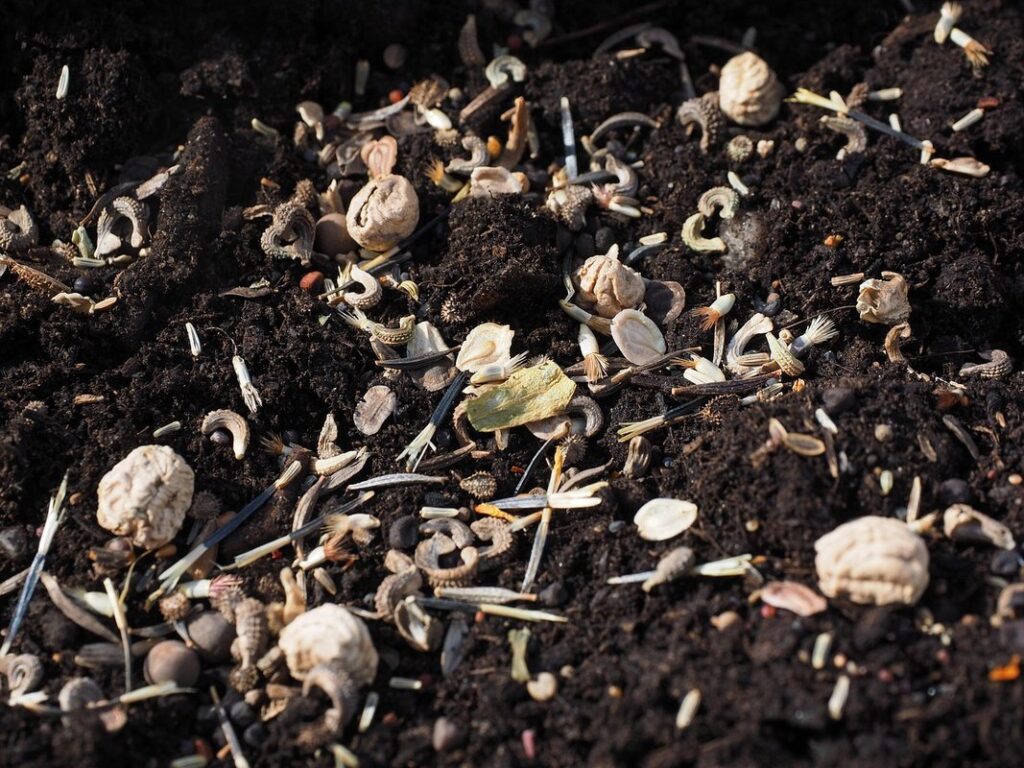
Understanding the Importance of a Good Potting Mix
A good potting mix is more than just a mixture of soil and other ingredients, it’s the backbone of a healthy plant’s growth and development. In this section, we’ll explore what makes a great potting mix essential for your plants.
What is Potting Mix?
A good potting mix is the foundation of healthy plant growth, and understanding what it’s all about will help you create a recipe that meets your plants’ needs. So, let’s start with the basics: what is potting mix? In simple terms, potting mix, also known as potting soil or garden soil, is a specifically designed blend of ingredients to support plant growth in containers. It differs from regular soil because it doesn’t contain any topsoil or other materials that can compact and prevent water from reaching the roots.
Potting mix serves several purposes: it provides adequate drainage, aeration, and water retention while also supporting beneficial microbial activity. Unlike regular soil, potting mix is formulated to meet the unique needs of container-grown plants, which are often root-bound and need more oxygen than those growing in the ground. When selecting or creating a potting mix, look for ingredients like peat moss, vermiculite, perlite, or coconut coir that help with water retention and drainage. A good potting mix can make all the difference in your plant’s health and productivity, so it’s worth investing time and effort into getting it right.
Common Issues with Store-Bought Potting Mixes
Many store-bought potting mixes fall short of providing optimal growing conditions for plants. One common issue is poor drainage, which can lead to waterlogged soil and root rot. This is often due to the high peat moss content, which may not break down quickly enough to allow proper air exchange.
Nutrient deficiencies are another problem associated with commercial potting mixes. These mixes typically contain a one-size-fits-all blend of fertilizers that might not provide the specific nutrients your plants require at different growth stages. Furthermore, some mixes may contain fillers like perlite or vermiculite, which can leach out essential micronutrients over time.
Contamination is another concern with store-bought potting mixes. These products are often manufactured in large batches and stored for extended periods, increasing the risk of bacterial or fungal contamination. Moreover, some commercial mixes may contain weed seeds or other pests that can harm your plants. To avoid these issues, consider making your own custom potting mix using a well-balanced recipe that meets your specific plant needs.
The Role of Ingredients in a Custom Potting Mix Recipe
When crafting your custom potting mix recipe, understanding the role of individual ingredients is crucial for optimal plant growth and health. Let’s break down their importance together!
Key Components: Peat Moss, Compost, and Perlite
When it comes to creating a custom potting mix recipe, understanding the role of key ingredients is crucial. Three essential components that will get you started on crafting an ideal blend are peat moss, compost, and perlite.
Peat Moss: A soil conditioner, peat moss brings numerous benefits to your potting mix. It improves water retention by allowing excess moisture to pass through while retaining enough for optimal plant growth. Additionally, it helps regulate soil pH levels and can even help repel pests and diseases that target roots. However, note that using 100% peat moss is not recommended due to its acidity; a blend with other ingredients is preferred.
Compost: As an organic amendment, compost adds fertility and structure to your potting mix. Composting kitchen scraps and yard waste breaks down into a nutrient-rich additive that can support healthy plant growth while improving soil microbial activity. To incorporate compost effectively, mix it at a rate of 10-20% with other ingredients.
Perlite: A natural volcanic glass, perlite enhances water drainage and aeration in your potting mix. It does this by increasing the volume between particles, allowing roots to breathe and preventing waterlogged conditions. Perlite can be used in various ratios depending on your specific needs; a general starting point is 10-20% perlite per mix.
Additives for Improved Soil Health and Structure
When crafting a custom potting mix recipe, incorporating additives that enhance soil health and structure can significantly impact plant growth and overall performance. One such ingredient is vermiculite, which helps retain moisture, suppress diseases, and facilitate root development. However, it’s essential to note that excessive use can lead to waterlogging and reduced nutrient availability.
Another beneficial additive is worm castings, rich in micronutrients and beneficial microbes. These microorganisms promote soil biota, improve drainage, and stimulate plant growth. Worm castings can be used in moderation, typically between 10-20% of the mix’s total volume.
Mycorrhizal fungi are also a valuable addition to potting mixes. They form symbiotic relationships with plant roots, enhancing nutrient uptake and root development. While they offer numerous benefits, it’s crucial to maintain proper pH levels (around 6-7) to prevent damage to these delicate organisms.
Creating Your Own Potting Mix Recipe
Now that you’ve mastered the basics of potting mix, it’s time to get creative and create your own custom blend using a variety of ingredients. This section will guide you through the process step by step.
Measuring and Mixing Ingredients
Measuring out each component of your custom potting mix recipe is an art that requires precision and attention to detail. To get it right, start by gathering all the ingredients you’ve selected for your mix. This may include peat moss, vermiculite, perlite, compost, and other additives.
When measuring, remember that accuracy is key. For example, if a recipe calls for 20% compost, measure out exactly 200 grams of compost per 1000 grams of total mix. Don’t eyeball it – use a digital scale to ensure you’re getting the right ratio.
Next, combine your dry ingredients in a separate container before adding any liquid components. Start by mixing the dry ingredients together until they’re evenly distributed. Then, gradually add water while mixing until the desired consistency is achieved. Be careful not to over-saturate the mix, as this can lead to waterlogging and root rot.
Common mistakes to avoid include over- or under-mixing, which can affect the structure and drainage of your potting mix. To prevent this, mix wet and dry ingredients separately before combining them.
Tips for Customizing Your Recipe
When creating your own potting mix recipe, there are several factors to consider when selecting ingredients. The type of plant you’re growing is one key consideration. For example, if you’re growing succulents, which require excellent drainage and aeration, you’ll want to use more perlite or vermiculite in your recipe.
Similarly, the climate where you live can also impact your choice of ingredients. In areas with high heat and humidity, you may need to add more peat moss to help retain moisture. Conversely, if you live in an area with low rainfall, you’ll want to include more water-holding materials like coconut coir or sawdust.
Soil type is another factor to consider when creating your own potting mix recipe. For example, if you’re using a heavy clay soil, you may need to add more perlite or sand to improve drainage. On the other hand, if you’re working with sandy soil, you can use more organic matter like peat moss or compost to help retain moisture.
Ultimately, the key is to experiment and adjust your recipe based on the specific needs of your plants and environment.
Popular Potting Mix Recipes for Different Plant Types
Now that you have a solid foundation of potting mix basics, it’s time to tailor your recipes to specific plant types, ensuring optimal growth and health. From succulents to orchids, we’ve got you covered!
Recipe 1: General Purpose Mix
When it comes to creating a versatile potting mix that caters to a wide range of plants, you’ll want to start with a basic recipe. This general-purpose mix is ideal for seedlings, cuttings, and young plants that don’t require specialized care.
To make this mix, combine the following ingredients in the right proportions:
* 40% Peat Moss or Coconut Coir: Provides excellent water retention and helps maintain a stable pH level.
* 20% Vermiculite: Aids drainage and prevents waterlogging, ensuring roots breathe freely.
* 20% Perlite: Enhances aeration and prevents root rot by allowing excess moisture to escape.
* 10% Composted Manure or Worm Castings: Rich in nutrients, these ingredients promote healthy microbial activity and plant growth.
* 10% Gypsum (calcium sulfate): Helps regulate soil pH, provides calcium, and improves overall structure.
This mix is suitable for plants like tomatoes, peppers, eggplants, cucumbers, lettuce, spinach, radishes, and herbs. You can adjust the proportions to suit specific needs or use this recipe as a starting point to create custom mixes for your plant types.
Recipe 2: Cacti and Succulent Mix
When it comes to potting mix recipes for cacti and succulents, we need to focus on ingredients that promote drought tolerance and prevent root rot. These plants are adapted to store water in their stems and leaves, so the soil needs to be able to hold moisture but also drain quickly.
A good recipe for a cacti and succulent mix would include:
* 40-50% perlite or vermiculite to improve drainage and prevent waterlogged soil
* 20-30% peat moss or coconut coir to retain moisture and add structure
* 10-20% sand or pumice to increase aeration and prevent root rot
* A small amount of organic matter like worm castings or compost tea to provide essential nutrients
To make this recipe, combine the perlite or vermiculite with the peat moss or coconut coir in a large bucket. Add the sand or pumice next, mixing well after each addition. Finally, add the organic matter and mix thoroughly.
This mix should be dry enough to hold its shape when squeezed but still retain some moisture. Use it as you would any other potting mix, and water sparingly until your plants are established.
Troubleshooting Common Issues in Your Custom Potting Mix
Don’t panic if you encounter problems with your custom potting mix – we’ve got solutions to common issues, from drainage problems to pest infestations. Let’s dive in and troubleshoot together!
Compaction and Drainage Problems
Compaction and drainage problems are common issues that can arise with custom potting mixes. When soil becomes compacted, it can prevent roots from growing properly and lead to waterlogging, which can be detrimental to plant health. To address this issue, try aerating the soil by gently mixing in some sand or perlite, which will help break up clods and improve drainage.
Rehydrating the potting mix is also essential. If your mix has become too dry due to overwatering or poor irrigation practices, add a small amount of water and let it sit for 24 hours before re-potting. Alternatively, you can create a custom solution by mixing in some worm casting or compost tea, which will not only rehydrate the soil but also provide beneficial microbes.
Another tip is to use a mix with good water-holding capacity and high organic matter content, such as peat moss or coconut coir. These materials retain moisture while allowing for air exchange, reducing the risk of compacted or poorly draining mixes. Be cautious not to overwater, as this can exacerbate the problem. Monitor your plants’ needs and adjust watering schedules accordingly.
Nutrient Deficiencies and Overfertilization
When creating a custom potting mix recipe, it’s easy to inadvertently create an imbalance of essential nutrients. This can lead to deficiencies that affect plant growth and health. One common issue is nitrogen deficiency, which causes yellowing leaves and stunted growth. To correct this, you may need to increase the amount of nitrogen-rich ingredients like compost or manure tea in your mix.
On the other hand, overfertilization can occur if too much fertilizer is added, leading to burning roots and reduced water uptake. This can be caused by excessive application of synthetic fertilizers or an imbalance in organic matter content. To prevent this, it’s essential to follow the recommended fertilizer rates and monitor plant response regularly.
Some common nutrient deficiencies that may arise from custom potting mix recipes include:
• Nitrogen (N) deficiency: causes yellowing leaves and stunted growth
• Phosphorus (P) deficiency: affects root development and flower formation
• Potassium (K) deficiency: leads to weakened stems and reduced resistance to disease
To correct imbalances, consider adjusting the ratio of organic matter to fertilizer or adding supplements like fish emulsion or bone meal. Regular soil testing can also help identify nutrient deficiencies and guide adjustments to your mix recipe.
By being aware of these potential issues and taking corrective action, you can create a balanced custom potting mix that supports healthy plant growth and development.
Conclusion: Taking Control of Your Potting Mix Recipe
Now that you have a solid foundation for your potting mix recipe, let’s talk about how to take control and tailor it to your specific needs.
Recap of Key Takeaways
As you’ve made it to the end of this comprehensive guide on creating the ultimate potting mix recipe, let’s take a moment to recap the key takeaways that’ll help you unlock optimal plant growth.
Creating a customized potting mix recipe is not just about mixing different ingredients together; it’s an art that requires understanding the unique needs of your plants and tailoring a blend that addresses those specific requirements. By now, you should have a solid grasp on the importance of each component in a potting mix, from peat moss to perlite, and how they contribute to healthy root growth, nutrient delivery, and overall plant development.
You’ve learned that using high-quality ingredients is crucial, as this directly impacts the health and resilience of your plants. A well-balanced recipe should include a mix of organic matter, such as compost or worm casting, for added fertility and structure; water-holding materials like peat moss to maintain moisture levels; and aerating agents, including perlite, vermiculite, or pumice, to prevent root rot.
We’ve also explored the concept of “soilless” potting mixes, which are gaining popularity due to their ability to support a wide range of plant species. By combining different ingredients in varying proportions, you can create a customized mix that suits the specific needs of your plants, whether they’re high-water users or drought-tolerant varieties.
To put these takeaways into practice, start by assessing the pH levels and nutrient requirements of your plants, then adjust your recipe accordingly. Don’t be afraid to experiment with different combinations of ingredients to create a unique blend that yields optimal results. With this newfound knowledge and confidence in creating customized potting mix recipes, you’ll be well on your way to cultivating robust, thriving plants that bring joy and beauty to your life.
Frequently Asked Questions
Can I use this custom potting mix recipe for all types of plants?
Yes, the recipe can be adapted to suit different plant types by adjusting the ratio of ingredients. For example, if you’re using it for cacti and succulents, you may want to add more perlite for improved drainage.
How do I store my custom potting mix when not in use?
To keep your mix fresh, store it in an airtight container, away from direct sunlight and moisture. You can also consider adding a preservative like borax or neem oil to prevent fungal growth.
Can I add fertilizer directly to the custom potting mix recipe?
No, adding fertilizer directly to the mix may cause nutrient imbalances. Instead, apply fertilizers according to the plant’s specific needs, following the recommended dosages on the label.
What if my custom potting mix is too dense or compacted?
If your mix becomes too dense or compacted, try aerating it by gently stirring in some perlite or vermiculite. This will help improve drainage and prevent waterlogged soil conditions.
Can I use this recipe for seed starting and transplanting directly into the garden?
Yes, this custom potting mix recipe can be used as a seed starting mix and then transplanted directly into the garden. However, make sure to handle the seedlings with care during transplantation to avoid damaging their roots.