
Are you tired of using the same old crops in your raised beds, only to end up with depleted soil and mediocre yields? It’s time to shake things up with one simple yet powerful technique: crop rotation. By switching between different plants, you’ll not only improve soil health but also boost yields, increase biodiversity, and create a more resilient garden ecosystem. A well-planned rotation schedule can make all the difference in your raised bed gardening journey. In this comprehensive guide, we’ll walk you through the ins and outs of crop rotation for raised beds, covering topics such as planning, scheduling, and managing your rotation cycle to maximize benefits. By implementing these expert tips, you’ll be on your way to a healthier, more productive garden that will thrive all season long.
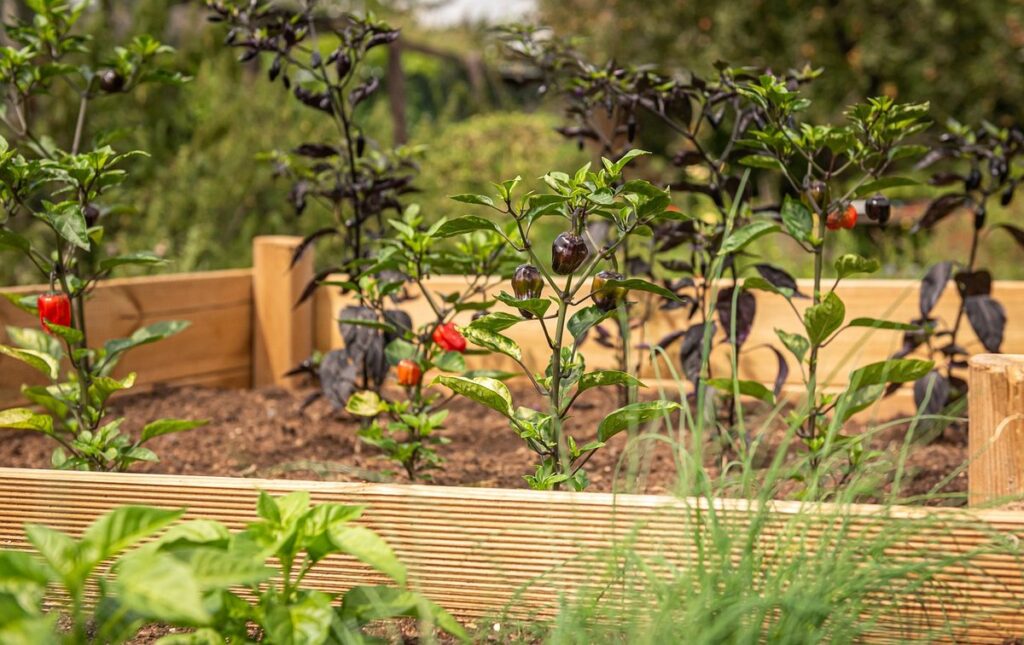
Benefits of Raised Bed Crop Rotation
By rotating crops in raised beds, you can tap into a wealth of benefits that will take your garden to the next level and make it more sustainable. Let’s dive in and explore what these advantages are!
Improving Soil Health through Rotation
Crop rotation is one of the most effective ways to improve soil health, and it’s especially beneficial when practiced in raised beds. When we rotate our crops, we’re not only reducing pests and diseases, but also replenishing the soil with essential nutrients. For example, legumes like beans and peas are rich in nitrogen-fixing bacteria, which convert atmospheric nitrogen into a form that plants can use.
As we cycle through different crop families, the soil becomes more diverse, supporting a wider range of microorganisms. This process is known as “biological fertility,” where the living organisms within the soil create humus – a nutrient-rich, dark brown substance that enhances water retention and overall fertility. To implement effective crop rotation in your raised bed, consider the following tips: (1) plan ahead by mapping out your entire growing season; (2) choose crops that have complementary growth habits and space requirements; and (3) set aside areas for cover cropping to ensure soil health throughout the year.
Enhancing Biodiversity with Rotating Crops
Crop rotation is an effective way to enhance biodiversity in raised beds. By introducing new crops and reducing pests and diseases, you can create a thriving ecosystem that benefits from the diversity of different plant species.
When rotating crops, choose varieties that complement each other in terms of growth habits, nutrient requirements, and pest resistance. For example, planting legumes like beans or peas alongside vegetables like tomatoes can help fix nitrogen in the soil, reducing the need for synthetic fertilizers. This not only promotes healthy soil but also attracts beneficial insects that prey on pests.
To maximize biodiversity, consider incorporating three main crop groups into your rotation: brassicas (broccoli, kale), solanaceous plants (tomatoes, peppers), and cucurbitaceae (cucumbers, squash). Rotate these crops every 2-3 seasons to break disease cycles and reduce pest populations. This approach will help create a resilient ecosystem that requires fewer external inputs and produces more diverse yields.
Remember, crop rotation is not just about changing the order of your crops; it’s also about selecting varieties that work well together in harmony with the raised bed environment.
Boosting Crop Yields through Rotation
Crop rotation is one of the most effective ways to boost crop yields in raised beds. By rotating crops, you can improve growth rates and increase fruit production, leading to a more bountiful harvest. For instance, a study conducted by the University of California found that rotating crops resulted in a 20% increase in tomato yield compared to continuous cropping.
One key advantage of crop rotation is that it helps to break disease and pest cycles. When you plant the same crop repeatedly in the same bed, it can lead to the buildup of pests and diseases that can significantly reduce yields. By rotating crops, you disrupt these cycles, allowing the soil to recover and reducing the need for pesticides.
To implement effective crop rotation, start by grouping your crops into categories based on their growth habits and nutrient requirements. For example, legumes (such as beans and peas) are great nitrogen-fixers and can be rotated with heavy feeders like tomatoes. Then, plan a rotation schedule that allows you to plant different crops in the same bed each season. This will help to maintain soil fertility and structure, ultimately leading to healthier and more productive plants.
Planning a Raised Bed Crop Rotation Schedule
To plan a successful crop rotation schedule, you’ll need to consider the growing requirements and preferences of each plant species in your raised bed garden. This includes thinking about companion planting and crop families.
Choosing the Right Crops for Your Rotation
When selecting crops for your raised bed rotation, it’s essential to consider their maturity dates and space requirements to ensure a harmonious coexistence. Start by categorizing your crops into three groups: quick maturing (60-90 days), medium maturing (90-120 days), and slow maturing (over 120 days). This will help you visualize the growth stages of each crop and plan accordingly.
For example, if you’re growing a quick-maturing crop like lettuce or radishes, consider pairing it with a slower-growing crop like tomatoes or peppers. The lettuce will be harvested before the tomatoes take over too much space, while the radishes can help suppress pests that target the larger crops.
Consider the root depth of your crops as well. Crops like carrots and beets need loose, well-draining soil to prevent forking, while those with taproots like parsnips and turnips prefer deeper soil. Ensure you have enough space between rows for each crop’s mature size, keeping in mind that some varieties can grow quite large.
By balancing the growth rates and space requirements of your crops, you’ll create a thriving raised bed ecosystem where each plant supports the health of its neighbors.
Creating a Seasonal Rotation Plan
When planning a seasonal rotation cycle for your raised bed garden, it’s essential to consider the unique challenges and opportunities presented by each region’s climate. Start by identifying the primary growing seasons for your area – typically spring, summer, fall, and winter – and how they impact the types of crops you can grow during each period.
Consider the most common pests and diseases that affect plants in your region, as well as their usual peak activity periods. For example, if you live in an area prone to aphids in the summer months, plan to rotate out sensitive crops like lettuce and spinach for heat-tolerant alternatives like okra or southern peas during this time.
As a general rule of thumb, aim to plant cool-season crops (like broccoli, kale, and carrots) in the spring or fall when temperatures are cooler, and warm-season crops (such as tomatoes, peppers, and eggplants) in the summer months. This will help mitigate the impact of extreme weather conditions and reduce the risk of pests and diseases affecting your crops.
Adapting the Rotation Schedule as Needed
When planning a raised bed crop rotation schedule, it’s essential to remember that flexibility is key. Conditions can change from one season to another, and it’s crucial to be able to adapt your plan accordingly.
One common challenge gardeners face is unpredictable weather patterns. Droughts, heavy rainfall, or unseasonal frosts can all impact the success of certain crops. To account for these variables, consider dividing your raised bed into smaller sections, each with its own rotation schedule. This way, if one section is struggling due to adverse conditions, you can adjust the rotation plan for that area without affecting the entire bed.
Regularly monitor your garden’s progress and be prepared to make adjustments as needed. Keep a record of what works and what doesn’t, so you can refine your approach from one season to another. For instance, if you find that a particular crop is more resilient than expected, consider incorporating it into future rotations. By embracing flexibility in your planning process, you’ll be better equipped to handle the unexpected twists and turns that come with raised bed gardening.
Managing Raised Bed Crop Rotation Challenges
As you plan and execute your raised bed crop rotation, it’s inevitable that challenges will arise – let’s tackle some common ones together. We’ll explore strategies for overcoming these hurdles.
Dealing with Pests and Diseases through Rotation
Crop rotation is an essential tool for managing pests and diseases in raised bed gardens. By changing what you plant each season, you can break the life cycle of many pests and diseases, reducing the need for chemical control methods. For example, if you’re growing a squash or melon crop that’s prone to powdery mildew, rotating with a planting like oats or rye, which repel fungal spores, can help prevent future outbreaks.
Beneficial insects also play a crucial role in pest management through rotation. Planting flowers like marigolds and calendula attracts beneficial nematodes, which prey on microscopic pests that harm plants. Similarly, incorporating companion plants like basil and mint into your rotation can deter aphids and other soft-bodied pests.
To implement effective rotation for pest control:
* Identify problem areas in your garden and rotate crops to avoid those spots.
* Plant a diverse range of species each season to attract beneficial insects.
* Consider using cover crops to suppress weeds, improve soil health, and create a habitat for beneficial insects.
* Keep a gardening journal to track which plants perform well together and which are susceptible to pests or diseases.
Rotating Crops for Improved Nutrient Management
Nutrient management is a crucial aspect of raised bed gardening, and crop rotation plays a significant role in optimizing nutrient availability. Raised beds are essentially containers that hold soil, which can quickly become depleted of essential nutrients if not managed properly.
When crops are grown continuously in the same spot, they deplete the soil of specific nutrients. For example, tomatoes require high levels of potassium and calcium, while lettuce prefers nitrogen-rich soil. By rotating crops, you can ensure that each crop receives the necessary nutrients without depleting the soil.
A simple rotation plan involves grouping crops into categories based on their nutrient requirements. Divide your raised bed garden into sections for ‘heavy feeders’ (like tomatoes and corn), ‘moderate feeders’ (such as lettuce and cucumbers), and ‘light feeders’ (like radishes and herbs). Rotate these groups annually or bi-annually to maintain soil health.
For example, if you grow tomatoes in one section of the bed, use that space for a light feeder like spinach the following season. This will allow the soil to replenish its nutrient reserves before planting another heavy feeder crop.
Overcoming Obstacles and Common Mistakes
Implementing a crop rotation plan can be challenging, but being aware of common mistakes can help you overcome obstacles and achieve success. One of the most significant errors is not considering companion planting principles, which can lead to reduced yields or even plant damage. For instance, planting tomatoes alongside strawberries can cause disease issues due to fungal spores carried by ants.
Another mistake is rotating crops too frequently, disrupting the soil’s ecosystem and potentially harming beneficial microorganisms. To overcome this, focus on rotating deep-rooted and shallow-rooted crops to maintain a balanced nutrient profile. For example, follow potatoes with legumes like beans or peas, which fix nitrogen in the soil.
Additionally, underestimating pest and disease management can also be detrimental to your crop rotation plan. Regular monitoring and using organic methods such as neem oil or introducing beneficial insects can help mitigate these issues. By being mindful of these common mistakes and taking proactive steps, you can successfully navigate raised bed crop rotation challenges.
Tips and Tricks for Successful Raised Bed Crop Rotation
To ensure a healthy and thriving raised bed garden, it’s essential to adopt a thoughtful crop rotation plan, which we’ll dive into in the following tips and tricks.
Record-Keeping and Monitoring Progress
When it comes to successful raised bed crop rotation, keeping track of progress and maintaining accurate records is crucial. This not only helps refine the crop rotation schedule over time but also ensures you’re getting the most out of your gardening space.
To start, designate a specific notebook or spreadsheet for tracking your raised bed crop rotation progress. Include columns or fields for the following information:
* Date planted
* Crop type and variety
* Location within the raised bed (if applicable)
* Notes on soil quality, weather conditions, and any challenges faced
Regularly update this record to track progress, note successes and failures, and make adjustments as needed. This will help you identify patterns and correlations between crop types, seasons, and environmental factors.
For example, if you notice that certain crops consistently perform better in the spring versus summer, you can adjust your rotation schedule accordingly. Similarly, if you encounter issues with pests or diseases, reviewing past records can provide valuable insights for future prevention strategies.
Incorporating Cover Crops into Your Rotation
Incorporating cover crops into your raised bed rotation is a game-changer for many gardeners. These unassuming plants offer numerous benefits that can transform the health and productivity of your soil. By planting cover crops between crop cycles, you’ll be amazed at the improvements they bring to your raised beds.
One of the most significant advantages of cover crops is their ability to improve soil health. Legumes like clover and beans fix nitrogen in the soil, making it available for future crops. This reduces the need for synthetic fertilizers, which can pollute waterways and harm ecosystems. Other cover crops, such as oats and rye, help suppress weeds and prevent erosion by stabilizing soil particles.
Incorporating cover crops into your rotation is relatively simple. Start by choosing a mix of plants that suit your climate and the specific needs of your raised bed. For example, if you’re transitioning from a heavy feed of tomatoes to a new crop, plant a legume-based cover crop like beans or peas. This will help replenish nitrogen levels in the soil and reduce the need for fertilizers.
Expanding Your Crop Rotation Knowledge
To further develop your knowledge of raised bed crop rotation, consider exploring the following resources. Online courses and workshops offer hands-on training and expert guidance on implementing effective crop rotation strategies. Websites like Coursera, Udemy, and edX provide a wide range of courses on sustainable gardening practices, including crop rotation.
Books can also be an excellent resource for learning about raised bed crop rotation. “The New Seed Starter’s Handbook” by Nancy Bubel is a great starting point, while “The Vegetable Gardener’s Bible” by Edward C. Smith offers comprehensive advice on crop selection and rotation. “The Four Season Farm Gardener’s Cookbook” by Barbara Damrosch explores the principles of permaculture and its application in raised bed gardens.
For those who prefer hands-on learning, workshops and conferences offer opportunities to network with experienced gardeners and learn from their successes. Attend a workshop or conference focused on sustainable gardening practices to gain valuable insights and inspiration for your own raised bed crop rotation projects.
Frequently Asked Questions
Can I start crop rotation with just one raised bed, or do I need multiple beds to see benefits?
You can start crop rotation with a single raised bed. Even with a small space, rotating crops can help improve soil health and increase yields. Start by choosing two or three easy-to-grow plants that have different nutrient requirements, such as tomatoes, cucumbers, and carrots.
How often should I rotate my crops in a raised bed to avoid depleting the soil of nutrients?
Rotate your crops every 3-4 months to give the soil time to recover. For example, if you grow a heavy feeder like tomatoes, follow with a light feeder like lettuce or spinach. This will help maintain soil fertility and reduce the need for fertilizers.
Can I use cover crops in my raised bed rotation plan, even if I have limited space?
Yes, cover crops can be an excellent addition to your raised bed crop rotation plan. Even small spaces can benefit from cover crops like clover or winter rye, which help replenish soil nutrients and attract beneficial insects.
How do I handle pests and diseases in my raised beds when implementing a new crop rotation schedule?
When introducing a new crop rotation schedule, it’s essential to monitor your plants closely for signs of pests and diseases. Use organic controls like neem oil or row covers to manage issues before they spread. Regularly inspect your crops, and adjust your rotation plan as needed to prevent future problems.
Can I use raised bed crop rotation with container gardens or in-ground beds?
Yes, you can adapt the principles of raised bed crop rotation to container gardens or in-ground beds. The key is to group plants by their nutrient requirements and growth habits. For example, in a container garden, alternate between heavy feeders like tomatoes and light feeders like herbs.