
Starting seeds indoors can be a delicate process, but with the right tools and techniques, you can achieve optimal germination rates and set your plants up for success. One crucial aspect of seed starting is choosing the right containers – a decision that can make all the difference in the health and growth of your young seedlings. But with so many types of materials and styles to choose from, it’s easy to get overwhelmed.
In this article, we’ll break down everything you need to know about using seed starting containers effectively, from selecting the right type and materials to troubleshooting common issues that can arise during germination. We’ll also provide expert tips on how to ensure optimal conditions for your seeds to thrive. By the end of this guide, you’ll be equipped with the knowledge you need to successfully start your seeds indoors and give them a strong foundation for growth.
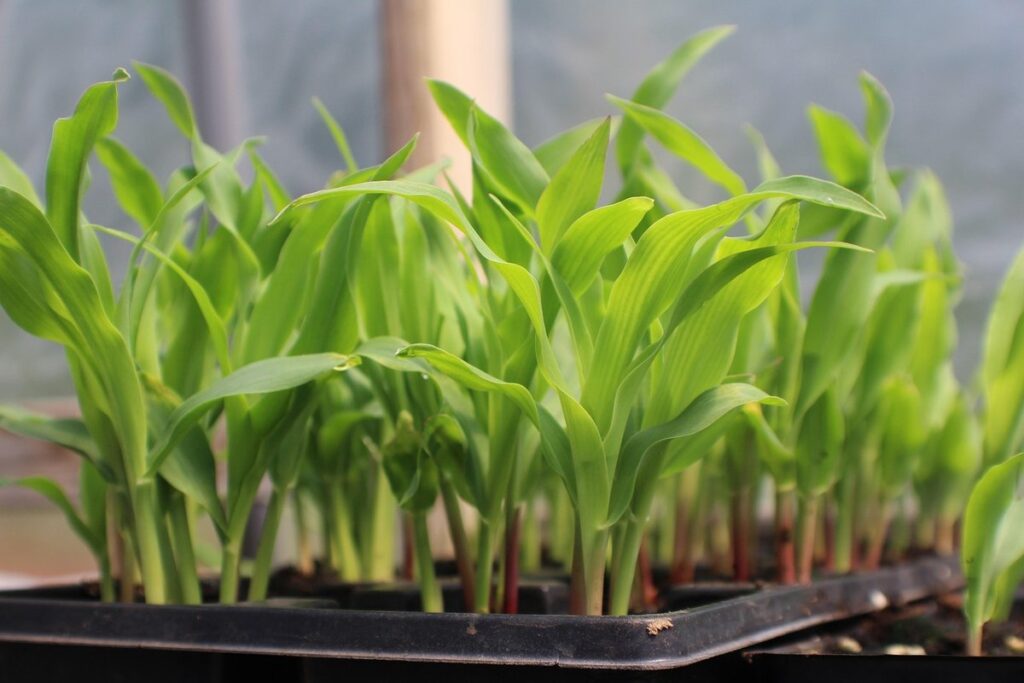
Benefits and Advantages of Using Seed Starting Containers
Using seed starting containers can bring numerous benefits, including increased germination rates and healthier seedlings that get a head start on the growing season. Let’s explore these advantages in more detail.
Types of Seed Starting Containers: Overview
When it comes to seed starting containers, you’ll find a variety of options available. One popular choice is cell packs, which are small plastic cells that hold individual seeds. These are ideal for starting multiple varieties at once and can be transplanted directly into the garden without disturbing the roots.
Another common option is peat pots, made from natural or recycled materials like coconut coir or peat moss. They’re biodegradable and allow young seedlings to develop a strong root system before being transferred into the garden. Seed trays are also widely used, often consisting of multiple cells connected by a tray.
Considerations when choosing between these types include durability, drainage, and the specific needs of your seeds. For example, delicate seeds like tomatoes might do better in cell packs with built-in ventilation, while robust varieties like sunflowers can thrive in peat pots. Be sure to research the best container type for your specific seed starting project.
When selecting a type of seed starting container, it’s essential to consider factors like ease of use and transplanting. Some containers may require more care than others during this process.
Choosing the Right Container for Your Needs
When it comes to selecting the perfect seed starting container for your needs, there are several factors to consider. Size is a crucial aspect to think about – you’ll want a container that provides enough space for your seeds to grow without becoming too crowded. A good rule of thumb is to choose a container that’s at least 1-2 inches deep and has a wide mouth for easy access.
The material of the container is also important. Plastic containers are lightweight, inexpensive, and often come with built-in drainage holes. However, they can become brittle in extreme temperatures and may not breathe as well as other materials. Cell packs, on the other hand, offer excellent aeration and can be reused multiple times. Consider your specific climate and growing conditions when deciding between these options.
Cost-effectiveness is another key consideration. While it’s tempting to choose the cheapest option available, keep in mind that some containers may not provide adequate drainage or insulation for your seeds. Look for containers made from durable materials that will withstand repeated use and harsh weather conditions. With a little research and planning, you can find the perfect seed starting container for your needs at an affordable price.
Advantages of Using Seed Starting Containers Over Traditional Methods
When using seed starting containers, you can expect to see improved germination rates compared to traditional methods. This is because these containers are specifically designed to provide optimal growing conditions for seeds. They often have built-in heating mats or warmer environments that mimic the natural temperature fluctuations that occur outside, which can help stimulate seed growth.
Seed starting containers also reduce transplant shock, making it easier to transition seedlings from the container to a larger pot or directly into the ground. This is achieved through careful control of moisture and root development. By giving roots more room to grow, you can encourage healthy development without restricting them in their early stages.
One key advantage of using seed starting containers is that they allow for better control over soil conditions. This includes maintaining optimal water levels, which can help prevent both underwatering and overwatering. As a result, your seeds are more likely to germinate and grow healthily.
To maximize the benefits, be sure to research the specific needs of the plants you’re growing and adjust your care accordingly. For example, some species require more or less moisture than others, so it’s essential to understand these variations before starting your seeds in containers.
Materials Needed for Seed Starting
To start seeds successfully, you’ll need a few essential materials that will get your plants off to a great start. Let’s take a look at what you’ll need in terms of containers and supplies.
Essential Items: Seeds, Potting Mix, Watering System
When it comes to seed starting, having the right materials can make all the difference. To get started, you’ll need three essential items: seeds, potting mix, and a watering system.
Seeds are the most obvious necessity for seed starting. However, not all seeds are created equal. When choosing seeds, look for varieties that are specifically labeled as “suitable for indoor growing” or “beginner-friendly.” Some popular options include tomato, pepper, and herb seeds. Consider purchasing high-quality seeds from reputable suppliers to ensure optimal germination rates.
A good potting mix is also crucial for seed starting success. Avoid using regular garden soil, as it can compact and prevent roots from growing properly. Instead, opt for a well-draining mix specifically designed for seedlings. This will help prevent overwatering and root rot. When selecting a potting mix, look for one that contains ingredients like perlite or vermiculite to promote healthy drainage.
A watering system is also necessary for seed starting. You can either invest in an automated watering system or use a manual method like a watering can with a fine spray nozzle. This will help you deliver the right amount of water to your seedlings without overwatering and causing more harm than good.
Optional Items: Heat Mats, Grow Lights, Thermometers
While seed starting containers are the foundation of successful seed starting, there are some optional items that can take your results to the next level. These additions might not be essential for every gardener, but they can greatly enhance the process and increase the chances of healthy seedlings.
One such optional item is a heat mat. A heat mat provides a consistent source of warmth, which is especially beneficial for seeds that require higher temperatures to germinate. This is particularly useful for plants like tomatoes, peppers, and eggplants that thrive in warmer conditions. Simply place the seed starting container on top of the heat mat and plug it in – the mat will do the rest.
Grow lights are another optional item worth considering. They provide supplemental light for seeds that don’t receive enough natural light or need a bit more encouragement to grow. This is especially true for seeds started indoors during the winter months when daylight hours are shorter. Some popular options include LED grow lights, fluorescent lights, and even homemade DIY solutions using LEDs.
Last but not least, thermometers can be a useful addition to your seed starting setup. These devices monitor temperature levels in real-time, ensuring that your seeds receive optimal conditions for germination and growth. This is particularly important for sensitive plants like orchids or African violets that require precise temperature control.
DIY vs. Store-Bought Containers: Pros and Cons
When it comes to seed starting containers, one of the first decisions you’ll need to make is whether to use store-bought containers or create your own DIY solutions. Each option has its pros and cons, which we’ll explore below.
Using store-bought containers offers convenience and ease of use. They’re readily available at most gardening stores and come in a variety of sizes to suit different seed starting needs. Plus, they’re often made from high-quality materials that can withstand the rigors of seed germination and growth. However, store-bought containers can be expensive, especially if you’re working with large quantities or need specialized equipment.
On the other hand, creating your own DIY containers can save you money and allow for greater customization. You can use recycled materials like plastic bottles, yogurt cups, or cardboard tubes to create mini-greenhouses that fit your specific seed starting needs. Just be sure to sterilize your containers thoroughly before use to prevent any potential diseases.
Ultimately, the choice between store-bought and DIY containers comes down to personal preference, budget, and available resources. Consider factors like space, equipment, and time constraints when deciding which option best suits your seed starting setup.
Preparing Your Seed Starting Containers
Before filling your seed starting containers, it’s essential to prepare them for optimal growth and a healthy start for your seeds. Let’s get started on setting up your containers correctly!
Sterilizing Containers for Optimal Results
When it comes to preparing seed starting containers for optimal results, sterilizing them is an essential step that often gets overlooked. However, failing to do so can lead to a host of problems, from seedling diseases to pest infestations.
Diseases such as damping off and root rot thrive in moist environments, which is exactly what your seedlings need to germinate. If the container isn’t properly sterilized, you’re essentially inviting these pathogens into your garden. To avoid this, wash your containers with soap and warm water before rinsing them thoroughly. This will remove any debris or bacteria that may be present.
You can take it a step further by soaking your containers in a solution of 1 part bleach to 9 parts water for 10-15 minutes. This is especially important if you’re reusing containers from previous years. After sterilizing, allow the containers to dry completely before filling them with fresh potting mix and sowing your seeds. By taking this extra step, you’ll be well on your way to growing healthy, disease-free seedlings.
Filling Containers with Potting Mix: Techniques and Tips
Filling containers with potting mix is an art that requires finesse to ensure healthy root development and optimal growth. To avoid compacting the soil, start by placing a 1-2 inch layer of potting mix at the bottom of the container. This helps prevent water from accumulating and reduces the risk of root rot.
Next, fill the container about 75% full with potting mix, leaving enough space for watering and fertilization later on. To avoid compacting the soil, gently tap the sides of the container or use a tool like a chopstick to loosen the mix as you go. This allows air pockets to form and promotes healthy root growth.
It’s essential not to overfill the container, as this can cause the roots to become waterlogged and lead to poor growth. A good rule of thumb is to stop adding potting mix when it reaches about 2-3 inches from the top of the container. This ensures there’s enough room for watering without overflowing the container.
To ensure proper moisture levels, use a damp but not soggy potting mix. This will help prevent water from accumulating in the container and reduce the risk of fungal diseases. By following these simple steps, you can fill your containers with potting mix like a pro and set your seedlings up for success.
Watering Your Seeds: The Right Amount and Frequency
Watering your seeds properly is crucial for their germination and healthy growth. It’s essential to strike a balance between overwatering and underwatering. Seeds require consistent moisture, especially during the first few days after sowing.
Check the soil daily by inserting your finger into it up to the knuckle. If the soil feels dry, it’s time to water. Water your seeds gently but thoroughly, making sure the pot drains well to prevent waterlogged soil. As a general rule, seeds need about 1-2 inches of water per week.
However, the frequency and amount of watering also depend on factors such as temperature, humidity, and the type of seed you’re growing. For example, if it’s hot and dry outside, your seeds may require more frequent watering. On the other hand, if it’s cold or rainy, they might need less water.
To prevent overwatering, ensure that your pot has good drainage holes and use a well-draining seed starting mix. Avoid getting water on the leaves or crown of the seed to prevent fungal diseases. Monitor your seeds closely and adjust your watering schedule as needed based on their response to watering.
Seed Starting Techniques for Different Types of Plants
When it comes to seed starting, not all plants require the same approach. In this next part of our guide, we’ll explore specialized techniques for various plant types.
Tips for Starting Vegetables: Tomatoes, Cucumbers, Leafy Greens
When starting seeds for popular vegetables like tomatoes, cucumbers, and leafy greens, it’s essential to consider their unique needs. For instance, tomatoes require a bit more warmth and light than other vegetables, making them ideal for seed starting containers with built-in heating mats or sunny windowsills.
For cucumbers, which prefer well-draining soil and full sun, use a larger container (at least 5-7 gallons) with a good balance of water and nutrients. Sow two to three seeds per container, thinning them out once they reach about 2 inches tall. Leafy greens like lettuce, kale, and spinach are relatively easy to start in small containers (around 1-3 gallons), but be sure to sow the seeds thinly, as overcrowding can lead to disease.
To get a head start on the growing season, most vegetables benefit from being started indoors about 4-6 weeks before the last frost date. This allows them to develop strong roots and a robust system before being transplanted outside. Make sure your seed starting containers have good drainage holes and are at least 6-8 inches deep to accommodate the developing root systems of these vegetables.
Starting Seeds for Flowers and Herbs: Special Considerations
Starting seeds for flowers and herbs can be a bit more delicate than starting seeds for vegetables. One of the main challenges is that these plants often have specific light requirements. Flowers like petunias, marigolds, and zinnias need full sun to partial shade, while herbs like basil, mint, and rosemary prefer bright, indirect light. When choosing a container for seed starting flowers and herbs, make sure it has good drainage holes to prevent waterlogged soil.
When sowing seeds for flowers, keep in mind that some varieties have specific germination requirements. For example, poppy seeds need cold stratification to break dormancy, while others like begonias require warm temperatures to germinate. When sowing herb seeds, be aware that many herbs prefer cooler temperatures and consistent moisture levels.
In addition to lighting and temperature considerations, flowers and herbs often have different spacing requirements when grown from seedlings. Planting them too close together can lead to overcrowding, reducing air circulation and promoting disease. Start with a small pot or tray and transplant the seedlings to a larger container once they’re established, giving them enough space to grow.
Some popular flower and herb varieties that are often started indoors include African violets, geraniums, and thyme. Be sure to research specific requirements for your chosen variety to ensure successful growth from seeds.
Seed Starting for Perennials and Bulbs: A Different Approach
When it comes to seed starting for perennials and bulbs, you can’t apply the same techniques used for annuals. These plants often require a different approach to ensure they establish themselves properly before being transplanted outside.
For perennials like hostas or daylilies, it’s essential to start them indoors 8-10 weeks before the last frost date in your area. This allows them to develop a robust root system before being moved into their permanent location. Use larger seed starting containers with good drainage and a well-draining potting mix.
Bulbs like tulips or daffodils need even more special care. Plant them 12-14 weeks before the last frost date, using seed trays or small pots to control the root development. Keep the soil moist but not waterlogged, as bulbs are prone to rot. Harden off the seedlings by gradually exposing them to outdoor conditions over the course of a week before transplanting.
Keep in mind that perennials and bulbs often require more time to mature than annuals. Be patient and give them the space they need to thrive.
Troubleshooting Common Issues with Seed Starting Containers
When you hit a snag while starting seeds, it’s essential to know how to troubleshoot common issues, from overwatering to inconsistent soil temperatures. Let’s work through these problems together!
Identifying and Addressing Pests and Diseases
One of the biggest challenges you’ll face when starting seeds in containers is dealing with pests and diseases. These tiny invaders can quickly take down even the healthiest seedling, leaving you feeling frustrated and defeated. But don’t worry, we’ve got some expert advice on how to identify common pests and diseases, as well as some practical tips for prevention and treatment.
Some of the most common pests that target seedlings in containers include aphids, whiteflies, spider mites, and mealybugs. These tiny creatures can spread disease and weaken your plants’ immune systems. To prevent infestations, make sure to inspect your seedlings regularly and isolate any new additions to your container garden until you’re certain they’re healthy.
Common diseases that affect seedlings in containers include root rot, leaf spot, and powdery mildew. Root rot occurs when the soil is too wet, while leaf spot and powdery mildew are often caused by overwatering or high humidity. To prevent these issues, ensure good air circulation around your containers, and avoid getting water on the leaves of your plants.
Managing Temperature Fluctuations: Tips for Optimal Germination
When it comes to seed starting containers, temperature fluctuations can be a major challenge for optimal germination and growth. The ideal temperature range for most seeds is between 65-75°F (18-24°C), but many indoor spaces can’t maintain a consistent temperature due to heating or cooling systems.
To regulate temperature fluctuations in your seed starting container, start by choosing a location with minimal exposure to drafts and extreme temperatures. East- or west-facing windows are ideal, as they receive gentle morning or afternoon sun without intense heat buildup. If you don’t have natural light, consider investing in grow lights specifically designed for seed starting.
To further stabilize the temperature, use thermal mass materials like terra cotta pots or unglazed clay containers, which absorb and release heat slowly. You can also place your seed starting container on a heating mat or warm water bath to maintain a consistent temperature. By implementing these strategies, you’ll be able to create an optimal environment for germination and promote healthy growth in your seeds.
Common Mistakes to Avoid When Using Seed Starting Containers
When using seed starting containers, it’s easy to make mistakes that can hinder seedling growth and even lead to losses. One common error is overwatering, which can cause the seeds to rot before they have a chance to germinate. To avoid this, ensure you’re not watering too frequently or with too much water. A good rule of thumb is to check the moisture level by sticking your finger into the soil up to the first knuckle.
Underwatering is another problem that’s just as detrimental to seedlings. This can cause them to dry out and become weak. To prevent this, water your seeds gently but thoroughly when the top inch of soil feels dry. Also, make sure you’re using a well-draining potting mix to help excess water escape.
Poor soil quality is another mistake that can lead to struggling seedlings. This can be due to old or low-quality potting mixes that don’t provide adequate nutrients for your seeds. To avoid this issue, replace your potting mix every year and choose a high-quality one specifically designed for seed starting.
Frequently Asked Questions
How often should I check the moisture levels of my seed starting containers?
It’s essential to regularly monitor your seed starting containers’ moisture levels, especially during the germination period (typically within the first week). Check the soil daily by inserting a toothpick or skewer into the mix, feeling for dampness. Yes, this will help prevent overwatering and ensure optimal growth.
Can I reuse my old seed starting containers?
Reusing old seed starting containers can be tempting, but it’s not always the best option. If you’ve used your containers before, there might still be bacteria or diseases present in the material. For optimal results, we recommend using clean, new containers each time to minimize the risk of contamination.
How do I ensure proper air circulation within my seed starting containers?
Proper air circulation is vital for healthy growth and germination. To promote airflow, make sure your seed starting containers have drainage holes (if not pre-drilled) and place them on a tray or surface that allows for easy water evaporation. You can also use a fan to gently circulate the air around the containers.
Can I start seeds in any type of container, or are there specific requirements?
While some containers might work for seed starting, others may not provide optimal conditions. Ideally, your containers should have drainage holes and be made from materials that won’t retain too much heat (such as plastic or ceramic). Avoid using containers with thick walls or those prone to cracking.
What’s the best way to store my seed starting containers between uses?
To extend the life of your seed starting containers and prevent contamination, it’s crucial to properly clean and store them. Wash each container thoroughly with mild soap and water after use. Then, dry them completely before storing in a cool, dark place or reusing for the next growing season.