
Are you ready to take your gardening skills to the next level? Edible flowers are a game-changer, not only adding color and vibrancy to your dishes but also providing a burst of flavor. From classic roses to more exotic varieties like violas and pansies, edible flowers can be grown in your own garden with minimal effort.
In this article, we’ll guide you through the basics of growing and using edible flowers, including how to choose the right varieties for your climate and soil type. We’ll cover topics such as sunlight requirements, harvesting techniques, and essential safety precautions. You’ll also discover new ways to incorporate edible flowers into your recipes, from salads and sauces to desserts and beverages. Whether you’re a seasoned gardener or just starting out, this article will show you the many benefits of growing and using edible flowers in your kitchen.
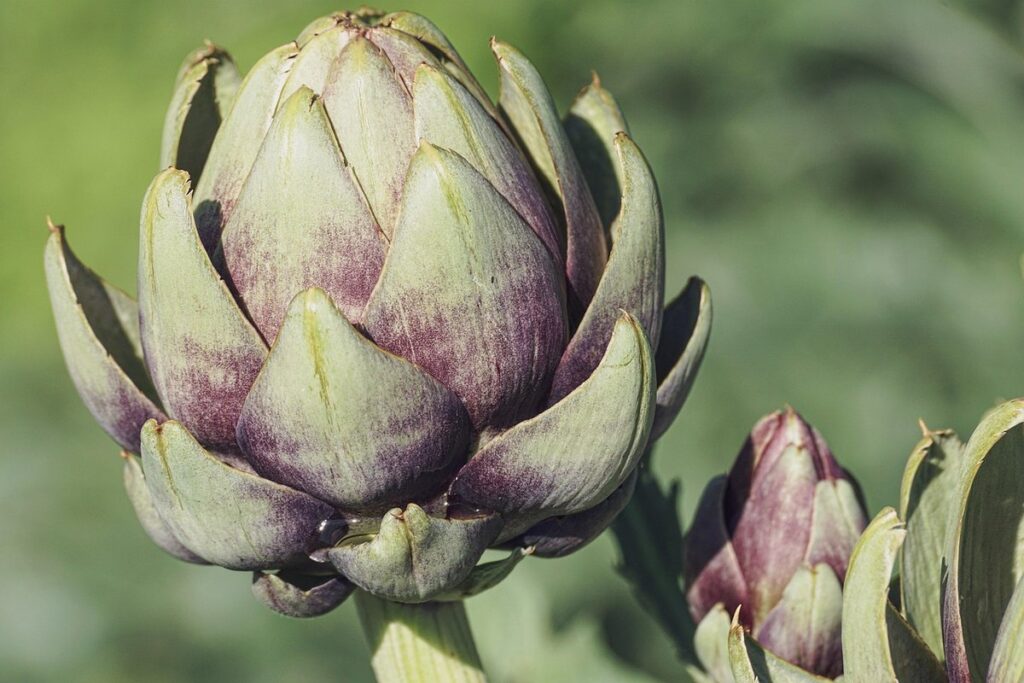
Benefits of Growing Edible Flowers
Growing edible flowers not only adds beauty and variety to your garden, but also provides a multitude of benefits for you and your family. Let’s explore how they can enhance your life.
Why Grow Edible Flowers?
Growing edible flowers is not just about having a beautiful garden; it’s also about adding an extra layer of flavor, texture, and nutrition to your dishes. Edible flowers come in a variety of shapes, sizes, and colors, each with its own unique taste profile. For example, the delicate petals of violas are sweet and slightly grassy, while the bright yellow centers of marigolds add a tangy, citrusy flavor.
Not only do edible flowers bring a burst of color to your plates, making them more visually appealing and Instagram-worthy, but they also offer numerous health benefits. Nasturtiums, for instance, contain high levels of vitamin C and have anti-inflammatory properties, while the sweet-smelling blossoms of roses are said to aid in digestion.
One of the simplest ways to incorporate edible flowers into your cooking is to use them as garnishes or add a few petals to salads, soups, or pasta dishes. You can also try using them in teas, infusions, and even baked goods. Experimenting with different types of edible flowers will not only expand your palate but also unlock new possibilities for creative and delicious meals.
Common Types of Edible Flowers
When it comes to edible flowers, there are countless options to choose from. Some of the most popular and versatile varieties include violas, pansies, roses, lavender, and nasturtiums. Each one boasts a unique flavor profile that can elevate various dishes.
Violas have a delicate, sweet taste similar to that of violets, making them an excellent addition to salads, desserts, or as a garnish for soups. Pansies are often used in teas, jellies, and candies due to their floral and slightly sweet flavor. Roses, on the other hand, add a romantic touch to any dish with their subtle rose petal flavor, commonly used in Middle Eastern cuisine. Lavender’s distinct herbal taste is perfect for baked goods, such as shortbread or scones. Nasturtiums bring a peppery kick to salads and sandwiches.
These flowers can be used not only as a garnish but also as an ingredient in various recipes. For example, violas and pansies can be dried and used in potpourri blends or herbal teas. When using edible flowers, remember to only pick blooms that are free of pesticides and other chemicals, and always use them in moderation due to their intense flavor.
Choosing the Right Edible Flowers for Your Garden
When selecting edible flowers, it’s essential to choose varieties that are not only beautiful but also safe for consumption and complement your desired recipes. This section will help you make informed decisions about which flowers to grow in your garden.
Climate Considerations
When selecting edible flowers to grow in your garden, it’s essential to consider the climate of your region. The type of edible flowers that thrive in a tropical climate will be vastly different from those that do well in temperate or cool regions.
For example, if you live in a tropical area, you can grow vibrant and fragrant blooms like orchids, hibiscus, and jasmine. These flowers are not only stunning but also packed with nutrients and flavor. In contrast, cooler climates are ideal for growing delicate flowers like violas, pansies, and nasturtiums.
In temperate regions, where the climate is generally mild, you can grow a wide range of edible flowers, including roses, lavender, and chive blossoms. When selecting edible flowers to grow in your garden, think about what types of dishes you like to cook and which flavors you enjoy. Consider also the hardiness of the plant, as some may require more maintenance than others. By choosing edible flowers that are well-suited to your climate, you can enjoy a bountiful harvest all year round.
Soil and Sunlight Requirements
When selecting edible flowers for your garden, it’s essential to consider their specific soil and sunlight requirements. Different varieties of edible flowers have varying needs, so make sure you’re providing the right environment for each type.
For example, Nasturtiums prefer well-draining soil with a slightly acidic pH, while Roses require more alkaline soil. Similarly, Sunflowers need full sun to produce an abundance of flowers, whereas Violas thrive in partial shade. Researching the specific needs of your chosen edible flower varieties will help you create a suitable environment.
To ensure optimal growth, aim for a mix of sandy and loamy soil with good drainage. Most edible flowers prefer a balanced pH between 6.0 and 7.0. When preparing the soil, add compost or manure to enrich it with nutrients. For sunlight requirements, observe the plant’s natural habitat – if it grows in full sun in the wild, replicate that in your garden.
Some examples of edible flowers with specific needs are:
* Herbs like Chives and Parsley require moist, fertile soil.
* Marigolds need well-draining soil and full sun to produce vibrant blooms.
* Lavender prefers dry, sandy soil with minimal watering.
Planting and Caring for Edible Flowers
When it comes to growing edible flowers, knowing how to plant and care for them is essential to enjoying a bountiful harvest. This section will cover all you need to know to get started.
Sowing Seeds or Transplanting Seedlings
When it comes to getting edible flowers into your garden, you have two main options: sowing seeds directly into the ground or transplanting seedlings that have already been started indoors. Both methods have their own advantages and disadvantages.
Sowing seeds allows for a more gentle introduction to the outdoors, but requires patience as it can take several weeks for them to germinate. Make sure to sow seeds at the right depth – about 1/8 inch deep is usually ideal – and in a location that receives plenty of sunlight. Also, keep in mind that different varieties have specific spacing requirements; for example, pansies and violas prefer to be sown close together (about 6-12 inches apart), while roses and orchids need more space (around 18-24 inches apart).
Transplanting seedlings is a faster option but requires more care. Harden off the seedlings by gradually exposing them to outdoor conditions over the course of 7-10 days before transplanting them into their final location. Choose a spot with well-draining soil and ensure there’s enough space for the mature plant to spread out (about 12-18 inches apart).
Regardless of which method you choose, it’s essential to provide your edible flowers with proper spacing and soil conditions. This will not only promote healthy growth but also encourage the production of more blooms.
Watering and Fertilization Needs
When it comes to watering and fertilizing your edible flowers, it’s essential to strike the right balance. Edible flowers, just like regular flowers, require adequate moisture and nutrients to grow and thrive. However, overwatering and underfertilizing are common mistakes that can harm your plants.
To avoid overwatering, check the soil daily by inserting your finger into the soil up to the first knuckle. If the soil feels dry, it’s time for watering. Water your edible flowers in the morning so the plants have the entire day to absorb the water. Be cautious not to let the water sit on the leaves or flowers to prevent fungal diseases.
As for fertilizing, use a balanced fertilizer (10-10-10 NPK) during the growing season. You can also use compost tea or worm casting as a natural alternative. Feed your plants regularly, but avoid overfertilizing, which can lead to weak growth and reduced flavor. For example, nasturtiums prefer well-draining soil with a slightly acidic pH (around 6.0-7.0), while violas thrive in neutral to alkaline soils (pH 6.5-8.0). By understanding the specific needs of your edible flowers, you’ll be able to provide them with the perfect growing conditions.
When fertilizing, start with a light application and gradually increase as needed. Monitor your plants’ response, and adjust your fertilization schedule accordingly. For instance, if you notice yellowing leaves or stunted growth, it may indicate overfertilization or underfertilization.
Harvesting and Storing Edible Flowers
Once you’ve grown your edible flowers, it’s time to harvest them at their peak flavor and fragrance, and learn how to store them for later use. Proper handling is key to keeping their beauty and deliciousness intact.
When to Harvest Edible Flowers
Harvesting edible flowers at the right time is crucial to ensure their flavor, texture, and fragrance are preserved. The optimal time for harvesting depends on the type of flower, weather conditions, and its color. For example, roses, violas, and pansies are typically ready to harvest when they’re in full bloom, usually during the morning or late afternoon.
To determine if a flower is ready for harvest, look for these signs: the petals should be fully open, and the colors should be vibrant. Check the weather forecast beforehand, as rain, high winds, or extreme temperatures can damage the delicate flowers. Harvest them when they’re still slightly firm to the touch, but not too tight.
In general, most edible flowers are ready to harvest between 6 am and 10 am, when the dew has evaporated but before the heat of the day causes them to wilt. Regular harvesting will encourage new blooms to form, making your garden a continuous source of fresh, fragrant flowers for culinary use.
Tips for Storing Fresh Edible Flowers
When it’s time to store your freshly harvested edible flowers, proper handling and storage are crucial to maintain their flavor, texture, and color. Before storing, gently wash the flowers with cold water to remove dirt and debris. Avoid using hot water or soap, as this can damage the delicate petals.
For long-term storage, place the cleaned flowers in a sealed container filled with fresh paper towels or a clean cloth. This will help maintain humidity and prevent moisture from accumulating. Store the containers in the refrigerator at a consistent temperature below 40°F (4°C).
Some edible flowers, such as violas and pansies, can be stored for up to two weeks using this method. However, more delicate varieties like lavender and roses may only last for three to five days. Regularly check on your stored flowers to ensure they remain fresh.
When storing, keep the containers away from direct sunlight and heat sources, which can cause the flowers to wilt quickly. Consider labeling each container with the date of storage and the flower variety to ensure you use the oldest ones first.
Cooking with Edible Flowers: Recipes and Ideas
Now that you have a garden filled with edible flowers, let’s explore the fun of using them in cooking. Here are some delicious recipes to get you started!
Introduction to Using Edible Flowers in Dishes
Exploring the world of edible flowers is an exciting culinary adventure waiting to be discovered. As you cultivate a garden filled with vibrant blooms, consider the endless possibilities for incorporating these delicate flowers into your recipes. Edible flowers add a touch of elegance and whimsy to dishes, making them perfect for special occasions or everyday meals.
To start experimenting with edible flowers in cooking, begin by familiarizing yourself with a few popular varieties like pansies, violas, and nasturtiums. These flowers pair well with sweet ingredients such as honey, berries, and citrus, while also complementing herbs like mint and basil. Try adding a handful of fresh pansy petals to your favorite salad or using nasturtiums in place of capers for added flavor.
Don’t be afraid to get creative – edible flowers can transform simple dishes into stunning masterpieces. Consider infusing your baked goods with rose petals, creating a fragrant jam with lavender, or even making a floral-infused oil by steeping delicate blooms in olive oil. The possibilities are endless, and the reward is not only a unique culinary experience but also a delicious way to showcase the beauty of your garden’s edible flowers.
Sample Recipes Featuring Edible Flowers
When you’re ready to take your edible flower recipes to the next level, here are three sample recipes that showcase the unique flavors and textures of different flowers.
One of our favorite recipes is a simple Nasturtium Pesto Pasta. To make it, you’ll need 1 cup fresh nasturtium leaves, 1/3 cup olive oil, 2 cloves garlic, 1 cup grated Parmesan cheese, salt, and pepper. Simply blend the ingredients together in a food processor until smooth, then toss with cooked pasta and top with additional nasturtium petals for garnish.
Another delicious option is Rose Petal and Strawberry Salad. You’ll need 1 cup fresh rose petals, 2 cups sliced strawberries, 1/4 cup crumbled feta cheese, 1/4 cup chopped pecans, and a drizzle of balsamic glaze. Simply combine the ingredients in a bowl and serve chilled.
For a more savory dish, try using violas to make Viola and Goat Cheese Tartlets. You’ll need 1 sheet puff pastry, 1/2 cup crumbled goat cheese, 1/4 cup chopped fresh violas, and salt and pepper to taste. Simply mix the ingredients together in a bowl, spoon onto pre-baked tartlet shells, and bake until golden brown.
Safety Considerations When Using Edible Flowers
When working with edible flowers, it’s essential to consider potential allergens and contaminants that can be present on delicate petals, so proper handling is crucial. This section will cover those vital safety precautions in detail.
Potential Allergies and Intolerances
When working with edible flowers, it’s essential to consider potential allergies and intolerances that may affect you or others who consume them. One common allergy associated with edible flowers is ragweed sensitivity, which can trigger symptoms such as hives, itching, and difficulty breathing in some individuals.
Another concern is pollen-related allergies, particularly for those with hay fever or seasonal allergies. While many edible flowers are low in pollen, some plants like chamomile, calendula, and sunflowers produce high amounts of allergenic pollen that may exacerbate respiratory issues.
To identify potential allergens in your garden, start by researching the types of edible flowers you’re growing and their known allergy triggers. Check online resources or consult with a healthcare professional for guidance. When handling edible flowers, wear gloves to minimize exposure to potential allergens. If you have a history of allergies or intolerances, consider growing only hypoallergenic varieties like violas, pansies, or nasturtiums. Always prioritize caution when introducing new foods into your diet, and consult with a healthcare professional if you’re unsure about any specific edible flower’s safety for consumption.
Pesticide Use and Organic Growing Practices
When growing edible flowers in your garden, it’s essential to consider the potential impact of pesticide use on their safety for consumption. Conventional pesticides can leave toxic residues on plants, posing a risk to human health if ingested. This is particularly concerning when it comes to edible flowers, which are often used as garnishes or added directly to salads.
To ensure your homegrown edible flowers are safe to eat, adopt organic gardening practices whenever possible. Start by choosing pest-resistant flower varieties and maintaining a balanced ecosystem in your garden through companion planting and crop rotation. If pests do become an issue, try using natural deterrents like neem oil or diatomaceous earth instead of chemical pesticides.
When shopping for seedlings or plants, look for those labeled as “organic” or “grown without pesticides.” Regularly inspecting your flowers for signs of pest damage or disease can also help prevent the need for chemical treatments. By taking these precautions, you can enjoy your homegrown edible flowers with confidence and savor their unique flavors and textures in your cooking.
Frequently Asked Questions
Can I grow edible flowers indoors if I don’t have a large garden?
Yes, many varieties of edible flowers can be grown indoors on a windowsill or under grow lights. Start with easy-to-grow options like pansies and violas, which thrive in containers and require minimal care.
How do I ensure the edible flowers I harvest are free from pesticides and contaminants?
To minimize exposure to pesticides and contaminants, focus on growing your own edible flowers using organic practices. Avoid purchasing flowers from commercial sources, and instead opt for homegrown or locally sourced options that align with your values.
Are there any specific climate considerations when choosing edible flowers for my garden?
Yes, consider the temperature sensitivity of different edible flower varieties. For example, roses prefer warmer climates (above 60°F), while violas thrive in cooler temperatures (below 70°F). Research the specific climate requirements for each variety to ensure optimal growth.
Can I use edible flowers in baked goods and desserts as well as savory dishes?
Absolutely! Edible flowers can add flavor, color, and texture to a wide range of recipes, including baked goods, salads, sauces, and beverages. Be sure to research the specific culinary uses for each variety and follow proper food safety guidelines.
How do I store edible flowers after harvesting to maintain their freshness and potency?
To preserve the freshness and potency of your harvested edible flowers, store them in a cool, dry place or refrigerate them in an airtight container. Use within 24-48 hours for best flavor and texture.