
Watering your plants can be a daunting task, especially if you’re new to gardening or unsure about the right techniques. With so many different types of plants requiring varying levels of moisture, it’s easy to get confused and end up over- or under-watering your precious greenery. Not only can this lead to unhappy plants, but it can also waste water and resources in the process. In our comprehensive guide on the best way to water plants, we’ll break down the key considerations for different types of plants, discuss the most effective watering methods, and explore seasonal strategies for keeping your plants healthy and thriving throughout the year. Whether you’re a seasoned gardener or just starting out, this article will provide you with the expert advice you need to give your plants the best chance at success.
Understanding Plant Watering Needs
Now that we’ve covered how often to water your plants, let’s dive into the specifics of understanding their individual needs. This is where research and observation come in handy.
Types of Plants and Their Watering Requirements
When it comes to watering plants, one of the most critical factors is understanding their specific needs. Different types of plants require varying levels of moisture, making it essential to tailor your approach.
For indoor plants, consider the likes of ferns and peace lilies, which prefer high humidity and consistent moisture. These plants thrive in environments with temperatures between 65-75°F (18-24°C), where they receive bright, indirect light. Water them thoroughly, allowing excess water to drain before placing the pot on a tray filled with water and pebbles to maintain optimal humidity.
On the other hand, outdoor plants like succulents and cacti are more drought-tolerant. They typically require infrequent watering, as their roots store water in their stems. Water these plants when the soil is dry to the touch, usually every 7-10 days during the spring and summer months. Be cautious not to overwater, as this can cause root rot.
Some plants, like tomatoes and cucumbers, have specific needs due to their high water requirements for growth. They require consistent moisture throughout their growing season, typically requiring watering every 2-3 days during peak heat.
Another consideration is the type of potting mix used. Well-draining mixes are ideal for most plants, while those in low-humidity environments benefit from self-watering containers or pots with built-in water reservoirs.
Understanding your plant’s unique needs will help you develop a tailored watering schedule. Observe their responses to different levels of moisture and adjust accordingly.
Factors That Influence Plant Watering
When it comes to watering your plants, several factors come into play that can either make or break their health. Climate is one of the most significant influencers when it comes to plant watering needs. In hot and dry climates, plants will require more frequent watering, while in cooler and wetter climates, less water may be needed.
Soil type also plays a crucial role in determining how often your plants need watering. Sandy soils drain quickly, meaning they dry out faster and require more frequent watering, whereas clay soils retain moisture longer, requiring less attention from you. If you’re unsure what type of soil you have, a simple squeeze test can help: if the soil crumbles easily, it’s likely sandy; if it forms a tight ball, it’s probably clay.
Lastly, pot size is another factor to consider when watering your plants. Smaller pots dry out faster due to increased evaporation and heat absorption from the surrounding environment, so be prepared to water more often for these babies. On the other hand, larger pots provide better insulation, reducing evaporation rates and allowing you to water less frequently.
Keep in mind that even within a single plant species, individual needs can vary depending on their age, health, and growth stage.
How to Determine When Your Plants Need Watering
Determining when your plants need watering can be an art that requires attention to detail. Start by checking the soil moisture by sticking your finger into the soil up to the first knuckle. If the soil feels dry, it’s time to water. However, if it’s already moist, wait a day or two before re-checking.
Observe your plants’ leaves for signs of watering needs. Wilting or droopy leaves often indicate underwatering, while yellowing or browning leaves can be a sign of overwatering. Monitor the color and texture of your plants’ leaves to gauge their hydration levels.
Pay attention to changes in temperature and humidity, as these factors affect plant water requirements. For example, if you live in an arid climate, your plants may need more frequent watering than those in a humid environment. By regularly inspecting your plants and adapting to changing conditions, you’ll develop a sense of when they need water.
Remember, it’s better to err on the side of caution and underwater slightly than risk overwatering, which can be detrimental to plant health.
Choosing the Right Watering Method
When it comes to watering your plants, you’ve got a few options to consider: drip irrigation, soaker hoses, or traditional overhead sprinklers. Let’s dive into the details of each method.
Manual Watering vs. Automated Systems
When it comes to watering your plants, you have two main options: manual watering methods and automated systems. While both approaches have their pros and cons, understanding the differences between them can help you choose the best method for your specific needs.
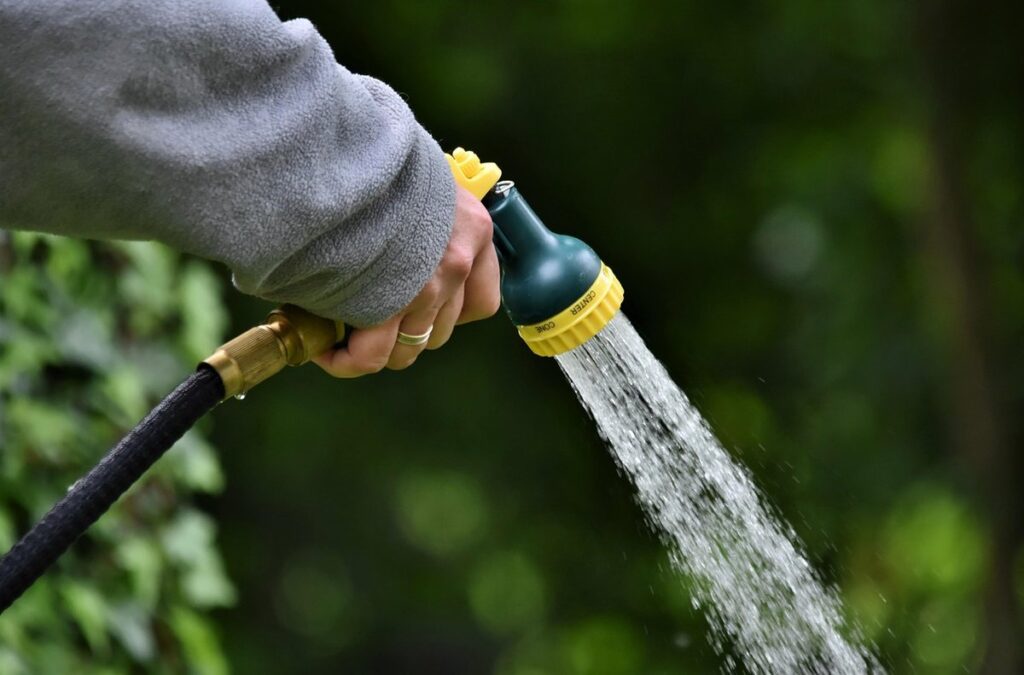
Manual watering involves using a watering can or hose to supply water directly to your plants. This approach allows for great control over the amount of water being applied, making it ideal for small gardens or indoor spaces where precision is key. However, manual watering can be time-consuming and may lead to overwatering if not monitored carefully.
Automated systems, on the other hand, use sensors and timers to regulate water supply, ensuring that plants receive just the right amount of moisture. Smart irrigation controllers, for example, can detect soil moisture levels and adjust watering schedules accordingly. This approach is more convenient and efficient, but may require a higher upfront investment in equipment and installation.
Ultimately, the choice between manual and automated systems depends on your specific situation. If you have limited space or prefer hands-on control, manual watering might be the way to go. But if you’re looking for a low-maintenance solution that can adapt to changing environmental conditions, an automated system could be the better fit.
Best Practices for Manual Watering
When it comes to manual watering, getting it just right is crucial for your plants’ health. First and foremost, observe your plant’s soil moisture by inserting your finger into the soil up to the first knuckle. If the soil feels dry, it’s time to water.
To determine the right amount of water, start with a small amount (about 1-2 cups) and gradually increase as needed. Overwatering is just as damaging as underwatering, so be cautious not to overdo it.
Water your plants in the morning or early afternoon when they’re most receptive to water absorption. Avoid watering at night, as this can encourage fungal growth and root rot.
As a general rule of thumb, water your plants once a week during spring and summer months when they’re actively growing. During fall and winter, reduce watering frequency to every 10-14 days. Adjust these frequencies based on the specific needs of your plants and their environment.
Some plants, like succulents and cacti, require infrequent but thorough watering, while others, like ferns and peace lilies, prefer consistent moisture. Research your plant’s specific needs or consult with a gardening expert to ensure you’re providing optimal care.
Benefits and Drawbacks of Automated Systems
Automated watering systems have become increasingly popular among plant enthusiasts due to their convenience and efficiency. On one hand, these systems offer several benefits that make them an attractive option for many gardeners.
One of the most significant advantages of automated watering systems is their ability to save time and effort. With a simple installation process, you can set up your system to water your plants at predetermined intervals, eliminating the need for daily manual watering. This feature is especially useful for busy individuals or those who tend to forget to water their plants.
Another benefit of automated systems is their ability to maintain consistent moisture levels in the soil. By providing a controlled amount of water, these systems prevent overwatering and underwatering, which can be detrimental to plant health.
However, there are also some drawbacks to consider when using automated watering systems. For instance, they may not adjust well to changes in weather patterns or seasonal fluctuations in watering needs. Additionally, the initial cost of purchasing an automated system can be steep for many gardeners.
When choosing between manual and automated watering methods, it’s essential to weigh these benefits against the drawbacks and consider your specific plant care needs.
Water Conservation Methods for Plants
When it comes to watering your plants, using water conservation methods can make a big difference. This section will explore various techniques to minimize waste and keep your plants hydrated effectively.
Drip Irrigation vs. Sprinkler Systems
When it comes to watering your plants, two popular methods are drip irrigation and sprinkler systems. While both have their benefits, when it comes to water efficiency, drip irrigation is the clear winner.
Drip irrigation delivers water directly to the roots of the plant, reducing evaporation and runoff. This means that up to 50% less water is used compared to traditional sprinkler systems. With drip irrigation, you can also adjust the flow rate and coverage area to suit your specific needs, making it a highly customizable option.
On the other hand, sprinkler systems spray water over a wide area, often resulting in wasted water due to evaporation, runoff, and overspray. According to the EPA, a traditional sprinkler system can use up to 10,000 gallons of water per month for a single household. In contrast, drip irrigation uses significantly less water – around 2-3 gallons per hour.
If you’re looking to save money on your water bill and reduce your environmental impact, ditch those sprinklers and make the switch to drip irrigation. Not only will it use less water, but it’ll also reduce the risk of overwatering and underwatering, keeping your plants happy and healthy all year round.
Rainwater Harvesting and Storage
Collecting and storing rainwater is an excellent way to conserve water for your plants. Not only does it reduce your reliance on municipal water supplies, but it also provides a natural source of water that’s free from chemicals and other contaminants. To get started, you’ll need a rainwater harvesting system, which typically consists of a collection area (such as a rooftop or downspout), a storage tank, and a filtration system.
The collection area should be designed to direct rainwater into the storage tank, where it can be held until needed. A good rule of thumb is to use a storage tank that’s at least 50% larger than your roof size to ensure you have enough water for dry spells. You’ll also want to invest in a first flush device, which allows excess debris and contaminants from the initial rainfall to be diverted away from the stored water.
In addition to collecting and storing rainwater, it’s essential to properly filter and treat the water before using it on your plants. This can be done using a simple sediment filter or more advanced systems that remove bacteria and other impurities.
Grey Water Systems for Plant Watering
Grey water systems are an innovative way to repurpose wastewater for irrigation purposes. This method involves diverting grey water from sinks, showers, and washing machines into a separate system that collects and treats the water before using it to water plants.
Using grey water for irrigation has several benefits, including reduced water consumption and lower bills. For instance, a typical household can save up to 50 gallons of potable water per day by diverting their grey water output. Additionally, this method reduces stormwater runoff and alleviates pressure on municipal water supplies.
However, there are limitations to using grey water for irrigation. Grey water is not suitable for plants that require high levels of nutrients or have a low tolerance for potential contaminants. Moreover, grey water must be properly treated and filtered before use to prevent pathogens and pollutants from affecting the soil and plants. To ensure safe usage, it’s essential to install an efficient grey water treatment system, which can cost anywhere between $500 to $2,000.
In terms of implementation, it’s best to divert grey water from sinks and showers that do not come into contact with human waste or harsh chemicals. It’s also crucial to separate the grey water output from other water sources to prevent contamination.
Seasonal Plant Watering Strategies
As you adjust to changing temperatures and weather patterns, it’s essential to adapt your watering schedule accordingly. Learn how to tailor plant care to specific seasons for optimal growth.
Spring and Summer Watering Tips
When spring and summer arrive, plants require more frequent watering due to increased temperatures and humidity. To avoid overwatering, which can lead to root rot and other problems, it’s essential to adjust your watering schedule accordingly.
In the spring, start by increasing the frequency of watering about a week before new growth begins. This allows plants to absorb excess moisture before buds burst forth with leaves. As daytime temperatures rise, water your plants in the morning or early afternoon to give them a chance to absorb the water throughout the day.
For summer months, when temperatures often soar above 85°F (30°C), be cautious not to overwater. Check the soil regularly by inserting your finger into it up to the knuckle. If the soil feels dry, it’s time to water. Avoid getting water on leaves or stems, as this can lead to fungal diseases.
Watering deeply but infrequently encourages deep root growth, making plants more resilient to droughts and heatwaves. Aim for about 1 inch of water per week, either from rain or irrigation. Monitor your plants’ responses to adjust the frequency accordingly, taking into account factors like soil type, sunlight exposure, and wind patterns.
Autumn and Winter Watering Considerations
As autumn and winter approach, it’s essential to adjust your watering schedule to accommodate the changing needs of your plants. During these months, the air tends to be cooler and drier, which can cause stress to plants that are adapted to warmer temperatures.
To ensure your plants receive the right amount of water, observe their behavior closely. Some signs of under-watering include wilted leaves, yellowing tips, and a general decline in growth rate. Conversely, over-watering can lead to root rot, fungal diseases, and pest infestations. Monitor your plant’s watering needs by checking the soil moisture with your finger or a moisture meter.
As a general rule, reduce watering frequency during autumn and winter months. Aim for less frequent, but more thorough waterings to compensate for the reduced moisture in the air. For example, if you normally water your plants every 3-4 days, try reducing it to once a week during these seasons. This will help prevent root disturbance and promote healthy root growth. Be cautious not to overdo it, as this can lead to more harm than good.
How to Adjust Your Watering Schedule for Different Climates
Watering schedules can vary greatly depending on local climate conditions. If you live in an area with mild winters and hot summers, for instance, your watering schedule will differ from someone living in a region with cold winters and cool summers.
In areas with high temperatures and low humidity, such as the deserts of Arizona or California, plants require more frequent watering to prevent scorching. In these regions, it’s essential to water deeply but infrequently, allowing soil to dry slightly between waterings. On the other hand, plants in cooler climates tend to thrive when watered less frequently.
When adapting your watering schedule for different climates, take note of rainfall patterns and adjust accordingly. For example, if you live in an area with heavy spring rains, reduce watering frequency during this period. In regions with dry summers, increase watering during this time.
Be mindful that these adjustments will also depend on the specific types of plants you’re growing. Some plants, like succulents, can tolerate more frequent drought than others, such as ferns and peace lilies, which prefer consistent moisture levels.
Common Mistakes to Avoid When Watering Plants
When it comes to watering your plants, there are several common mistakes that can be detrimental to their health. Let’s take a look at some of these pitfalls and how to avoid them.
Overwatering: Signs, Causes, and Consequences
Overwatering is one of the most common mistakes gardeners make when it comes to watering their plants. It can be challenging to identify the signs, but being aware of them can help prevent damage to your plants.
Some common signs of overwatering include soft and mushy stems, droopy or wilted leaves, and a general yellowing of the foliage. If you notice any of these symptoms, it’s essential to take action quickly. Check the soil moisture by sticking your finger into the soil up to the first knuckle. If the soil feels waterlogged or soggy, it’s likely overwatered.
Causes of overwatering can range from excessive rainfall to inconsistent watering schedules. Pests like snails and slugs can also contribute to overwatering by damaging plant roots and making them more susceptible to disease.
Overwatering can lead to a range of consequences including root rot, fungal diseases, and even death. It’s estimated that over 50% of houseplants die due to overwatering. By being mindful of your watering schedule and monitoring the soil moisture regularly, you can avoid this common mistake and keep your plants healthy and thriving.
Regularly checking for signs of overwatering will allow you to take corrective action before it’s too late.
Underwatering: Causes, Symptoms, and Solutions
Underwatering can be just as detrimental to your plants as overwatering. It’s essential to recognize the signs and causes of underwatering to prevent damage and stress to your plants.
Causes of underwatering typically stem from incorrect watering schedules, inadequate soil moisture monitoring, or forgetting to water altogether. If you’ve recently repotted your plant or moved it to a new location with low humidity, it may also be experiencing underwatering due to the adjustment period.
Common symptoms of underwatering include yellowing leaves, crispy tips, and wilted stems. Leaves may become brittle and prone to breaking, while the soil feels dry to the touch. If left unaddressed, underwatering can lead to root damage, reduced growth rates, and even plant death.
To rectify the issue, inspect your plants regularly, feeling the soil moisture with your fingers or using a moisture meter. Water thoroughly, allowing excess water to drain from the pot. Adjust your watering schedule based on seasonal changes, climate, and plant species.
Avoiding Water-Borne Diseases in Plants
When watering your plants, it’s essential to be aware of the potential risks of water-borne diseases. These diseases can spread quickly and cause significant damage to your plant collection. To prevent this from happening, here are some crucial tips to keep in mind.
Firstly, make sure to use clean and sterile equipment when watering your plants. Avoid using the same watering can for multiple plants without properly cleaning it first. This is because bacteria and fungi can accumulate on the surface of the can and be transferred to other plants through contaminated water. Regularly wash your watering cans with soap and warm water to prevent this.
Another crucial aspect is to inspect the source of your water before using it. Tap water may contain high levels of chlorine, fluoride, or minerals that can be toxic to certain plant species. If you’re unsure about the quality of your tap water, consider switching to a filtered or distilled water source for sensitive plants.
To further minimize the risk of water-borne diseases, ensure good air circulation and avoid overwatering. This will help prevent moisture from accumulating in the soil and creating an ideal environment for fungal growth.
Frequently Asked Questions
Can I use rainwater for all types of plants, or are there any exceptions?
Rainwater is a great option for many plants, but some may require distilled water due to high mineral content. For instance, plants with sensitive leaves like African Violets or Begonias might benefit from distilled water to prevent scorching.
How often should I check the soil moisture of my plants during dry weather?
It’s essential to monitor your plants’ soil moisture regularly, especially in dry conditions. Check the top 1-2 inches of soil daily, and adjust your watering schedule accordingly. You can use a moisture meter for more accurate readings.
Can automated systems be used for all types of plants, or are there any specific considerations?
While automated systems can save time and effort, they may not be suitable for all plants. For example, plants with sensitive roots like orchids might require manual watering to prevent damage from over-watering.
What’s the best way to store rainwater for plant use, and how long does it stay fresh?
Store rainwater in a clean, covered container to keep it free from debris and contaminants. The water remains fresh for several days to weeks, depending on storage conditions. Change the water every 2-4 weeks to maintain its quality.
Can I over-water plants using drip irrigation systems, or do they eliminate this risk?
Drip irrigation systems can still lead to over-watering if not properly installed or maintained. Regularly inspect the system for clogs and ensure the emitters are delivering water at a suitable rate for your plants’ needs.