
Growing your own radishes can be a delightful experience, especially when you know exactly what you’re doing. Whether you’re a seasoned gardener or just starting out, having a bountiful crop of radishes is within reach with the right techniques. Not only are radishes easy to grow and require minimal space, but they also add a burst of flavor and crunch to any meal.
In this comprehensive guide, we’ll take you through everything you need to know about growing radishes, from selecting the right type for your climate to preparing the perfect soil and harvesting at the peak of freshness. We’ll cover climate requirements, planting techniques, and tips for caring for your radish crop to ensure a successful harvest. By the end of this article, you’ll be well on your way to enjoying a steady supply of homegrown radishes all season long.
Understanding Radish Basics
To grow radishes successfully, it’s essential to understand their basic needs and characteristics. This is where our journey begins, with a closer look at what makes radishes tick.
Types of Radishes and Their Characteristics
When it comes to growing radishes, understanding the different types and their characteristics is crucial for success. There are several popular varieties of radishes, each with its own unique traits that affect growth.
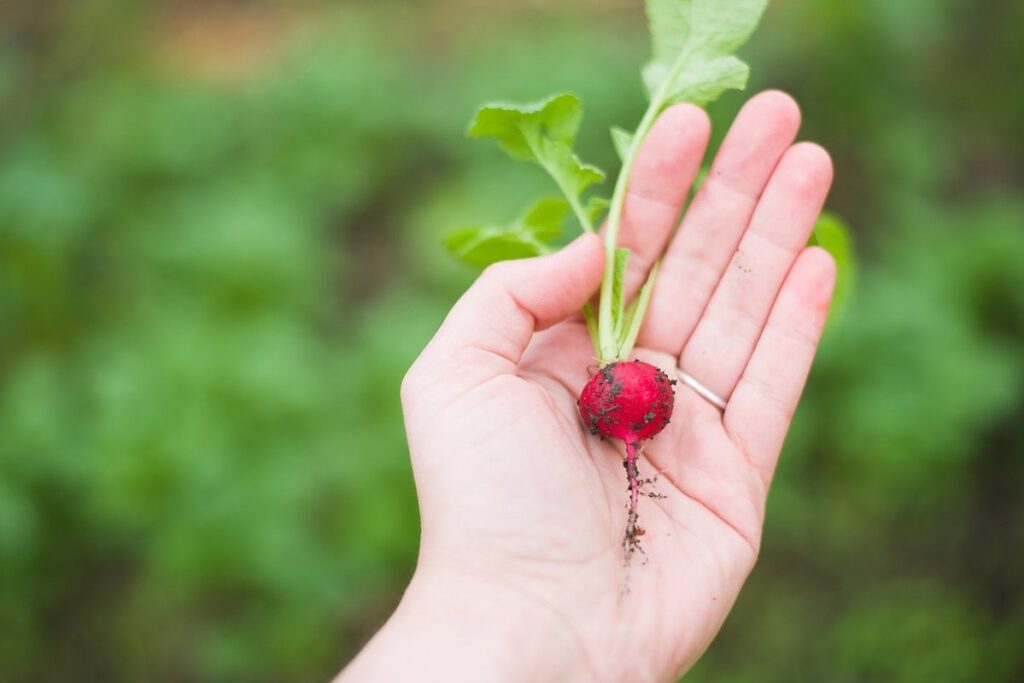
Cherry Belle radishes, for instance, are a popular choice for gardeners due to their compact size and fast growth rate. They mature in as little as 20-25 days and produce small, round roots with a bright red color. On the other hand, White Icicle radishes have a longer maturation period of around 30-40 days but yield larger, more slender roots with a crisp white texture.
Black Spanish radishes, also known as Black Radicchio, are an heirloom variety originating from Spain and Portugal. They take around 60-70 days to mature and produce large, elongated roots with a deep black color. Their unique characteristic is their ability to tolerate cooler temperatures, making them ideal for fall or winter harvests.
Understanding the specific needs of each radish type will help you tailor your growing conditions and care routine for optimal results.
Climate and Soil Requirements for Radishes
Radishes are a cool-season crop, which means they prefer to grow in temperatures between 40°F (4°C) and 70°F (21°C). They thrive in full sun to partial shade, but be aware that excessive heat can cause them to bolt, or go to seed prematurely. In areas with hot summers, it’s best to sow radishes in early spring or late summer for a fall harvest.
When it comes to soil, radishes prefer well-draining, loose soil rich in organic matter. They can tolerate a pH range of 6.0-7.0, but optimal growth occurs between 6.5 and 6.8. To prepare your soil for radish growth, incorporate compost or well-rotted manure to improve drainage and fertility.
Radishes also benefit from consistent moisture, especially during germination and the first few weeks of growth. Aim to keep the top inch of soil consistently moist but not waterlogged. This will help prevent root rot and ensure healthy growth. By understanding these climate and soil requirements, you’ll be well on your way to growing delicious and healthy radishes in your garden or container.
Choosing the Right Growing Method
When growing radishes, selecting the right method is crucial for their successful cultivation. In this next part of our guide, we’ll explore the different techniques to choose from.
Direct Sowing vs. Starting Indoors
When it comes to growing radishes, you have two main options: direct sowing and starting seeds indoors. While both methods can be effective, they have their own set of advantages and disadvantages.
Direct sowing involves planting the seeds directly into the garden soil, where they will germinate and grow into mature radishes. This method is ideal for early spring or late summer/early fall harvests, as it allows you to take advantage of cooler temperatures. Additionally, direct sowing saves time and effort, as you don’t need to worry about transplanting seedlings.
On the other hand, starting seeds indoors provides more control over the growing environment and can give your radishes a head start on the season. This method is best suited for spring harvests, as it allows you to extend the growing season by several weeks. However, indoor starting requires more space, equipment, and attention, making it less suitable for small or beginner gardeners.
Consider your available space, timing, and level of experience when deciding between direct sowing and starting seeds indoors. If you’re short on time or space, direct sowing may be the way to go. However, if you want a jumpstart on the growing season or prefer more control over the growing process, starting seeds indoors is a good option.
Container or In-Ground Growth
When it comes to growing radishes, you have two primary options: container gardening or in-ground growth. Both methods have their benefits and challenges, which are worth considering before deciding on the best approach for your garden.
Growing radishes in containers can be beneficial if you have limited space or poor soil quality in your yard. Containers provide excellent drainage and aeration, reducing the risk of waterlogged soil that can lead to root rot and other issues. Additionally, containers allow you to control the nutrient-rich soil mix and pH level, creating an optimal environment for radish growth.
However, container gardening also presents some challenges. Radishes require deep taproots to grow well, which can be difficult to accommodate in shallow containers. You’ll need to choose a container that’s at least 6-8 inches deep to allow your radishes to reach their full potential.
In-ground growth, on the other hand, offers more space for radish roots to develop but requires careful soil preparation. Poor soil quality or inadequate drainage can hinder radish growth and lead to issues like root rot and fungal diseases. To mitigate these risks, make sure your in-ground soil has good structure, adequate organic matter, and sufficient drainage.
Ultimately, the decision between container and in-ground growth comes down to your specific gardening situation. Consider factors like space constraints, soil quality, and drainage needs when choosing the best method for growing radishes in your garden.
Preparing the Soil
Before you start planting, it’s crucial to prepare the soil for radish growth by loosening and aerating the dirt to a depth of at least 6 inches. This will ensure optimal root development.
Testing and Amending the Soil
Testing and amending your soil pH and nutrient levels is crucial for optimal radish growth. You can purchase a DIY soil testing kit at most gardening stores, which will help you determine the pH level of your soil. Radishes prefer slightly acidic to neutral soil, with a pH between 6.0 and 7.0. If your soil’s pH is too high or low, it may hinder radish growth.
If your test reveals that your soil lacks essential nutrients, such as nitrogen, phosphorus, or potassium, you can amend it accordingly. For instance, if your soil lacks nitrogen, you can add compost or well-rotted manure to provide a nutrient-rich environment for your radishes. You can also consider getting a professional soil analysis done by a local nursery or gardening expert.
To amend your soil, mix in the amendments according to the manufacturer’s instructions and dig them into the top 6-8 inches of soil. Water the amended soil thoroughly before sowing your radish seeds. This will ensure that your soil is well-prepared for optimal radish growth.
Compost and Fertilizer Options for Radishes
Compost and fertilizer play a vital role in improving radish health. Radishes thrive in well-draining soil rich in nutrients. To create an ideal growing environment, incorporate compost into the soil before planting radish seeds.
When to apply compost is crucial; it’s best to mix 2-3 inches of compost into the top 6-8 inches of soil before sowing seeds. This allows beneficial microbes to break down organic matter and release essential nutrients. Avoid over-composting, as this can lead to waterlogging and root rot.
For radishes grown in containers, a balanced fertilizer (10-10-10 NPK) can be applied once a month. Dilute the fertilizer according to package instructions before applying it evenly around the plants’ base. Another option is using fish emulsion or seaweed extract for a nitrogen-rich supplement.
Keep in mind that over-fertilizing can harm radish growth, so monitor your soil’s pH and nutrient levels regularly. Aiming for a slightly acidic to neutral pH (around 6.0-7.0) will promote healthy radish development.
Planting Radish Seeds
When planting radish seeds, it’s essential to follow a few crucial steps to ensure they germinate and grow into healthy, crunchy roots. Let’s dive into the details of sowing radish seeds successfully.
Sowing Depth and Spacing Guidelines
When sowing radish seeds, it’s essential to consider both depth and spacing for optimal growth. Radishes are typically direct-sown, meaning they don’t require transplanting from seedlings. A general rule of thumb is to sow radish seeds ¼ inch (6-8 mm) deep in well-draining soil with a consistent moisture level.
For optimal spacing, plant radish seeds about 1-2 inches (2.5-5 cm) apart in rows that are spaced 12-18 inches (30-45 cm) apart. This allows for healthy air circulation and prevents overcrowding, which can lead to disease and pest issues. If you’re sowing a variety of radishes with different growth habits, such as ‘Cherry Belle’ or ‘French Breakfast,’ adjust the spacing accordingly.
Keep in mind that over-crowding can reduce yields and make it more challenging to thin out weak seedlings. Conversely, under-spaced radish plants may become leggy due to competition for resources like light and water. By following these guidelines, you’ll be well on your way to growing healthy, robust radishes.
Watering Techniques for Radish Germination
Proper watering techniques are crucial for encouraging radish germination. It’s essential to strike a balance between keeping the soil consistently moist and avoiding waterlogged conditions that can lead to rot and poor growth.
Radishes prefer a slightly dry to medium moisture level, especially during the germination stage. Water your seeds gently but thoroughly when you first plant them, making sure the soil is damp but not soaking wet. Afterward, check the soil daily by inserting your finger into the soil up to the first knuckle. If it feels dry, it’s time to water again.
As a general rule, keep the top 1-2 inches of the soil consistently moist during the germination period (around 3-5 days). You can also cover the area with a clear plastic bag or a cloche to retain moisture and warmth. Avoid overwatering, which can lead to fungal diseases and poor growth.
In terms of frequency, aim to water your radish seeds every other day during the first week after planting. As they grow, you can gradually reduce watering to once a week, depending on weather conditions. Remember that radishes are quick-growing plants, so be prepared to adjust your watering schedule accordingly.
Caring for Your Radish Crop
Now that you’ve successfully planted and nurtured your radish seeds, it’s time to focus on providing them with the right care to ensure a healthy and bountiful harvest. Here are some essential tips for maintaining your radish crop.
Pest Control Measures for Radishes
Radishes are susceptible to various pests that can damage the crop and reduce yields. One of the most common pests affecting radishes is aphids, which feed on plant sap and can transmit diseases. To control aphid infestations, use neem oil or insecticidal soap as a foliar spray. These natural methods can help eliminate aphids without harming beneficial insects.
Slugs are another pest that can damage radish leaves and bulbs. To prevent slug damage, create a barrier around the plants using crushed eggshells or copper tape. Hand-picking slugs at night is also an effective method for controlling their populations. Additionally, keep your garden free of debris, as slugs often hide in moist areas.
Other pests that can affect radishes include caterpillars and root maggots. To prevent infestations, use row covers to protect the plants from insects. If you notice any damage, inspect the affected area carefully to identify the pest and take necessary measures to control it. Regularly monitoring your garden for signs of pests will help you address issues before they become severe.
Common Pests: Prevention and Treatment
Radish crops are susceptible to various pests that can damage the roots and leaves. To prevent infestations, it’s essential to implement integrated pest management (IPM) techniques. One effective method is crop rotation, which involves rotating radishes with other plants that repel pests or attract beneficial insects. For example, planting radishes alongside marigolds or nasturtiums can deter nematodes and other root-feeding pests.
Companion planting is another technique to prevent pest infestations. Radishes are often paired with carrots, cucumbers, and beans to improve growth and repel common pests like the carrot rust fly and cucumber beetles. To further minimize risks, incorporate physical barriers like fine-mesh screens or fine-netted row covers around the plants.
Some key IPM strategies include:
• Monitoring your crop regularly for signs of pest infestations
• Using resistant varieties that are bred to withstand specific pests
• Practicing good sanitation by removing weeds and debris from around the plants
By combining these methods, you can reduce the likelihood of pest damage and maintain a healthy radish crop.
Harvesting Your Radish Crop
Now that your radishes are mature and ready, it’s time to harvest them carefully to avoid damaging the taproot. Learn how to properly dig up your radish crop without any issues.
Timing and Checking for Readiness
When it’s time to harvest your radish crop, one of the most important things to check is their size. Radishes are ready to be picked when they reach a diameter of about 1 inch (2.5 cm). However, size isn’t the only factor to consider – you should also look for signs of maturity such as a firm, smooth texture and a bright, vibrant color.
To determine if your radishes are mature, gently dig around the plants with a fork, being careful not to damage the roots. If they’re ready, they should come out easily. If they don’t, give them a few more days – over-maturity can make them taste bitter and unpleasant.
Keep in mind that different varieties of radish have varying maturity rates, so be sure to check the specific instructions for your variety. It’s also worth noting that radishes are typically ready to harvest within 20-25 days of sowing, but this can vary depending on weather conditions and growing practices.
Storage and Handling Tips for Fresh Radishes
When you’ve harvested your radish crop, it’s essential to store them properly to maintain their crunch and flavor. Radishes are highly perishable, so they need to be handled with care to prevent spoilage.
To keep your fresh radishes fresh for a longer period, make sure to trim the greens (if attached) and leave about 1 inch of stem intact. This will help prevent moisture from entering the root through the cut end. Store them in a sealed container or plastic bag filled with holes for air circulation. Keep the container away from direct sunlight and heat sources.
When handling radishes, it’s crucial to handle them gently to avoid bruising or damaging the delicate skin. This can lead to spoilage and waste. If you plan on using radishes within a few days, store them in the refrigerator at a consistent temperature below 40°F (4°C). You can also store them in a cool, dark place like a basement or root cellar if possible.
To minimize waste, use up your radish crop quickly or consider storing some in the freezer. Simply chop the cleaned and trimmed radishes, package them in an airtight container or freezer bag, and label it for future use.
Frequently Asked Questions
How can I ensure my radish seeds are sown at the correct depth?
Make sure to follow the specific sowing depth guidelines provided for your chosen variety of radishes. Generally, radish seeds should be planted about 1/4 inch (6-8 mm) deep and 2-3 inches (5-7.5 cm) apart. Sowing too shallow can lead to poor germination rates, while planting too deeply may result in weak or deformed roots.
What’s the best way to care for radishes in hot weather?
Radishes prefer cooler temperatures and can bolt (go to seed prematurely) in extreme heat. To combat this, provide your radish crop with some afternoon shade and ensure consistent moisture levels. Avoid overwatering, which can exacerbate bolting. Mulching around the plants can also help retain soil moisture.
Can I grow radishes in containers if my garden space is limited?
Yes, radishes are well-suited for container growing and can thrive in small spaces like balconies or patios. Use a container at least 6-8 inches deep with good drainage to accommodate the radish roots. Fill the container with a well-draining potting mix and follow the same planting and care instructions as you would for in-ground growth.
How long do radishes typically take to mature, and when should I expect my harvest?
The maturation time for radishes can vary depending on the specific variety, but most take anywhere from 20-40 days to reach full size. For a typical radish crop, plan your harvest around 3-4 weeks after sowing, when the roots are between 1/2 and 1 inch in diameter. Check for readiness by gently digging around the plants with a fork.
Can I store my harvested radishes for an extended period?
Yes, you can store freshly harvested radishes in the refrigerator to prolong their freshness. Trim the greens, leaving about 1 inch of stem attached to the root. Store the radishes in a plastic bag or container lined with paper towels to maintain moisture and prevent drying out. Radishes typically keep well for up to two weeks when stored properly.