
Growing your own rosemary can be a game-changer for any home cook or herb enthusiast. Not only does it add a burst of fresh flavor to soups, sauces, and roasted meats, but its piney aroma also has a way of transporting you to the Mediterranean coast. However, many gardeners find themselves struggling to coax this fragrant herb out of their soil. With the right guidance, though, anyone can grow optimal rosemary with ease.
In this comprehensive guide, we’ll walk you through everything from choosing the perfect variety for your climate and space constraints to troubleshooting common issues that can stifle growth. We’ll also cover essential care tips and harvesting techniques for maximizing flavor and aroma. By the end of this article, you’ll be well on your way to enjoying a bountiful rosemary harvest all year round.
Choosing the Right Variety
When growing rosemary, selecting the right variety for your needs is crucial, so let’s explore some of the key options to consider.
Understanding Rosemary Types
Rosemary comes in many varieties, each with its unique characteristics and uses. When selecting the right type of rosemary for your garden or kitchen, it’s essential to consider their growth habits, flavor profiles, and intended uses.
Some popular types of rosemary include ‘Miss Jessop’s Upright’, which is a compact, upright variety ideal for small gardens or containers. Its narrow leaves have a delicate, slightly bitter flavor and are perfect for cooking and preserving herbs. On the other hand, ‘Hill Hardy English’ rosemary is a hardy, vigorous variety that thrives in cooler climates and is often used as a hedge or border plant.
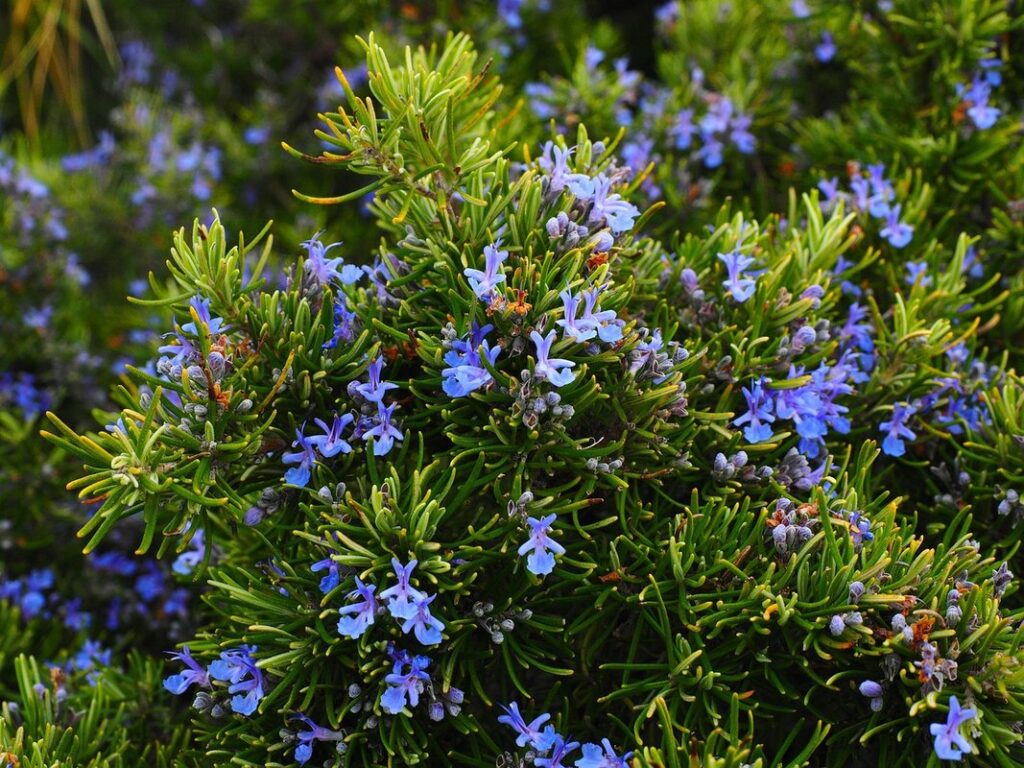
Other notable types include ‘Prostrate’, which forms a low-growing mat of small leaves, making it an excellent choice for groundcover or cascading over walls. ‘Tuscan Blue’, with its bright blue flowers, adds a touch of Mediterranean charm to gardens and is highly aromatic, perfect for cooking and teas.
When selecting your rosemary type, consider the climate you live in, the amount of sunlight your garden receives, and how much maintenance you’re willing to commit to. This will ensure that your chosen variety thrives and provides the most benefits for your intended use.
Selecting Healthy Seedlings or Cuttings
When selecting healthy seedlings or cuttings of rosemary from a nursery or store, it’s essential to inspect them carefully for signs of disease or pests. Look for plants with firm, green stems and vibrant foliage, rather than wilted or yellowing leaves. Check the roots by gently removing the plant from its container – they should be white, well-developed, and not circling around the inside of the pot.
Inspect the cuttings or seedlings for any visible signs of pests, such as aphids, mealybugs, or spider mites. Gently brush off any debris or insects you might find. If the plant is affected by disease, it may have fungal growths, black spots, or powdery mildew.
Some common mistakes people make when selecting rosemary seedlings include choosing plants with too much leggy growth or those that are root-bound in their containers. Avoid buying seedlings that are more than 1-2 inches taller than the pot they’re in – this can indicate overwatering and weakened roots. By choosing healthy seedlings, you’ll set your rosemary plant up for success from day one.
Planting Rosemary: Tips and Techniques
To plant rosemary successfully, you’ll want to know the best soil conditions and how to properly space your new herb to ensure it thrives. We’ll walk through these essential details together.
Preparing the Soil
When it comes to growing rosemary, preparing the soil is just as crucial as choosing the right variety or providing adequate sunlight. Rosemary prefers well-draining soil with a slightly acidic to neutral pH, ranging from 6.0 to 7.0. If your soil falls outside of this range, you may need to adjust it by adding lime to raise the pH or sulfur to lower it.
In addition to pH levels, drainage is also essential for rosemary’s growth. This herb doesn’t tolerate standing water well and can be susceptible to root rot if the soil is too moist. To ensure good drainage, mix in some organic matter like compost or well-rotted manure into your soil before planting. This will not only improve drainage but also provide nutrients that will promote healthy growth.
In terms of nutrient requirements, rosemary is a Mediterranean herb that thrives in poor to moderately fertile soils. It’s more important to avoid over-fertilizing, which can lead to weak and leggy growth. Instead, focus on providing a balanced diet of nitrogen, phosphorus, and potassium by using a slow-release fertilizer at planting time or during the growing season.
Planting Methods: Seed, Cuttings, and Transplanting
When it comes to planting rosemary, you have several options depending on the time of year and your personal preference. One popular method is starting from seed. This can be a cost-effective way to grow multiple plants at once, but it requires patience as seeds typically take 7-14 days to germinate.
Another approach is using cuttings, which are taken from established rosemary plants. Cuttings have the advantage of being more mature and less prone to disease. To propagate via cuttings, simply snip off a healthy stem section (about 2-3 inches long), remove lower leaves, and dip the base in rooting hormone powder before planting.
Transplanting is also an effective method, particularly for gardeners with established rosemary plants that need more space or have outgrown their containers. When transplanting, choose a location with well-draining soil and full sun to ensure your rosemary plant thrives. Before transplanting, gently remove the roots from the original container, loosen any circling roots, and replant at the same depth as before. Water thoroughly after transplanting to help the roots establish themselves in their new environment.
When using cuttings or transplanting, make sure to handle the roots with care and avoid damaging them during the process, which can lead to reduced growth and a higher risk of disease.
Caring for Rosemary: Watering, Pruning, and Fertilizing
To keep your rosemary plant thriving, you’ll need to master the art of watering, pruning, and fertilizing – tasks that are essential for its growth and longevity. Let’s dive into these crucial care habits next!
Watering Strategies for Different Climates
When it comes to watering rosemary, the optimal schedule can vary significantly depending on your location and climate. If you live in a drought-tolerant region with low rainfall, rosemary requires less frequent watering, but make sure not to let the soil dry out completely. Aim to water your rosemary every 7-10 days during hot summer months.
In areas with high rainfall or cooler temperatures, rosemary can be watered more frequently, ideally every 4-5 days. However, don’t overwater, as this can lead to root rot and other issues. A good rule of thumb is to check the soil moisture by sticking your finger into the soil up to the first knuckle. If it feels dry, it’s time to water.
Some regions to consider are Mediterranean climates with hot summers and mild winters, such as Southern California or Spain, where rosemary can thrive in well-draining soil with minimal watering. In contrast, areas with high humidity like Florida or Hawaii may require more frequent watering due to the increased moisture levels in the air.
Pruning Techniques for Shape and Size Control
Pruning rosemary is essential for maintaining its shape and size. Regular pruning encourages bushy growth, prevents legginess, and promotes healthy new foliage. It also helps to remove dead or damaged branches, which can harbor pests and diseases.
When pruning rosemary, it’s crucial to consider the type of plant you’re working with. For compact varieties like ‘Miss Jessop’s Upright’, prune them lightly after flowering to maintain their shape. For taller varieties like ‘Tuscan Blue’, prune them more severely in late winter or early spring to control their size.
To prune rosemary, start by removing any dead or damaged branches. Then, cut back stems to about one-third of their height, making clean cuts just above a leaf node. This will help the plant to focus its energy on producing new growth. Finally, trim off any tips that are becoming leggy or scraggly.
By pruning your rosemary regularly, you’ll be rewarded with a healthy, well-shaped plant that’s perfect for cooking and decorating your home.
Troubleshooting Common Issues
If you’re experiencing problems with your rosemary plants, don’t worry – we’ve got some solutions to common issues right here. From pests to poor growth, let’s tackle those troubles together.
Dealing with Pests and Diseases
As you tend to your rosemary plant, it’s not uncommon for pests and diseases to become an issue. Identifying these problems early on is crucial to preventing further damage and ensuring the health of your plant.
Some common pests that affect rosemary include spider mites, mealybugs, and aphids. These tiny insects can be difficult to spot, but look out for signs such as yellowing leaves, sticky substance on the stems, or actual bugs crawling on the plant. If you notice any of these symptoms, treat your plant with insecticidal soap or neem oil.
Diseases like root rot and powdery mildew are also prevalent in rosemary plants. Root rot is often caused by overwatering, which can lead to soft, mushy stems and leaves that turn yellow or brown. Powdery mildew appears as a white, powdery coating on the leaves.
To treat these issues, make sure to repot your plant in well-draining soil and reduce watering frequency. You can also use fungicides specifically designed for indoor plants to help combat disease.
Overcoming Nutrient Deficiencies
Rosemary is known for its robust growth and hardiness, but even this resilient herb can be susceptible to nutrient deficiencies. If you’ve noticed stunted growth, yellowing leaves, or a general decline in your rosemary plant’s health, it may be suffering from a lack of essential nutrients.
One common cause of nutrient deficiency in rosemary is over-cultivation. When you harvest too frequently, you’re depriving the plant of its ability to replenish its own reserves. To combat this, focus on harvesting individual sprigs rather than cutting back entire branches. This will help maintain the plant’s energy levels and reduce stress.
Common signs of nutrient deficiencies in rosemary include yellowing leaves (often starting at the tips), stunted growth, or a general decline in overall health. To diagnose the issue, test your soil for pH levels and nutrient content using a DIY kit or consult with a local nursery expert.
If you suspect your rosemary is suffering from a nutrient deficiency, take corrective measures to restore soil health. Apply a balanced fertilizer specifically formulated for herbs, following the product’s instructions for application rates. Alternatively, try adding compost tea or worm castings to provide a natural boost of essential nutrients. Regularly monitoring your plant’s response will help you fine-tune your approach and ensure optimal growth.
Encouraging Rosemary Growth: Tips for Maximum Yield
To get the most out of your rosemary plants, it’s essential to provide them with optimal conditions that encourage healthy growth and maximum yield. Here are our top tips to help you achieve this.
Providing Adequate Light and Temperature
Rosemary thrives in well-lit conditions with temperatures between 65°F to 75°F (18°C to 24°C). Direct sunlight can be harsh, especially for young plants, so it’s essential to provide filtered light or move them outdoors during milder periods. When growing indoors, place rosemary near an east- or west-facing window to ensure a gentle, even light distribution.
To replicate outdoor conditions indoors, consider using grow lights specifically designed for herbs. These lights emit a balanced spectrum of wavelengths that promote photosynthesis and healthy growth. A temperature range of 65°F to 75°F (18°C to 24°C) will encourage robust leaf production and prevent damage from extreme temperatures.
Outdoor growers should take note of their local climate and adjust accordingly. In cooler regions, rosemary can be grown in containers and moved indoors during winter months when temperatures drop below 40°F (4°C). Conversely, in warmer climates, provide shade for the plant to prevent heat stress. Regardless of your growing location, maintain a consistent temperature range to ensure optimal growth and prevent shock.
Enhancing Rosemary Flavor and Aroma
When growing rosemary, one of the most crucial aspects is ensuring that its flavor and aroma are enhanced. This not only elevates the overall taste experience but also contributes to the herb’s medicinal properties. To promote healthy growth and amplify the aromatic compounds, you need to focus on a few key areas.
Firstly, prune your rosemary regularly to encourage bushy growth and prevent it from becoming leggy. This will help increase the concentration of essential oils within the plant. Pinch off flower buds as they form to redirect energy towards foliage development. A balanced diet is also essential – use a high-quality potting mix rich in organic matter, and maintain optimal soil pH between 6.0 and 7.0.
Additionally, rosemary loves sunlight but can be sensitive to extreme temperatures. Provide your plant with at least four hours of direct sunlight daily, and shield it from intense heatwaves or frost. Adequate watering is also crucial – keep the top layer of soil consistently moist but not waterlogged. Proper care and handling will result in a robust, fragrant rosemary that’s perfect for culinary use and herbal remedies alike.
Harvesting and Preserving Rosemary
Now that you’ve coaxed your rosemary into a thriving plant, it’s time to reap what you’ve sown by harvesting and preserving its fragrant leaves for year-round use. This section will walk you through the process of drying and storing rosemary.
When to Harvest for Optimal Flavor and Quality
Harvesting rosemary at the right time is crucial to preserve its optimal flavor and quality. As a general rule, it’s best to harvest rosemary when the plants are about 6-8 inches tall and have produced a few sets of leaves. You can check for readiness by gently grasping a sprig between your thumb and index finger; if the stems come away easily from the plant, they’re ready.
To determine if your rosemary is at its peak flavor, look for signs such as a bright green color, firm texture, and an aromatic scent. Harvest individual sprigs or stems by pinching them off just above a leaf node with your thumb and index finger. Cutting the entire plant back to about 6 inches from the ground can also promote new growth and encourage further harvesting.
For optimal flavor preservation, harvest rosemary in the morning after the dew has dried but before the heat of the day sets in. This reduces moisture loss and helps retain the herb’s essential oils.
Drying and Storing Rosemary for Long-Term Use
When it comes to using your rosemary crop beyond its peak freshness, drying and storing are essential steps. Properly dried and stored rosemary can last for several months, allowing you to enjoy the herb throughout the year.
To dry rosemary effectively, tie small bunches of stems together with twine or a rubber band, then hang them upside down in a warm, well-ventilated area. This method allows air to circulate around each stem, promoting even drying. Alternatively, place single sprigs on a paper bag or parchment-lined baking sheet and leave it in the oven at its lowest temperature setting (usually around 150°F). Monitor your rosemary’s progress, as it should be dry and brittle within 1-2 weeks.
Once dried, store your rosemary in airtight containers, such as glass jars or zip-top bags. To maintain freshness, keep the containers away from direct sunlight, moisture, and heat sources. This will prevent spoilage and ensure your rosemary remains fragrant and flavorful for months to come.
Frequently Asked Questions
Can I grow rosemary indoors if I don’t have outdoor space?
Yes, you can grow rosemary indoors with the right conditions. Choose a container that is at least 6-8 inches deep and has good drainage holes. Provide bright, indirect light (south-facing window or LED grow light) and maintain a consistent temperature between 65-75°F (18-24°C). Water sparingly, as indoor rosemary can be prone to overwatering.
How long does it take for rosemary to mature after planting?
The time it takes for rosemary to mature after planting depends on various factors such as climate, soil quality, and care. Generally, you can expect to harvest rosemary leaves in about 6-8 weeks after planting seedlings or cuttings. For optimal flavor and aroma, wait until the plant reaches maturity (around 12-18 months).
What are some common pests that affect rosemary plants?
Rosemary is susceptible to pests like spider mites, mealybugs, and aphids. To prevent infestations, inspect your plants regularly for signs of damage or eggs. Use organic pest control methods whenever possible, such as neem oil or insecticidal soap, to maintain a healthy and balanced ecosystem.
Can I propagate rosemary from stem cuttings in the fall?
Yes, you can take stem cuttings from mature rosemary plants in the fall (September-October) for propagation. Cut 3-4 inch sections of new growth, remove lower leaves, and plant them in a well-draining potting mix. Keep the soil consistently moist but not waterlogged until roots develop.
How do I know if my rosemary is getting enough light?
Rosemary requires full sun to partial shade to thrive. If you notice stunted growth or pale foliage, it may be due to insufficient light. Move the plant to a brighter location or consider using grow lights to supplement natural light. Be cautious not to overdo it, as excessive direct sunlight can cause scorching.