
Saving tomato seeds is an essential skill for any gardener, especially if you want to grow your favorite varieties year after year. Not only can you save money by not having to purchase new seeds every season, but you’ll also get to enjoy the satisfaction of nurturing plants that have been carefully preserved from one harvest to the next.
In this guide, we’ll walk you through the process of selecting healthy tomato varieties, harvesting ripe tomatoes at the perfect time, extracting and drying seeds for long-term viability. We’ll cover everything you need to know about storing seeds properly, from proper labeling and packaging to creating a seed bank that will serve you well for years to come. By the end of this article, you’ll be equipped with the knowledge to successfully save tomato seeds and take your gardening hobby to the next level.
Preparing Your Tomato Plants
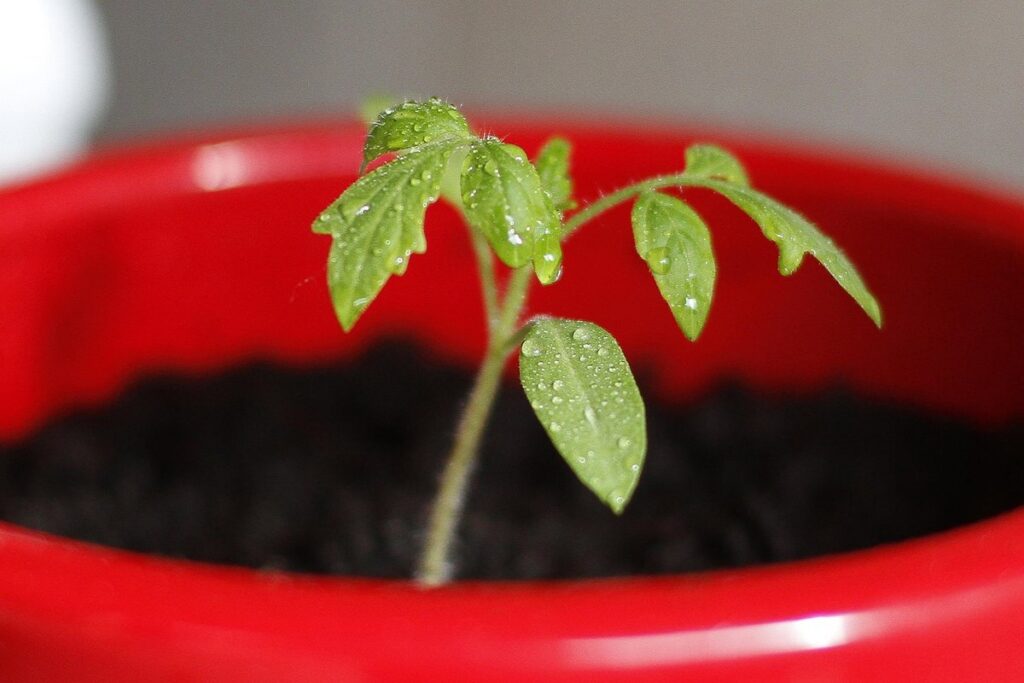
Before you can save those precious tomato seeds, it’s essential to give your plants a head start with proper preparation. Let’s focus on nurturing your tomato seedlings for optimal growth and health.
Choosing Healthy Tomato Varieties
When selecting tomato plants for seed saving, it’s essential to consider factors that will ensure the seeds are healthy and viable. Start by choosing varieties that exhibit good disease resistance, such as those resistant to common issues like early blight or fusarium wilt. This not only guarantees a healthier crop but also minimizes the risk of disease being passed on through saved seeds.
Another crucial factor is climate adaptability. Consider the specific region you’re growing in and select varieties that are bred for your local conditions. For example, if you live in an area with shorter summers, choose varieties that mature quickly to ensure a successful harvest before frost sets in. Additionally, look for plants that have demonstrated adaptability to temperature fluctuations, as this will help them thrive under varying environmental conditions.
When evaluating potential seed-saving candidates, also consider their growth habits and yields. Choose compact or indeterminate varieties, depending on your available space and desired outcome.
Identifying the Best Tomatoes for Seed Saving
When it comes to saving tomato seeds, not all varieties are created equal. Some tomatoes are better suited for seed saving than others due to their unique characteristics. Plant size and growth habits play a significant role in determining the suitability of a variety for seed saving.
For example, compact or dwarf varieties tend to produce smaller amounts of seeds, making them less desirable for seed saving. On the other hand, larger indeterminate varieties can be overproductive, resulting in an abundance of seeds that are more suitable for seed saving.
Fruit characteristics also come into play when selecting tomatoes for seed saving. Varieties with larger, heavier fruits tend to produce more seeds, while those with smaller, more delicate fruits may not yield as many seeds. Consider the ‘Brandywine’ or ‘Cherokee Purple’, which are popular among gardeners and breeders due to their high seed count and desirable traits.
When selecting tomatoes for seed saving, look for varieties that balance plant size, growth habits, and fruit characteristics. This will ensure you have a bountiful harvest of seeds that can be used in future gardens.
Harvesting Tomato Seeds
Now that you’ve successfully saved your tomato seeds, it’s time to harvest them for planting next season. Learn how to dry and collect your precious seed harvest in this crucial step.
Knowing When to Harvest Tomato Seeds
Harvesting tomato seeds at the right time is crucial for their viability and success. When it comes to knowing when to harvest, consider the seed maturity, plant condition, and environmental influences.
Seed maturity is key. Seeds are mature when they reach about 1/2 inch in length and have a slightly softened appearance. This usually happens 3-4 weeks after flowering. However, don’t wait too long – seeds continue to develop even after they’ve reached this stage, but excessive moisture can cause them to rot.
Check the plant condition as well. A healthy, disease-free plant with plenty of foliage is more likely to produce high-quality seeds. Avoid harvesting from plants under stress or showing signs of disease.
Environmental factors like temperature and humidity also play a role. Optimal temperatures for seed ripening range from 65-75°F (18-24°C). Harvesting in the morning, when the plant is dry, can help prevent moisture-related issues.
When you’re confident that your seeds are mature and the conditions are right, gently remove the fruit, allow it to dry further, then extract the seeds. Store them properly for future use, ensuring optimal viability.
Collecting Tomatoes for Seed Saving
When it’s time to collect tomatoes for seed saving, you’ll want to select fruit that is ripe and mature. This means choosing tomatoes that are fully red or yellow, depending on the variety, and have a firm but slightly soft texture. Avoid selecting green or unripe tomatoes, as they won’t have developed their full genetic potential.
To ensure you’re collecting the best seeds, it’s essential to handle the tomatoes gently. Gently squeeze the fruit to avoid bruising or damaging the skin, which can compromise seed quality. You’ll also want to collect multiple tomatoes from each plant to increase the chances of getting viable seeds.
For most tomato varieties, it’s recommended to save seeds from at least three different plants. This helps maintain genetic diversity and reduces the risk of inbreeding depression. When collecting seeds, make sure to choose tomatoes that have been grown under optimal conditions, as these will produce healthier seeds.
Extracting Seeds from Tomatoes
Now that you have your tomatoes ripe and ready, let’s move on to extracting those precious seeds for safekeeping. We’ll walk through the process of separating the seeds from the pulp.
How to Prepare Tomato Fruits for Seed Extraction
To extract seeds from tomatoes, you’ll need to prepare the fruit first. This involves cleaning, chopping, and squeezing out the seeds. Start by washing your hands thoroughly with soap and water before handling the tomato. Next, gently wash the tomato under running water to remove any dirt or debris.
Now it’s time to chop the tomato in half lengthwise. You can do this on a cutting board using a sharp knife. This will expose the seeds and gel-like substance surrounding them, known as the pulp. Place one of the chopped tomatoes cut-side down into a fine-mesh strainer or cheesecloth over a bowl.
Gently squeeze the tomato to extract the seeds and pulp from the fruit. You can use your hands to apply gentle pressure or a spatula for more force. Be careful not to press too hard, as this can damage the seeds. The resulting mixture should be mostly seeds with some pulp attached. Discard the remaining tomato flesh and reserve the seed-pulp mixture.
Separate the seeds from the pulp by rinsing them in a fine-mesh strainer under running water. Remove any excess moisture using a clean towel or paper towels before proceeding to dry your saved tomato seeds.
Separating Tomato Seeds from Pulp and Flesh
Separating tomato seeds from pulp and flesh can be a bit tedious, but it’s an essential step to ensure you end up with clean, viable seeds. One of the most straightforward methods is using a strainer or cheesecloth over a bowl. Simply pour the extracted seed mixture into the strainer or cheesecloth, allowing the liquid to drip through while keeping the seeds behind.
Another option is to use a fine-mesh sieve. This method works particularly well if you’re dealing with a larger quantity of seeds. Fill the sieve with the seed mixture and gently shake it over a container or another bowl. The excess pulp and flesh will pass through, leaving the seeds behind.
If you don’t have any specialized equipment, hand-sorting is an option. Hold the seed mixture under cold running water and carefully pick out the seeds by hand. This method can be time-consuming but allows for maximum control over the separation process.
Drying and Cleaning Tomato Seeds
Now that you’ve harvested and extracted your tomato seeds, it’s time to prepare them for long-term storage by drying and cleaning them thoroughly. This step is crucial for seed viability.
Why Proper Seed Drying is Crucial
Proper seed drying is one of the most critical steps in saving tomato seeds. If not done correctly, moisture can lead to mold growth and spoilage, rendering your hard-won seeds unusable. Imagine all the effort you put into nurturing your plants, only to have them destroyed by a simple oversight.
Tomato seeds are particularly susceptible to damage due to their high water content. When left to dry in an improperly ventilated area or with inadequate air circulation, moisture can become trapped inside the seed coat, causing it to crack and become brittle. This, in turn, can lead to poor germination rates when you try to plant them.
To prevent these issues, make sure your seeds are dried slowly and evenly. You can achieve this by spreading them out on paper towels or a clean cloth, placing them in a warm, dry area with good air circulation. It’s essential to check on them regularly to ensure they’re not developing any mold or developing off-odors. After 7-10 days, your seeds should be completely dry and ready for storage.
Methods for Drying and Storing Tomato Seeds
When it’s time to dry and store your tomato seeds, you have several methods at your disposal. One of the simplest ways is air-drying. Spread out your seeds on a paper towel or cloth, making sure they’re not touching each other. Allow them to sit in a cool, dry place for 1-2 weeks. However, this method can be slow and may lead to mold if not done properly.
For faster results, you can try oven-drying. Preheat your oven to its lowest temperature setting (usually around 150°F). Place the seeds on a baking sheet lined with parchment paper in a single layer. Dehydrate for 1-2 hours or until completely dry. Be cautious not to overheat, as this can damage the seeds.
Another effective method is using silica gel desiccant packets. Simply place the seeds inside an airtight container with the silica gel and seal it tightly. The silica will absorb any moisture from the air, drying the seeds in about 24-48 hours. Regardless of the method you choose, make sure your seeds are completely dry before storing them in an airtight container to preserve their viability for planting next season.
Storage and Viability Testing
Once you’ve collected your tomato seeds, it’s essential to properly store them for future use. We’ll walk through storage methods and viability testing techniques to ensure your seeds remain healthy and viable.
Preparing Tomato Seeds for Long-Term Storage
Proper storage of tomato seeds is crucial to maintain their viability for long-term use. To store tomato seeds, you’ll need airtight containers or envelopes that are specifically designed for seed storage. Look for materials like glass jars with tight-fitting lids or zip-top bags made from heavy-duty plastic.
When preparing your seeds for storage, it’s essential to consider the environmental factors that can affect their quality. Keep the containers away from direct sunlight and heat sources, as this can cause the seeds to degrade rapidly. A cool, dry place is ideal, such as a cupboard or drawer in a basement or pantry. Aim for a consistent temperature between 40°F to 50°F (4°C to 10°C).
Moisture is another critical factor to consider when storing tomato seeds. Seeds that are exposed to high humidity can become damp and develop mold, which will reduce their viability. To prevent this, make sure the containers or envelopes are completely airtight and check on them periodically for signs of moisture.
Evaluating Seed Viability After Storage
After storing your tomato seeds, it’s essential to evaluate their viability before planting. This step ensures you’re starting with healthy seeds, increasing the chances of a successful harvest. There are several methods for testing seed viability after storage.
One common approach is the germination test. Fill a petri dish or a small container with moistened paper towels, and plant 5-10 seeds about ¼ inch deep. Place the dish in a warm location (around 70-80°F) and keep it consistently moist. Observe the seeds daily; those that sprout within 7-10 days are likely viable.
Another method is tetrazolium staining, which involves using a chemical to detect cell viability. This technique is more accurate but requires special equipment and chemicals. For home seed savers, embryo staining can be a simpler alternative. This method uses a dye to stain the embryo, revealing its vitality. Both tetrazolium and embryo staining can provide quick results, helping you determine which seeds are worth planting.
When interpreting your test results, consider the average germination rate for tomato seeds, which is around 70-80%. Keep in mind that even healthy seeds may not germinate due to environmental factors. By testing seed viability, you’ll gain confidence in your stored seeds’ potential and make informed decisions about which varieties to use for planting.
Frequently Asked Questions
How can I ensure the tomato seeds I save are disease-free?
To guarantee disease-free seeds, make sure to start with healthy plants that have shown resistance to common issues like early blight or fusarium wilt. Regularly inspect your plants for signs of disease and remove any infected plants from the garden. Proper storage and handling of the saved seeds will also help prevent contamination.
What if I accidentally store my tomato seeds in a humid environment?
If you’ve stored your tomato seeds in a humid environment, it’s essential to dry them out as soon as possible to prevent mold or fungal growth. Place the seeds in an airtight container and leave it in a warm, dry place for several days. Check on the seeds regularly until they feel completely dry.
Can I store tomato seeds at room temperature?
While short-term storage at room temperature (up to 2 weeks) won’t affect seed viability, long-term storage requires cooler temperatures to slow down metabolic processes and preserve the seeds’ germination ability. Aim for a consistent temperature between 40°F to 50°F (4°C to 10°C).
How do I maintain seed viability over time?
To keep your tomato seeds viable, make sure to store them in an airtight container with a desiccant material like silica gel or calcium chloride to absorb moisture. Label and date the containers clearly, and check on them periodically for signs of mold or fungal growth.
What if some of my saved tomato seeds don’t germinate?
If some of your saved seeds don’t germinate, it’s likely due to factors such as poor storage conditions, old age, or low-quality starting material. Try saving seeds from a new crop and experiment with different drying methods or storage techniques to improve success rates.