
Are you ready to unlock the secrets of the lunar cycle and give your garden a boost? Planting by moon phases is an ancient technique that taps into the natural energy of the moon, influencing growth, fertility, and overall plant health. By aligning your planting schedule with the phases of the moon, you can create a thriving and resilient garden that’s more resistant to pests, diseases, and extreme weather conditions. But how does it work? In this article, we’ll explore which plants are best suited for each lunar phase, provide expert tips on preparing your soil and avoiding common mistakes, and show you how to harness the power of the moon for a truly remarkable garden. Whether you’re a seasoned gardener or just starting out, you won’t want to miss these valuable insights into the art of planting by moon phases.
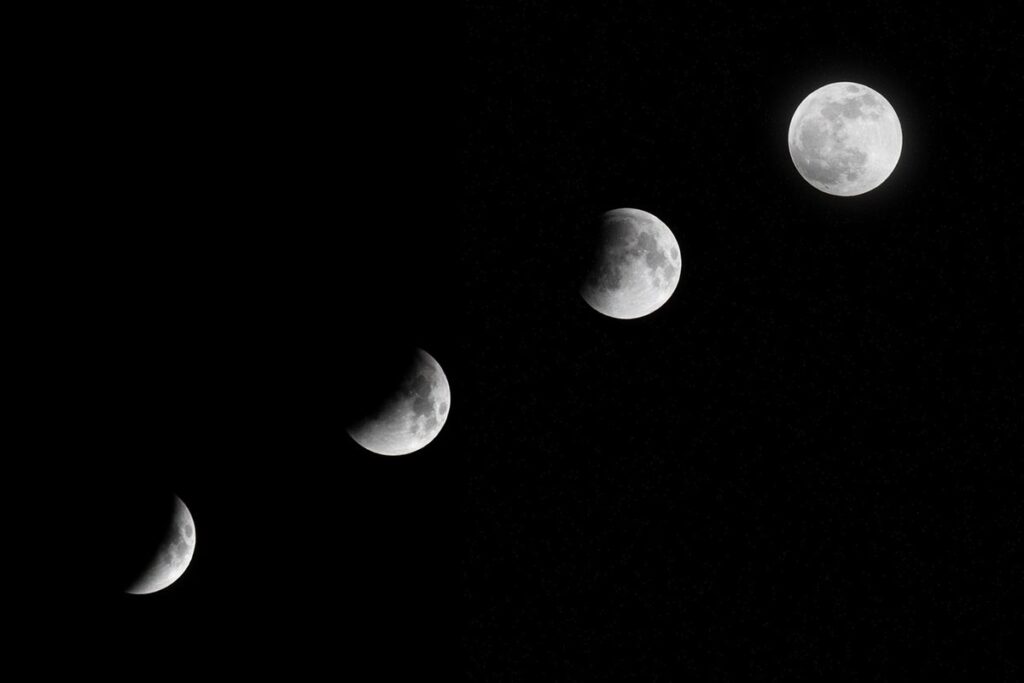
Understanding the Basics of Moon Cycles
Before you can plant by moon phases, it’s essential to understand how the lunar cycle affects your garden and what each phase means for your plants’ growth. Let’s start with the basics of moon cycles.
What are the Different Moon Phases?
Understanding the moon’s cycles is crucial when it comes to planting by lunar energy. The moon goes through eight distinct phases, each influencing the growth and development of plants in unique ways. Let’s break down these phases to better comprehend how they impact our gardens.
The cycle begins with the New Moon, a time of rebirth and new beginnings. This is an ideal phase for planting seeds, as it allows them to establish strong roots before bursting into growth during the next phase. As the moon waxes (grows) towards fullness, we see the Waxing Crescent stage, where plants absorb more water and nutrients, fueling their rapid expansion.
The First Quarter marks a significant turning point in plant development, where they begin to produce new leaves and stems. This is an excellent phase for transplanting seedlings or dividing established perennials. The Waxing Gibbous moon sees plants reaching peak growth rates, making it perfect for pruning, training, or fertilizing.
The full moon represents the pinnacle of plant energy, with some gardeners believing this is the optimal time to harvest crops. During the Waning Gibbous, plants begin to slow their growth, conserving resources and preparing for dormancy. The Last Quarter marks a period of decline, where plants focus on seed production or storing energy for future growth.
Lastly, we have the Waning Crescent, an ideal phase for planting cool-season crops like lettuce or broccoli, as they thrive in the cooler temperatures that often follow this lunar cycle.
By understanding these eight moon phases and their effects on plant growth, you can harness the lunar energy to create a thriving, balanced garden.
How to Use Lunar Cycles for Gardening
When it comes to gardening by moon phases, understanding how the different lunar cycles affect plant growth is crucial. Each phase of the moon has its unique energy and characteristics that can either stimulate or hinder plant development. For instance, during the new moon phase, plants are more receptive to sowing seeds as their roots tend to grow deeper into the soil. This makes it an ideal time for planting root vegetables like carrots, beets, and potatoes.
In contrast, the full moon phase is perfect for transplanting seedlings or pruning existing plants. The increased energy of this phase helps stimulate growth and promotes healthy cell division, making it an excellent time to give your plants a boost. For example, if you’re growing tomatoes or cucumbers, the full moon can be used to give them a burst of energy, resulting in more robust fruit production.
Keep in mind that certain plants respond better to specific phases than others. For instance, planting seeds for leafy greens like lettuce and spinach during the waxing crescent phase allows them to grow faster and stronger. Conversely, the waning gibbous moon is ideal for harvesting crops as it marks a natural slowdown in plant growth, making it easier to collect ripe produce without stressing the plants further.
Preparing Your Garden for Moon-Phase Planting
Before you can harness the power of lunar energy, it’s essential to prepare your garden for moon-phase planting by clearing out debris and giving it a thorough water. Let’s get started on that!
Choosing Plants Suitable for Moon Phase Planting
When choosing plants suitable for moon phase planting, it’s essential to select varieties that are responsive to lunar energy. Vegetables like lettuce, spinach, and radishes thrive during the new moon phase, as they tend to grow underground and respond well to the increasing light of the growing moon. Fruits such as strawberries and citrus trees also benefit from moon phase planting, particularly during the full moon when their growth is accelerated.
Flowers like marigolds and zinnias are excellent choices for moon phase planting, as they’re known to bloom in sync with the lunar cycle. These plants tend to grow and flourish during the waxing crescent and full moon phases, producing vibrant blooms that reflect the energy of the moon. Consider incorporating these plants into your garden to tap into their potential.
Some key considerations when selecting plants for moon phase planting include: soil quality, water intake, and sunlight exposure. Be sure to choose varieties that are well-suited to your local climate and gardening conditions. By carefully selecting plants that respond to lunar energy, you can create a harmonious and thriving garden that benefits from the power of the moon.
How to Prepare Your Soil for Lunar Energies
To prepare your soil for lunar energies, consider the moon’s phases and their corresponding effects on plant growth. For example, during the new moon phase, focus on clearing and releasing stagnant energy from your garden beds. Till the soil to loosen compacted layers, allowing fresh nutrients and water to penetrate deeper.
As the moon waxes towards full, it’s time to nurture and energize your soil. Add compost or worm castings rich in microorganisms that absorb and store lunar vibrations. These beneficial microbes enhance nutrient availability, promoting healthy plant growth and resilience.
During the full moon phase, amplify the energy by incorporating crystals or gemstones into your planting mix. Clear quartz, for instance, is believed to amplify and balance energies. You can bury it near planting sites or in strategic locations throughout your garden.
Remember that lunar influence on soil properties is subtle yet significant. By aligning your gardening practices with the moon’s cycles, you’ll cultivate a more harmonious and thriving environment.
New Moon Planting: Setting Intentions and Manifestation
As we plant during the new moon, we set intentions for growth and manifestation, using the moon’s energy to nurture our seeds of desire into reality. Let’s explore how to harness this powerful lunar force in your garden.
The Energy of the New Moon
The new moon marks the beginning of a fresh lunar cycle, and it’s the perfect time to plant seeds of intention and manifest new growth in your garden. As the darkness of the old moon gives way to the light of the new, we’re invited to set intentions for what we want to create and bring into being. This is a time for visioning, planning, and planting the seeds that will blossom over the coming weeks.
As you work with the energy of the new moon, remember to focus on what you want to manifest, rather than what you don’t want. This subtle but powerful distinction can make all the difference in your results. Take a moment to reflect on what you truly desire for your garden and yourself – perhaps it’s more abundance, health, or beauty. Whatever your intention, write it down and plant a seed or sprout that represents its manifestation.
Keep your intentions simple and specific, yet expansive enough to allow for growth and surprise. By planting seeds of intention during the new moon, you’ll be harnessing the lunar energy to propel your desires into being.
Plants to Plant During the New Moon
When planting during the new moon, it’s essential to choose plants that will align with the fresh start and renewal energy of this lunar phase. For vegetables, consider planting root vegetables like carrots, beets, and radishes, as they represent stability and grounding. Leafy greens such as lettuce, kale, and spinach are also great choices, symbolizing growth and new beginnings.
For flowers, opt for blooms that radiate positivity and lightness, like sunflowers, daisies, and marigolds. These plants will help you tap into the new moon’s energy of renewal and manifest positive change in your life. When planting during this phase, make sure to set clear intentions for each plant, envisioning their growth and potential. This practice helps align your energy with that of the new moon, ensuring a bountiful harvest both physically and metaphorically.
Some other plants that benefit from new moon planting include herbs like basil and cilantro, which represent clarity and abundance. By selecting these plants wisely, you’ll be harnessing the lunar energy to cultivate a thriving garden that reflects your deepest desires.
Waxing Crescent and First Quarter: Growing and Expansion
As we continue our journey through the lunar cycle, it’s time to explore the waxing crescent and first quarter phases, when growth accelerates and your plants will start to show remarkable progress. This is a crucial period for nurturing development in your garden.
The Energies of the Waxing Crescent and First Quarter Moons
As we explore the waxing crescent and first quarter moons, it’s essential to understand their energetic contributions to plant growth. The waxing crescent moon, with its increasing light, symbolizes expansion and growth. This phase is perfect for planting seeds that require a lot of energy to germinate quickly, such as radishes, lettuce, and spinach. The lunar energy supports rapid cell division, promoting healthy root development.
The first quarter moon, occurring 7-10 days after the new moon, marks the beginning of active growth. During this phase, plants begin to reach for light, and their roots dig deeper into the soil. It’s an ideal time to plant seeds that require a bit more structure and support, like tomatoes, peppers, and cucumbers. The first quarter moon energy is also beneficial for transplanting seedlings, as it provides them with the necessary push to thrive.
As you work with these lunar phases, keep in mind that the specific planting focus will shift between growth (waxing crescent) and expansion (first quarter). By aligning your garden activities with the waxing crescent and first quarter moons, you’ll tap into their energizing forces, fostering healthy, robust plant growth.
Plants to Plant During the Waxing Crescent and First Quarter Moons
When the moon is in its waxing crescent and first quarter phases, it’s an excellent time to plant a wide range of fruits and vegetables that benefit from the increasing light and energy. These plants tend to grow more rapidly during this period, making them ideal for sowing in areas with plenty of sunlight.
Some examples of high-yielding crops that thrive during these phases include tomatoes, peppers, eggplants, cucumbers, squash, and melons. Tomatoes, for instance, are said to benefit from the increased light and water absorption during the first quarter moon phase, leading to a more robust harvest. Similarly, cucumbers and squash plants tend to spread their vines rapidly during the waxing crescent phase, producing an abundance of fruit.
For those with limited space, consider planting compact varieties like cherry tomatoes or bush cucumbers that can thrive in containers or small gardens. When sowing seeds for these crops, ensure they’re planted 1-2 inches deeper than usual to allow them to develop a strong root system during this period of rapid growth.
Full Moon: Illumination and Abundance
As we approach full moon, it’s the perfect time to tap into its illuminating energy and reap the rewards of abundance in our gardens. Plant seeds that will flourish under this radiant light.
The Energy of the Full Moon
The full moon is a time of great energy and potential for growth. As the moon reaches its fullest point, it’s as if the universe is shining a spotlight on our intentions and desires. This lunar phase is all about illumination – bringing light to areas that may have been hidden or obscured. It’s an opportunity to reveal what’s been lying dormant, whether that’s a new idea, a long-held goal, or even a neglected corner of your garden.
The full moon energy is also associated with abundance and fertility, making it the perfect time for planting seeds and watching them grow. Just as the moon waxes and grows in brightness, so too can our gardens flourish under its influence. Consider planting high-yielding crops like corn, beans, or squash during this phase to take advantage of the lunar energy’s nourishing properties. As you sow your seeds, infuse them with intention and visualization, imagining the full potential of your harvest to come.
Plants to Plant During the Full Moon
When it comes to planting during the full moon, you’ll want to choose varieties that thrive under its energizing light. Some of our favorite plants for this lunar phase are herbs like basil and rosemary, which can be planted when the moon is full to promote healthy growth and fragrance. For a burst of color in your garden, consider planting marigolds, zinnias, or sunflowers – these flowers are naturally drawn to the intense energy of the full moon.
Herbs like mint and lemongrass can also benefit from being planted during this phase, as they’ll absorb the lunar light’s invigorating properties. To harness the full moon’s energy in your garden, try planting at dawn or dusk when the moon is high in the sky. This will allow your plants to soak up its radiance and begin their growth journey with a boost of energy.
Some other plants that respond well to being planted during the full moon include lavender, chamomile, and calendula – all of which are perfect for calming and soothing properties. When choosing varieties, keep in mind that those with strong scents will benefit most from this lunar phase, as they’ll be able to absorb the energy more readily.
Waning Gibbous and Last Quarter: Release and Renewal
As we reach the end of the lunar cycle, now’s the time to release old growth and make way for new beginnings. In this phase, let go of what’s holding you back in your garden, just as nature does.
The Energies of the Waning Gibbous and Last Quarter Moons
As the moon continues its journey through the waning Gibbous and Last Quarter phases, plants begin to release their stored energy and shed old growth. This is an ideal time for pruning, cutting back, and dividing established perennials. The decreasing light and lunar energies stimulate a natural process of shedding and renewal in plants.
During this phase, focus on clearing out the old and making way for new growth. Prune flowering shrubs and perennials to promote bushy regrowth, and cut back dead or diseased branches from trees and shrubs. Divide established perennials like daylilies and hostas to rejuvenate their root systems and encourage fresh blooms.
This is also an excellent time to propagate plants through division or layering, as the gentle lunar energy supports the development of new roots and shoots. By working with these natural rhythms, you’ll be amazed at how your garden responds to the subtle changes in lunar energy – more vigorous growth, healthier plants, and a harmonious balance between release and renewal.
Plants to Plant During the Waning Gibbous and Last Quarter Moons
When it’s time to plant during the Waning Gibbous and Last Quarter Moons, you’ll want to choose varieties that benefit from release and renewal. These phases are all about letting go of what no longer serves us, making room for new growth. In gardening terms, this means planting vegetables and fruits that are more resistant to disease, pests, or environmental stress.
Some excellent choices include garlic, onions, and shallots, which can be planted during the Last Quarter Moon. These bulbs are naturally resistant to many common pests and diseases, making them ideal for planting when we’re releasing old patterns and energies. Root vegetables like carrots, beets, and turnips also thrive during this phase, as they tap into the earthy energy of release.
When planting these varieties, remember to choose disease-resistant or heirloom seeds, which tend to be more resilient than hybrid varieties. Also, consider using natural pest control methods, such as companion planting or introducing beneficial insects to your garden.
Moon-Phase Planting Tips and Tricks for Beginners
To get you started on your lunar gardening journey, we’ll break down the essential tips and tricks for planting by moon phases, covering seed selection and optimal growth periods.
Common Mistakes to Avoid When Moon-Phase Planting
When starting out with moon-phase planting, it’s easy to get caught up in the excitement of harnessing lunar energy and forget some crucial details. As a beginner, you’ll want to avoid common mistakes that can hinder your garden’s growth or even lead to disappointment.
One of the most critical errors is ignoring the specific needs of each plant variety. Just because a particular phase is suitable for one type of flower doesn’t mean it will work equally well for another. For example, seedlings require plenty of moisture during the waxing crescent phase but may become too soggy in the full moon’s intense light.
Another mistake is not considering the moon’s position and its impact on different regions of your garden. Planting at the wrong spot during a particular phase can lead to weak or stunted growth, especially if that area receives direct sunlight. To avoid this, familiarize yourself with your local climate and lunar cycles, then adjust your planting schedule accordingly.
Lastly, be cautious not to get overly reliant on moon-phase planting as a hard-and-fast rule. Flexibility is key in gardening, and sometimes adapting to changing weather conditions or plant requirements may necessitate adjusting your lunar planting plan.
Troubleshooting Issues with Your Moon-Phase Garden
When you first start planting by moon phases, it’s not uncommon to encounter some hiccups. Perhaps your seedlings are struggling to germinate during a new moon phase, or your plants seem to be wilting despite your best care. Don’t worry – these issues can often be attributed to the changing lunar energies.
Adjusting to Waxing and Waning Moons
One key thing to keep in mind is that waxing moons (growing phases) are ideal for planting new seeds, while waning moons (dying phases) are better suited for harvesting or pruning. If you’re finding that your seedlings aren’t germinating as expected during a waxing moon, try adjusting the soil moisture or using a gentle fertilizer. Conversely, if your plants seem to be thriving under a waning moon, take advantage of this opportunity to prune and shape them.
Monitoring Lunar Cycles
To better anticipate potential issues in your garden, familiarize yourself with the lunar cycle. Keep an eye on upcoming full moons and new moons, as these can bring sudden shifts in temperature or moisture levels that may affect your plants.
Frequently Asked Questions
Can I Plant by Moon Phases if My Garden is Located Near a City or Under Artificial Lighting?
Yes, you can still benefit from planting by moon phases even with artificial lighting or urban surroundings. However, consider the additional stress on your plants and adjust your moon-phase schedule accordingly. Choose plants that are resilient to environmental stressors, and make sure to provide adequate care and protection.
How Do I Adapt Moon-Phase Planting for Gardens in Different Climate Zones?
When adapting moon-phase planting for diverse climate zones, research the specific needs of your local environment. In areas with extreme weather conditions, choose hardy plants that can withstand temperature fluctuations. In regions with limited sunlight, prioritize plants that thrive in shade or low-light conditions.
What Happens if I Miss a Moon Phase? Can I Still Plant and Expect Good Results?
While it’s ideal to plant according to the lunar cycle, missing a phase won’t completely undermine your efforts. However, consistent neglect may lead to inconsistent growth patterns and reduced yields. To minimize this impact, plan ahead and prioritize key moon phases for high-priority planting.
How Can I Ensure My Soil is Optimally Prepared for Lunar Energies?
To prepare your soil for lunar energies, consider the following: 1) Add organic matter like compost or manure to enhance fertility; 2) Balance pH levels according to your plants’ requirements; and 3) Incorporate beneficial microorganisms through natural methods.
What If I’m Just Starting Out with Moon-Phase Planting? Where Do I Begin?
Starting with moon-phase planting can seem overwhelming, but begin by choosing a few key plants for each lunar phase. Focus on the most critical phases (new moon, full moon) and gradually expand your knowledge as you gain experience. Monitor your progress, and adjust your techniques based on results.