
Spring is finally here, and with it comes the perfect opportunity to get your garden growing. But before you start planting, it’s essential to choose the right plants for your climate and soil type. Not all plants thrive in every region, so understanding what grows well in your area can make all the difference. From bulbs and perennials to vegetables and shrubs, there are countless options to consider when planning your spring garden. In this article, we’ll guide you through selecting the best plants for your climate, preparing your soil for optimal growth, and managing pests that can wreak havoc on your hard work. Whether you’re a seasoned gardener or just starting out, our expert tips will help you create a thriving and beautiful spring garden that brings joy to your outdoor space.
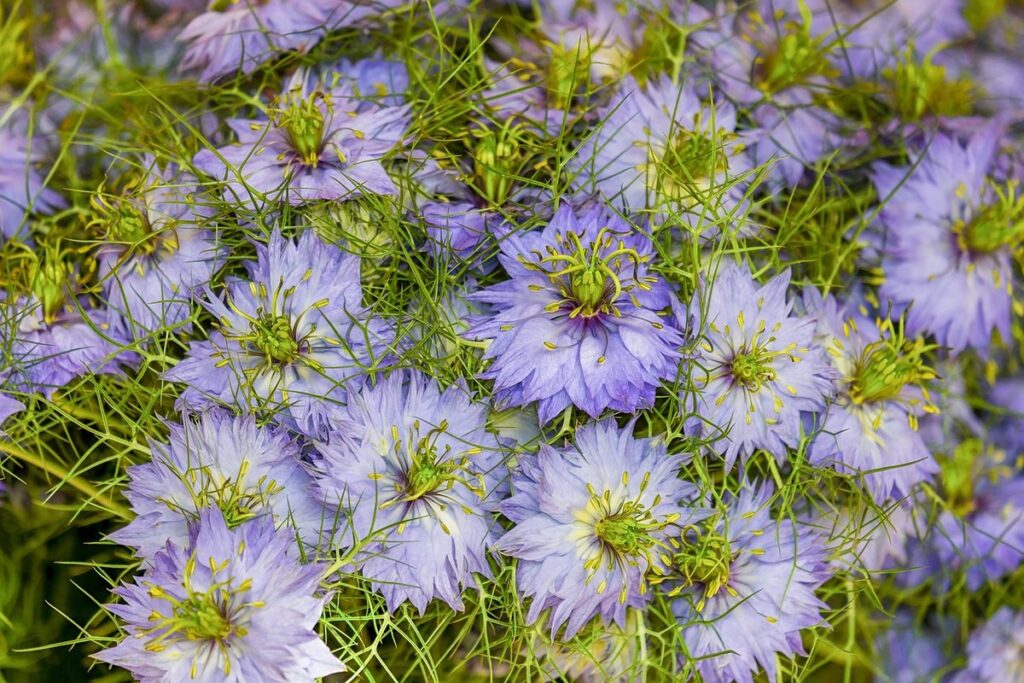
Choosing the Right Plants for Your Climate
When selecting plants for your garden, it’s crucial to choose varieties that thrive in your specific climate and weather conditions. This section will help you make informed decisions for a bountiful spring harvest.
Understanding Your Hardiness Zone and Climate Type
To make informed decisions about which plants to grow in your garden this spring, it’s essential to understand your hardiness zone and climate type. The USDA Plant Hardiness Zone Map is a great resource for determining your zone based on average annual extreme minimum temperature. Knowing your zone will help you narrow down the types of plants that can thrive in your area.
Your climate type also plays a significant role in what plants will succeed. Are you living in an arid desert climate, a humid subtropical region, or a temperate oceanic climate? Different climates have unique characteristics that impact plant growth and survival. For instance, plants that prefer well-drained soil and full sun may struggle in areas with high humidity and limited sunlight.
To determine your climate type, consider factors like temperature patterns, precipitation levels, and seasonal trends. You can also check the climate data for your region to gain a better understanding of its specific conditions. By combining this information with your hardiness zone, you’ll be well-equipped to choose the best plants for your garden.
Selecting Plants That Thrive in Spring Conditions
When selecting plants for your garden in spring, it’s essential to choose varieties that thrive in the mild temperatures and moisture levels of this season. One excellent option is bulbs, which typically bloom in early spring and add vibrant color to your garden. Consider planting tulips, daffodils, or hyacinths for a burst of colorful blooms.
Perennials are another excellent choice for spring gardens, as they often require minimal maintenance and can withstand the changing weather conditions of this season. Plants like daylilies, coneflowers, and black-eyed susans are perfect for attracting pollinators and adding texture to your garden beds.
Vegetables also love the cooler temperatures of spring and can be direct-seeded or started indoors 4-6 weeks before transplanting outside. Cool-season crops like broccoli, kale, and carrots prefer the gentle warmth of spring, while warm-season crops like tomatoes and peppers require a bit more time to mature.
When selecting plants for your garden in spring, remember to choose varieties that are suitable for your climate zone and soil type. This will ensure that your plants receive the right amount of moisture and nutrients to thrive throughout the season.
Bulbs for a Vibrant Spring Display
When spring arrives, there’s nothing quite like the pop of color that bulbs bring to your garden. Let’s dive into some top picks for vibrant bulbs to plant this season.
Tulips: Tips for Planting and Caring
When it comes to planting and caring for tulips, many gardeners can attest that these beautiful flowers bring unparalleled vibrancy to the spring display. To ensure a stunning bloom, start by preparing the soil with a mix of organic matter such as compost or well-rotted manure. This will provide essential nutrients for healthy root development.
Next, choose a spot that receives full sun to partial shade and has good air circulation to prevent fungal diseases. Plant tulip bulbs in the fall, about 3-4 times their height deep, spaced 3-6 inches apart, depending on the variety. Water them thoroughly after planting and keep the soil consistently moist during the first growing season.
Fertilize your tulips in early spring with a low-nitrogen fertilizer to promote blooming. Avoid over-fertilizing, as this can lead to weak stalks and fewer blooms. Deadheading spent flowers will encourage the bulb to focus energy on re-growing for next year’s bloom, rather than seed production.
By following these simple steps, you’ll be rewarded with a stunning display of vibrant tulips that add beauty and charm to your garden.
Daffodils and Other Spring-Blooming Bulbs
While daffodils are often the star of the spring show, they’re not the only bulbs that bring vibrant color to your garden during this season. Other popular options like hyacinths and crocuses share similar benefits and care requirements.
One of the main advantages of these bulbs is their low maintenance needs. They typically require minimal watering and fertilization, making them perfect for busy gardeners or those new to bulb gardening. For example, daffodils can thrive in well-draining soil with just a handful of granular fertilizer applied in the fall.
Hyacinths, on the other hand, prefer slightly acidic soil and full sun to partial shade conditions. They also benefit from deadheading spent flowers to encourage repeat blooming. Crocuses are perhaps the most adaptable, tolerating a range of soil types and moisture levels. Plant them through existing grass or in containers for a pop of color in early spring.
When it comes to blooming times, these bulbs usually sprout within 4-6 weeks after planting. Keep in mind that some varieties may take longer to mature or require specific temperature requirements for optimal flowering.
Vegetables for a Bountiful Spring Harvest
As you start planning your spring garden, let’s dive into some of the best vegetables to plant now, from leafy greens to warm-season favorites. These easy-to-grow veggies will thrive in the cooler spring weather.
Cool-Season Crops: Lettuce, Spinach, and More
As spring’s cooler temperatures arrive, it’s an ideal time to plant cool-season crops that thrive in these conditions. Lettuce, spinach, and peas are just a few examples of the many delicious options available.
Lettuce is one of the easiest cool-season crops to grow, and can be harvested in as little as 20-30 days. It prefers well-drained soil and partial shade, making it perfect for spring gardens. Spinach is another popular choice, with its tender leaves being a great addition to salads and smoothies. Plant spinach seeds about 2-3 weeks before the last frost date in your area.
Other cool-season crops worth considering include peas, radishes, and arugula. Peas are easy to grow and can be trained up trellises or left to cascade down, adding a pop of color to your garden. Radishes are fast-growing and can be harvested in as little as 20-25 days, making them perfect for adding a spicy kick to spring salads. Arugula is another peppery green that’s easy to grow and can be used in a variety of dishes.
When planting cool-season crops, make sure to follow the specific sowing instructions on the seed package. Most cool-season crops prefer to be planted in well-drained soil with a pH between 6.0-7.0. Additionally, consider succession planting every 1-2 weeks to ensure a continuous harvest throughout the spring season.
Warm-Season Crops: Tomatoes, Peppers, and Corn
As you start planning your spring garden, it’s essential to focus on warm-season crops that thrive in warmer temperatures. Tomatoes, peppers, and corn are some of the most popular choices for home gardens, but they require a bit more care than cool-season crops.
When planting tomatoes, choose a location with full sun (at least 6 hours of direct sunlight) and well-draining soil. Plant seedlings deeply, up to the first true leaves, and water thoroughly. Tomatoes need consistent moisture, so water them regularly, but avoid overwatering. Fertilize with a balanced fertilizer once a month.
Peppers prefer slightly acidic soil (pH 6.0-7.0) and full sun. Sow seeds indoors 8-10 weeks before the last frost date or directly in the garden when the soil has warmed up to at least 60°F (15°C). Keep the soil consistently moist, but not waterlogged.
Corn is a warm-season crop that requires rich soil with plenty of phosphorus and potassium. Plant seeds in blocks of three rows, spaced 12 inches apart, to ensure proper pollination. Corn needs consistent moisture, especially during tasseling, so be sure to water regularly.
Perennials for Year-Round Interest
When it comes to adding visual interest to your garden, perennials are a great choice to plant in spring for year-round appeal. Consider these beautiful options that bloom at different times of the year.
Shrub Roses and Other Spring-Blooming Shrubs
Shrub roses and other spring-blooming shrubs are perfect additions to your garden during this time of year. Not only do they provide a much-needed pop of color after a long winter, but they also offer a range of benefits that can enhance the overall aesthetic and functionality of your outdoor space.
For instance, shrub roses are known for their low-maintenance requirements and ability to thrive in poor soil conditions, making them an ideal choice for gardeners who may not have the most extensive gardening experience. They come in a variety of shapes, sizes, and colors, from compact dwarf varieties like ‘Knock Out’ to larger, more vigorous types like English roses.
Other spring-blooming shrubs worth considering include azaleas, rhododendrons, and lilacs. These plants not only provide stunning displays of color but also attract pollinators like bees and butterflies, which can help support local ecosystems. When selecting these plants, be sure to choose varieties that are suitable for your climate and soil type to ensure they receive the right conditions to thrive.
When planting shrub roses and other spring-blooming shrubs, make sure to provide them with well-draining soil and adequate sunlight. Mulch around the base of the plant to retain moisture and suppress weeds, and prune after blooming to maintain shape and promote healthy growth.
Ornamental Grasses and Foliage Plants
Ornamental grasses and foliage plants are often overlooked when it comes to adding year-round interest to gardens. However, they offer a unique texture and depth that can complement other flowering perennials perfectly. Consider incorporating hostas, daylilies, and coneflowers into your garden design.
These plants not only provide striking foliage but also bloom at different times throughout the growing season, offering a dynamic display of color and interest. For example, hostas offer heart-shaped leaves in shades of green, gold, or blue, while daylilies produce long-lasting flowers in a variety of colors. Coneflowers, on the other hand, add a statuesque element with their tall spikes of purple, pink, or white blooms.
To maximize the impact of ornamental grasses and foliage plants, choose a mix of varieties that provide contrasting textures and growth habits. Combine tall grasses like pampas grass or fountain grass with shorter, more compact options like blue oat grass or lilyturf. This will create a visually appealing layered effect in your garden. By incorporating these plants into your spring planting, you’ll be able to enjoy year-round interest and texture that adds depth and beauty to your outdoor space.
Composting and Soil Preparation for Spring Planting
Before you start planting, let’s get your garden soil ready for spring growth. This means prepping it through composting and other techniques to create a fertile foundation for your new additions.
Creating a Compost Pile and Using Compost Tea
Creating a compost pile is one of the simplest and most effective ways to improve soil fertility and structure for spring planting. To get started, gather a mix of “green” materials like food scraps, grass clippings, and manure, which are high in nitrogen, and “brown” materials like dried leaves, straw, or shredded newspaper, which are high in carbon. Aim for a 2/3 brown to 1/3 green ratio to create an optimal environment for decomposition.
As the pile breaks down, it will release heat, moisture, and nutrients that will enrich your soil. To speed up this process, turn the pile regularly, ideally every week or two, to introduce oxygen and facilitate microbial activity. Once the compost is ready – usually after 2-3 months – you can use it to amend your soil before planting.
Compost tea is another valuable tool in the spring gardening arsenal. This liquid solution is made by steeping finished compost in water for 24 hours, allowing the beneficial microbes to infuse into the liquid. Use this tea as a foliar spray or add it directly to the soil to give your plants an extra boost of nutrients and immunity-boosters.
Testing and Amending Your Soil
Testing and amending your soil is an essential step before planting in spring. Before you start preparing your garden beds, it’s crucial to know what your soil pH and nutrient levels are like. This will help you determine if your soil needs any adjustments to support optimal plant growth.
You can purchase a DIY soil testing kit or send a sample to a lab for analysis. The test will give you an idea of your soil’s acidity (pH level) and its nutrient levels, including nitrogen, phosphorus, and potassium. Based on the results, you may need to add lime to raise the pH if it’s too acidic, or sulfur to lower it if it’s too alkaline.
Amending your soil is a relatively simple process that can be done with common household items like compost, manure, or peat moss. Mix in about 2-4 inches of these materials and let them break down over the winter months before planting. This will not only improve your soil’s structure but also provide essential nutrients for your spring-planted crops.
Some popular natural amendments include worm castings (about $10 per pound), which are rich in nitrogen, phosphorus, and potassium, making them an excellent addition to any garden bed. Alfalfa meal or bone meal can also be used as a slow-release fertilizer, providing your plants with essential nutrients throughout the growing season.
The key is to make adjustments based on your soil’s specific needs. If you’re unsure about how to interpret your test results or which amendments to use, consult with a local nursery expert or gardening community for guidance.
Spring Gardening Tips and Tricks
As we dive into the world of spring gardening, let’s explore some expert tips to help you plan and prepare your garden for a thriving new season. We’ll share our top tricks for success.
Planting at the Right Time: Avoiding Frost Damage
When planting in spring, timing is crucial to avoid frost damage and ensure successful germination. Frost can be detrimental to young seedlings, causing them to die or become stunted. To determine the right time for planting, check the average last frost date for your area. This date varies depending on your location, so it’s essential to research specific information for your region.
Typically, warm-season crops like tomatoes, peppers, and eggplants are planted after the last frost date has passed. Cool-season crops, such as broccoli, kale, and spinach, can be planted four to six weeks before the last frost date. These crops will have time to mature before the heat of summer sets in.
If you’re unsure about the timing, consider planting cold-hardy varieties that can tolerate light frosts. Some examples include lettuce, radishes, and green onions. Keep in mind that even if your area is expected to be frost-free, sudden temperature drops can still occur. Monitor weather forecasts closely before and after planting to ensure optimal growing conditions.
To further minimize the risk of frost damage, choose a location with good air circulation for your plants. This will help prevent moisture from collecting on leaves, reducing the likelihood of frost-induced damage. By being mindful of timing and choosing the right varieties, you can avoid common spring gardening pitfalls and enjoy a bountiful harvest.
Common Pests and Diseases in Spring Gardens
As you start planting in your spring garden, it’s essential to be aware of common pests and diseases that can damage your crops. Slugs and snails are notorious for their love of tender shoots and leaves, often leaving behind a trail of silvery slime. To combat these pests, use copper tape or crushed eggshells around plant stems, as they don’t like to cross over these barriers.
Aphids, on the other hand, can multiply quickly, sucking sap from plants and causing curled or distorted leaves. Regularly inspect your plants for aphid colonies, and treat infestations with insecticidal soap or neem oil. Powdery mildew, a fungal disease, thrives in humid conditions, often affecting fruiting plants like strawberries and roses.
To prevent powdery mildew, ensure good air circulation around your plants and avoid overhead watering, which can encourage fungal growth. Regularly clean up any debris or weeds that may harbor spores, and consider using fungicides as a last resort. By being mindful of these common spring pests and diseases, you can take proactive steps to protect your garden and enjoy a healthy, thriving harvest.
Frequently Asked Questions
What if I’m not sure what hardiness zone I live in?
To determine your hardiness zone, use the USDA Plant Hardiness Zone Map, which is available online. Simply enter your zip code to find your zone based on average annual extreme minimum temperature. Knowing your zone will help you choose plants that thrive in your area.
Can I still plant bulbs and perennials if my soil type is poor?
Yes, but it’s essential to prepare the soil properly for optimal growth. Add organic matter like compost or well-rotted manure to improve soil structure and fertility. This will help ensure healthy root development and prevent nutrient deficiencies.
How do I know which vegetables are suitable for my climate?
Choose cool-season crops like lettuce, spinach, and peas if you live in a cooler region with mild springs. For warmer climates, opt for warm-season crops like tomatoes, peppers, and corn. Be sure to check the specific growing requirements for each plant variety.
Can I use last season’s compost or should I start fresh?
It’s generally best to create a new compost pile each year to ensure optimal nutrient levels. If you’ve stored compost from previous seasons, it may have lost some of its potency. Start with a fresh batch and mix in old compost for added benefits.
How do I protect my plants from common spring pests like aphids and slugs?
Use natural deterrents like neem oil or insecticidal soap to control aphid populations. For slug prevention, create a barrier using copper tape around plant stems or sprinkle crushed eggshells around the soil surface. Regularly inspect your plants for signs of infestation and take action promptly.