
When it comes to growing your own garlic, timing is everything. Planting at the wrong moment can lead to weak or disease-prone crops, but planting at the right time can result in robust, flavorful bulbs that elevate any dish. But how do you determine when to plant garlic? The answer lies in understanding climate, region, and hardiness zone-specific factors. Different regions have optimal planting times, depending on the season and weather conditions. This article will guide you through the process of determining the perfect time to plant garlic in your specific area, considering factors like frost dates, soil temperature, and precipitation patterns. By following these tips, you’ll be able to grow healthy and flavorful garlic crops that bring out the best in any recipe.
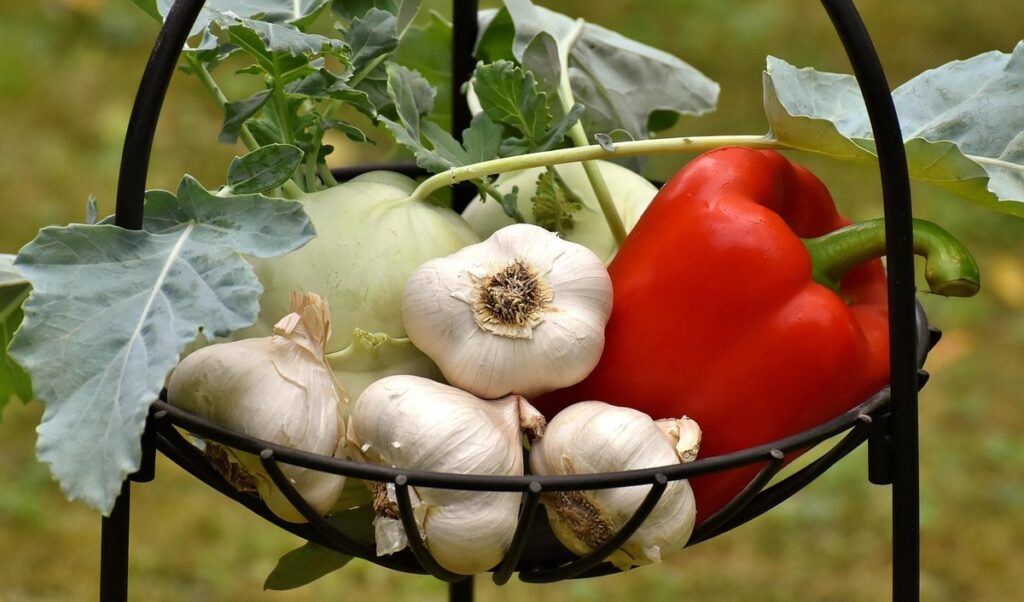
Choosing the Right Time to Plant
When deciding when to plant garlic, timing is crucial to ensure healthy growth and a bountiful harvest. This section will guide you through the factors to consider for optimal planting success.
Understanding Climate and Region-Specific Factors
When it comes to planting garlic, understanding the climate and region-specific factors is crucial for optimal growth. The ideal time to plant garlic varies significantly depending on your location. In general, garlic prefers a cool and moist climate with moderate temperatures.
In regions with mild winters, such as Southern California or the Mediterranean, you can plant garlic in late fall or early winter (October to December). This allows the bulbs to establish themselves before the hot summer months. However, if you live in an area with frost, it’s essential to wait until after the last frost date has passed.
For regions with cold winters, such as the Northeast United States, plant garlic in early spring, around late March or early April. This gives the garlic enough time to mature before the first frost of fall.
Be sure to check the average rainfall and temperature patterns for your area to determine the best planting time. Garlic typically requires 6-8 hours of direct sunlight per day and well-drained soil to thrive.
To make things easier, you can consult with local nurseries, gardening clubs, or online resources specific to your region for more specific advice on garlic planting times.
Determining Your Hardiness Zone
To determine your hardiness zone and plan accordingly for garlic planting, you’ll need to find out what zone you’re located in. The USDA Plant Hardiness Zone Map is a great resource for this. Based on the average annual extreme minimum temperature of an area, it categorizes zones from 1 (the coldest) to 11 (the warmest). For most regions, garlic can be grown in zones 4-9.
Not all varieties of garlic are suitable for every zone. Some prefer warmer or cooler climates. Soft-neck garlic, the most widely cultivated type, thrives in zones 5-8. Hard-neck garlic and elephant garlic, on the other hand, are often more cold-tolerant and can be grown in zones 3-7.
If you’re unsure about your hardiness zone or what varieties of garlic will do well in your area, consult with local nurseries or extension services. They’ll have specific knowledge about regional growing conditions and can guide you to the best variety for your climate.
Preparing the Soil for Planting
Before you start planting garlic, it’s essential to prepare the soil by loosening and aerating it to give those delicate bulbs room to grow. A well-prepared soil will help your garlic thrive.
Testing Your Soil pH Levels
Soil pH levels play a crucial role in determining the health and productivity of your garlic crop. Garlic prefers a slightly acidic to neutral soil pH, ranging from 6.0 to 7.0. If your soil is too alkaline or acidic, it can lead to nutrient deficiencies and reduced yields.
To test your soil pH, you’ll need a soil testing kit or send a sample to a laboratory for analysis. The process typically involves collecting a small sample of soil from the planting area, mixing it with a solution, and then reading the resulting color change on a pH indicator chart.
If your soil pH is outside the optimal range, don’t worry – it’s easily adjustable. To lower an alkaline soil pH, add elemental sulfur or aluminum sulfate. For acidic soils, mix in lime to raise the pH. Apply these amendments according to the product instructions and test again after 2-3 weeks to ensure the desired pH level has been achieved.
Keep in mind that over-correcting can be detrimental to your garlic crop, so it’s essential to make small adjustments and monitor the results closely.
Incorporating Organic Matter into Your Soil
Incorporating organic matter into your soil is one of the most effective ways to improve its fertility and structure for successful garlic cultivation. Garlic loves well-draining, rich soil that’s high in nutrients, making it an ideal crop to benefit from adding compost or well-rotted manure.
When you mix in compost or manure, you’re introducing a wealth of beneficial microorganisms that help break down complex compounds in the soil, releasing essential nutrients for your garlic bulbs. This process not only enhances soil fertility but also improves its water-holding capacity and drainage properties – two crucial factors for healthy garlic growth.
To get the most out of adding organic matter to your soil, remember to mix it in at a rate of 2-4 inches deep and 1/3 to 1/2 of the total soil volume. For example, if you’re preparing a raised bed that’s 12 inches high and 24 inches wide, aim to add 4-6 inches of compost or manure. Also, be sure to blend it in thoroughly so that it’s evenly distributed throughout the soil profile – this will ensure your garlic bulbs have access to all the nutrients they need to mature properly.
Planting Garlic Bulbs Correctly
Planting garlic bulbs correctly is crucial for a successful harvest, so let’s dive into the step-by-step process of getting it right. This involves selecting the right location and preparing the soil just so.
Selecting Healthy Garlic Bulbs
When selecting garlic bulbs for planting, it’s crucial to choose healthy, disease-free options. A firm bulb with no signs of rot is essential for a successful harvest. Look for bulbs that are plump and heavy for their size, indicating good storage and nutrient content.
Avoid soft or mushy bulbs as they may be past their prime or infected with diseases such as purple blotch or white rot. Inspect the bulbs carefully for any visible signs of pests, mold, or mildew.
Choose garlic varieties specifically bred for your region’s climate and growing conditions. This will ensure that the bulbs thrive in your local environment. For example, hardneck garlic is better suited to cooler climates with distinct winters, while softneck garlic prefers warmer temperatures.
When purchasing garlic bulbs from a nursery or store, ask about the variety, maturity level, and origin. A reputable seller should be able to provide this information, helping you make an informed decision. By selecting healthy, disease-free garlic bulbs, you’ll set your crop up for success and enjoy a bountiful harvest.
Planting Techniques and Depth
When planting garlic bulbs correctly, it’s essential to consider the optimal depth for the climate and soil conditions you’re working with. A general rule of thumb is to plant the cloves 1-2 inches deep, with the pointed end facing upwards. However, if you live in a region with very cold winters or poor drainage, you may want to plant them slightly deeper (up to 3 inches) to protect the bulbs from frost heave.
If you’re planting garlic in clusters, make sure each clove is spaced about 4-6 inches apart to allow for proper growth and development. For individual cloves, space them about 8-10 inches apart. It’s also crucial to plant the cloves at a slight angle, with the soil covering about two-thirds of the bulb. This will help prevent rot and ensure healthy root development.
In well-draining soils, you can plant garlic bulbs closer together (about 6-8 inches apart), while in heavier soils or areas prone to flooding, it’s best to give them more space (up to 12 inches apart).
Caring for Your Garlic Crop
To ensure your garlic crop thrives, it’s essential to understand how to care for it from planting to harvest. Learn expert tips on watering, pruning, and pest management in our next section.
Watering Needs and Frequency
Watering is crucial for garlic growth, and determining the right amount can be tricky. Over-watering can lead to weak bulbs and increased risk of disease, while under-watering can cause stunted growth. A good rule of thumb is to water garlic when the top two inches of soil feel dry to the touch.
To avoid over-watering, make sure your garlic crop has well-draining soil. If you notice water pooling around the plants, it’s likely due to poor drainage. You can improve drainage by mixing in compost or perlite.
Watering frequency depends on weather conditions. In hot and dry spells, garlic needs more frequent watering (about 1-2 times a week). Conversely, during periods of heavy rain, reduce watering to prevent waterlogged soil.
Aim to provide about 1 inch of water per week through rainfall or irrigation. You can also use drip irrigation systems for efficient watering, as they deliver water directly to the roots while minimizing evaporation and runoff.
Mulching and Pest Management
Mulching is an essential practice for maintaining a healthy garlic crop. It helps retain moisture and regulate soil temperature, which are crucial factors in ensuring optimal growth. Mulch also suppresses weeds that compete with garlic for water and nutrients. To create a mulch bed, spread a 2-3 inch layer of organic material such as straw or wood chips around the base of your garlic plants.
Pest management is another critical aspect to consider when growing garlic. Common pests include aphids, spider mites, and thrips. These can be controlled using neem oil or insecticidal soap. Regularly inspecting your crop will help you identify potential issues early on, allowing for more effective control measures.
Keep in mind that over-mulching can lead to moisture accumulation, promoting fungal growth and root rot. Balance is key here – not too much mulch, but enough to provide the necessary benefits.
When to Harvest Your Garlic Crop
Once you’ve successfully planted your garlic, it’s time to think about when to harvest. We’ll walk through the steps and signs to look out for as your crop reaches maturity.
Monitoring Progression and Timing
As you wait for your garlic crop to mature, it’s essential to monitor its progression closely. Check on your plants regularly to assess their size, color, and overall health. Look for signs of readiness, such as the tops starting to yellow or fall over, indicating that the bulbs are fully formed.
In most climates, garlic is ready to harvest in mid-to-late summer, around 3-4 months after planting. However, this can vary depending on your location and the specific variety you’re growing. For example, some Southern growers may be harvesting their garlic as early as June, while those in cooler regions might not see maturity until August.
Check the weather forecast to ensure you’re not harvesting during a heatwave or drought, which can cause damage to the bulbs. Also, consider market demand – if you’re planning to sell your harvest, it’s best to time it when prices are favorable. A good rule of thumb is to wait for at least two weeks after the tops have fallen over to allow the bulbs to dry out and harden further, making them easier to store and transport.
Tips for Proper Storage and Handling
After harvesting your garlic crop, it’s essential to store and handle it properly to maintain its quality and longevity. When storing garlic, make sure to dry the bulbs thoroughly before placing them in a well-ventilated area. You can hang them upside down or lay them flat on a wire rack. Avoid storing garlic in plastic bags or containers as this can lead to moisture accumulation, causing mold and spoilage.
For long-term storage, you can also braid the stems of several bulbs together, leaving some space between each bulb for air circulation. This method allows for better airflow and helps prevent moisture buildup. Store the braided bunches in a cool, dry place with minimal light exposure.
When handling harvested garlic, be gentle to avoid damaging the cloves or breaking the necks. Use clean tools and surfaces when handling garlic to prevent contamination. For best results, use your stored garlic within 6-8 months from harvest.
Conclusion and Variations
Now that you’ve learned how to plant garlic at the right time, let’s explore some creative ways to use your harvest and experiment with different varieties.
Reviewing Key Considerations
Before embarking on your garlic cultivation project, take a moment to review the key considerations discussed throughout this comprehensive guide. When planning your harvest, remember that climate, soil type, and moisture levels can significantly impact garlic growth. Be mindful of temperature fluctuations, as garlic is sensitive to extreme temperatures.
Consider the maturity date of your specific garlic variety, which typically ranges from 90 to 120 days after planting. Make sure you’re planting at a time that allows for proper bulb formation before the first frost. Don’t forget to choose a suitable location with well-draining soil and adequate sunlight.
When deciding on the best planting method for your garlic, consider factors such as soil preparation, spacing, and companion planting. Regular watering and mulching can also significantly impact your harvest’s success. By taking these considerations into account, you’ll be better equipped to ensure a bountiful and flavorful garlic crop.
Exploring Different Garlic Varieties
Garlic is not just one uniform bulb, but rather a diverse family of plants with varying characteristics. Among the most common types are hardneck and softneck garlic. Hardneck varieties produce a central stem, or ‘scape,’ that eventually turns into a flower stalk, whereas softneck garlic does not have this feature. This difference in growth habits affects how they grow in different climates.
Hardneck garlic tends to thrive in cooler temperatures, making it ideal for northern regions with shorter growing seasons. Softneck garlic, on the other hand, is more adaptable and can tolerate warmer conditions, making it suitable for areas with longer summers. When selecting a variety of garlic, consider your local climate and choose a type that will perform well under those conditions.
In terms of flavor profiles, hardneck garlic often has a richer, nuttier taste, while softneck varieties tend to be milder. If you’re looking for the pungency of traditional garlic, try planting hardneck. For a milder flavor, opt for softneck.
Frequently Asked Questions
Can I plant garlic in areas with extreme temperatures?
Yes, it’s possible to grow garlic in areas with extreme temperatures, but you’ll need to choose a hardy variety that can withstand the conditions. For example, ‘Robust’ or ‘Creole’ garlic is suitable for warmer climates, while ‘Silverskin’ and ‘Rocambole’ are better suited for cooler regions.
How do I handle garlic planted in areas with frost?
If you’ve planted garlic in an area where frost is expected, wait until the danger of frost has passed before watering. This will help prevent damage to the emerging green shoots. You can also cover the soil with a breathable cloth or tarp to protect it from frost.
What if I forgot to plant garlic at the optimal time?
If you missed the ideal planting window, don’t worry! Garlic is a flexible crop that can still thrive when planted in other seasons. However, be prepared for reduced yields and potential disease susceptibility. It’s also essential to choose a variety that’s suitable for your region and climate.
How often should I water garlic during hot summer months?
Watering needs for garlic increase significantly during hot summer months. Aim to provide about 1 inch of water per week, either through rainfall or irrigation. Mulching around the plants will also help retain moisture and suppress weeds.
Can I grow garlic in containers or indoor spaces?
Yes, you can grow garlic in containers or indoor spaces, but it’s crucial to choose a variety that thrives in these conditions. ‘Elephant’ or ‘Rocambole’ garlic is suitable for container growing, while ‘Silverskin’ and ‘Creole’ do well indoors. Be sure to provide adequate light, water, and nutrients for optimal growth.