
Cacti have long been admired for their stunning spines and unique shapes, but few people know about the vibrant blooms that can be found on these desert dwellers. The world of cactus flowers is full of fascinating facts, from the variety of colors and patterns to their medicinal properties and cultural significance. Whether you’re a seasoned botanist or just starting to explore the world of succulents, this guide will take you on a journey through the different types of cacti flowers, when they typically bloom, and how to cultivate them in your own garden. We’ll also delve into their medicinal uses, as well as their cultural importance in various societies around the globe. By the end of this comprehensive article, you’ll be equipped with all the knowledge you need to appreciate these incredible plants in a whole new way.
What are Cactus Flowers?
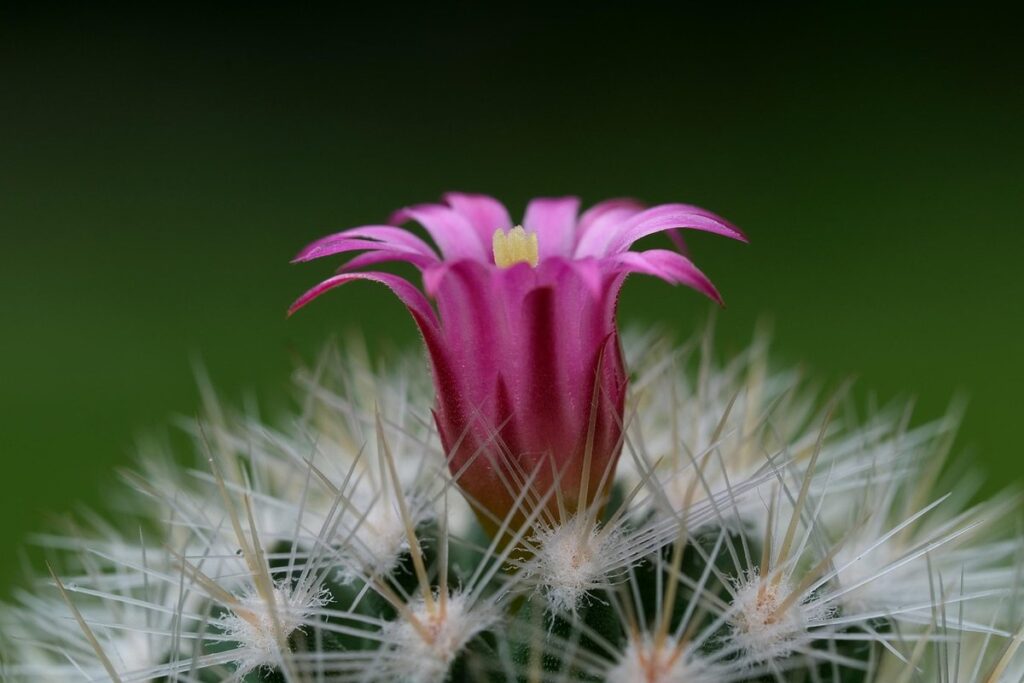
So, you’re curious about those vibrant blooms on your prickly plants – let’s dive into what exactly a cactus flower is and how it grows!
Types of Cacti That Produce Showy Flowers
When it comes to cacti that produce showy flowers, there are several species that stand out for their vibrant blooms. One popular type is the Christmas cactus (Schlumbergera bridgesii), which produces stunning red or pink flowers around the holiday season. With proper care and conditions, these plants can bloom repeatedly throughout the year, making them a delightful addition to any indoor space.
Another variety worth mentioning is the Easter cactus (Hatiora gaertneri), which boasts delicate white, yellow, or pink flowers in the spring. These flowering cacti thrive in bright, indirect light and consistent watering schedules, ensuring they produce an abundance of blooms for years to come.
The night-blooming cereus (Selenicereus spp.) is a striking example of a cactus that produces large, trumpet-shaped flowers at dusk or dawn. With its unique growth habit and exquisite blooms, this species has become a favorite among cacti enthusiasts.
When Do Cacti Typically Bloom?
Cacti typically bloom at different times of the year, depending on their species and the region they’re native to. Spring-blooming cacti are some of the most popular varieties, with many species producing vibrant flowers in shades of pink, red, yellow, and orange. These include the iconic Easter Cactus (Hatiora gaertneri) and the Parodia genus, which both bloom in late winter to early spring.
Summer is also a prime time for cacti blooms, particularly in warmer climates like the American Southwest. The majestic saguaro (Carnegiea gigantea), for example, produces white flowers that are pollinated by night-blooming yucca moths. Fall bloomers include the majestic columnar cactus, Stetsonia coryne, which produces showy red and yellow flowers in late summer to early fall.
Winter is a less common blooming season for most cacti species, but some varieties like the Christmas Cactus (Schlumbergera bridgesii) and the Thanksgiving Cactus (Schlumbergera truncata) thrive during this time. These plants are often forced to bloom indoors in colder climates, adding a pop of color to homes during the holiday season.
The Science Behind Cactus Flowers
You might be surprised by how cacti produce beautiful flowers, and understanding their reproductive biology is key to appreciating these adaptations. Let’s dive into the fascinating science behind cactus flowers’ unique characteristics.
Why Do Cacti Produce Flowers?
So, why do cacti produce flowers? It’s not just to add some beauty to the desert landscape, although they’re certainly stunning. Flowers play a crucial role in the reproduction of cacti, and it all starts with pollination.
Cacti have evolved unique strategies to ensure successful pollination, often relying on specialized bees and other pollinators that are attracted to their flowers’ sweet fragrance and nectar. As these pollinators move from flower to flower, they transfer pollen, allowing the cactus plant to produce seeds. This process is essential for the reproduction of cacti, as it allows them to disperse seeds in new locations, ensuring the continuation of their species.
In return, cacti provide a valuable source of nectar and pollen for these pollinators, supporting their survival and feeding needs. This mutualistic relationship between cacti and pollinators is an example of co-evolution, where both parties benefit from each other’s presence. By producing flowers, cacti are able to fulfill their reproductive needs while also contributing to the local ecosystem.
How Are Cactus Flowers Structured?
Cacti flowers are remarkable structures that have evolved to thrive in some of the harshest environments on Earth. One of the most distinctive features of cactus flowers is their shape and size. Unlike many other flowers, which are typically delicate and intricate, cactus flowers tend to be large and showy. Some species can produce blooms as big as 12 inches (30 cm) in diameter! These oversized petals not only serve to attract pollinators but also provide a stunning display of color against the desert landscape.
The colors themselves are often vibrant and bold, ranging from soft pastels to bright pinks, yellows, and reds. The unique coloration is not just aesthetically pleasing; it’s also an important adaptation that helps cacti stand out in their arid habitats. Some species even have markings or stripes on their petals that help guide pollinators towards the flower’s nectar-rich center.
The structure of a cactus flower is designed to maximize its chances of successful pollination. Typically, the reproductive parts are protected by a series of highly modified leaves called “perianth segments” that fold over like tiny petals. This arrangement helps prevent water loss and protects the delicate reproductive organs from damage.
Identifying and Cultivating Cactus Flowers
Now that you’ve spotted those gorgeous cacti blooms, let’s dive into how to identify and cultivate them for a year-round display of color.
Choosing the Right Cactus Species for Your Climate
When it comes to growing cacti that bloom beautifully, choosing the right species is crucial. This is especially true when considering climate and growing conditions. Different regions have varying temperatures, humidity levels, and sunlight exposure, which can impact a cactus’s ability to thrive.
For example, if you live in a hot and dry desert region, look for species like Pincushion Cacti (Mammillaria spp.) or Claret Cup Cactus (Echinocereus triglochidiatus), which are adapted to these conditions. These cacti require minimal watering and can handle intense sunlight.
On the other hand, if you live in a region with mild winters and cool summers, like the Mediterranean or coastal areas, consider species like Christmas Cactus (Schlumbergera bridgesii) or Easter Cactus (Hatiora gaertneri). These cacti prefer more moderate temperatures and higher humidity levels.
When selecting a cactus species for your climate, research its specific needs and characteristics. Check the USDA Hardiness Zone map to determine which zones are suitable for the plant you’re interested in. By choosing a cactus that’s well-suited to your local environment, you’ll set yourself up for success and enjoy vibrant blooms for years to come.
Tips for Encouraging Blooms in Your Cactus
To encourage blooms in your cactus, it’s essential to provide optimal growing conditions. For potted cacti, this means placing them in a bright location with filtered sunlight. East- or west-facing windows are ideal, as direct south-facing light can be too intense. Avoid low-light areas, as cacti require sufficient light to produce flowers.
Watering is another crucial aspect of promoting blooming. Overwatering is the most common mistake that prevents flowering in cacti. Water your potted cactus sparingly, allowing the soil to dry completely between waterings. For garden-grown cacti, ensure good drainage by using well-draining potting mix and avoiding heavy clay soils.
Fertilization also plays a significant role in encouraging blooms. Use a balanced, water-soluble fertilizer during the growing season (spring-fall) to provide essential nutrients. Dilute the fertilizer to half the recommended strength to avoid burning your cactus’s roots. By following these simple tips, you’ll be well on your way to promoting healthy growth and vibrant blooms in your potted or garden-grown cacti.
The Symbolism and Cultural Significance of Cactus Flowers
Cactus flowers have been imbued with rich symbolism and cultural significance across various regions, reflecting their rarity and beauty. Let’s explore these fascinating meanings together!
Meaning and Significance in Different Cultures
Cactus flowers have been imbued with diverse symbolic meanings across various cultures and traditions. In some Native American communities, cactus flowers are considered a symbol of resilience and survival, reflecting the plant’s ability to thrive in harsh desert environments. In contrast, in Mexican culture, these flowers represent love, fertility, and spiritual growth, often used as offerings to gods and goddesses.
In Japan, cactus flowers are prized for their striking beauty and delicate appearance, serving as a reminder of the fleeting nature of life. Interestingly, the Aztecs revered cactus flowers as a symbol of divinity and sacred power, using them in rituals and ceremonies to connect with the divine.
When encountering cactus flowers, especially in cultural contexts, it’s essential to respect their symbolic meanings and significance. By understanding these various interpretations, we can deepen our appreciation for these remarkable plants.
Using Cactus Flowers in Decorations and Arrangements
When it comes to incorporating cactus flowers into your decorative pieces, the possibilities are endless. One of the most beautiful ways to showcase these blooms is by using them as a statement piece in floral arrangements and bouquets. To do this effectively, start by choosing a mix of cacti with different bloom colors, shapes, and sizes to add visual interest.
Consider pairing bold-colored blooms like red or orange with more subtle hues like pale pink or white. This contrast will create a stunning visual effect that’s sure to draw attention in any room. When it comes to arrangement styles, think outside the box – literally. Instead of placing your cactus flowers in a traditional vase, try using unique containers like terra cotta pots, wooden planters, or even vintage boots.
To add some extra flair, incorporate decorative elements like succulent leaves, twigs, and pinecones into your arrangement. This will not only enhance the overall look but also create a cohesive desert-inspired theme that’s perfect for any room in your home.
The Medicinal and Culinary Uses of Cactus Flowers
Cactus flowers not only add beauty to our surroundings, but they also have numerous practical uses. We’ll explore some of their most valuable medicinal and culinary applications in this next section.
Edible Cactus Flowers: A Guide to Preparation and Use
Edible cactus flowers are a delicacy in many parts of the world. They’re not only visually stunning but also packed with flavor and nutrients. Before you can start cooking with them, however, it’s essential to prepare them correctly.
To begin, gently rinse the flowers under cold running water to remove any dirt or debris. Pat them dry with paper towels to prevent sogginess. Next, select the most fragrant and vibrant blooms for optimal flavor. You can use them in salads, as a garnish, or even as a substitute for herbs like basil.
In terms of recipes, cactus flowers pair well with light, citrusy flavors. One popular way to prepare them is by using them in a Mexican-inspired salad: toss the flowers with chopped tomatoes, onions, cilantro, and a squeeze of lime juice. Alternatively, use them to make a fragrant tea or add them to soups for an extra boost of nutrition.
When working with edible cactus flowers, be mindful of potential allergens like latex. Avoid consuming them if you’re pregnant or breastfeeding, as their effects on fetal development are still unknown.
Traditional Medicine and Cactus Flowers
For centuries, cactus flowers have been utilized in traditional medicine, offering a wealth of benefits that range from pain relief to wound healing. The indigenous communities of the Americas were among the first to harness the medicinal properties of these remarkable blooms. For instance, the ancient Aztecs used the flower of the prickly pear cactus (Opuntia spp.) to treat a variety of ailments, including fever, rheumatism, and even snake bites.
The current relevance of traditional medicine’s use of cactus flowers is undeniable. Studies have isolated various bioactive compounds in these flowers that exhibit anti-inflammatory, antioxidant, and antimicrobial properties. These findings validate the long-standing practices of our ancestors and underscore the importance of preserving traditional knowledge. In some parts of Latin America, local healers continue to employ cactus flower extracts to treat modern-day health issues.
When experimenting with cactus flowers for medicinal purposes, it’s essential to properly identify the plant species and select only fresh, organic blooms. Steep dried or fresh cactus flowers in hot water to create a tea that can be consumed as is or added to other herbal remedies.
Conclusion and Final Thoughts on Cactus Flowers
Now that we’ve explored the incredible world of cactus flowers, let’s reflect on what we’ve learned and consider their significance in our gardens.
Recap of Key Points and Takeaways
As we conclude our journey through the fascinating world of cactus flowers, let’s take a moment to recap the key points and takeaways from this article. You now know that these incredible blooms come in a stunning array of colors and shapes, defying their spiny exterior with delicate beauty.
From the majestic saguaro flowers that bloom once a year to the showy funnel-shaped blooms of the claret cup cactus, we’ve explored the diverse world of cactus flowers. You learned about the unique adaptations that allow these plants to thrive in arid environments and how they’re often pollinated by nocturnal creatures like bats and moths.
Perhaps most importantly, you discovered that cactus flowers are not just visually striking – they also play a crucial role in supporting local ecosystems and providing vital food sources for pollinators. As we’ve emphasized throughout this article, appreciating the beauty of these plants requires more than just admiring their appearance; it demands an understanding of their importance in the natural world.
By incorporating cactus flowers into your garden or simply learning to appreciate them in their native habitats, you can contribute to the preservation and celebration of these remarkable plants.
Encouragement to Explore and Learn More
As you’ve delved into the world of cactus flowers, we hope you’ve been amazed by their beauty and diversity. But there’s still so much to explore! The realm of cacti is vast and fascinating, with new species being discovered all the time. We encourage you to continue your journey of discovery and learn more about these incredible plants.
Start by investigating different types of cacti, such as the majestic saguaro or the delicate Christmas cactus. Each one has its unique characteristics, adaptations, and blooming habits. You can also explore the various ways cacti are used – from ornamental gardens to medicinal applications.
To take your knowledge to the next level, try growing a few cacti of your own. Not only will you get to witness their stunning blooms up close, but you’ll also develop a deeper appreciation for these incredible plants. Join online communities or forums where enthusiasts share tips and advice on cactus care and propagation.
By continuing to learn and explore the world of cactus flowers, you’ll discover even more wonders and surprises. Who knows what hidden gems you’ll stumble upon? With so much to discover, we’re confident that your fascination with cacti will only continue to grow – just like these incredible plants themselves!
Frequently Asked Questions
Can I use cactus flowers for decorations without damaging them?
You can use cactus flowers for decorations, but handle them gently to avoid damage. Since they’re delicate, it’s best to place them in a glass vase or container filled with water to keep them hydrated and upright. Avoid touching the delicate petals, and consider using floral wire or a small stick to support the stem if needed.
What are some common challenges when trying to encourage blooms on my cactus?
One common challenge is ensuring your cactus receives the right amount of light. Cacti typically need bright, indirect light to produce flowers, but direct sunlight can be too intense and cause burning. Monitor your plant’s response and adjust its location accordingly.
Can I grow cacti indoors year-round if I live in a cold climate?
While it’s possible to grow some cactus species indoors year-round, most require a period of cooler temperatures (around 50°F/10°C) to induce flowering. If you want to encourage blooms on your indoor cactus, consider placing it near a window that receives cool breezes or using a fan to mimic the natural temperature fluctuations.
How do I know which cactus species will thrive in my specific climate?
Research the specific hardiness zone and temperature requirements for your desired cactus species. Consider factors like sunlight exposure, soil type, and moisture levels in your local environment. Choose species that are adapted to your region’s conditions to ensure a healthy and thriving plant.
Can I propagate new cacti using their flowers or seeds?
Yes, you can propagate new cacti from their seeds or offsets (pups). However, it’s generally easier to start with seeds, as they offer more genetic diversity. To propagate via seed, sow them in well-draining soil and keep the soil moist until germination. For offsets, gently remove them from the mother plant and allow them to dry before replanting.