
Are you one of the many succulent enthusiasts who has fallen in love with the unique String of Turtles plant? This adorable little succulent is not only low-maintenance, but it’s also incredibly easy to propagate and care for. But, let’s be real – there are so many factors to consider when growing any type of succulent, from lighting and watering to temperature and humidity conditions. That’s why we’ve put together this ultimate guide on how to grow, propagate, and care for the String of Turtles plant like a pro! In this article, you’ll learn expert tips on creating the perfect environment for your succulent to thrive – including ideal conditions for lighting, watering, temperature, and humidity. Whether you’re a seasoned gardener or just starting out, get ready to become an expert in no time with our top-notch advice!
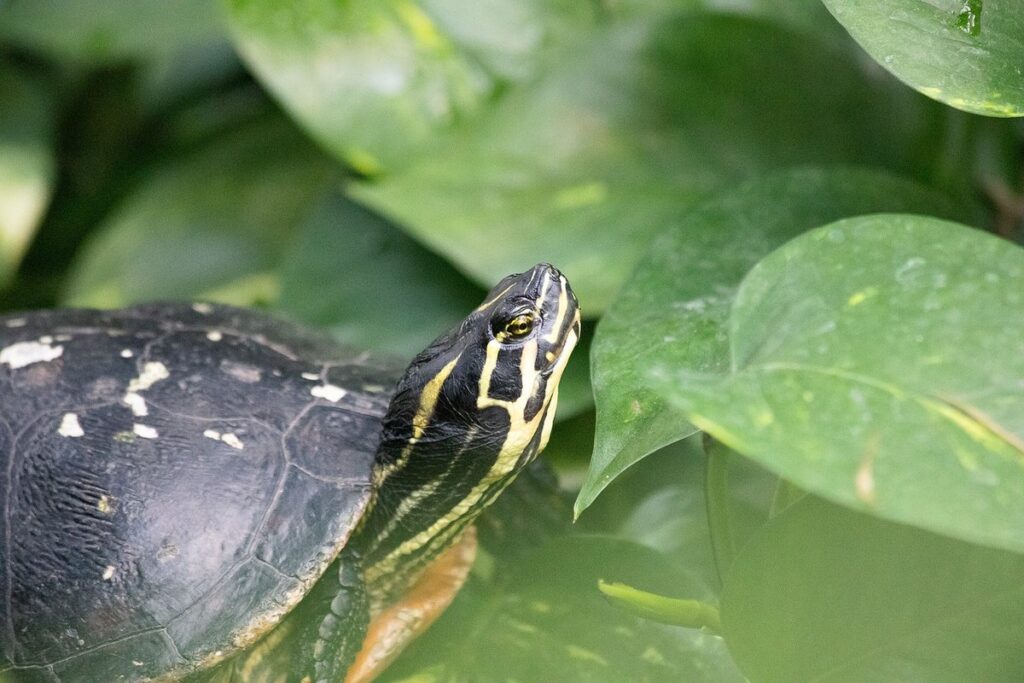
What is a String of Turtles Plant?
Let’s dive into what makes this plant so unique: the String of Turtles Plant is a low-maintenance, air-purifying succulent that’s perfect for indoor spaces.
Characteristics and Appearance
The string of turtles plant, also known as Peperomia prostrata, is a unique and fascinating succulent that has gained popularity among plant enthusiasts. Its distinctive appearance is what gives it its name – the plant forms a sprawling mat with small, rounded leaves that resemble turtle shells.
One of the standout features of this plant is its compact size. Reaching only about 4-6 inches in height, it’s perfect for small spaces or indoor containers. The string of turtles’ leaves are typically a deep green color with a slightly powdery texture, giving them a soft, velvety appearance.
What sets the string of turtles apart from other succulents is its slow-growing habit and ability to thrive in low-light conditions. This makes it an excellent choice for indoor spaces that don’t receive direct sunlight. With proper care, the plant can grow relatively quickly, but it’s not necessary to provide a lot of space for it to spread out – simply prune back any long stems to encourage new growth and maintain its compact shape.
When potting your string of turtles, choose a shallow container with good drainage to prevent waterlogged soil. This will help ensure the plant stays healthy and continues to thrive in its unique environment.
Origin and History
The String of Turtles plant is native to South Africa, specifically in the Eastern Cape Province. This succulent plant thrives in its natural habitat where it receives full sun and infrequent rainfall. In fact, the String of Turtles loves dry conditions, making it an ideal choice for forgetful waterers or those new to plant care.
Interestingly, the String of Turtles has been cultivated in Europe since the 19th century, where it was highly prized for its unique, turtle-shaped leaves. During this time, it was often used as a decorative element in greenhouses and conservatories. In modern times, the String of Turtles is enjoyed by indoor plant enthusiasts worldwide for its low-maintenance requirements and attractive appearance.
One interesting historical fact about the String of Turtles is that it’s part of the Crassulaceae family, which includes other popular succulent plants like Echeveria and Sedum. As a member of this family, the String of Turtles has inherited the ability to store water in its leaves, making it incredibly resilient to drought conditions.
This adaptability makes the String of Turtles an excellent choice for indoor spaces with varying levels of humidity and lighting. With proper care, this plant can thrive in a range of environments, from bright and sunny windowsills to low-light offices.
Care and Maintenance Tips
To keep your String of Turtles plant happy and thriving, it’s essential to understand its specific care needs, which we’ll outline below. Follow these tips for a long-lasting and lush succulent.
Lighting Requirements
When it comes to providing the perfect care for your String of Turtles plant, lighting is one of the most critical factors. This plant thrives in bright, indirect light but can also tolerate low light conditions. However, direct sunlight should be avoided as it may cause the leaves to become scorched.
In ideal conditions, place your String of Turtles near an east- or west-facing window where it will receive gentle, indirect sunlight for most of the day. If you don’t have access to a bright window, make sure to adjust your plant’s light levels accordingly. During the summer months when the sun is at its strongest, consider moving your plant away from direct sunlight to prevent damage.
As the seasons change and the days get shorter, reduce the light levels by placing your String of Turtles further away from windows or using sheer curtains to filter the sun’s rays. Conversely, during the winter months when daylight hours are shorter, move your plant closer to a sunny window or use grow lights to supplement its natural light needs.
Keep in mind that your plant will still benefit from some indirect light, even if it’s not directly under the sun. Aim for at least 2-3 feet of distance between your plant and any direct sunlight source to ensure optimal growth and prevent damage. By adjusting your String of Turtles’ lighting conditions seasonally, you’ll be able to provide the perfect environment for this unique and beautiful plant to thrive.
Watering Habits
Watering your string of turtles plant can be a delicate process, as it’s prone to overwatering. To avoid this, make sure to check the soil moisture by inserting your finger into the soil up to the first knuckle. If the soil feels dry, it’s time for a watering session. However, if it’s still damp, wait another day or two before checking again.
A good rule of thumb is to water your string of turtles plant once a week during its active growing period (spring and summer). During the dormant season (fall and winter), reduce watering to once every 10-14 days. It’s also essential to ensure that the pot has proper drainage holes to prevent waterlogged soil.
To avoid underwatering, monitor your plant’s leaves for signs of stress, such as wrinkled or soft tips. If you notice any of these symptoms, increase the frequency of watering slightly. Remember, it’s always better to err on the side of caution and underwater than to risk drowning your string of turtles with too much water.
When watering, make sure to use room-temperature water to prevent shocking the roots. Aim for a gentle pour, allowing excess water to drain freely from the pot. By following these guidelines, you’ll be able to provide your string of turtles plant with just the right amount of moisture it needs to thrive.
Temperature and Humidity Preferences
String of Turtles plants thrive in temperatures between 60°F to 75°F (15°C to 24°C), with optimal growth occurring between 65°F to 70°F (18°C to 21°C). Daytime temperatures should be slightly higher than nighttime temperatures, allowing for a natural drop in temperature at night. Avoid placing your String of Turtles plant near drafty windows or air conditioning vents, as this can cause stress and affect its overall health.
Maintaining the right humidity level is crucial for your String of Turtles plant’s well-being. Aim to keep the environment between 40% to 60% relative humidity. You can achieve this by placing the pot on a tray filled with water and pebbles or using a humidifier nearby. Avoid overwatering, as high humidity levels can lead to root rot.
Monitor your plant’s response to its environment, and adjust accordingly. If you notice the leaves becoming wrinkled or developing brown tips, it may be a sign that the humidity level is too low. Conversely, if the leaves are prone to fungal infections, the humidity might be too high.
Propagation Methods
To propagate your string of turtles plant, you have several methods at your disposal, including leaf cuttings and stem sections. We’ll guide you through each process in detail.
Leaf Cuttings vs. Stem Cuttings
When it comes to propagating String of Turtles plants, you have two main options: leaf cuttings and stem cuttings. Both methods can be effective, but they require different techniques and may produce varying results.
Leaf cuttings involve snipping off a healthy leaf from the mother plant, making sure each section has at least two nodes (the joint where the leaf meets the stem). Place the cut end in a small pot filled with well-draining soil, and keep it moist but not waterlogged. Leaf cuttings are ideal for propagating String of Turtles plants because they produce roots more quickly than stem cuttings.
On the other hand, stem cuttings require you to snip off a section of stem (about 2-3 inches long) from the mother plant. Remove lower leaves and dip the cut end in rooting hormone powder or liquid before planting it in well-draining soil. Keep the soil consistently moist but avoid overwatering.
To boost success rates, ensure that your leaf or stem cutting is taken from a healthy section of the plant with plenty of nodes. Also, keep the soil warm (around 75-85°F) and maintain high humidity levels to promote rooting. Monitor your cuttings regularly for signs of growth, such as new leaves or roots, which should emerge within 1-3 months.
Soil Mix and Repotting
When it comes to creating a suitable soil mix for your String of Turtles plant, you’ll want to choose a well-draining potting mix specifically designed for cacti and succulents. This type of mix will help prevent waterlogged soil, which can lead to root rot and other issues.
A good cactus potting mix typically contains perlite or sand to improve drainage, as well as a balanced fertilizer to provide essential nutrients. You can also add some extra ingredients like pumice or small rocks to further enhance drainage. Some popular options include Miracle-Gro Cactus Potting Mix, Black Kow All Purpose Potting Soil, and Pro-Mix Cacti & Succulent Mix.
As for repotting, it’s generally recommended to do so every 1-2 years, depending on the plant’s growth rate and root size. Spring or summer is a good time to repot, as your String of Turtles will be actively growing during this period. Be sure to gently remove any old soil, inspect the roots for any signs of damage, and prune any overgrown sections before placing the plant in its new pot with fresh soil.
Keep an eye on your plant’s size and adjust the repotting frequency as needed – if you notice it needs more space or is showing signs of nutrient deficiency.
Common Problems and Solutions
When it comes to caring for your string of turtles plant, you might encounter some common issues that can be easily resolved with a little know-how. Let’s tackle these problems together!
Overwatering and Root Rot
One of the most common mistakes new plant parents make is overwatering their String of Turtles. While it’s essential to keep the soil consistently moist, too much water can be detrimental to your succulent’s health. When roots are constantly submerged in water, they begin to rot, causing root decay and potentially killing the plant.
So, how do you know if your String of Turtles is suffering from root rot? Check for yellowing or browning leaves, soft stems, and a mushy texture at the base of the plant. These symptoms indicate that the roots are no longer healthy and need attention.
To treat root rot, start by repotting your String of Turtles in well-draining soil to prevent further waterlogged conditions. Gently remove any dead or rotten roots, making sure not to damage the remaining healthy tissue. Allow the plant to dry out for a few days before resuming regular watering. This will give the roots time to recover and reduce the risk of further decay. By being mindful of your watering habits and catching root rot early, you can save your String of Turtles from this common problem and keep it thriving for years to come.
Pests and Diseases
As a proud owner of a String of Turtles plant, it’s essential to stay vigilant and recognize potential issues that can affect its health. One common problem is pest infestation, with mealybugs and spider mites being the most notorious culprits. Mealybugs are small, white, cottony pests that feed on the sap of your plant, causing curled or distorted leaves. Spider mites, on the other hand, are tiny, moving dots that spin fine webs between the leaves.
To detect these pesky visitors, inspect your plant regularly for signs of infestation, such as yellowing leaves, white powdery patches, or actual pests on the undersides of leaves. If you suspect an issue, treat your String of Turtles plant with organic pest control methods like neem oil or insecticidal soap. Spray the solution directly on the affected areas and repeat every 7-10 days until the pests are gone.
Preventing pest infestations is also crucial. Ensure good air circulation around your plant, maintain optimal watering habits, and avoid over-fertilizing, which can attract unwanted insects. Regularly clean your plant’s potting mix by repotting it in fresh soil every 6-12 months to prevent the buildup of pests and diseases.
Growing Tips for Advanced Gardeners
As experienced gardeners, you’re likely looking to push your string of turtles plant to new heights and test your skills with more advanced techniques to optimize its growth. Let’s dive into some expert tips on how to take it to the next level.
Pruning and Shaping
When it comes to maintaining the unique shape and promoting healthy growth of your String of Turtles plant, pruning is an essential skill to master. As an advanced gardener, you’re likely familiar with the importance of pruning for overall plant health, but String of Turtles has some specific needs.
To maintain its signature cascading shape, prune your String of Turtles by cutting back long vines to about half their length. This encourages new growth and prevents the plant from becoming too leggy. Make clean cuts just above a node (where a leaf meets the stem), as this promotes healthy branching.
For more dramatic shaping, you can remove entire stems or sections that are not desired. Be sure to make these cuts at a 45-degree angle, about an inch above a node, to prevent water from collecting on the cut surface and causing rot. By pruning regularly, you’ll encourage your String of Turtles to produce even more beautiful, trailing stems with vibrant green leaves.
Experimenting with Combinations
When you’ve mastered the care and cultivation of your String of Turtles plant, it’s time to get creative with combinations. Advanced gardeners love experimenting with unique pairings that showcase their green thumb skills. Why not combine this succulent’s stunning trailing habit with other plants that offer contrasting textures, shapes, or colors?
One idea is to pair the String of Turtles with Echeveria or Crassula species. These low-growing succulents provide a visually appealing contrast in texture and shape, while their delicate flowers add pops of color. For example, place a rosette-shaped Echeveria at the base of your String of Turtles, allowing its trailing stems to cascade down.
Consider combining your String of Turtles with taller plants like Aloe or Agave species. These towering succulents provide a striking backdrop for the trailing stems of your String of Turtles. You can also experiment with hanging planters or trellises to add visual interest to your arrangement. By mixing and matching different shapes, textures, and colors, you’ll create one-of-a-kind displays that showcase your creative gardening skills.
Conclusion
Now that you’ve learned all about growing and caring for your string of turtles plant, let’s summarize what we’ve covered together so far.
Recap of Key Points
When it comes to successfully growing and maintaining a string of turtles plant, there are several key takeaways from this ultimate guide that you should keep in mind. As we’ve covered the importance of providing the right conditions for growth, including bright indirect light and infrequent watering, it’s essential to remember that overwatering is one of the most common mistakes new plant owners make.
In addition to these general care tips, we also explored the specific needs of string of turtles plants in different stages of their life cycle. For example, when propagating a new string of turtles, be sure to remove any weak or damaged segments and allow the remaining healthy portions to dry out for a few days before re-potting.
As your plant continues to grow and mature, it’s crucial to prune it regularly to maintain its shape and encourage new growth. This can be done by simply snipping off any leggy stems or removing any dead or dying segments. Not only does pruning help keep your string of turtles looking its best, but it also encourages the plant to produce more leaves and stems.
Another important consideration when growing a string of turtles is its susceptibility to pests and diseases. Regularly inspect your plant for signs of infestation, such as white powdery patches or sticky residue on the leaves, and treat any issues promptly with insecticidal soap or neem oil.
By following these key takeaways and keeping in mind the unique needs of your string of turtles plant, you’ll be well on your way to enjoying a thriving and beautiful addition to your indoor space.
Frequently Asked Questions
Can I grow a String of Turtles plant outdoors if I live in a warm climate?
Yes, you can grow the String of Turtles plant outdoors in warm climates, but be aware that direct sunlight and high temperatures may cause the leaves to become scorched. Provide some shade, especially during peak sun hours, and keep the soil moist but not waterlogged.
How often should I fertilize my String of Turtles plant for optimal growth?
Fertilize your String of Turtles plant sparingly, as over-fertilization can damage the roots. Feed your plant with a balanced, water-soluble fertilizer during the growing season (spring and summer), diluting it to half the recommended strength to avoid burning the roots.
Can I propagate multiple String of Turtles plants at once using leaf cuttings?
Yes, you can propagate multiple String of Turtles plants simultaneously using leaf cuttings. Simply prepare multiple sets of clean tools and surfaces for each cutting, and follow the same steps as described in the main article to achieve successful propagation.
How do I prevent pests like mealybugs or spider mites from infesting my String of Turtles plant?
Prevent pest infestations by regularly inspecting your plants and treating them promptly if you notice any signs of pests. Use neem oil or insecticidal soap to control outbreaks, and maintain good air circulation around your plants to discourage the growth of fungi that can attract pests.
Can I mix my String of Turtles plant with other succulents in a single pot, or should they have their own containers?
You can grow multiple succulent species together in a single container if you choose species with similar care requirements and lighting needs. However, make sure to provide enough space for each plant’s roots to expand and avoid overcrowding the pot to prevent waterlogging and root rot issues.