
Are you tired of dealing with rusty tools that are no longer usable? Removing rust from your equipment can be a daunting task, but don’t worry, we’ve got you covered. In this comprehensive guide, we’ll walk you through various methods to remove rust from tools, including chemical, mechanical, and electrochemical techniques. Whether you’re a DIY enthusiast or a professional mechanic, learning how to remove rust is an essential skill that will save you time and money in the long run.
We’ll also cover crucial safety precautions to take when working with chemicals and electrical equipment, so you can ensure your safety while getting the job done. By the end of this article, you’ll be equipped with the knowledge to restore your rusty tools back to their former glory and keep them rust-free for a longer period. So, let’s get started on our journey to rust-free tools!
Assessing the Severity of Rust
To accurately tackle rust removal, you first need to assess the severity of the damage, which involves examining the affected area and determining its impact on tool functionality. This section will guide you through that process.
Identifying Types of Rust
When it comes to removing rust from tools, understanding the type of rust that has formed is crucial. There are three primary types of rust that can affect tools: surface rust, pitting, and deep penetration.
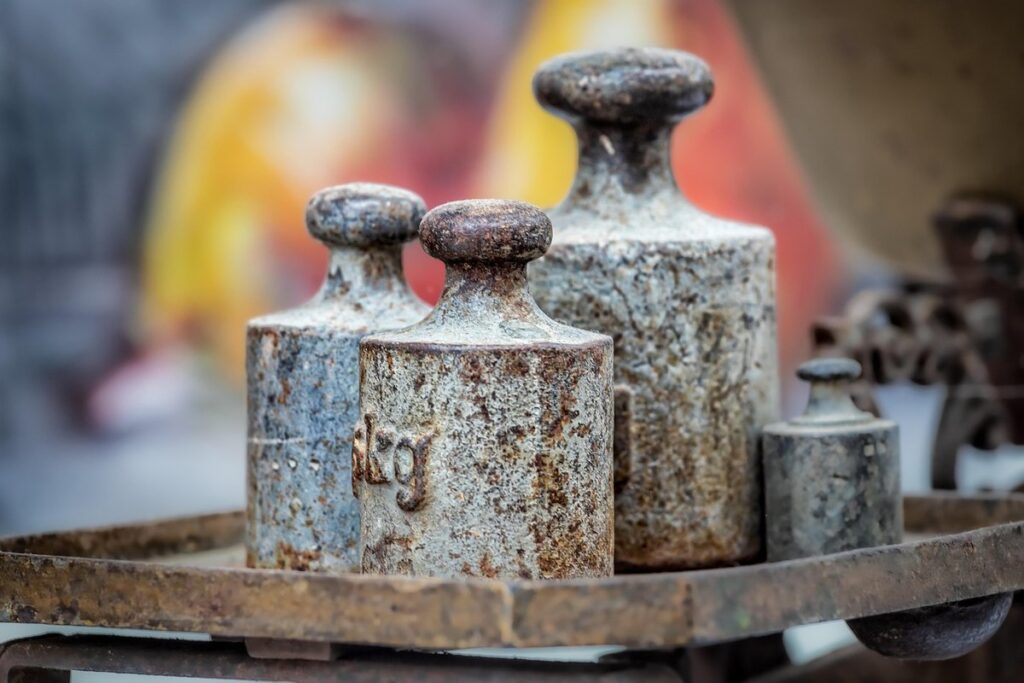
Surface rust is the mildest form of rust, appearing as a thin, brown or reddish-brown layer on the tool’s surface. It’s often easily removable with sandpaper or a wire brush. However, if left unchecked, it can quickly progress to more severe forms of rust.
Pitting occurs when water penetrates through small gaps in the metal and reacts with oxygen, causing tiny holes to form on the surface. Pitting is characterized by its rough texture and can be challenging to remove entirely.
Deep penetration rust, also known as intergranular corrosion, is the most severe type of rust. It occurs when moisture seeps deep into the tool’s grain structure, causing extensive damage that may render the tool unusable. Identifying the type of rust is essential to choose the right removal method and prevent further damage.
Evaluating Tool Damage
When evaluating tool damage due to rust, it’s essential to assess the severity of the corrosion. Start by examining the affected area closely for signs of advanced corrosion such as pitting and flaking. Pitting occurs when tiny holes develop on the surface of the metal, while flaking is characterized by loose layers of rust that can easily detach. Both conditions indicate a more severe level of damage.
Look for other signs like red or orange staining around rusty areas, which could be indicative of acidification – a process where rust releases acidic substances that further accelerate corrosion. Check if any rust has spread to adjacent parts of the tool, as this can compromise its overall structural integrity.
To make an accurate assessment, gently rub the affected area with fine-grit sandpaper or a soft cloth. Observe the extent of the damage and note whether it’s confined to a single spot or widespread throughout the tool. This information will help you determine the most effective removal method and decide whether to repair or replace the tool entirely.
Understanding Rust Causes
Rust on tools is often a result of exposure to moisture, whether it’s from direct contact with water, high humidity, or even saltwater. When metal comes into contact with moisture, it creates an ideal environment for rust to form. This can happen when tools are used in wet conditions, left outdoors, or stored in areas prone to flooding.
Poor storage is another significant contributor to rust on tools. If tools are not properly cleaned and dried before being put away, or if they’re stored in a humid or damp environment, rust can develop over time. Additionally, storing tools with other metal objects can cause friction, leading to scratches and further corrosion.
Exposure to corrosive environments is also a common cause of rust on tools. This includes areas near the ocean, where salt spray can accelerate rust formation, as well as areas with high levels of pollution or industrial activity. Understanding these causes can help you take preventative measures to keep your tools in good condition and prevent future rust buildup.
Preparing Tools for Restoration
Before you dive into removing rust, make sure you’re prepared by gathering all the necessary tools and supplies for a successful restoration process. This includes safety gear and specialized cleaning solutions.
Cleaning Tools Before Restoration
Before attempting to remove rust from your tools, it’s essential to give them a thorough cleaning. You see, dirt, grime, and oils can interfere with the rust removal process, making it more challenging and potentially damaging your tools further. Think of it like trying to paint over a dirty surface – the paint won’t adhere properly, and you’ll be left with an uneven finish.
To clean your tools effectively, start by wiping them down with a soft cloth or brush to remove any loose debris. Next, mix a solution of warm water and mild soap, and use a soft-bristled brush to gently scrub away any stubborn dirt or grime. Rinse the tools thoroughly with clean water, then dry them with a lint-free cloth or let them air-dry. Finally, use a degreaser or mineral spirits to remove any oils or residue that might be present.
This cleaning step may seem like an extra hassle, but trust us – it’s worth it. A clean tool is essential for effective rust removal, and skipping this step can lead to uneven results or even damage your tools further down the line.
Protecting Surrounding Areas
When removing rust from tools, it’s essential to protect the surrounding areas from potential damage caused by rust removal chemicals or processes. This can be achieved through simple precautions and a clear understanding of the materials involved.
Before applying any rust removal method, cover nearby surfaces with drop cloths, old sheets, or plastic sheets to prevent accidental spills or splatters. If you’re working on tools in a garage or workshop, consider covering the floor with a protective mat or tape off the surrounding areas to contain any potential mess.
Additionally, take steps to protect sensitive electronics and machinery from exposure to rust removal chemicals. Move items away from the work area or cover them with protective sheets to ensure they remain safe from any accidental spills. By taking these precautions, you can confidently remove rust from your tools without causing damage to surrounding areas.
Choosing Rust Removal Methods
When it comes to removing rust from tools, choosing the right method is crucial for effective and safe removal. There are several methods you can use, each with its own advantages and disadvantages.
Chemical treatments are a popular choice for rust removal. They come in various forms, including aerosol sprays, wipes, and liquid solutions. These products contain active ingredients that break down and dissolve the rust, making it easy to wipe away. For example, phosphoric acid-based products are commonly used for rust removal due to their effectiveness and safety.
Mechanical removal methods involve using abrasive materials or tools to physically scrape off the rust. This method is often more time-consuming but can be effective for removing large amounts of rust. Examples include wire brushes, steel wool, and sandpaper. However, be cautious when using mechanical methods, as they can damage the underlying metal if not used carefully.
Electrochemical methods, such as electroplating or electrolytic cleaning, use an electric current to remove rust. These methods are typically more expensive than chemical treatments but offer a high level of effectiveness and safety.
Chemical Methods for Rust Removal
When it comes to tackling tough rust, chemical methods can be a fast and effective solution. Here are some common chemical methods for removing rust from your tools.
Acid-Based Rust Removers
Acid-based rust removers are a popular choice for removing rust from tools, but their use requires caution and attention to safety precautions. These products typically contain phosphoric acid, citric acid, or hydrochloric acid, which work by dissolving the iron oxide that makes up rust.
When using an acid-based rust remover, it’s essential to wear protective gear, including gloves, safety glasses, and a face mask. Make sure the area is well-ventilated, as these products can release fumes. Always follow the manufacturer’s instructions for application and dwell time.
Acid-based removers are effective on thick, surface-level rust but may not penetrate deeply into metal surfaces. They’re also relatively inexpensive and widely available. However, be aware that these products can damage certain metals or discolor aluminum, so it’s crucial to test a small area first.
Some popular acid-based rust removers include CLR, Naval Jelly, and Klean-Strip. When choosing an acid-based product, look for one with a pH level close to neutral (around 7) to minimize the risk of damage to your tools or surrounding surfaces.
Non-Acidic Rust Removers
Non-acidic rust removers are gaining popularity due to their gentler approach on metal surfaces. These alternatives are typically phosphoric acid-free, making them suitable for tools with intricate designs or sensitive coatings. One such option is baking soda-based rust remover. It’s a non-toxic and environmentally friendly solution that effectively breaks down rust without damaging the underlying material.
Another example is using citric acid-free products specifically designed for removing rust from metal surfaces. These products often come in a gel or paste form, allowing for targeted application and reducing the risk of over-spray. When choosing non-acidic rust removers, consider the type of tool you’re working with and the severity of rust buildup.
To use these alternatives effectively, ensure you follow the manufacturer’s instructions and take necessary safety precautions, such as wearing gloves and working in a well-ventilated area. It’s also essential to test a small, inconspicuous area first to confirm the product won’t damage your tool’s finish or other components.
Safety Precautions for Chemical Use
When working with chemical rust removers, safety should always be your top priority. Before you begin, make sure to read and follow the instructions on the product label carefully. It’s also essential to work in a well-ventilated area, away from children and pets.
Proper protective gear is crucial when handling chemicals. Wear long sleeves, gloves, goggles, and a face mask to prevent skin contact, eye irritation, and inhalation of fumes. A dust mask may not be enough to protect you from chemical vapors, so ensure you have a proper respirator mask rated for organic vapors.
In case of an emergency, know the correct procedures. If you experience any skin or eye irritation, flush the affected area with water immediately and seek medical attention if necessary. In the event of ingestion or inhalation, call your local poison control center or emergency services right away. Keep the product’s safety data sheet handy for reference. By following these essential safety precautions, you can minimize risks associated with chemical rust removers and successfully remove rust from your tools.
Mechanical Methods for Rust Removal
When dealing with stubborn rust on tools, mechanical methods can be a reliable solution. This section explores popular techniques and tools to remove rust efficiently.
Wire Brushing and Scraping
When it comes to removing rust from tools, wire brushing and scraping are two mechanical methods that can be effective, but they also have their limitations. Wire brushing is a great way to remove loose rust and debris from the surface of your tool, especially if you’re dealing with small, hard-to-reach areas. To use a wire brush effectively, start by removing any large chunks of rust or debris using a coarse-grit brush. Then, switch to a finer-grit brush to gently scrub away at the remaining rust.
Scraping is another method that can be used in conjunction with wire brushing. A steel scraper or a putty knife can be used to scrape off larger areas of rust and smooth out the surface of your tool. However, be careful not to gouge or scratch the metal, as this can create more problems than it solves. One key thing to keep in mind is that these methods are only effective for removing loose rust, and they won’t penetrate deep into the metal to remove stubborn stains. If you’re dealing with severe rust buildup, you may need to use a more aggressive method or chemical treatment.
Both wire brushing and scraping can be effective when used correctly, but they do require some elbow grease and patience. Make sure to work in small areas and use a gentle touch to avoid damaging the metal. By combining these methods with a thorough cleaning and drying process, you should be able to remove most of the rust from your tools and have them looking good as new again.
Sanding and Grinding
Sanding and grinding are mechanical methods that can be used to smooth out tool surfaces after rust removal. These techniques are essential for restoring the original finish of your tools and preparing them for reuse.
When using sanding, start with a coarse-grit sandpaper (about 80-100 grit) to remove any remaining rust or imperfections on the surface. Work progressively through finer grits (120-150-220), applying light pressure to avoid scratching the metal. It’s also essential to clean your tools frequently during this process to prevent rust particles from re-depositing onto the surface.
Grinding, on the other hand, uses a rotating abrasive wheel to remove material and smooth out surfaces. This method is particularly effective for removing stubborn rust buildup or smoothing out rough edges. To grind a tool effectively, start with a coarse-grit wheel (about 80-100) and progress through finer grits (120-150-220). Be cautious not to apply too much pressure, which can damage the metal.
Remember to inspect your tools regularly during the sanding and grinding process to ensure you’re making steady progress.
Using Power Tools for Rust Removal
Using power tools can be an effective way to remove rust and prepare surfaces for further treatment. Angle grinders or rotary tools are often used for this purpose due to their versatility and ability to reach into tight spaces. However, there are also some drawbacks to consider.
One of the main benefits is speed – power tools can quickly remove large amounts of rust, saving time and effort compared to manual methods. For example, an angle grinder with a wire brush attachment can strip away rust from a rusty metal surface in a matter of minutes. Additionally, power tools often provide more control over the removal process, allowing for precise targeting of rusted areas.
On the other hand, using power tools also carries some risks. Over-aggressive use can damage surrounding surfaces or create swirl marks on metal, which may need to be sanded out afterwards. Moreover, power tools require regular maintenance and safety precautions must always be taken when operating them. For instance, it’s essential to wear protective gear such as gloves and safety glasses, and ensure the work area is well-ventilated.
Electrochemical Methods for Rust Removal
When it comes to removing rust using electrochemistry, electrolysis is a powerful and precise method that can be applied to tools of all shapes and sizes. This technique involves passing an electric current through a solution to dissolve iron oxide.
Electropolishing
Electropolishing is an electrochemical method that effectively removes rust and polishes tool surfaces. This process involves immersing the rusty tool into a bath of electrolytic solution, where it acts as the cathode. The solution then conducts anodic oxidation, breaking down the rust and leaving behind a bright, mirror-like finish.
The electropolishing process is particularly useful for tools with complex geometries or tight spaces, where traditional methods might be difficult to apply. For example, you can use electropolishing to remove rust from inside screw threads or in narrow grooves on gears.
To perform electropolishing at home, you’ll need an electropolishing tank, a power source, and the right electrolytic solution. The process typically requires careful attention to temperature and current control to achieve optimal results. It’s essential to follow proper safety precautions when working with electrical equipment and chemicals.
When choosing an electropolishing method, consider the tool’s material and size to ensure compatibility with the process. This will help you determine whether electropolishing is suitable for your specific rust removal needs.
Anodic Protection
Anodic protection is an electrochemical method that not only removes existing rust but also provides long-term protection against further corrosion. This process involves making one part of the tool’s metal surface the cathode and the other part the anode, creating a protective current flow. The anode, being the sacrificial part, corrodes instead of the protected area, thereby preventing the spread of rust.
Anodic protection is particularly effective in scenarios where tools are frequently exposed to harsh environments or high humidity levels. For instance, consider a marine mechanic’s toolbox that contains essential equipment like wrenches and pliers. Regular anodic protection treatments can significantly extend their lifespan by shielding them from saltwater corrosion.
When implementing anodic protection on your tools, it’s crucial to follow the recommended electrode material and current density guidelines. This ensures that the process is both effective and safe for your tools’ metal composition. With proper maintenance, anodic protection can revive old, rusted tools and maintain their functionality for years to come.
Comparison with Chemical and Mechanical Methods
When it comes to removing rust from tools, you’re likely considering various methods to get the job done efficiently. Electrochemical methods have gained popularity in recent years due to their effectiveness and eco-friendliness. But how do they stack up against traditional chemical and mechanical techniques?
Chemical removal methods often involve using harsh substances that can damage certain materials or harm your health if not handled properly. For instance, acidic solutions like hydrochloric acid can be effective at dissolving rust, but they require careful handling and can corrode metal parts over time.
Mechanical methods, on the other hand, rely on abrasive techniques to physically remove rust. Wire brushing, grinding, or sanding may seem like a straightforward approach, but these methods can be labor-intensive and often damage the underlying material if not done correctly.
Electrochemical methods offer several advantages over their chemical and mechanical counterparts. They’re generally safer for both you and your tools, as they don’t involve harsh chemicals or abrasive actions that can cause damage. Moreover, electrochemical methods are more efficient and effective at removing rust from complex geometries and hard-to-reach areas. By choosing the right electrochemical method – such as electrolytic dissolution or electrochemical machining – you can achieve professional-grade results without compromising your tools’ integrity.
Aftercare and Maintenance
Now that you’ve successfully removed rust from your tools, it’s essential to learn how to maintain them and prevent future corrosion. Proper aftercare will keep your tools in top condition for years to come.
Preventing Future Rust Formation
Preventing future rust formation is just as important as removing existing rust from your tools. To keep your equipment in top condition, it’s essential to implement a few simple practices.
Proper storage is key. Store your tools in a dry place, away from direct sunlight and moisture. Use airtight containers or hang them on hooks with protective covers to shield them from the elements. For example, consider storing your tools in a garage or shed instead of leaving them outdoors exposed to rain and snow.
Regular maintenance schedules can also help prevent rust formation. Set aside time each month to inspect your tools for signs of rust. Use a wire brush to remove any debris or corrosion, and apply a layer of rust-inhibiting coating to protect the metal.
Additionally, consider implementing environmental controls in your workspace or storage area. Keep the temperature between 60°F and 80°F (15°C and 27°C), and maintain a humidity level below 60%. This will slow down the natural oxidation process that leads to rust formation.
Remember, prevention is always easier than treatment. By following these tips, you’ll be able to keep your tools in excellent condition for years to come.
Restoring Tool Functionality
After successfully removing rust from your tools, it’s time to restore their functionality. This is a crucial step to ensure that your tools perform as expected and are safe for use. Reassembling parts is the first step in this process. Begin by cleaning each part thoroughly with a soft brush or cloth to remove any residual debris or grime.
Reassembly typically involves snapping or screwing parts back into place, depending on their design. Make sure to refer to your tool’s manual for specific instructions on reassembly. For example, if you’re reassembling a drill, ensure that the chuck is securely attached and the gears are properly aligned.
Once all parts are reassembled, it’s essential to recalibrate any affected settings. This may involve adjusting the cutting depth or torque settings, depending on your tool type. Consult your tool’s manual for guidance on recalibration procedures. For instance, if you’re using a power saw, check that the blade is properly aligned and the guard is in place.
Recalibration will vary depending on the specific tool, so be sure to follow the manufacturer’s instructions carefully. With these steps, you’ll have your tools back up and running smoothly, ready for their next project.
Scheduling Regular Inspections
Regular inspections of your tools are crucial to catch early signs of rust formation before they escalate into more serious problems. Rust can spread quickly if left unchecked, leading to costly repairs or even the need for tool replacements. To avoid this, make it a habit to schedule regular inspections.
Set aside time every few weeks to visually inspect each tool in your collection. Look for tiny white spots, flakes, or streaks on metal surfaces – these are often early warning signs of rust formation. Check for any changes in texture or color, as well as loose or corroded parts.
If you notice any rust, don’t delay treatment. Apply a rust-inhibiting coating or lubricant to affected areas and address the root cause of the problem (such as high humidity or water exposure). By catching rust early on, you can prevent more extensive damage and keep your tools in good working condition for longer. This not only saves money but also ensures your safety when using those tools on the job.
Frequently Asked Questions
Can I remove rust from tools that are still functional, but have a rough surface?
While it’s possible to remove rust from tools that are still functional, it’s essential to consider the potential risks of delaying restoration. Rust can continue to spread and cause further damage, potentially leading to tool failure or even injury. It’s recommended to address rust removal as soon as possible, even if the tool is still functional.
What happens if I accidentally apply too much chemical remover, causing harm to surrounding materials?
If you’ve applied too much chemical remover, take immediate action by washing the affected area with water and neutralizing the substance with a mixture of baking soda and water. This can help minimize damage and prevent further harm to surrounding materials.
How do I know which rust removal method is best for my specific tool type?
The choice of rust removal method depends on the type of material your tool is made from, as well as the severity and type of rust present. For example, wire brushing or sanding may be suitable for tools with surface rust, while chemical or electrochemical methods might be necessary for more severe cases.
Can I use power tools to remove rust without proper safety precautions?
No. Using power tools without proper safety precautions can lead to serious injury or even death. Always wear protective gear, including gloves, safety glasses, and a dust mask when working with power tools. Additionally, ensure the work area is well-ventilated and free from any potential hazards.
What are some common mistakes people make when trying to remove rust from tools?
Common mistakes include applying too much pressure, using inadequate cleaning solutions, or failing to wear proper protective gear. These errors can lead to further damage, injury, or even complete tool failure.