
Are you tired of watching your fresh herb garden wither away come autumn? Perennial herbs can change all that, providing a continuous supply of flavorful goodness throughout the growing season. These low-maintenance superstars can be planted once and enjoyed for years to come, making them perfect for busy home cooks and gardening enthusiasts alike.
In this article, we’ll delve into the wonderful world of perennial herbs, covering everything from planting and maintenance tips to creative ways to use these versatile plants in your cooking and decorative spaces. We’ll share expert advice on propagation methods, pruning techniques, and how to make the most of your herb garden’s yield. Whether you’re a seasoned green thumb or just starting out, get ready to unlock the secrets of perennial herbs and enjoy a bountiful harvest all year round!
Benefits of Growing Perennial Herbs
Growing perennial herbs can be a game-changer for your kitchen and garden, offering numerous benefits that will make you wonder how you ever lived without them. Let’s explore these advantages in more detail.
Year-Round Harvesting
One of the most significant advantages of growing perennial herbs is that they provide a continuous supply of fresh herbs throughout the growing season. Unlike annual herbs, which need to be replanted every year, perennials come back year after year, requiring minimal maintenance and care.
In fact, many perennial herbs are at their best in the cooler months, when temperatures drop and growth slows down. For instance, mint is at its peak during winter, while rosemary and sage continue to produce fragrant leaves throughout the season. This means that you can enjoy a constant supply of fresh herbs, even when other plants are dormant.
To make the most of your perennial herb garden, choose varieties that are known for their long-lived habits, such as oregano, thyme, and chives. Plant them in well-draining soil with plenty of sunlight, and prune them regularly to encourage new growth and prevent overcrowding. With a little care, you can enjoy the benefits of a year-round harvest from your perennial herb garden.
Space-Efficient and Drought-Tolerant
One of the most significant advantages of perennial herbs is their ability to thrive in small spaces. Unlike annual herbs that require a dedicated plot of land and frequent replanting, perennials can be grown in containers or even directly in the ground, making them perfect for tiny gardens or indoor spaces. Consider growing thyme, rosemary, or oregano in a compact planter on your balcony or patio – they’ll flourish with minimal care.
Perennial herbs are also remarkably drought-tolerant compared to their annual counterparts. This is because they have developed deep root systems that allow them to access water more efficiently, reducing the need for frequent watering. For example, lavender requires only about 1 inch of water per week during its growing season, making it an ideal choice for dry climates or areas with low rainfall.
When planting perennial herbs in small spaces, keep in mind the mature size of each plant and choose varieties that are compact or dwarf. This will ensure they don’t overcrowd their space and have room to grow.
Choosing the Right Perennial Herbs for Your Garden
When selecting perennial herbs, consider factors such as climate, soil type, and mature size to ensure a harmonious blend in your garden. This variety will greatly impact your overall herb experience.
Fragrant Options like Lavender and Rosemary
When it comes to fragrant perennial herbs, few options beat the charm of lavender and rosemary. These Mediterranean natives are not only aromatic but also drought-tolerant, making them perfect for gardeners with limited water resources.
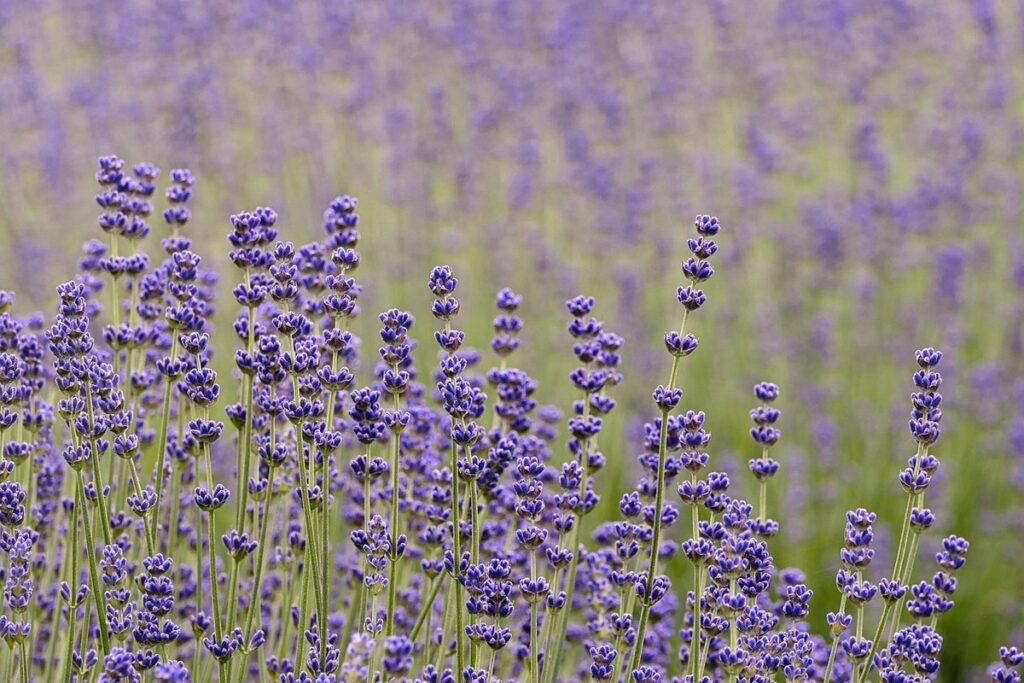
Lavender (Lavandula spp.) is a low-maintenance herb that requires minimal care. It thrives in well-drained soil and full sun, producing fragrant purple flowers that attract pollinators. To encourage bushy growth, trim lavender stems regularly, as this will promote new blooms and prevent legginess.
Rosemary (Rosmarinus officinalis) is another popular choice for its pine-like fragrance and versatility in cooking. This evergreen herb prefers well-drained soil and partial shade, but it’s not picky about soil type. Prune rosemary regularly to maintain shape and encourage new growth, as this will also help prevent woody stems from forming.
Both lavender and rosemary are excellent choices for container gardens or hedges, adding a fragrant touch to any outdoor space. When planting these herbs, be sure to choose varieties that suit your climate and growing conditions. This will ensure they thrive and provide you with an abundance of fragrance all season long.
Herb Gardens with Edible Plants like Chives and Mint
When designing an herb garden, why not combine edible plants with ornamental flowers or shrubs? This approach can add visual interest and create a unique, low-maintenance space. For example, pair the fragrant purple blooms of lavender with chives for a beautiful contrast.
Another option is to interplant mint leaves among marigolds or roses. Mint’s hardy growth habit makes it an ideal choice for companion planting. Its tall stems can be pruned back regularly to encourage bushy growth and prevent it from taking over the rest of the garden.
Consider creating a layered effect by alternating rows of edible plants with ornamental flowers. This not only adds visual interest but also allows for maximum space utilization. When selecting combination plants, remember that taller varieties should be placed towards the north or west to avoid shading smaller plants.
Planting and Care Instructions
Now that you’ve chosen the perfect perennial herbs for your garden, it’s time to learn how to plant and care for them properly. This section will walk you through essential planting and maintenance techniques.
Preparing the Soil for Perennial Herbs
Before planting perennial herbs, it’s essential to prepare the soil properly. This step is crucial for their growth and success. You see, herbs need a well-balanced soil environment to thrive. A pH level between 6.0 and 7.0 is ideal for most perennial herbs, but some like mint can tolerate more alkaline conditions.
When it comes to nutrients, herbs require a mix of nitrogen, phosphorus, and potassium (NPK) in their soil. You can test your soil’s nutrient levels using a DIY kit or by sending a sample to a lab. If the results show low levels of any NPK component, you’ll need to amend the soil with organic matter like compost or well-rotted manure.
To prepare the soil for perennial herbs, start by loosening it to a depth of about 12 inches using a fork or spade. Then, mix in a 2-inch layer of compost or well-rotted manure to improve its structure and fertility. Finally, rake the soil gently to create a smooth surface for planting your herb seeds or seedlings. By following these steps, you’ll give your perennial herbs the best chance to grow strong and healthy.
Watering and Mulching Techniques
When it comes to watering and mulching your perennial herbs, it’s essential to strike the right balance to conserve moisture and suppress weeds. Overwatering is a common mistake that can lead to root rot and other problems. Instead, aim to water your perennials when the top 1-2 inches of soil feels dry to the touch. This usually translates to watering once or twice a week during hot summer months.
To further conserve moisture and reduce weed growth, mulching is an excellent option. Apply a 2-3 inch layer of organic mulch, such as wood chips or bark, around your perennials. Avoid piling mulch against the base of plants, as this can cause rot. Instead, create a ‘mulched island’ by surrounding each plant with mulch.
For example, if you’re growing rosemary or thyme, which prefer well-drained soil, you may need to water more frequently than if you were growing oregano or sage, which are more drought-tolerant. By following these simple watering and mulching techniques, you’ll be able to keep your perennial herbs happy and thriving all season long.
Common Pests and Diseases Affecting Perennial Herbs
Perennial herbs can be susceptible to certain pests and diseases that may harm their growth, so it’s essential to recognize these common issues. Learn how to identify and manage them effectively in your garden.
Identifying Signs of Infestation or Infection
When it comes to perennial herbs, being aware of potential issues that can impact their health is crucial for successful cultivation. One common sign of trouble is the presence of pests, such as aphids and slugs. Aphids are small, soft-bodied insects that feed on plant sap, causing curled or distorted leaves and stunted growth. To control aphid infestations, use neem oil or insecticidal soap to spray directly on affected areas.
Slugs, on the other hand, can leave behind a trail of silvery mucus and eat through entire plants in one night. Hand-picking slugs at dawn or dusk when they’re most active can be an effective way to manage their populations. Regularly inspecting your herb garden for signs of pests is essential.
Diseases like root rot and powdery mildew are also common threats. Root rot occurs when the soil lacks proper drainage, causing roots to decay and affecting nutrient uptake. To prevent root rot, ensure the potting mix drains well and avoid overwatering. Powdery mildew appears as a white, powdery coating on leaves and can be treated with fungicides or removed manually.
Monitoring your perennial herbs regularly for signs of pests or disease will help you address issues early on, preventing more extensive damage down the line.
Organic Solutions for Pest and Disease Control
When it comes to perennial herbs like mint, lavender, and rosemary, dealing with pests and diseases can be a challenging task. However, there are many effective organic solutions that can help you control these issues without harming the environment or your plants.
For example, neem oil is a natural insecticide derived from the seeds of the neem tree. It’s highly effective against aphids, whiteflies, and spider mites, making it an excellent choice for controlling pests on perennial herbs. Mix 2-3% neem oil with water and spray it directly on affected areas.
Another great option is diatomaceous earth, a natural powder made from fossilized algae. This substance dehydrates insects and kills them within hours. Sprinkle it around the base of your plants to keep slugs, snails, and other pests at bay. Also, consider introducing beneficial insects like ladybugs or lacewings to your garden. These natural predators feed on pests that harm perennial herbs.
Regularly inspecting your plants and taking preventive measures is key. Prune infected areas, maintain good air circulation, and water wisely to prevent disease outbreaks. By adopting these organic solutions and simple practices, you can create a balanced ecosystem that keeps pests and diseases under control, ensuring the health and well-being of your perennial herbs.
Tips for Propagating and Dividing Perennial Herbs
To get the most out of your perennial herbs, you’ll want to learn how to propagate and divide them to share with friends and enjoy throughout the seasons. This is where things can get really exciting!
Techniques for Root Cuttings and Leaf Stem Cuttings
One of the most exciting ways to propagate perennial herbs is through root cuttings and leaf stem cuttings. These methods allow you to create new plants from existing ones, ensuring a continuous supply of fresh herbs for your kitchen.
To take root cuttings, select healthy stems with well-developed roots. Cut them off about 2-3 inches below the node, making sure each section has at least one set of leaves and some roots attached. Allow the cut ends to dry for a day or two before planting them in a pot filled with moistened compost. Keep the soil consistently moist but not waterlogged.
For leaf stem cuttings, choose tender shoots from your herb plant. Cut off about 4-6 inches of stem just above a node, removing lower leaves and leaving only the top pair. Dip the cut end into rooting hormone to enhance root development. Plant the cutting in a pot filled with a mix of compost and perlite or vermiculite. Water sparingly until roots develop.
When taking cuttings, make sure to choose healthy plants with vigorous growth to increase your chances of successful propagation.
When to Divide Perennial Herb Plants
When it comes to dividing perennial herb plants, timing is crucial for their health and success. The optimal times for division vary depending on the specific plant species, but generally, it’s best to divide them during their dormant season.
For most perennial herbs, this means dividing in late winter or early spring, typically around February or March, when new growth begins. This allows the plant to establish itself before the heat of summer sets in. For example, lavender and rosemary are typically divided in early spring, while chamomile and lemon balm can be divided as soon as the soil can be worked in late winter.
In warmer climates with mild winters, you may also divide perennial herbs in fall, around September or October, when plants begin to slow down their growth. However, it’s essential to check for any signs of disease or pests before dividing, and make sure the new divisions have enough time to establish themselves before the first frost. By choosing the right time to divide your perennial herb plants, you’ll ensure they continue to thrive and provide a bountiful harvest.
Integrating Perennial Herbs into Your Home Decor and Cooking
Perennials like rosemary, thyme, and oregano can not only add fragrance to your cooking but also become beautiful decorative elements in your home. Let’s explore how to incorporate them into both spaces.
Using Perennial Herbs in Decorative Arrangements
When it comes to adding a touch of greenery to your home decor, perennial herbs are an excellent choice. Not only do they add fragrance and texture, but they can also be easily incorporated into decorative arrangements like bouquets or wreaths.
To create a beautiful bouquet with perennial herbs, start by selecting a mix of fragrant herbs such as rosemary, thyme, and oregano. Choose a variety of shapes and textures to add visual interest, and consider adding some seasonal flowers for added color. For example, pair lavender with bright yellow sunflowers or combine chamomile with daisies.
For a wreath, you can use a single type of perennial herb like mint or lemon balm, or mix different herbs together for a unique look. Simply tie the stems together with twine or wire to create a loose, trailing effect. To make it more visually appealing, add some decorative items like dried flowers, berries, or ribbons.
When working with perennial herbs in decorative arrangements, remember that they can be quite robust and may require trimming back to maintain their shape. Simply snip off any stray stems or leaves, and your arrangement will last longer and look healthier. With a little creativity, the possibilities are endless!
Cooking with Freshly Harvested Perennial Herbs
When it comes to cooking with freshly harvested perennial herbs, the possibilities are endless. Consider using oregano and thyme as the main ingredients in a hearty Italian-inspired soup. For example, sauté chopped oregano and garlic in olive oil, then add vegetable broth and let simmer until the flavors have melded together. Thyme pairs particularly well with roasted vegetables or in a savory herb butter.
Some perennial herbs shine when used to complement other flavors. Rosemary, for instance, is a natural pairing with roasted meats like lamb or chicken. Simply rub chopped rosemary onto the meat before roasting, allowing the fragrant oil to infuse into the flesh during cooking. Chives and tarragon can add a subtle onion flavor to omelets or salad dressings.
To get the most out of your perennial herbs in cooking, be sure to harvest them at the right time. Pinch off individual stems as needed, taking care not to over-harvest and deplete the plant’s energy. This will encourage bushy growth and prevent the need for regular pruning. With a little creativity and planning, you can unlock the full potential of your perennial herbs in the kitchen.
FAQs: Frequently Asked Questions about Perennial Herbs
We’ve got some common questions answered for you! This section addresses frequently asked questions about perennial herbs, covering everything from planting to maintenance.
Common Misconceptions and Myths
Many gardeners are under the impression that perennial herbs require as much maintenance as annuals. However, this is not entirely accurate. While it’s true that perennials may need occasional pruning and division to maintain their health and vigor, they generally require less upkeep than their annual counterparts.
Another common misconception is that perennial herbs are slow to grow or spread. This couldn’t be further from the truth! Many perennial herbs, such as lavender and rosemary, can quickly form dense clumps or colonize entire beds with ease.
Some gardeners also assume that perennial herbs need full sun to thrive, but this isn’t always the case. While many perennials do require plenty of sunlight, some like mint and lemon balm can tolerate partial shade and even produce well in shadier conditions.
To set the record straight, it’s essential to research the specific needs of each herb variety you plan to grow. By doing so, you’ll be better equipped to provide the right environment for them to flourish and enjoy a bounty of fresh, fragrant herbs all season long.
Best Practices for a Healthy and Thriving Herb Garden
To ensure your perennial herb garden remains healthy and thriving, it’s essential to follow some best practices. First, choose a location that receives partial shade to full sun, depending on the specific herb variety you’re growing. Most perennial herbs require at least 4-6 hours of direct sunlight per day.
Watering is another critical aspect of maintaining a healthy perennial herb garden. Avoid overwatering, which can lead to root rot and other problems. Instead, water deeply but infrequently to encourage deep root growth. For example, if you’re growing rosemary or thyme, which prefer well-drained soil, aim for about 1-2 inches of water per week.
Fertilizing is also crucial for promoting healthy growth. Use a balanced fertilizer that’s specifically designed for herbs and follow the instructions carefully to avoid overfertilization. Additionally, prune your perennial herbs regularly to encourage bushy growth and prevent them from becoming leggy. This will not only improve their appearance but also increase their yield.
Keep in mind that some perennial herbs, like mint and oregano, can be invasive and require regular division to prevent them from taking over the garden.
Frequently Asked Questions
How do I know which perennial herbs are suitable for my climate and soil type?
When selecting perennial herbs, consider your local climate, soil quality, and sunlight conditions. Research the specific needs of each herb variety to ensure they’ll thrive in your garden. Check the hardiness zone rating and growth habits to make informed decisions about planting.
Can I grow a mix of edible and ornamental perennial herbs together?
Yes! Combining edible and ornamental perennial herbs can create a beautiful and functional garden space. Consider pairing fragrant herbs like rosemary or thyme with decorative plants like lavender or lemon balm. This will not only add visual appeal but also provide a continuous supply of fresh herbs for cooking.
How often should I water my perennial herb garden, especially during periods of drought?
Perennial herbs are generally drought-tolerant, but they still require regular watering to stay healthy. Water your herbs when the top 1-2 inches of soil feels dry to the touch. Avoid overwatering, which can lead to root rot and other issues. Mulching around plants can also help retain moisture and suppress weeds.
Can I propagate perennial herbs from cuttings or divisions, and what are some best practices?
Yes! Perennial herbs can be propagated through cuttings, divisions, or seed. For root cuttings, take 4-6 inch sections of stem with at least one node (where a leaf meets the stem). For leaf stem cuttings, use 2-3 inch sections with at least two nodes. When dividing established plants, make clean cuts and plant the divided sections immediately.
How can I protect my perennial herb garden from pests and diseases without using chemical pesticides?
Identify signs of infestation or infection early on, such as yellowing leaves, black spots, or white powdery patches. Use organic solutions like neem oil, garlic spray, or soap solution to control pests and diseases. Practice good gardening hygiene by removing weeds, debris, and infected plants regularly. Regularly inspect your garden for any issues and take prompt action if necessary.