
If you’re anything like me, you’ve probably fallen in love with the unique beauty of flowering cacti. These stunning plants are not only low-maintenance and perfect for indoor spaces, but they also bring a burst of color and life to any room. However, growing a thriving flowering cactus can be a bit tricky, especially if you’re new to plant parenthood. That’s why I’m excited to share with you the ultimate guide to flowering cacti. In this article, we’ll cover everything from the different types of flowering cacti and their unique characteristics, to essential care tips and troubleshooting advice. Whether you’re a seasoned green thumb or just starting out, this comprehensive guide will walk you through the process of growing and caring for your very own beautiful flowering cactus.
Understanding the Basics of Flowering Cactus
For those new to flowering cacti, understanding their basic needs and characteristics is key to enjoying these beautiful plants. Let’s start by covering the fundamentals of what makes them tick.
What is a Flowering Cactus?
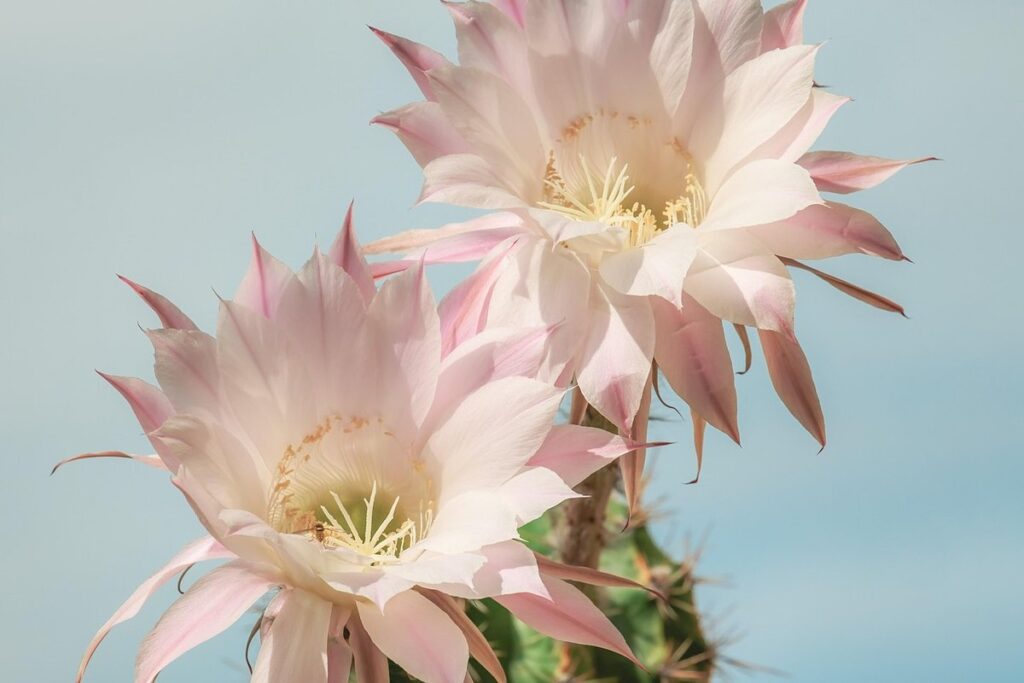
A flowering cactus is a type of cacti that produces beautiful flowers, often as a result of ideal growing conditions. These stunning plants are characterized by their ability to thrive in arid environments and produce vibrant blooms in shades of pink, red, yellow, and white. One of the unique features of flowering cacti is their ability to bloom at night and remain closed during the day, a phenomenon known as nocturnal blooming.
To distinguish them from other types of cacti, flowering cacti typically have shorter stems, are more compact in size, and have rounded or globular shapes. They often possess fewer spines than non-flowering cacti, making them a popular choice for gardeners and indoor plant enthusiasts. Some species of flowering cacti can grow relatively large, while others remain small and shrub-like.
When choosing a flowering cactus, consider factors such as light exposure, watering habits, and fertilization to encourage optimal blooming conditions. With proper care, these enchanting plants can thrive in your home or garden, bringing an extra touch of magic to the landscape.
Types of Flowering Cactus
Flowering cacti come in an array of varieties, each with its unique characteristics and blooming patterns. Perhaps one of the most recognizable types is the Christmas cactus (Schlumbergera bridgesii), a popular choice for indoor gardens during the holiday season. These plants typically bloom around December, producing vibrant red, pink, or white flowers.
Another variety, the Easter cactus (Hatiora gaertneri), produces even more colorful blooms in shades of pink, red, and purple, often with yellow or orange tips. Their blooming period usually coincides with springtime, making them an excellent choice for Easter decorations. Thanksgiving cacti (Schlumbergera truncata) are similar to Christmas cacti but tend to bloom a bit earlier.
These three types of flowering cacti have distinct differences in their care requirements and growth habits, but they all share the unique trait of producing showy flowers on mature plants. To encourage blooming, make sure to provide your plant with bright indirect light, maintain consistent temperatures between 50-70°F (10-21°C), and water it sparingly during the winter months.
When selecting a flowering cactus, consider the specific needs and blooming times of each variety to ensure you choose one that will thrive in your indoor environment.
Care and Maintenance for a Healthy Flowering Cactus
Caring for flowering cacti requires attention to their unique needs. To keep them healthy and thriving, start by watering them sparingly. Allow the soil to dry out completely between waterings, as overwatering is a common mistake that can lead to root rot. During their active growing season (spring-fall), water your flowering cactus once a week; in winter months, reduce watering to once every 4-6 weeks.
When it comes to lighting, most flowering cacti prefer bright, indirect light. Placing them near an east or west-facing window is ideal, as direct sunlight can cause the flowers to fade quickly. If you’re keeping your cactus indoors, consider using grow lights to supplement natural light.
Fertilization is also crucial for optimal growth and blooming. Feed your flowering cactus with a balanced, water-soluble fertilizer (20-20-20) during their growing season. Dilute the fertilizer to half the recommended strength to prevent burning the roots. For best results, fertilize once a month during spring-fall.
To ensure your flowering cactus stays healthy, check for pests like mealybugs and spider mites regularly. Prune any dead or damaged segments to maintain the plant’s appearance and promote new growth.
Choosing the Right Flowering Cactus for Your Space
When selecting a flowering cactus, consider factors such as the size of your space, lighting conditions, and desired bloom patterns to ensure you choose one that thrives. This will also impact its appearance.
Factors to Consider When Selecting a Flowering Cactus
When selecting a flowering cactus for your space, there are several key factors to consider. First and foremost, think about the size of the plant you have available space for. Flowering cacti can range from small, compact plants to large, sprawling ones that need plenty of room to grow. Consider the mature size of the plant and ensure it will fit comfortably in its designated spot.
Another crucial factor is growth habits. Some flowering cacti are slow-growing and prefer to spread outwards, while others are more upright and can be pruned to maintain a desired shape. If you’re short on space or want a low-maintenance option, look for plants with compact growth habits.
Bloom frequency is also an essential consideration. Some flowering cacti produce vibrant blooms only once a year, while others flower profusely throughout the growing season. Consider how often you’d like to see flowers and choose a plant that meets your needs. Finally, research the specific lighting and watering requirements for your chosen species to ensure it will thrive in its new environment.
Popular Varieties of Flowering Cactus for Small Spaces
If you’re short on space but still want to bring some vibrancy and life to your indoor or outdoor setting, don’t worry – there are many beautiful flowering cacti varieties that thrive in small spaces. For instance, the ‘Mammillaria’ species is perfect for compact containers, as it grows up to only 6 inches tall. This variety blooms with delicate white flowers from March to May, and requires minimal maintenance.
Another great option for tiny gardens or balconies is the ‘Echinocereus triglochidiatus’. Reaching a maximum height of 8-10 inches, this cactus produces stunning funnel-shaped flowers in shades of pink and red. It’s also relatively easy to care for, requiring infrequent watering and well-draining soil.
If you’re looking for something more exotic, consider the ‘Rebutia’ species, which boasts vibrant magenta or yellow blooms on slender stems that can grow up to 12 inches tall. This low-maintenance cactus is an excellent choice for small pots and requires minimal upkeep, making it perfect for beginners.
Remember, when selecting a flowering cactus for your small space, choose varieties with smaller root systems to prevent overcrowding and ensure healthy growth. By considering these factors, you can enjoy the beauty of flowering cacti in even the tiniest of spaces!
Tips for Selecting a Flowering Cactus with the Right Color Scheme
When selecting a flowering cactus, it’s essential to consider its color scheme and how it will complement your home’s decor. A well-chosen flowering cactus can add a pop of color and vibrancy to your space, but an ill-matching one can be jarring.
To start, think about the colors that dominate your room. Do you have bold, bright hues or soft pastels? Consider how the flowers on the cactus will interact with these colors. For example, if you have a lot of blue accents in your home, a flowering cactus with vibrant red blooms might be too jarring.
Some popular flowering cacti with unique color schemes include the ‘Senorita Avila’ (deep pink), ‘Hildwvckia’ (lavender), and ‘Easter Egg’ (bright yellow). When choosing, keep in mind that you can also complement your home’s colors with a monochromatic or analogous color scheme. For instance, pairing a blue cactus with blue-gray furniture or an orange one with burnt orange accents.
Ultimately, trust your instincts and choose the flowering cactus whose flowers you love the most.
Growing and Caring for Your Flowering Cactus Indoors
To keep your flowering cactus thriving indoors, it’s essential to provide the right balance of light, water, and nutrients. This section will walk you through the specifics of indoor care.
Lighting Requirements for Indoor Flowering Cacti
When it comes to growing flowering cacti indoors, providing the right amount of light is crucial for their health and blooming success. As a general rule, most flowering cacti require bright, indirect natural light to produce vibrant blooms. Placing them near an east- or west-facing window is ideal, as this allows them to receive gentle, consistent sunlight throughout the day.
However, some species like Christmas Cactus (Schlumbergera bridgesii) and Easter Cactus (Hatiora gaertneri) can thrive in low-light conditions, making them perfect for rooms with limited natural light. But even if your flowering cactus is adapted to low light, it will still benefit from some supplemental lighting during the winter months when daylight hours are shorter.
To provide the necessary boost, consider using LED grow lights specifically designed for cacti and succulents. These energy-efficient lamps emit a broad spectrum of light that mimics natural sunlight, promoting healthy growth and encouraging blooms. Aim to provide 12-14 hours of supplemental lighting per day, adjusting the intensity and duration based on your plant’s specific needs and response.
Watering and Humidity Needs for Indoor Flowering Cacti
When it comes to watering and humidity needs for indoor flowering cacti, many people make the mistake of thinking they require a lot of moisture. However, this couldn’t be further from the truth. Flowering cacti prefer well-draining soil and can quickly develop root rot if the soil is too wet.
To ensure your flowering cactus gets enough water, allow the soil to dry out completely between waterings. This means not watering until the top 1-2 inches of soil feel dry to the touch. As a general rule, you should only water your flowering cactus during the spring and summer months when it’s actively growing.
In terms of humidity, flowering cacti prefer a relatively low humidity level, between 40-50%. You can easily maintain this level by placing your cactus in a well-ventilated area or using a dehumidifier. Avoid misting your cactus regularly, as this can lead to overwatering and root rot.
Some species of flowering cacti, like the Christmas Cactus, require higher humidity levels to produce flowers. But for most varieties, low humidity is key to preventing disease and promoting healthy growth.
Pruning and Training Your Indoor Flowering Cactus
Pruning and training your indoor flowering cactus is crucial for promoting healthy growth and maximizing blooms. Regular pruning not only maintains the plant’s shape but also encourages new growth and increases flower production.
When pruning, use clean and sharp tools to prevent spreading diseases. Start by removing any dead or damaged segments, which can be easily identified by their yellow or brown color. Next, cut back overgrown stems to encourage branching and promote a fuller appearance. Cut just above a node (where the stem meets a segment), as this will help the plant produce new growth.
To train your flowering cactus, you can use stakes or trellises to support its heavy blooms and maintain an upright shape. You can also gently bend or twist the stems in different directions to encourage a more compact or trailing habit. This is especially useful for varieties that tend to become leggy with age.
By pruning and training regularly, you’ll be rewarded with an abundance of vibrant flowers and a lush, healthy appearance.
Propagation and Repotting of Flowering Cactus
Now that you’ve mastered the basics of caring for flowering cactus, it’s time to learn how to multiply your collection through propagation and repot your plants for optimal growth.
Methods for Propagating Flowering Cacti
Propagating flowering cacti can be a fun and rewarding experience. There are several methods to choose from, each with its own set of advantages and considerations. One popular method is taking stem cuttings. This involves cutting a segment of the stem from the mother plant, allowing it to dry for a few days to form a callus, and then planting it in well-draining soil.
When using stem cuttings, it’s essential to choose healthy segments with at least two nodes, as these will increase the chances of successful rooting. You can also take advantage of the cactus’s natural ability to produce offsets by removing them from the mother plant and potting them up. Leaf cuttings are another option, although they tend to be less reliable than stem cuttings.
When it comes to division, this is usually only necessary for mature plants that have outgrown their containers or need to be replanted in a larger size. This method involves gently separating the roots of the cactus and potting each section separately. It’s worth noting that not all flowering cacti can be propagated through division, so it’s essential to check on this before attempting.
Another effective way to propagate flowering cacti is by using leaf cuttings or segments. While this method may have a lower success rate than stem cuttings, it still provides an opportunity for new plants to grow and flourish in ideal conditions with the right care and attention.
Tips for Repotting Your Flowering Cactus
When it’s time to repot your flowering cactus, you’ll want to ensure that you’re giving it the right nutrients and support for continued healthy growth. The first thing to consider is the size of the pot. Flowering cacti prefer to be slightly root-bound, so if your plant has outgrown its current container, choose one that’s only 1-2 sizes larger.
Gently remove the plant from its old pot, taking care not to damage any of the delicate roots. Inspect the roots and trim away any that are circling or growing outside of the soil. This will help prevent waterlogged soil and encourage healthy root growth.
Next, add a layer of fresh cactus potting mix to the new pot, followed by your plant. Water sparingly after repotting, as this can cause more stress on the roots than they need. Finally, be sure to fertilize your flowering cactus with a balanced, water-soluble fertilizer to give it an extra boost.
By following these simple steps, you’ll be able to provide your flowering cactus with everything it needs to thrive in its new pot and continue producing those beautiful blooms.
Common Problems and Solutions for Flowering Cacti
You’ve likely encountered some challenges while growing your flowering cactus, so let’s dive into common issues and practical solutions to help you overcome them.
Identifying Common Issues with Flowering Cacti
Flowering cacti are indeed magical plants, but like any other living being, they’re not immune to problems. As a flowering cactus owner, it’s essential to identify common issues that can affect their health and beauty.
Pests are one of the most significant threats to flowering cacti. Mealybugs, spider mites, and scale insects love to feed on their sap, causing damage to the plant’s appearance and overall well-being. To prevent infestations, inspect your plants regularly for signs of pests. Isolate new additions to your collection, and use neem oil or insecticidal soap as a preventative measure.
Diseases such as root rot and fungal infections can also wreak havoc on flowering cacti. Overwatering is often the culprit behind these issues, so it’s crucial to monitor your plant’s watering schedule carefully. Ensure good air circulation around your plants, and avoid getting water on their stems or leaves to prevent moisture buildup.
Nutrient deficiencies can also affect flowering cactus growth. A lack of essential nutrients like nitrogen, iron, or magnesium can cause discoloration, stunted growth, or even no flowers at all! Use a balanced, water-soluble fertilizer during the growing season to provide your plant with everything it needs to thrive.
Troubleshooting Tips for Common Issues with Flowering Cactus
Pest infestations can be devastating for flowering cacti, causing damage to their delicate blooms and even killing them. Check your plants regularly for signs of pests such as mealybugs, scale insects, or spider mites. If you notice any, isolate the affected plant immediately and treat it with insecticidal soap or neem oil.
Another common issue is nutrient deficiencies, which can prevent flowering cacti from producing blooms. To diagnose a deficiency, look for yellowing leaves, stunted growth, or weak stems. You can correct nutrient deficiencies by repotting your cactus in well-draining soil and using a balanced fertilizer during the growing season.
For example, if you notice that your flowering cactus is not getting enough calcium, you can treat it with crushed eggshells or dolomitic limestone to provide essential nutrients. By monitoring your plants regularly and taking prompt action when issues arise, you can prevent pest infestations and nutrient deficiencies from causing harm.
In addition, regular watering habits can also help prevent pest infestations and nutrient deficiencies. Make sure to water your flowering cacti sparingly, allowing the soil to dry out between waterings. This will help prevent root rot and other issues that can lead to pest problems or nutrient deficiencies.
Conclusion: Enjoying Your Beautiful Flowering Cactus
Now that you’ve learned how to care for your flowering cactus, let’s talk about enjoying its beauty and making it a cherished part of your home.
Tips for Encouraging Repeat Blooms on Your Flowering Cactus
To ensure that your flowering cactus continues to bloom throughout the year, it’s essential to create an environment that encourages repeat blooms. One of the most critical factors is providing the right amount and type of fertilization. A balanced, water-soluble fertilizer applied during the growing season can promote healthy growth and encourage blooming.
Another key aspect is allowing your flowering cactus to experience a period of cooler temperatures after blooming. This dormant period typically lasts from fall to early spring and allows the plant to focus its energy on producing new buds for future blooms. Pruning any dead or damaged segments also helps maintain the plant’s health and encourages it to produce more flowers.
In addition, providing your flowering cactus with bright, indirect light can stimulate blooming. East- or west-facing windows are ideal locations for these plants. Regular repotting every two to three years can also help refresh the soil and provide a boost of nutrients that promote healthy growth and blooming.
Final Care and Maintenance Reminders for Your Flowering Cactus
As you’ve fallen in love with your flowering cactus’s vibrant blooms, it’s essential to remember that proper care and maintenance are crucial for its continued health. To keep your plant thriving, ensure it receives the right amount of sunlight – a bright, south-facing window is ideal. Watering remains a delicate balance; allow the soil to dry completely between waterings, but don’t let it sit in wet conditions.
Fertilization is also vital during the growing season (spring and summer). Use a balanced, water-soluble fertilizer at half the recommended strength to avoid burning your plant’s roots. When repotting, choose a well-draining potting mix specifically designed for cacti and succulents.
Pruning is another key aspect of care; remove any dead or damaged segments immediately to prevent the spread of disease. Finally, monitor temperature fluctuations – most flowering cacti prefer daytime temperatures between 65-75°F (18-24°C) and no lower than 50°F (10°C) at night.
By following these simple reminders, you’ll be well on your way to maintaining a healthy, blooming flowering cactus that brings joy to your space for years to come.
Frequently Asked Questions
Can I grow a flowering cactus outdoors year-round?
Conversely, most flowering cacti thrive indoors where temperatures can be controlled, but if you live in a mild climate with minimal frost, yes, you can grow them outdoors. However, ensure your outdoor space provides the right amount of sunlight and protection from extreme weather conditions.
What are some common mistakes to avoid when caring for a flowering cactus?
One common mistake is overwatering, which can lead to root rot and kill the plant. Another mistake is not providing enough light, which can result in weak or no blooms. Regularly check your plant’s moisture levels and ensure it receives sufficient indirect sunlight.
Can I propagate my flowering cactus using stem cuttings?
Yes, you can propagate your flowering cactus using stem cuttings, but be sure to use healthy segments with at least two nodes. Remove the lower leaves, allow the cutting to dry for a few days, and plant it in well-draining soil. Keep the soil consistently moist until roots develop.
How often should I repot my flowering cactus?
Flowering cacti typically need to be repotted every 2-3 years as their roots outgrow the pot. Choose a slightly larger pot with good drainage holes, and gently remove the plant from its original container. Trim any circling roots before replanting in fresh cactus mix.
Will my flowering cactus bloom again after it finishes blooming?
Yes, many flowering cacti species can produce repeat blooms, but this depends on factors like light exposure, temperature, and watering habits. To encourage repeat blooms, provide your plant with the right conditions, including sufficient indirect sunlight and moderate watering. Fertilize sparingly during the growing season to promote healthy growth and blooming.