
Are you familiar with the mesmerizing Mother of Thousands plant? With its striking, almost surreal appearance, this unique succulent has been capturing the hearts of many indoor plant enthusiasts. But beyond its visual appeal, the Mother of Thousands offers a wealth of benefits for any space, from purifying the air to providing a low-maintenance solution for busy owners. However, growing and caring for this unusual plant can be quite challenging, especially when it comes to propagation and troubleshooting common issues.
In this comprehensive guide, we’ll take you through everything you need to know about cultivating the Mother of Thousands, including expert care tips, effective propagation methods, and solutions for common problems. Whether you’re a seasoned gardener or just starting your plant parenting journey, our article will equip you with all the knowledge required to thrive with this incredible plant. By the end of it, you’ll be well on your way to becoming a Mother of Thousands expert!
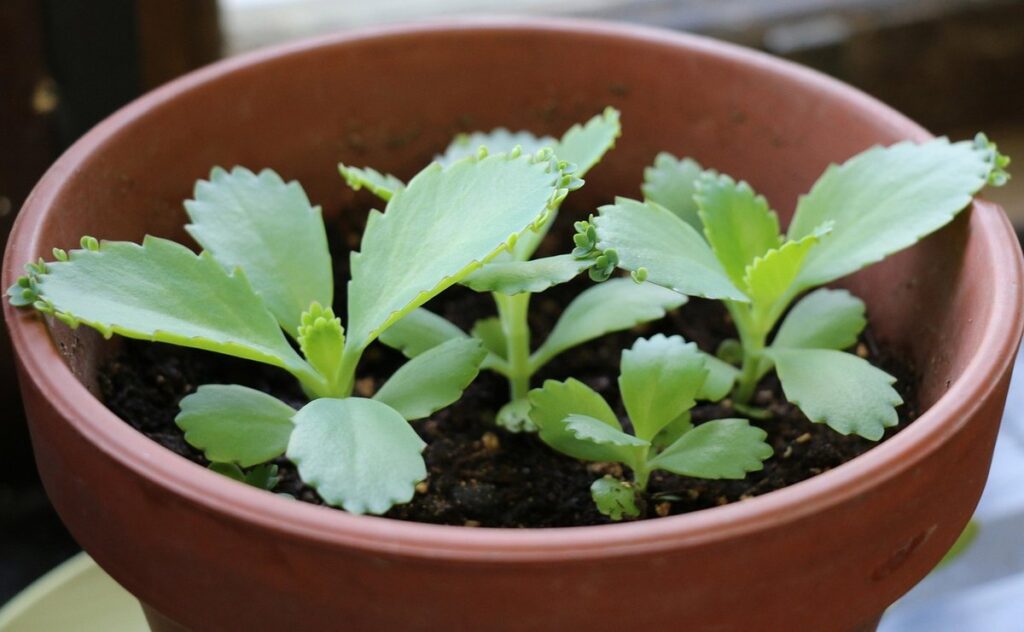
What is a Mother of Thousands Plant?
Let’s dive into what makes a Mother of Thousands Plant so unique and how it got its fascinating name, which you might find quite surprising.
Introduction to the Plant
The mother of thousands plant (Kalanchoe daigremontiana) is a unique and fascinating addition to any indoor space. Native to Madagascar, this succulent has gained popularity among plant enthusiasts due to its striking appearance and relatively low maintenance requirements.
One of the most distinctive features of the mother of thousands plant is its ability to produce small, round leaves that are covered in tiny plantlets, often referred to as “babies.” These plantlets can grow quite densely on the edges of mature leaves, giving the plant a sprawling, almost cartoon-like appearance. With proper care, these babies can detach and root themselves on their own, allowing the plant to propagate easily.
The mother of thousands plant is also known for its relatively small size, typically reaching heights of around 12-18 inches (30-45 cm). Its small stature makes it an ideal choice for indoor spaces with limited room to spare. With proper care, this plant can thrive in a variety of lighting conditions, from bright indirect light to partial shade.
Identification and Classification
The mother of thousands plant (Kalanchoe daigremontiana) is easily recognizable due to its unique appearance. Its botanical name is Kalanchoe daigremontiana, and it belongs to the Crassulaceae family. One of the most distinctive features of this plant is its ability to produce small, round stems that resemble little leaves, which grow in clusters on long stalks.
These small stems are actually modified leaves called phylloclades, a characteristic shared by other plants in the Kalanchoe genus. When these stems are mature and produce tiny white flowers, they give off a sweet fragrance that’s often noticed by those nearby.
New growths can sometimes appear at the base of older plant sections, forming new “mothers” and creating a carpet-like effect on surfaces. This process is an adaptation for survival in dry environments.
If you’re planning to grow your own mother of thousands plant, look out for these unique features when purchasing or cultivating this fascinating species. It’s essential to understand its specific needs and behaviors to provide the right conditions for it to thrive.
Brief History and Origin
The mother of thousands plant is native to Madagascar, an island country located off the coast of East Africa. It’s believed that this unique plant species was first discovered by European botanists and collectors during the 18th century, when the exploration of new lands and discovery of exotic plants were at their peak.
One of the earliest recorded sightings of the mother of thousands plant is attributed to a French naturalist named Philibert Commerson. In the early 1700s, Commerson was part of an expedition to Madagascar, where he encountered this unusual plant with its distinctive features. It’s likely that Commerson and other botanists were drawn to the plant’s striking appearance, with its stems covered in thousands of tiny plantlets.
As trade and exploration routes expanded during the 18th century, the mother of thousands plant was introduced to botanical gardens and greenhouses in Europe and North America. Today, this unique plant is prized by collectors for its unusual beauty and ability to thrive in a variety of environments.
Care and Maintenance of Mother of Thousands Plant
To keep your Mother of Thousands plant thriving, proper care and maintenance are crucial. In this section, we’ll walk you through essential tips for its upkeep.
Lighting Requirements
When it comes to lighting requirements for your mother of thousands plant, finding the right balance is crucial. These plants thrive in bright, indirect light but can tolerate low light conditions as well.
Direct sunlight can be detrimental if not provided carefully. Exposure to direct sunlight for extended periods can cause leaves to become scorched and develop brown edges. A south-facing window with a sheer curtain can provide a suitable level of filtered sunlight that your mother of thousands plant will appreciate. Aim for 4-6 hours of indirect sunlight per day, as this will encourage healthy growth.
On the other hand, placing your mother of thousands in a spot with minimal light can lead to weak and leggy stems. While it’s possible to grow these plants in low-light conditions, they won’t produce as many babies or exhibit vibrant colors. East- or west-facing windows receive gentle, indirect sunlight that works perfectly for this plant.
Keep in mind that mother of thousands plants grown indoors may require supplemental lighting during the winter months when natural light is scarce.
Watering and Humidity Needs
When it comes to watering and maintaining optimal humidity levels for your Mother of Thousands Plant (Bunny Ear Cactus), it’s essential to strike a balance. Overwatering can lead to root rot and other issues, while underwatering will cause the plant to wilt and lose its vibrant color.
Check the soil moisture by sticking your finger into the soil up to the first knuckle. If it feels dry, it’s time to water. Water thoroughly until you see water draining out of the pot’s bottom holes. However, be cautious not to let the pot sit in waterlogged conditions, as this can lead to root rot.
Maintaining humidity levels is also crucial for your Mother of Thousands Plant’s health. To achieve optimal humidity (around 50-60%), you can place the plant on a tray filled with water and pebbles or use a humidifier nearby. This will create a microclimate that encourages healthy growth and prevent the leaves from shriveling up.
Remember, it’s not necessary to keep your Mother of Thousands Plant in extremely high humidity all the time. Watering and maintaining optimal moisture levels is key to its survival. Monitor your plant regularly, adjusting your watering schedule as needed to ensure its well-being.
Temperature and Soil Preferences
When it comes to creating an ideal environment for your Mother of Thousands plant, understanding its temperature and soil preferences is crucial. This fascinating succulent thrives in conditions that mimic its natural habitat in Madagascar.
Ideally, the Mother of Thousands plant prefers a warm environment with temperatures ranging from 65°F (18°C) to 75°F (24°C) during the day. Avoid placing it near drafty windows or air conditioning vents, as sudden temperature drops can cause stress and lead to leaf drop. On the other hand, temperatures above 85°F (29°C) may cause the plant to become dormant.
In terms of soil type, the Mother of Thousands plant prefers well-draining potting mix that allows excess water to escape quickly. A mix specifically designed for cacti and succulents will work wonders. To create your own mix, combine perlite, sand, or pumice with a standard potting soil. This blend will prevent waterlogged soil conditions that can lead to root rot.
Water sparingly when using this mix, allowing the top 1-2 inches of soil to dry out between waterings.
Propagation Methods for Mother of Thousands Plant
To successfully grow and multiply your Mother of Thousands plant, you’ll need to know its unique propagation methods. Let’s dive into how to reproduce this fascinating succulent.
Leaf Cuttings
To propagate the Mother of Thousands plant using leaf cuttings is an excellent way to share this unique and fascinating plant with friends and family. To begin, select healthy leaves from the mother plant that are at least 2-3 inches long. Cut these leaves from the stem just above a node, making sure each cutting has at least one set of leaves.
Next, prepare your planting medium by filling a pot or tray with well-draining soil mix. Gently place the cut end of the leaf into the soil, making sure the node (where the leaf meets the stem) is buried and the rest of the leaf remains above ground. Water the soil gently but thoroughly to settle it around the cutting.
Aftercare is crucial in this process. Keep the soil consistently moist but not waterlogged, as this can lead to root rot. Provide bright, indirect light for the cuttings until they develop their own roots and new growth. Within 2-6 weeks, you should see new shoots emerging from the base of the cutting, signaling successful propagation.
Division and Separation
As your Mother of Thousands plant matures and grows, you may notice that it becomes congested with too many stems competing for resources. This can lead to weakened growth and a decrease in the plant’s overall health. To promote healthy growth and prevent overgrowth, it’s essential to divide and separate established plants.
When dividing your Mother of Thousands plant, start by gently removing the plant from its pot. Gently tease apart the roots using a fork or your fingers, taking care not to damage any of the delicate root hairs. Use a sharp, sterile knife or pruning tool to cut through the thick stems at the base of the plant, separating the main stem from the offsetting growths.
You can then re-pot each division in fresh, well-draining potting mix and water thoroughly. This process not only helps to control the spread of the plant but also encourages new growth and root development. Be sure to repot your divisions before they become too large, as this will help prevent overcrowding and promote healthy growth.
Other Propagation Methods
While leaf propagation is an effective method for multiplying mother of thousands plants, there are other alternative methods you can try. One option is stem cuttings, which involve taking a section of the plant’s stem and rooting it in water or soil. This method works best when taken from mature stems, as they have developed a stronger root system.
To take stem cuttings, choose a healthy stem with at least two nodes (the joint where a leaf meets the stem). Cut the stem just below a node using a clean pair of scissors or pruning shears. Remove lower leaves, leaving only the top two sets of leaves on the cutting. Place the cutting in water or a propagation tray filled with moistened potting mix.
Another method is tissue culture, which involves creating new plants from small pieces of leaf or stem tissue. This method requires specialized equipment and expertise, but can produce high-quality, genetically identical plants for commercial growers.
Keep in mind that both methods require careful handling to prevent contamination and ensure successful rooting. With the right technique and a little patience, you can successfully propagate your mother of thousands plant using stem cuttings or tissue culture.
Common Problems and Pests Affecting Mother of Thousands Plant
Just as any plant requires attention, the mother of thousands is not immune to issues that can arise. Let’s discuss some common problems and pests you might encounter when caring for this unique succulent.
Root Rot and Overwatering
One of the most common problems facing mother of thousands plant owners is root rot and overwatering. If you’re new to this fascinating succulent, it’s essential to understand the warning signs and take corrective action before it’s too late. Overwatering can be a silent killer, causing more harm than under-watering.
Root rot occurs when excess water accumulates in the plant’s pot, creating an environment for fungal growth. You might notice yellowing leaves, soft stems, or a foul smell emanating from the soil. To prevent this, ensure your mother of thousands is planted in well-draining potting mix and avoid getting water on the plant’s leaves to prevent fungal spores from spreading.
If you suspect root rot, repot your plant immediately in fresh, dry potting mix. Remove any affected roots gently with a sterile tool, taking care not to damage the remaining healthy tissue. Allow the soil to dry completely between waterings to give the roots room to breathe. Monitor your plant’s condition closely and adjust your watering schedule accordingly.
Keep an eye out for these common warning signs: droopy leaves, soft or mushy stems, and a change in leaf color. With proper care and attention, you can prevent root rot and overwatering issues from plaguing your mother of thousands plant.
Pests and Infestations
One of the most frustrating issues you may encounter when caring for your Mother of Thousands plant is pests and infestations. Mealybugs, spider mites, and scale insects are common culprits that can wreak havoc on your plant’s health.
Mealybugs are small, white, cottony patches that can be found on the leaves and stems of your plant. They feed on sap, causing curled or distorted leaves and stunted growth. To get rid of mealybugs, isolate your plant to prevent further infestation and treat with insecticidal soap or neem oil.
Spider mites are tiny, spider-like insects that spin fine webs on the leaves of your plant. They cause yellowing or bronzing of leaves and can be difficult to spot without a magnifying glass. To combat spider mites, increase humidity around your plant, and treat with insecticidal soap or pyrethrin.
Scale insects are armored pests that feed on sap, causing stunted growth and distorted leaves. They can be found on the stems and leaves of your plant, often in clusters. To get rid of scale insects, use a cotton swab to gently scrape them off, then treat with insecticidal soap or neem oil.
Prevention is key when it comes to keeping pests at bay. Regularly inspect your plant for signs of infestation, and maintain good air circulation around your Mother of Thousands plant.
Diseases and Fungal Infections
One of the most common issues affecting mother of thousands plants is root rot, which occurs when the roots sit in waterlogged soil for too long. This can be caused by overwatering, and it’s essential to ensure good drainage to prevent this issue. To treat root rot, carefully remove the plant from its pot, gently wash away any remaining soil, and trim off affected areas with sterile scissors.
Leaf spot is another problem that may arise due to fungal infections. This manifests as small, circular lesions on the leaves, often accompanied by a yellowing or browning of the surrounding area. Regularly inspect your plants for these signs, and treat them promptly with a fungicide if necessary. Powdery mildew can also affect mother of thousands, causing a white, powdery coating to form on the leaves.
To prevent fungal infections, maintain a clean environment, avoid overwatering, and provide good air circulation around your plants. Regularly inspect your plants for signs of disease and take action early to prevent the issue from spreading.
Mother of Thousands Plant Benefits and Uses
As you’re now familiar with this unique plant, let’s dive into its benefits and uses to discover how it can positively impact your life. You’ll learn how it can purify the air and boost your mood naturally.
Air Purification
One of the most significant benefits of having a mother of thousands plant in your indoor space is its air-purifying properties. These plants are incredibly efficient at removing pollutants and toxins from the air, making them an excellent addition to homes and offices with poor air quality.
In fact, studies have shown that plants like the mother of thousands can remove up to 87% of air pollutants within a 24-hour period. This is due in part to their ability to absorb carbon dioxide and release oxygen during photosynthesis, as well as their capacity to break down volatile organic compounds (VOCs) like benzene and formaldehyde.
To maximize the air-purifying benefits of your mother of thousands plant, it’s essential to choose a spot with bright, indirect light. Avoid placing the plant in areas with direct sunlight or extreme temperatures, as this can cause stress and reduce its effectiveness. By keeping your mother of thousands plant happy and healthy, you can breathe easier knowing that your indoor air is cleaner and fresher.
Ornamental Value
The Mother of Thousands plant is not only a unique conversation starter but also a stunning addition to any indoor space. Its ornamental value lies in its striking appearance, making it a popular choice for interior designers and plant enthusiasts alike. The plant’s vibrant green leaves are covered in thousands of small, round plantlets, giving it a mesmerizing texture that adds depth and visual interest to any room.
When used as a decorative element, the Mother of Thousands plant can be placed on shelves, hung from the ceiling, or even trained to cascade down walls. Its ability to thrive in low-light conditions makes it an ideal choice for rooms with limited natural light. To maximize its ornamental value, consider pairing it with other plants that complement its unique texture and color. For example, a sleek, modern vase or a woven basket can add a touch of sophistication to the plant’s rustic charm.
To showcase your Mother of Thousands plant as a decorative element, remember to prune it regularly to encourage healthy growth and prevent overgrowth. This will help maintain its shape and keep the plantlets from getting too leggy. By following these simple tips, you can enjoy the Mother of Thousands plant’s ornamental value for years to come.
Medicinal Properties
The mother of thousands plant has been used for centuries in traditional medicine to treat various skin conditions and wounds. One of its most notable medicinal properties is its ability to aid in the healing process of cuts and scrapes. The sap of the plant contains a compound called calcium oxalate, which acts as an antiseptic, reducing inflammation and promoting tissue repair.
In addition to wound care, the mother of thousands plant has been used to treat skin conditions such as eczema and acne. Its anti-inflammatory properties help to reduce redness and itching associated with these conditions. Furthermore, the plant’s antibacterial properties make it effective against minor cuts and scrapes that are prone to infection.
To use the mother of thousands plant for medicinal purposes, simply crush a few leaves and apply them directly to the affected area. Leave the paste on for 30 minutes before rinsing with warm water. For more severe skin conditions or wounds, consult a healthcare professional before using the plant as treatment.
Frequently Asked Questions
How do I prevent root rot when watering my Mother of Thousands plant?
Root rot is a common issue for many succulent owners, especially those new to indoor gardening. To prevent it, ensure you’re not overwatering your plant. Water sparingly, allowing the soil to dry between waterings. This will help prevent excess moisture from accumulating in the roots.
Can I propagate my Mother of Thousands plant using leaf cuttings in the winter?
While propagation methods can vary depending on the season, leaf cuttings are generally effective year-round. However, keep in mind that new plants grown during winter months may take longer to establish themselves and adapt to outdoor conditions.
What’s the ideal temperature for my Mother of Thousands plant, especially during extreme weather conditions?
Mother of thousands prefer daytime temperatures between 65-75°F (18-24°C) and nighttime temperatures around 55-60°F (13-16°C). Avoid placing your plant near heating or cooling vents, fireplaces, or drafty windows to prevent temperature fluctuations.
How often should I repot my Mother of Thousands plant, especially during periods of rapid growth?
Repotting is usually necessary every 2-3 years as the plant outgrows its container. However, for rapid growers like Mother of thousands, consider repotting more frequently (every 6-12 months) to provide enough room for new roots and prevent soil depletion.
Can I grow my Mother of Thousands plant in a shaded area or under artificial lighting?
While Mother of thousands can tolerate partial shade, they do require bright indirect light to photosynthesize properly. If you plan on using artificial lighting, opt for LED grow lights with a balanced spectrum (3500-5000K) and ensure they’re not too close to the plant to prevent burning the leaves.