
Composting is one of the most effective ways to reduce your environmental footprint, but it can be overwhelming if you’re new to it. Choosing the right compost bin and understanding what materials to add are crucial for creating nutrient-rich soil that’s perfect for gardening. But with so many options available, it’s easy to get stuck on what not to do. That’s why we’ve put together this comprehensive guide on compost bin dos and don’ts. In this article, we’ll walk you through the essential tips for choosing the right bin, adding materials like food waste and leaves, maintaining optimal moisture levels, and more. Whether you’re a seasoned gardener or just starting out, our expert advice will help you create a thriving compost that’s as easy to use as it is effective.
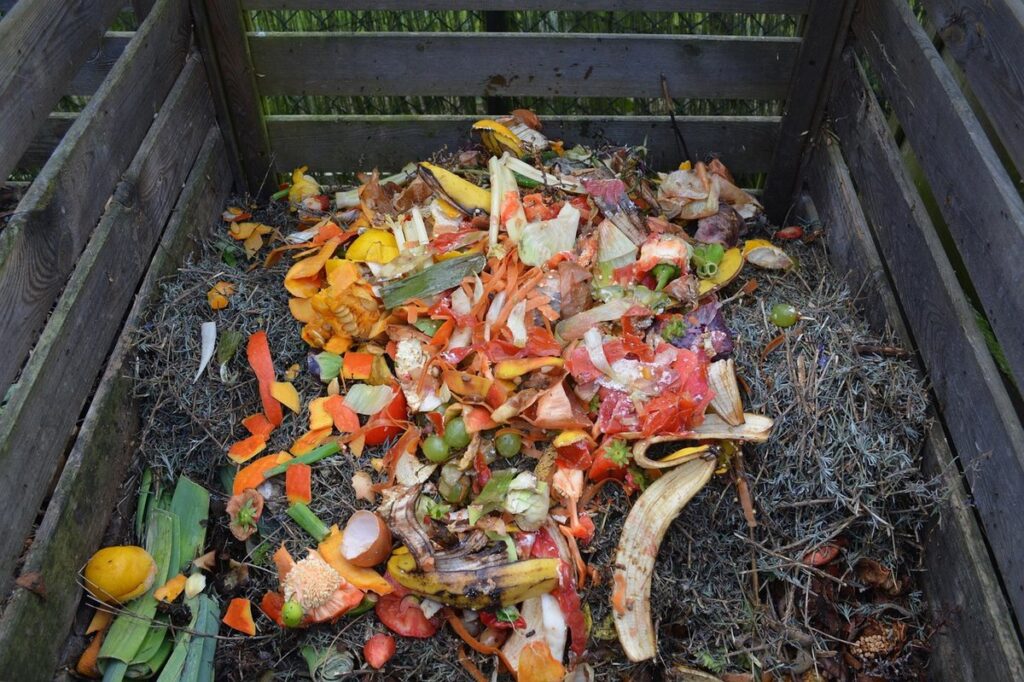
Choosing the Right Compost Bin
When selecting a compost bin, it’s essential to consider factors such as size, material, and accessibility to ensure it meets your specific needs and fits seamlessly into your outdoor space.
Benefits of a Compost Bin
Using a compost bin can significantly enhance your composting experience. Not only does it keep pests and rodents away from your organic matter, but it also minimizes odors that might be unpleasant for you and your neighbors.
By containing the decomposition process within a bin, you can control temperature fluctuations, which helps to eliminate any pungent smells that might otherwise emanate from your compost pile. Moreover, bins with lids often come equipped with features such as ventilation systems or specialized mesh panels, which further aid in odor management.
Efficient composting is another key advantage of using a bin. By breaking down organic matter into its constituent components more effectively, you’ll end up with high-quality compost that’s rich in nutrients and ideal for fertilizing your garden. This can be particularly beneficial if you’re cultivating a diverse range of plants or have a large area to cover.
In addition to these benefits, bins also serve as a tidy solution for managing kitchen scraps and yard waste, which can otherwise contribute to the aesthetic appeal (or lack thereof) of your garden.
Types of Compost Bins
When it comes to choosing the right compost bin, you’re spoiled for choice. There are various types of compost bins available on the market, each with its own set of pros and cons. Let’s take a look at some of the most popular options.
Tumblers are one of the easiest-to-use compost bins. They consist of a rotating drum that makes it simple to turn your compost without straining your back. This design also helps to aerate the pile, which speeds up the decomposition process. However, tumblers can be more expensive than other types of compost bins.
Worm composters are another type of bin that’s worth considering. These bins use red wiggler worms to break down food waste into a nutrient-rich fertilizer. Worm composters require less space and can produce compost faster than traditional composting methods. However, they do require regular maintenance to keep the worms healthy.
Wooden pallet bins are an eco-friendly option for composting. You can repurpose old wooden pallets to create a simple bin that allows air to circulate around the pile. This type of bin is budget-friendly and easy to build. However, it may not be as efficient at maintaining consistent temperatures as other types of bins.
Ultimately, the choice of compost bin will depend on your specific needs and preferences. Consider factors like space, budget, and maintenance requirements when selecting a bin that suits you best.
Do’s for Effective Composting
When it comes to successful composting, there are certain do’s that can make all the difference in breaking down food scraps and yard waste efficiently. Here are some key habits to adopt for effective composting results.
Adding the Right Materials
When it comes to creating a nutrient-rich compost, adding the right materials is crucial. The key is to strike a balance between “green” and “brown” materials. Green materials, such as kitchen scraps, grass clippings, and fresh leaves, are high in nitrogen and will help speed up the decomposition process.
Brown materials, like dried leaves, straw, or shredded newspaper, are high in carbon and will provide structure to your compost pile. Aim for a mix of 2/3 brown materials and 1/3 green materials to avoid attracting pests and creating anaerobic conditions that can lead to unpleasant odors.
For example, if you add a bucket of kitchen scraps to your compost bin, balance it out with an equal amount of dried leaves or shredded newspaper. Grass clippings are another great addition, but be sure to mix them in well to avoid matting and creating anaerobic pockets.
Remember, the key is to maintain a dynamic balance between green and brown materials throughout the composting process. With this simple approach, you’ll create a thriving ecosystem that will transform your kitchen scraps into a rich, earthy fertilizer for your garden.
Maintaining Proper Moisture Levels
Maintaining proper moisture levels is crucial for effective composting. Without sufficient moisture, decomposition slows down significantly, leading to unpleasant odors and a prolonged process. On the other hand, excessive moisture can create anaerobic conditions, fostering pathogens and pests.
To monitor moisture levels accurately, stick your hand into the compost pile about 2-3 inches deep. If it feels dry, add water; if it’s soggy, wait for a few days to let excess liquid evaporate. A simple rule of thumb is to maintain the compost pile at a consistency similar to that of a damp sponge.
Keep in mind that different materials have varying moisture requirements. For example, shredded leaves and grass clippings can be quite wet, while dry branches and twigs need more water to break down. Aim for a mix with about 50-60% moisture content throughout the composting process. By striking this balance, you’ll create an optimal environment for decomposition to occur efficiently and effectively.
Don’ts for Effective Composting
When it comes to effective composting, there are some essential rules to break – literally. Let’s explore what not to include in your compost bin to avoid contamination and failed piles.
Avoiding Contaminated Materials
When it comes to composting, what you don’t add is just as important as what you do. Introducing contaminated materials into your compost bin can ruin the entire process and even pose health risks. Meat, dairy products, and pet waste are common culprits of contamination.
Meat and dairy products, in particular, attract pests like rodents and flies, which can spread disease and create an unpleasant odor. They also break down slowly, releasing ammonia and creating an acidic environment that’s hostile to beneficial microbes. Pet waste is another no-no, as it can harbor pathogens like E. coli and Salmonella.
To avoid contamination, always err on the side of caution when adding materials to your compost bin. If in doubt, it’s better to leave it out. Don’t risk spoiling an entire batch of compost over a few contaminated items. For example, if you accidentally add some meat scraps or dairy leftovers, don’t try to salvage them by mixing them with other materials. Instead, remove the offending item and start fresh.
Keep in mind that even small amounts of contaminants can cause significant problems down the line. It’s always better to be safe than sorry when it comes to composting. By avoiding contaminated materials from the get-go, you’ll set yourself up for success and create a rich, nutrient-dense compost that will elevate your garden or indoor plants.
Preventing Odors and Pests
Preventing odors and pests is crucial for maintaining a healthy composting process. One of the most effective ways to prevent these issues is through regular turning of the compost pile. Turning the compost every 7-10 days ensures that all materials are well mixed, allowing for even decomposition. This not only prevents unpleasant odors but also keeps pests at bay.
Another key factor in preventing odors and pests is maintaining a proper carbon-to-nitrogen ratio (C/N ratio). Aiming for a mix of 2/3 “brown” materials (dry leaves, shredded newspaper) to 1/3 “green” materials (food scraps, grass clippings) ensures that the composting process doesn’t get out of balance. This balance is critical as it prevents anaerobic conditions from developing, which can lead to foul odors and attract pests.
To further minimize the risk of odors and pests, consider adding a 1-inch layer of finished compost at the bottom of the pile before adding new materials. This helps maintain a stable environment and discourages pest infestation. Regular monitoring of your compost bin is also essential – be sure to check for signs of pests or unpleasant odors and take action promptly if you notice any issues.
Tips for Managing Common Issues
As you start composting, you’ll inevitably encounter some common issues that can throw a wrench in your process. Let’s address these challenges and provide tips on how to manage them effectively.
Handling Excessive Odor Emissions
Excessive odor emissions from a compost bin can be overwhelming and even repulsive. To manage this issue, it’s essential to understand that odors are often caused by an imbalance of carbon-rich materials (like dry leaves) and nitrogen-rich materials (such as food scraps or grass clippings). Adding more carbon-rich materials like shredded newspaper, coconut coir, or sawdust can help balance the pile and reduce odor.
Another solution is to adjust the pile’s structure. If it’s too dense, aeration can be challenging, leading to odors. To address this, turn the compost pile regularly to introduce oxygen, promote decomposition, and speed up the process. You can also create ‘hot spots’ by adding more nitrogen-rich materials, which will help break down the carbon-rich materials.
In addition to these adjustments, ensure that your compost bin has adequate drainage holes to prevent moisture buildup, a common contributor to odors. By implementing these strategies, you’ll be able to manage excessive odor emissions from your compost bin and enjoy the benefits of effective composting.
Addressing Compost Pile Fires
Recognizing the signs of a compost pile fire can be challenging, but it’s essential to address this issue promptly. A hot and dry compost pile is prone to fires, which can burn for weeks and release toxic fumes into the air. To prevent such occurrences, maintain optimal moisture levels in your compost bin. The ideal balance should be between 50-60% moisture content.
Keep an eye on temperature readings too – a compost pile with temperatures above 160°F (71°C) is at risk of combustion. Regularly monitor both moisture and temperature to avoid these risks. A good rule of thumb is to check your compost pile daily, especially during dry spells or when adding high amounts of carbon-rich materials.
If you notice smoke or flames in the bin, act swiftly – douse the fire with water, then remove any charred material. Once the fire has been extinguished, re-start the composting process by reintroducing oxygen and maintaining the proper balance of ‘green’ (nitrogen-rich) and ‘brown’ (carbon-rich) materials.
Ensuring Quality Compost Output
To ensure you’re producing high-quality compost, it’s crucial to monitor moisture levels, carbon-to-nitrogen ratios, and pest control measures regularly. Let’s take a closer look at these essential considerations.
Monitoring Temperature and Texture
Monitoring temperature and texture is crucial for achieving optimal decomposition conditions in your compost bin. When these parameters are within the right range, you can be sure that your compost is breaking down efficiently.
A well-constructed compost pile should maintain temperatures between 130°F (54°C) to 140°F (60°C). If it’s too low, around 100°F (38°C), decomposition slows down significantly. Conversely, if it gets too high – above 160°F (71°C) – the heat can kill off beneficial microbes and create odors.
To check for optimal temperature, insert a compost thermometer into your pile or use an infrared thermometer to scan from outside. As for texture, you want to aim for a mix of dry and wet materials, neither too soggy nor too dry. Aim for a texture similar to damp soil – not dripping with water but not crumbly either.
Maintaining this balance will ensure that your compost decomposes efficiently, resulting in nutrient-rich humus without unpleasant odors or pests.
Achieving Optimal Carbon-to-Nitrogen Ratios
Achieving optimal carbon-to-nitrogen (C:N) ratios is crucial for efficient composting. Think of it like a recipe: you need the right balance of ingredients to produce a delicious dish. In this case, that “dish” is rich, nutrient-dense compost.
The ideal C:N ratio varies between 20:1 and 30:1, with carbon-rich materials making up the bulk of the mix. Leaves, hay, or shredded newspaper are all good examples of carbon-rich ingredients. On the other hand, nitrogen-rich materials like kitchen scraps (fruits and vegetables), grass clippings, or manure provide the essential nutrients for microbial growth.
To balance your compost bin effectively:
* Aim to add 2/3 to 3/4 carbon-rich materials and 1/3 to 1/4 nitrogen-rich materials.
* Add a mix of green (nitrogen-rich) and brown (carbon-rich) materials regularly, such as adding kitchen scraps to shredded newspaper or leaves.
* Maintain a consistent moisture level: too dry and the compost won’t break down efficiently, too wet and it’ll become anaerobic.
By following these guidelines, you’ll be well on your way to creating nutrient-rich compost that will transform your garden.
Conclusion and Maintenance Tips
Now that you’ve mastered the ins and outs of composting, let’s review what it takes to keep your system thriving long-term. We’ll cover essential maintenance tips to ensure optimal results.
Recap of Key Takeaways
In reviewing the key points from our discussion on compost bin do’s and don’ts, it’s clear that effective composting requires attention to detail and a willingness to adapt. First and foremost, always choose the right location for your compost bin – ideally in a spot with good airflow and proximity to water. Next, balance green materials like food scraps and grass clippings with brown materials such as dried leaves or shredded newspaper.
It’s also crucial to maintain a proper carbon-to-nitrogen ratio, ensuring that “green” ingredients (high in nitrogen) are balanced by “brown” ones (rich in carbon). Regular mixing of the compost pile is essential for optimal decomposition. And remember – what not to do is just as important: never add meat, dairy, or oily foods, which attract pests and contaminate the compost.
To keep your composting efforts on track, be sure to monitor moisture levels, adding more brown materials if necessary to maintain a balance. By following these guidelines and staying attentive to your bin’s needs, you’ll be well on your way to creating rich, nutrient-dense soil for your garden.
Ongoing Compost Bin Maintenance
Maintaining a healthy compost bin is crucial for effective decomposition and preventing pests. To keep your compost bin thriving, it’s essential to establish a regular maintenance routine. Start by turning the pile every 7-10 days to aerate it and speed up the decomposition process. Use a pitchfork or shovel to turn the materials, making sure to mix the brown (dried leaves, straw) and green (food scraps, grass clippings) layers.
Monitor moisture levels closely, as an over-saturated pile can attract pests and create unpleasant odors. Aim for a consistency similar to a damp sponge. If your pile is too dry, add water in small increments; if it’s too wet, add more brown materials like dried leaves or shredded newspaper.
Regularly inspect your compost bin for any imbalances. If you notice an overabundance of green materials, add more brown materials to balance the mix. Similarly, if you’re noticing a lack of moisture, increase the water content. By monitoring and adjusting your compost pile regularly, you’ll be well on your way to creating nutrient-rich soil for your garden. Remember to keep your compost bin covered to retain heat and prevent pests from getting in.
Frequently Asked Questions
What happens if I notice a strong odor from my compost bin despite following the moisture guidelines?
Yes, it’s normal to experience occasional odors, but if they persist, check for too much green material or meat/fish scraps being added. Ensure you’re balancing your carbon-to-nitrogen ratio and have adequate ventilation in your bin. Consider adding more brown materials like dried leaves or shredded newspaper.
Can I use my compost bin indoors, especially during winter months when outdoor space is limited?
Yes, with proper ventilation and a lid to contain odors, you can use a small compost bin indoors. However, be mindful of potential pests like fruit flies or rodents. Regularly turn your compost pile, and consider adding a carbon-rich material like coconut coir to absorb moisture.
How often should I expect to add new materials to my compost bin for optimal results?
Add new materials regularly, ideally every 1-2 days, to maintain the carbon-to-nitrogen balance. Aim for a mix of 2/3 “brown” materials (dried leaves, shredded newspaper) and 1/3 “green” materials (food scraps, grass clippings). This will help you achieve optimal decomposition rates.
What’s the best way to handle excess moisture in my compost bin, short of turning it?
If your compost is too wet, add more brown materials like dried leaves or shredded newspaper. This will help absorb excess moisture and promote better airflow within the bin. Monitor your pile regularly to prevent waterlogged conditions that can lead to anaerobic decomposition.
Can I mix yard trimmings with food waste in my compost bin without compromising the quality of my final product?
Yes, but in moderation. Yard trimmings like grass clippings or leaves are rich in nitrogen and should be balanced with carbon-rich materials. Avoid adding large quantities of food waste at once; instead, add it gradually alongside other materials to maintain optimal decomposition rates.