
Are you tired of seeing your beautiful tomato plants sprawl all over the garden floor, taking up valuable space and potentially succumbing to disease? As a gardener, you know that supporting your tomatoes is crucial for promoting healthy growth and maximizing yields. But what are your options when it comes to choosing the right support for your tomatoes? From traditional wooden cages to modern trellises and even DIY ideas, there’s a plethora of tomato plant support types to consider. In this article, we’ll delve into the different types of supports available, exploring their benefits, drawbacks, and best uses. Whether you’re a seasoned gardener or just starting out, by the end of this post, you’ll have a solid understanding of how to provide your tomatoes with the support they need to thrive.
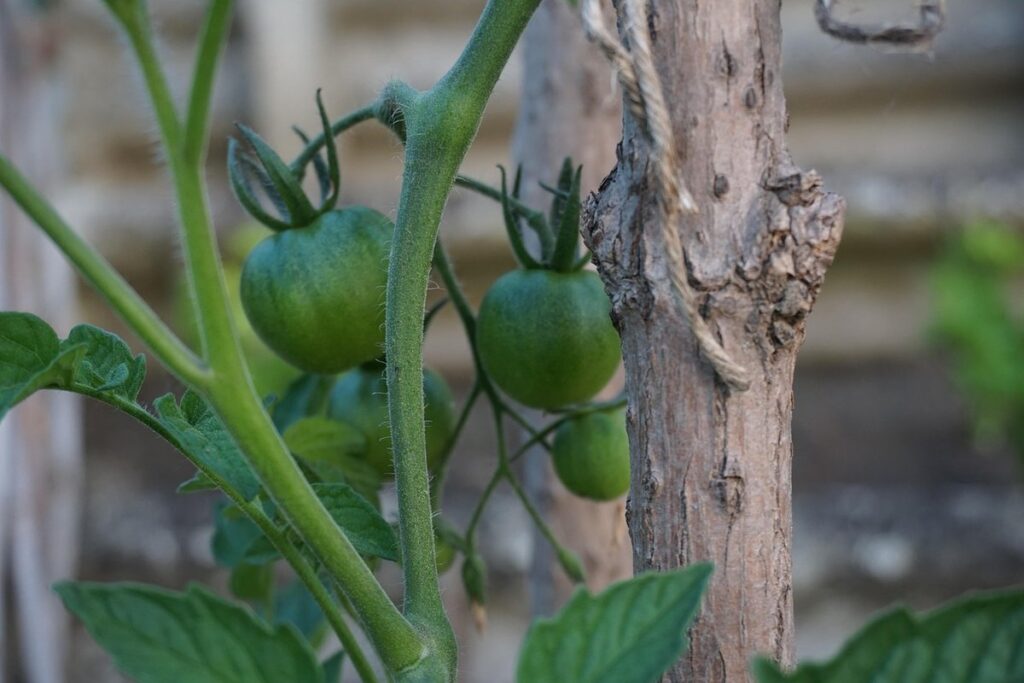
Understanding the Importance of Support Systems
When it comes to growing healthy and productive tomato plants, having a reliable support system is crucial. We’ll explore why a well-designed support system is essential for your plants’ success.
Benefits of Providing Support to Tomato Plants
Proper support systems for tomato plants are essential for several reasons. Firstly, they prevent damage to the plant’s stem and branches caused by wind, rain, or excessive fruit load. Imagine a tall indeterminate variety growing without support – it would likely snap under its own weight, resulting in a complete loss of that plant. This can be especially disastrous if you’re trying to grow a large harvest.
Support systems also reduce disease susceptibility. When plants are forced to lean due to lack of support, their stems become more exposed to moisture and pathogens, making them more vulnerable to diseases like powdery mildew or fungal infections. By keeping your plants upright with trellises or stakes, you can minimize this risk.
Furthermore, providing adequate support promotes healthy growth by allowing the plant’s energy to focus on producing fruit rather than fighting to stay upright. This can lead to a significant increase in yield and overall plant vigor.
Choosing the Right Type of Support System
When it comes to choosing the right type of support system for your tomato plants, there are several factors to consider. The size of your plant is one key consideration – larger varieties like Brandywine and Cherokee Purple may require more substantial supports to prevent them from toppling over, while smaller varieties can often get by with lighter options.
Climate also plays a significant role in determining the best support system for your tomato plants. In areas prone to high winds or heavy rainfall, sturdier supports made of materials like wood or metal are essential for keeping plants upright and secure. Conversely, in regions with milder climates, you may be able to opt for lighter-weight options.
Another important factor is available space – if you’re growing tomatoes in a small garden bed or container, you’ll need to choose a support system that’s compact and won’t take up too much room. Consider factors like the mature size of your plant and the amount of space between rows when selecting a support system. By taking these factors into account, you can select a support system that meets the unique needs of your tomato plants.
Traditional Tomato Plant Supports
For many gardeners, traditional tomato plant supports are a tried-and-true way to keep plants upright and promote healthy growth. Let’s explore some classic options together!
Wooden Tomato Cages
Wooden tomato cages are a classic and popular choice for supporting indeterminate tomato plants. One of their main benefits is durability – they can last for multiple growing seasons if properly maintained. The wooden slats also provide good air circulation around the plant, which helps to prevent disease.
Using a wooden cage is relatively easy; simply assemble it according to the manufacturer’s instructions and place it over the planted seedling. As the plant grows, you can adjust the cage’s size by adding additional slats or removing some of the existing ones.
However, there are also some limitations to consider. For example, wooden cages may not be as flexible as other support types, such as trellises or stakes. They can also be more expensive than DIY alternatives like wire mesh cages or tomato clips. If you’re planning to use a wooden cage, make sure it’s at least 3-4 feet tall and has enough space for the plant to grow without becoming too constricted.
When choosing a wooden cage, consider its material – cedar is a good option because it’s naturally resistant to rot and insects. Always follow proper assembly instructions and ensure that the cage is securely fastened to prevent it from toppling over in strong winds.
Bamboo Stakes and Ties
Bamboo stakes and ties are an excellent choice for supporting tomato plants, particularly for their flexibility and cost-effectiveness. One of the primary advantages of using bamboo is that it’s easily bendable, allowing you to adjust the stake to fit around or through existing plant growth without causing damage. This adaptability also makes bamboo suitable for use in confined spaces.
In terms of cost, bamboo stakes are often cheaper than other materials like metal or wooden stakes. They’re also more eco-friendly since they’re biodegradable and can be easily reused with some maintenance.
When using bamboo stakes, it’s essential to drive them into the soil at an angle, about 2-3 inches deep, to prevent them from toppling over in strong winds. This technique will ensure stability while still allowing for flexibility as your plant grows.
Another option is using bamboo ties, which can be used to gently wrap around the stem or even individual leaves. These ties help distribute weight evenly and are ideal for larger plants that need extra support.
Modern Alternatives to Traditional Supports
If you’re tired of using traditional tomato plant supports, we’ll explore some innovative and modern alternatives that can add a touch of personality to your garden. From cages to trellises, discover unique options for your plants.
Trellises and Arbors
When it comes to supporting your tomato plants, trellises and arbors are two popular alternatives that offer several benefits over traditional stakes and cages. One of the primary advantages of using trellises and arbors is improved air circulation around the plants. When tomatoes grow too densely, they can become susceptible to fungal diseases like blight and powdery mildew. Trellises and arbors provide a space between the plants for air to circulate, reducing the risk of disease.
In addition to better air circulation, trellises and arbors also promote increased yields by allowing the plant to grow more efficiently. With traditional supports, tomato plants often become tangled and knotted, which can lead to reduced fruiting. Trellises and arbors provide a structure for the plant to climb, keeping it tidy and promoting even growth.
To set up a trellis or arbor for your tomato plants, start by selecting a sturdy support that’s at least 6 feet tall. Place it near the plant, making sure the base is stable and secure. Gently twine the plant around the support, working from the bottom up to encourage vertical growth. With regular maintenance, trellises and arbors can be an effective way to keep your tomato plants healthy and productive all season long.
Tomato Towers and Ladders
When it comes to modern alternatives to traditional supports, vertical systems like tomato towers and ladders offer an innovative solution for space-saving and high-density planting. These structures allow you to maximize your growing area while keeping plants off the ground, reducing soil-borne diseases, and promoting better air circulation.
Tomato towers are essentially compact, freestanding units that can be placed within your garden bed or on a patio. They’re ideal for small gardens, balconies, or urban areas with limited space. Ladders, on the other hand, are often used to train indeterminate tomato varieties up towards the sun, making them perfect for larger gardens or high-yield production.
When choosing between these two options, consider your plant’s growth habits and space constraints. If you’re planning a dense planting scheme, tomato towers might be the better choice. However, if you have room for a more extensive support system, ladders can provide a sturdy framework for your plants to climb.
Remember to place your chosen support in an area with sufficient sunlight and access to water, making maintenance a breeze.
DIY Tomato Plant Support Ideas
Need inspiration for a more budget-friendly approach? We’ll explore creative and easy-to-make tomato plant support ideas that won’t break the bank.
Repurposed Materials for Support Systems
When it comes to creating support systems for your tomato plants, repurposing household items is an excellent way to get creative and save some money. Take old pallets, for instance. You can disassemble them and use the wood to create a sturdy trellis or stake system for your plants. Simply attach the wooden slats to a base made from another pallet or a wooden plank.
Another great material to repurpose is wooden dowels. You can use them as individual stakes for small tomato plants or combine several dowels to create a more elaborate support system. To get started, simply dig holes for the dowels around your plant and attach the plant’s stem to the dowel using twine or wire.
You can also use other household items like bamboo sticks, wire hangers, or even old garden tools to create unique and functional support systems. The key is to think outside the box and get creative with what you already have at home. With a little bit of imagination, you can turn waste into something truly valuable for your tomato plants.
Building a Tomato Cattle Panel
When it comes to providing sturdy support for your tomato plants, building a tomato cattle panel is an excellent option. This type of support is particularly useful for larger gardens with multiple plants, as it allows you to efficiently provide structure and stability to each one.
To begin building your tomato cattle panel, start by gathering the necessary materials: a roll of wire mesh (preferably 1-inch or 2-inch openings), wooden posts or T-posts, wire cutters, pliers, and a drill with screws. Begin by installing the posts in the ground, spacing them about 8-10 feet apart. Next, attach the wire mesh to the posts using wire ties or zip ties.
For added stability and durability, consider adding additional supports such as corner posts or intermediate support wires. These can be attached to the main panel using wire and a few simple knots. Once your cattle panel is complete, simply wrap it around the tomato plants for a sturdy yet flexible support system that will help keep your plants upright all season long.
Advanced Support Systems for Indoor and Outdoor Growing
For more complex growing spaces, you’ll want to explore advanced support systems that can handle multiple plants or provide extra stability. Let’s take a look at these specialized options.
Hydroponic and Aeroponic Supports
Hydroponic and aeroponic growing methods are ideal for tomato plants, as they allow for precise control over nutrient delivery and water usage. However, these systems often require specialized support structures to ensure the plant’s stability and promote healthy growth.
In hydroponic systems, plants can grow quite densely, which may lead to stem breakage or entanglement. To mitigate this issue, growers use trellises or netting specifically designed for hydroponics. These supports are typically lightweight, adjustable, and easy to install around the plant’s base or midsection.
Aeroponic systems, on the other hand, often employ a combination of misting nozzles and air circulation to deliver nutrients directly to the roots. As a result, aeroponically grown plants tend to be more delicate and require even more precise support. Growers in this setup can benefit from using fine-mesh netting or micro-fine trellises that allow for maximum airflow and light penetration.
When choosing supports for hydroponic or aeroponic tomato plants, consider the specific needs of your growing environment. Always prioritize plant health and stability to maximize yields and minimize the risk of damage or disease.
Automated Support Systems
Automated support systems have revolutionized indoor and outdoor growing by providing optimized plant growth conditions. These cutting-edge systems integrate sensors, motors, and computer-controlled mechanisms to ensure tomato plants receive the right amount of support at all stages of development.
One such system uses sensors that monitor temperature, humidity, and light levels, triggering adjustments to optimize conditions for the plants. For instance, these sensors can detect when a plant is stretching towards a weak spot in the canopy and adjust the trellis accordingly. This precision allows for maximum fruit production while minimizing damage from overgrowth.
Motorized systems are also becoming increasingly popular, as they offer flexibility and ease of use. Some automated support systems come equipped with adjustable arms that can be programmed to extend or retract at specific times, ensuring plants receive optimal support throughout the day. Computer-controlled systems take this a step further by analyzing data on plant growth patterns and making adjustments in real-time to provide the best possible conditions for fruit production.
In addition, some growers are experimenting with autonomous farming systems, which utilize AI-powered algorithms to optimize every aspect of plant growth, including pruning, watering, and fertilization. These systems promise to take growing tomato plants to new heights by minimizing manual intervention and maximizing yields.
Troubleshooting Common Support-Related Issues
You’ve set up your tomato plant supports, but are you still encountering problems? This section will help you troubleshoot common support-related issues and get back on track.
Identifying and Preventing Common Problems
When it comes to tomato plant support systems, common problems can arise if not properly installed or maintained. One of the most common issues is entanglement, where twine or string becomes wrapped around stems and leaves, causing damage or even strangulation. To prevent this, ensure that you use a soft material like cotton or nylon, and gently tie it to the support system in a way that allows for easy removal.
Another issue is breakage, often caused by using inadequate supports or overloading them with too many plants. This can be avoided by choosing sturdy supports that can handle the weight of your tomato plants. Additionally, providing adequate spacing between plants will also help distribute the load more evenly. When installing support systems, double-check that all ties and stakes are securely fastened to prevent them from coming loose in wind or rain.
Regular checks on your support systems can also help identify potential problems before they become major issues.
Repairing and Maintaining Support Systems
When it comes to supporting tomato plants, a sturdy and reliable system is crucial for optimal growth. However, over time, support systems can become worn out, damaged, or even toppled by strong winds. This is where regular maintenance and repair come into play.
To extend the life of your support systems, inspect them regularly for signs of wear and tear. Check for loose screws, frayed wires, or broken wooden slats. Make necessary repairs promptly to prevent accidents or damage to nearby plants.
Here are some practical tips for repairing and maintaining common types of tomato plant supports:
* For trellises and arbors, replace any damaged or rotten wood with new ones.
* Re-tighten loose screws or bolts on wire cages and stake systems.
* Replace worn-out netting or mesh with new ones to ensure even air circulation.
* Clean and disinfect all support surfaces to prevent disease buildup.
By following these simple maintenance tips, you can breathe new life into your tomato plant supports, ensuring they continue to provide the necessary structure for healthy growth. Regular upkeep will also help prevent costly replacements and extend the overall lifespan of your support systems.
Conclusion and Recommendations
Now that you’ve learned about the different types of tomato plant support, it’s time to summarize what we’ve covered and provide some practical recommendations for your garden. Let’s tie everything together!
Recap of Key Takeaways
In conclusion, choosing the right support system for your tomato plants is crucial for optimal growth and productivity. Throughout this comprehensive guide, we’ve explored various types of supports, including trellises, stakes, cages, and obelisks.
To recap, a well-structured support system should provide both vertical and horizontal support to the plant. Consider the specific needs of your tomato variety and choose a support that complements its growth habit. For example, indeterminate varieties require more extensive support, while determinate varieties can thrive with minimal support.
Some key takeaways from this guide include understanding the pros and cons of different support types, recognizing the importance of early pruning to promote healthy growth, and ensuring adequate spacing between plants for optimal air circulation. By implementing these best practices and selecting the right support system, you’ll be well on your way to a bountiful tomato harvest. Remember to inspect your supports regularly and make adjustments as needed to ensure continued plant health and success.
Final Thoughts and Future Developments
As you wrap up this comprehensive guide to tomato plant support types, it’s essential to consider the future of gardening and how emerging technologies might impact the way we care for our plants. One trend that’s gaining traction is the use of automated gardening systems, which can monitor soil moisture, temperature, and other factors to optimize growing conditions for tomatoes.
These systems often come with built-in support structures, making it easier to maintain a stable and healthy plant without manual intervention. Another development worth watching is the increasing popularity of vertical farming, where plants are grown in vertically stacked layers using hydroponics or aeroponics.
As gardening technology continues to evolve, we can expect to see more innovative support systems that cater to different growing conditions and plant varieties. For now, it’s exciting to think about how these advancements will shape the future of tomato cultivation and what new possibilities they might bring for gardeners of all skill levels.
Frequently Asked Questions
Can I use a combination of support types for my tomato plants?
You can definitely mix and match different support types to create a customized system that suits your garden’s specific needs. For example, you might use a trellis for indeterminate varieties and wooden cages for determinate ones. This approach allows you to take advantage of the benefits of each type while minimizing potential drawbacks.
How do I choose the right material for my DIY tomato plant support?
When selecting materials for your DIY project, consider factors like durability, weight capacity, and resistance to rot and pests. For example, wooden stakes or trellises can be a good choice, but you may want to avoid using treated wood that could leach chemicals into the soil.
Can I use existing garden structures as tomato plant supports?
Yes, repurposing existing garden structures like arbors, gazebos, or pergolas can be an excellent way to create support systems for your tomatoes. Just ensure they’re sturdy enough and provide adequate support for the weight of your plants.
How do I prevent damage from strong winds while using a trellis?
To protect your trellised tomato plants from wind damage, consider anchoring them with stakes or weights, especially in areas prone to gusty weather. You can also use wind-resistant ties or clips to secure the plant to the trellis.
Can I build my own automated support system for indoor growing?
While building an automated support system for indoor growing can be a complex project, it’s definitely possible with some DIY skills and creativity. Consider using materials like PVC pipes, motors, or sensors to create a custom system that meets your specific needs.