
Pruning your chive plants may seem like a straightforward task, but it can make all the difference in their growth, flavor, and overall productivity. If you’re not pruning your chives regularly, you might be missing out on the chance to maximize their potential. Not only will regular pruning keep your chives bushy and healthy, but it will also encourage new growth, increase their flavor, and promote root development – all of which are essential for maximum harvests. In this article, we’ll explore when and how to prune chives, including some basic techniques you can start using today as well as more advanced methods for taking your chive care to the next level.
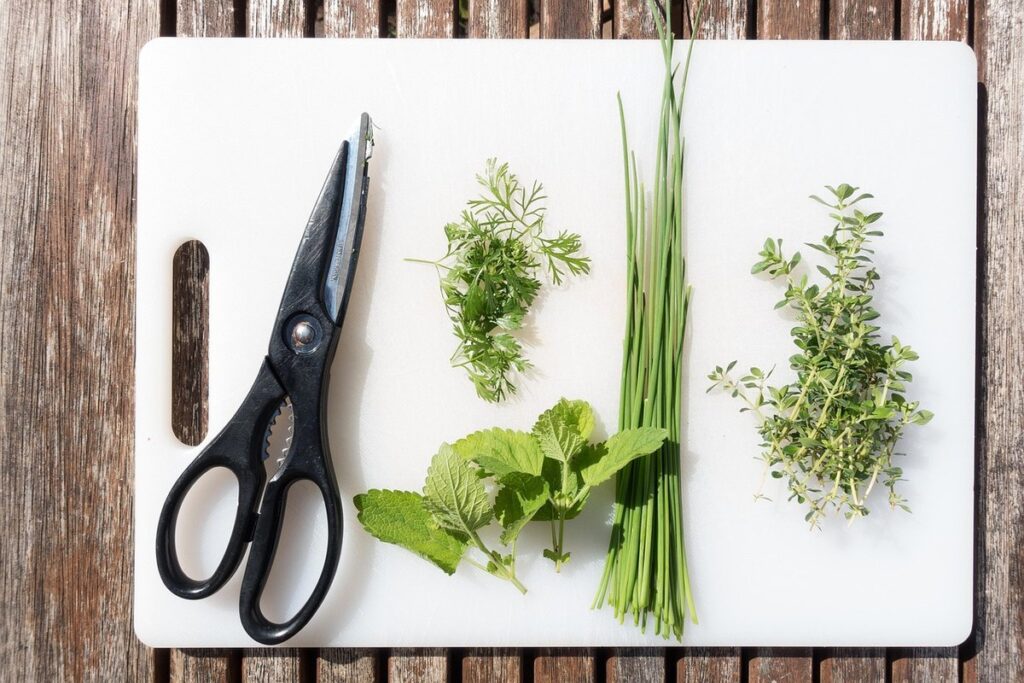
Why Prune Chives
Pruning chives is a simple yet crucial task that ensures your plants stay healthy and flavorful all season long. Let’s dive into the reasons behind pruning these lovely herbs.
Benefits of Pruning Chives
Pruning chives not only keeps them looking their best, but it also has numerous benefits that can impact their growth and flavor. One of the main advantages is that pruning encourages new foliage to grow, making your chive plants look fuller and more vibrant. This process also helps to prevent the plant from flowering prematurely, which can weaken its overall health.
When you prune your chives regularly, you’re actually promoting a healthy balance between vegetative growth and flowering. By removing the flower buds before they have a chance to bloom, you’re directing the plant’s energy towards producing new leaves instead. This not only keeps your chive plants looking lush and green but also ensures that they continue to produce plenty of flavorful stems.
By pruning your chives regularly, you’ll notice an increase in their overall vigor and productivity. They’ll grow faster, produce more leaves, and be less likely to bolt, which means you can enjoy their delicious flavor for longer periods.
Understanding Chive Plant Cycles
A chive plant’s life cycle is divided into three distinct stages: establishment, production, and decline. During the first stage, which typically lasts about 6-8 weeks after planting, the focus should be on allowing the chives to establish a strong root system.
Pruning during this period can actually hinder growth, so it’s best to let them grow unchecked until they reach maturity. As the plant enters its production phase, you’ll notice a surge in new stems and leaves emerging from the center of the plant.
This is when regular pruning becomes essential to encourage bushy growth and prevent flowering. Prune your chives every 1-2 weeks by cutting back the tops to about one-third of their height. This will not only control the height but also direct the plant’s energy towards producing more stems and leaves, ensuring a continuous supply of fresh chives.
By understanding and working with these natural cycles, you’ll be able to maximize your chive plant’s productivity and enjoy a bountiful harvest all season long.
When to Prune Chives
Now that you know why pruning chives is important, it’s time to learn when to do it – and don’t worry, it’s easier than you think! Pruning at the right times will keep your chive plants healthy and thriving.
Seasonal Considerations for Pruning Chives
When you have chive plants, it’s essential to consider the season when pruning them. In areas with mild winters, like California or parts of Australia, chives can be grown year-round and require more frequent pruning. For cooler climates with frosty winters, such as those found in Northern Europe or parts of North America, it’s best to prune after the last frost has passed.
Pruning can also be done during different seasons for specific purposes. In spring, pruning helps control seed production and encourages bushy growth. Summer pruning promotes a stronger root system by removing weak stems and encouraging new growth. Autumn pruning is less common but can help prevent chive plants from flowering too much, directing the plant’s energy towards foliage development.
Ultimately, the ideal time for pruning chives depends on your personal preference and growing conditions. If you’re looking to harvest large quantities of leaves or promote healthy growth, regular pruning throughout the year will be beneficial. For those who want to focus on flowering, pruning is best done in spring and summer.
Pruning at Different Growth Stages
When it comes to pruning chives at different growth stages, there are specific techniques that will help you maximize their flavor and optimal growth. For young seedlings, it’s essential to prune them lightly to encourage branching and prevent the plant from flowering too early. Simply snip off the tallest stem about an inch above a leaf node using sharp scissors or pruning shears.
For mature plants, regular pruning is necessary to promote new growth and prevent the chives from becoming leggy. Remove any dead or damaged leaves, as well as the flower stalks that tend to appear in late spring. This will also help direct the plant’s energy towards producing flavorful stems and roots. As for plants nearing the end of their lifespan, a more extensive pruning is necessary. Cut back the entire plant to about an inch from the soil surface to stimulate new growth and prepare it for replanting.
It’s worth noting that chives are relatively low-maintenance when it comes to pruning, making them a great addition to any kitchen garden. By following these simple techniques at different growth stages, you’ll be able to enjoy your fresh homegrown chives all season long.
How to Prune Chives
Pruning chives can be a bit tricky, but don’t worry, we’ve got you covered! In this next part, we’ll walk through the simple steps to cut back your chive plants for maximum growth and flavor.
Basic Pruning Techniques for Chives
To start pruning chives effectively, you’ll need a few basic tools. A pair of clean, sharp scissors or pruning shears is ideal for cutting individual stems or small bunches. For more extensive pruning, consider investing in loppers or a pruning saw to handle thicker stalks. Always prioritize cleanliness and maintain your tools regularly to prevent the spread of disease.
Before you begin pruning, take a moment to assess the chives’ overall health. Inspect the plants for any signs of pests, diseases, or nutrient deficiencies. Remove any dead or damaged leaves, as these can compromise the plant’s ability to photosynthesize and produce flavorful compounds.
When pruning individual stems, cut just above a node (where a leaf meets the stem) using a 45-degree angle. This helps promote new growth and encourages bushy development. To maintain your chives’ shape and size, aim to prune about one-third of the plant’s foliage at a time, working your way around the plant in sections.
Advanced Pruning Methods for Specific Needs
If you’re looking to refine your chive pruning techniques, there are several advanced methods worth exploring. For instance, if you want to minimize seed production and encourage leaf growth, try ‘Pinching’. This involves removing flower buds as they form, redirecting the plant’s energy towards foliage development. You can also use this method to control the spread of chives and prevent them from flowering altogether.
Another advanced technique is ‘Tip Pruning’, which helps promote bushy growth by encouraging lateral branching. To do this, simply snip off the top set of leaves, leaving a small portion of stem intact. This will stimulate the plant to produce new growth from the sides, resulting in a fuller appearance. Be cautious not to remove too much at once, as this can stress the plant and lead to reduced yields.
For particularly vigorous chive plants, ‘Cutting Back’ may be necessary to maintain their shape and encourage a balanced root system. This involves removing about one-third of the foliage and roots during the growing season, allowing the remaining growth to focus its energy on new development.
Common Mistakes to Avoid When Pruning Chives
When pruning chives, it’s easy to make mistakes that can harm your plants. Let’s go over some common errors to avoid for healthy and thriving chive growth.
Over-Pruning: A Guide to Balancing Growth
Over-pruning is one of the most common mistakes chive growers make. It’s easy to get carried away with trimming back overgrown stems, but doing so can have serious consequences for your plant’s health and productivity.
So, how do you know if you’re over-pruning? Look for signs like weakened or spindly growth, a decrease in the number of new flower stalks, and a overall decline in the plant’s vigor. These symptoms often appear when too much of the plant is removed at once, leaving behind a bare patch that struggles to recover.
To correct this issue, it’s essential to prune your chives more gently. Instead of cutting back entire stems, trim just one-third to one-half of the foliage. This will encourage new growth from the base of the plant without shocking it with too much stress. By pruning in moderation and allowing some areas of the plant to remain intact, you’ll be able to enjoy a bountiful harvest while keeping your chives healthy and thriving.
Under-Pruning: The Dangers of Neglecting Your Chives
When it comes to pruning chives, many gardeners inadvertently neglect their plants by not pruning them enough. This under-pruning can have serious consequences for the health and productivity of your chive crop. One of the main risks associated with under-pruning is a decrease in yield. Chives that are not regularly pruned tend to become leggy and focused on producing seed rather than new foliage. This means you’ll get fewer usable leaves from each plant, reducing the overall harvest.
Under-pruning also increases the risk of disease. When chives are not pruned regularly, their foliage becomes dense and moist, creating an ideal environment for fungal diseases like powdery mildew to take hold. Regular pruning helps to maintain air circulation around the plants, reducing the likelihood of disease outbreaks.
To avoid under-pruning, make it a habit to snip off about one-third of your chives’ foliage every few weeks during the growing season. This will encourage bushy growth and prevent the plants from flowering prematurely. By taking this simple step, you’ll ensure your chive crop stays healthy, productive, and flavorful throughout the year.
Using Pruned Chives
Now that you’ve pruned your chive plants, it’s time to make the most of your hard work and use those freshly cut stems in a variety of dishes. Here are some creative ways to incorporate pruned chives into your recipes.
Incorporating Pruned Chives into Recipes
Now that you’ve pruned your chives, it’s time to get creative with their fresh foliage. One of the best things about pruning is that it encourages new growth and makes more leaves available for cooking. Chive foliage can be used as a garnish or ingredient in various dishes, showcasing its versatility.
To start, try using chopped chive leaves as a finishing touch for soups, salads, and pasta dishes. They add a mild onion flavor and a pop of color to any plate. You can also mix them into dips, such as salsa or hummus, for added depth of flavor. For more substantial uses, consider adding chives to omelets, scrambled eggs, or roasted vegetables like carrots and Brussels sprouts.
In addition to their fresh flavor, pruned chive leaves can be used to make a delicious compound butter. Simply mix softened butter with minced chives, lemon juice, and salt for a tasty spread perfect for serving with grilled meats or as a topping for baked potatoes. Experiment with different recipes to find your favorite ways to incorporate pruned chive foliage into your cooking routine.
Preserving Pruned Chives for Future Use
When you’ve pruned your chives to encourage bushy growth and prevent flowering, it’s only natural to want to make use of the cut-off foliage. After all, a well-pruned chive plant can produce an abundance of fragrant leaves, which are perfect for adding flavor to a variety of dishes. To preserve these pruned chives for future use, you have several options.
Drying is one of the simplest methods of preserving chives. Simply tie the cut-off stems together in small bunches and hang them upside down in a warm, dry place. Within a few days or weeks, depending on the humidity level, the leaves will be completely dry and can be stored in airtight containers for up to six months.
Freezing is another great way to preserve chives, as it helps retain their flavor and aroma. Simply chop the pruned stems, place them in an airtight container or freezer bag, and store them in the freezer. Frozen chives are perfect for adding to soups, stews, and sauces throughout the year.
If you prefer a more pickled taste, try preserving your pruned chives through pickling. This involves soaking the chopped stems in a brine solution (water, vinegar, salt, and sometimes sugar) for several hours or days before storing them in an airtight container in the fridge.
Additional Tips and Variations
For those who want to take their chive pruning skills to the next level, we’ll dive into some creative variations on traditional methods. Experimenting with these techniques can lead to unique flavors and textures.
Growing Chives from Cuttings: A Guide to Propagation
Growing chive plants from cuttings is an excellent way to multiply your favorite herb and share it with friends. When you prune your chives for optimal growth and flavor, don’t discard the cut stems – instead, use them to create new plants.
To propagate chives using cuttings, start by cutting 2-3 inch sections from the top part of a pruned stem. Make sure each section has at least two nodes (the joints where leaves meet the stem), as these are the areas with the highest concentration of growth hormones. Remove lower leaves to prevent waterlogged soil and promote healthy rooting.
Place the cuttings in a glass of water or a propagation tray filled with moistened potting mix, leaving about 1-2 inches between each section. Roots should develop within 7-10 days, after which you can transfer them into individual pots or directly into your garden bed.
Keep the soil consistently moist and fertilize lightly until the new plants establish themselves. With proper care, these cuttings will grow into robust chive plants, ready to be harvested in a few weeks. This method is perfect for propagating chives in the spring or summer months when they’re at their most vigorous.
Varieties of Chives That Benefit from Pruning
Some chive varieties benefit from more frequent pruning due to their unique growth habits or uses. If you’re growing ‘Fernleaf’ chives, for instance, they’ll require regular pruning to maintain their compact shape and encourage new growth. These small-leaved chives tend to produce a higher yield than other varieties, making them ideal for culinary purposes.
For ‘Garlic Chives’, pruning is essential as it prevents the plant from flowering prematurely. When garlic chives flower, the buds will form at the expense of leaf production, reducing your yields. Regular trimming of these plants will encourage more leaf growth and prevent unwanted flowering.
Other varieties like ‘Wisconsin’ and ‘Paprika’ also require frequent pruning to maintain their bushy shape. These chive types can grow quite tall if not regularly trimmed, which can make them less manageable in the garden. By pruning them back, you’ll be able to control their height and encourage more productive growth.
Regular pruning will also promote healthy root development in these varieties, resulting in stronger, more robust plants overall.
Frequently Asked Questions
Can I Prune Chives in the Winter?
Yes, you can prune chives during the winter months when they are dormant. In fact, pruning them now will help promote new growth in the spring and ensure a healthy start to the growing season.
What Happens If I Don’t Prune My Chives Regularly?
If you don’t prune your chives regularly, they may become leggy and weak, leading to reduced flavor and productivity. Additionally, unpruned chives can develop flowering stems that take energy away from leaf production. To avoid this, make pruning a regular part of your gardening routine.
Can I Use Pruned Chives Immediately in Cooking?
Yes, you can use pruned chives immediately in cooking, but be sure to wash them thoroughly first. Freshly pruned chives are perfect for adding flavor to salads, soups, and other dishes. Simply chop or snip the desired amount and use as needed.
What’s the Best Way to Store Pruned Chives for Future Use?
Pruned chives can be stored in a cool, dry place, such as the refrigerator or freezer. To preserve them for longer, tie the stems together with twine and hang upside down from a hook or tray. This will help keep the chives fresh for several weeks.
Can I Propagate Chives Using Pruned Material?
Yes, you can propagate chives using pruned material by taking stem cuttings from the tips of the plant. To do this, simply snip off the desired amount and remove lower leaves. Place the cutting in a pot filled with moistened soil and keep it warm until roots develop. This method is a great way to share your favorite chive varieties with friends or expand your own garden.