
Compost tea is a game-changer for gardeners who want to give their plants an extra boost. By steeping compost in water, you create a nutrient-rich liquid that’s teeming with beneficial microbes. But did you know that the dilution rate of your compost tea can make all the difference? Getting it right will ensure that your soil is populated with just the right amount of microorganisms to support healthy microbial activity and thriving plants. On the other hand, getting it wrong might leave you wondering why your garden isn’t responding as expected.
In this article, we’ll explore how to choose the perfect compost tea dilution rate for your garden. We’ll consider factors like soil type, climate, and plant needs to help you make informed decisions about how to use compost tea effectively. By the end of it, you should have a clear understanding of what works best for your specific gardening situation, and be able to unlock the full potential of your plants with this amazing liquid fertilizer.
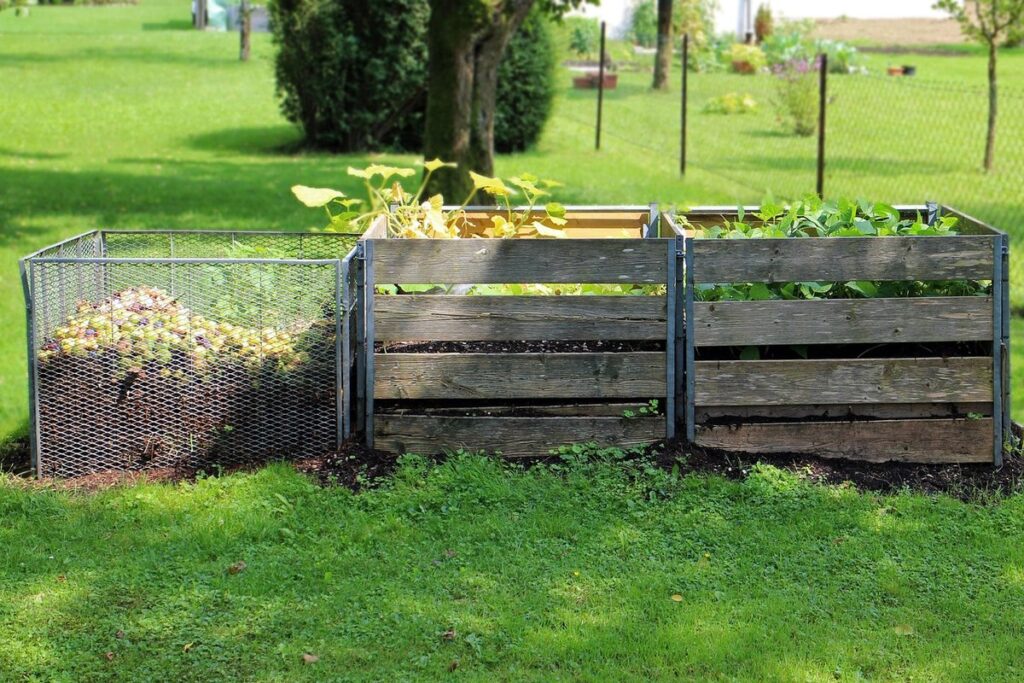
Understanding the Importance of Compost Tea
Compost tea is a liquid goldmine, packed with beneficial microbes that can supercharge your soil’s fertility and plant growth potential instantly. In this section, we’ll break down why compost tea matters most for gardeners and compost enthusiasts alike.
What is Compost Tea?
Compost tea is a liquid solution made by steeping compost in water. It’s essentially an extract of the beneficial microorganisms present in compost, which are then suspended in the water. This process allows these microbes to multiply and become more active, creating a rich source of nutrients for your plants.
Unlike regular compost, which can take months to break down organic matter, compost tea is ready to use in just hours or days. It’s also much more concentrated than compost itself, making it easier to apply directly to plant roots or as a foliar spray. This makes it an attractive option for gardeners and farmers who need to boost soil health quickly.
Using compost tea can have numerous benefits, from improving soil structure and fertility to increasing beneficial microbial populations. It’s also been shown to enhance plant growth, reduce pest and disease pressure, and even increase crop yields.
The Science Behind Compost Tea’s Benefits
When you brew compost tea, you’re creating a nutrient-rich liquid that’s teeming with microorganisms like bacteria and fungi. These beneficial microbes play a crucial role in promoting soil health, supporting plant growth, and maintaining ecosystem balance.
As the microorganisms in compost tea interact with the soil, they break down organic matter, release essential nutrients, and stimulate the growth of beneficial microbes already present in the soil. This process is known as the “microbial loop,” where microorganisms feed on each other’s byproducts, creating a web of nutrient exchange that supports the entire ecosystem.
In practical terms, this means that compost tea can help improve soil structure, increase fertility, and even suppress plant diseases. For example, a study published in the Journal of Environmental Science and Health found that using compost tea reduced fungal root pathogens in tomato plants by 90%. By incorporating compost tea into your gardening routine, you can create a balanced ecosystem where plants thrive and pests are minimized.
Determining Your Dilution Rate
Now that you’ve got a good handle on making compost tea, let’s talk about determining the perfect dilution rate for your specific needs. This is where things can get a bit tricky!
Factors to Consider When Choosing a Dilution Rate
When choosing a dilution rate for compost tea, there are several key factors to consider. The type of soil you’re working with can greatly impact the desired level of microbial activity. For example, if you’re using heavy clay or sandy soils, you may need to adjust your dilution rate to accommodate their unique characteristics. Clay soils tend to hold onto nutrients and microbes, while sandy soils leach them away quickly.
Climate is another crucial consideration. In hot and dry climates, you’ll want to use a higher dilution rate to compensate for the stress on microorganisms caused by intense heat. Conversely, in cooler and more humid climates, a lower dilution rate may be sufficient. Additionally, consider the specific needs of your plants – some varieties require more nutrients or microbial activity than others.
Ultimately, the goal is to create an environment that fosters optimal microbial growth while avoiding over-dilution, which can reduce the tea’s efficacy. Experiment with different rates and observe the effects on your plants’ health and soil quality.
The Role of pH Levels in Compost Tea Dilution
When it comes to compost tea dilution rates, pH levels play a crucial role in determining the effectiveness of microbe activity. Microorganisms thrive in an optimal pH range of 6.5 to 7.5, which is slightly acidic to neutral. If the pH level is too high or too low, it can inhibit microbial growth and reduce the overall benefits of compost tea.
To adjust dilution rates accordingly, consider the following: if your tap water has a higher pH level (above 8), you may need to use a smaller ratio of compost tea to water to avoid overwhelming the beneficial microbes. Conversely, if your tap water is acidic (pH below 6), you can use a slightly larger ratio of compost tea to compensate.
As a general rule of thumb, start with a 1:10 dilution ratio and adjust based on pH levels. For example, if your tap water has a high pH level, begin with a 1:20 or even 1:30 ratio. By taking into account the pH levels in your water source, you can create an optimal environment for microbe activity, ensuring the maximum benefits of compost tea for your plants.
The Most Common Compost Tea Dilution Ratios
When it comes to brewing the perfect compost tea, getting your dilution ratio just right is crucial. Let’s dive into the most common ratios that yield optimal results for healthy plant growth.
1:10 Ratio – A Good Starting Point for Beginners?
The 1:10 ratio is one of the most widely used and recommended dilution ratios for compost tea. This means that for every 1 part of strong compost tea, you mix it with 10 parts of water. While this ratio can be beneficial for many gardeners, especially beginners, it’s essential to understand its potential drawbacks.
Using a 1:10 ratio can provide several benefits. For instance, it allows the microbial activity in the compost tea to multiply rapidly, making it easier to achieve the desired levels of beneficial microbes. This ratio also makes it more accessible for those who are new to compost tea, as it’s less likely to cause over-fertilization.
However, there are some potential drawbacks to consider. If you’re using a high-quality compost that’s already rich in nutrients, a 1:10 ratio might lead to an overabundance of nutrients in the solution. This could potentially harm your plants or even contaminate your soil.
To get the most out of this ratio, it’s crucial to start with a good quality compost and monitor the microbial activity levels regularly. You may need to adjust the ratio as you gain more experience and understand the specific needs of your garden.
Higher vs. Lower Ratios: What’s Best for Your Soil?
When it comes to choosing the right compost tea dilution ratio for your soil, you’re often faced with two common options: higher ratios (e.g., 1:5) and lower ratios (e.g., 1:20). But what’s best for your specific soil type? Let’s break down the pros and cons of each to help you make an informed decision.
Higher dilution ratios, like 1:10 or 1:15, are often preferred by gardeners who want a stronger, more intense effect from their compost tea. These higher concentrations can be beneficial for soils that are heavy clay, compacted, or struggling with nutrient deficiencies. However, they may not be suitable for lighter soils or those with high water tables, as the increased concentration of microorganisms could lead to an overgrowth of algae and deplete oxygen levels.
On the other hand, lower dilution ratios (e.g., 1:20) are often used on sensitive plants or in environments where a gentler approach is needed. These milder concentrations can be beneficial for young seedlings, hydroponic systems, or aquariums, as they promote balanced microbial growth without overwhelming the system.
Ultimately, the choice between higher and lower dilution ratios depends on your specific soil type, plant requirements, and desired outcomes. Consider factors like soil pH, nutrient levels, and moisture content to determine which ratio will work best for you.
Considerations for Specific Plant Needs
Some plants have unique requirements that can impact their compost tea dilution rates, so let’s explore how to tailor your approach for specific plant needs. This includes considerations like sensitive seedlings and established trees.
Vegetable Gardens and Fruiting Crops
When it comes to high-demand plants like those found in vegetable gardens and fruiting crops, you’ll want to pay closer attention to compost tea dilution rates. These plants require more nutrients than others, making them ideal candidates for a slightly stronger compost tea solution.
A good rule of thumb is to use a 1:10 or 1:20 ratio when brewing compost tea for your vegetable garden. This means one part compost to ten or twenty parts water. For example, if you’re using a five-gallon bucket, add about half a gallon of compost and fill the rest with water.
For fruiting crops like tomatoes and blueberries, which are notoriously nutrient-hungry, consider starting at a 1:15 ratio and adjusting as needed. Some plants, such as leafy greens like kale and spinach, may require a slightly weaker solution due to their sensitive nature. Keep in mind that you can always dilute the compost tea further if needed, but it’s harder to strengthen a weak solution.
When experimenting with different ratios for your specific plants, keep an eye on their responses. If you notice any signs of over-fertilization, such as leaf scorch or root rot, adjust your dilution rate accordingly.
Lawns and Turf Grasses – Finding the Right Balance
When it comes to lawns and turf grasses, compost tea can be a game-changer. This liquid gold is packed with beneficial microbes that can boost soil health, improve water retention, and even reduce the need for chemical fertilizers and pesticides. But before you start brewing up your own compost tea, it’s essential to consider the unique needs of your lawn.
First, think about the type of soil you have. If you live in an area with heavy clay or sandy soils, you’ll want to adjust your compost tea dilution rate accordingly. Clay soils tend to hold moisture well, but can become waterlogged and oxygen-deprived – a perfect breeding ground for disease and pests. Sandy soils, on the other hand, drain quickly, making it essential to add more microbes to compensate. Aim for a 1:10 ratio of compost tea to water for clay soils, and 1:5 or even 1:3 for sandy soils.
Next, consider your climate. If you live in an area with hot summers or cold winters, your lawn will appreciate the extra boost of beneficial microbes that compost tea provides. In extreme weather conditions, it’s best to brew a stronger solution (1:3) and apply it more frequently to help your lawn cope. Finally, think about your maintenance routine. If you’re using synthetic fertilizers or pesticides, you’ll want to transition gradually to avoid shocking your lawn. Start by brewing a weaker solution (1:10) and gradually increase the strength as your lawn becomes accustomed to the beneficial microbes.
Monitoring Your Soil’s Response to Compost Tea
To ensure you’re getting the best results from your compost tea, monitor how your soil responds by looking for signs of improved health and fertility. Keep a close eye on these subtle but important changes.
How to Assess Soil Health After Compost Tea Application
Assessing the effectiveness of compost tea application is crucial to understanding its impact on soil health. After treatment, observe changes in soil structure by checking for increased water retention capacity and improved aeration. This can be done by digging small trenches and observing the soil’s ability to hold water.
Microbial activity can be assessed through bioindicators such as earthworm populations, beneficial nematodes, or mycorrhizal fungi. These microorganisms play a vital role in decomposing organic matter, fixing nitrogen, and solubilizing minerals. Take note of an increase in their presence and diversity post-compost tea application.
Plant growth is another essential indicator of soil health improvement. Observe for increased root depth, leafy green growth, and overall biomass production. Monitor the reduction in pest and disease pressure as beneficial microorganisms suppress pathogens and attract pollinators.
Record your observations over time to track improvements. Regularly monitor soil pH, nutrient levels, and electrical conductivity to ensure optimal conditions for plant growth. By paying attention to these indicators, you’ll be able to fine-tune your compost tea application schedule and make data-driven decisions for future treatments.
Adjusting Dilution Rates Based on Soil Feedback
As you start monitoring your soil’s response to compost tea, you’ll likely notice variations in its effectiveness. Perhaps some areas are responding well with minimal application rates, while others require more concentrated doses to achieve the desired results. This is where adjusting dilution rates based on soil feedback comes into play.
When observing the soil’s response, pay attention to factors like plant growth, soil structure, and pest/disease management. If you notice improved growth and reduced pathogens in certain areas with higher dilution rates, it may be an indication that your soil requires more intense microbial activity. Conversely, if some areas are thriving with lower dilution rates, it could mean that the soil is already teeming with beneficial microbes.
To adjust your dilution rates accordingly, take note of the following:
* Identify the most responsive areas and determine their optimal dilution rate.
* Consider the unique characteristics of each area (soil type, climate, etc.) when adjusting rates for future applications.
* Gradually increase or decrease dilution rates based on observed results to avoid shocking the soil ecosystem.
Troubleshooting Common Issues with Compost Tea
As you experiment with compost tea dilution rates, you may encounter some common issues – clogged aerators, cloudy liquid, and inconsistent microbial activity. Let’s tackle these problems together!
Over-Dilution – What Happens When You Use Too Little Compost?
When you use too little compost tea, you can end up with over-dilution. This might seem counterintuitive, but it’s a common issue that can have significant consequences for your plants and soil health.
At low dilutions, the microbial activity in compost tea can become reduced due to an imbalance between beneficial microbes. This is because there simply isn’t enough “food” (compost) to sustain the microorganisms at their optimal levels. As a result, the beneficial effects of compost tea are diminished, and you might not see the expected improvements in soil fertility or plant health.
To put this into perspective, consider that when compost tea is diluted at a ratio of 1:10 or higher (1 part compost tea to 10 parts water), it can lead to an over-reliance on the few strong microbes present. This can cause weaker or more sensitive plants to become overwhelmed, potentially leading to disease or nutrient deficiencies.
To avoid this problem, aim for dilution ratios between 1:5 and 1:7 (1 part compost tea to 5-7 parts water), which will allow your beneficial microorganisms to thrive while also providing a balanced environment for plant growth.
Under-Dilution – Risks Associated with Using Too Much Compost
Using too much compost tea can lead to under-dilution, which poses several risks for your plants. One of the most significant concerns is nutrient imbalances. When the liquid concentrate is applied directly to the soil without adequate dilution, it can cause an overabundance of certain nutrients like nitrogen or phosphorus.
This can have severe consequences, such as:
* Nutrient lockout: Excessive amounts of certain micronutrients can prevent plants from absorbing essential macronutrients.
* Root damage: Overly concentrated compost tea can scald plant roots, leading to root die-off and reduced water absorption.
* Soil pH fluctuations: An imbalance of nutrients in the compost tea can alter soil pH levels, potentially harming beneficial microorganisms.
To avoid these issues, it’s crucial to follow proper dilution rates. Typically, a 1:10 or 1:20 ratio is recommended for most plants. However, this may vary depending on factors like soil type, plant species, and desired outcomes. Always consult with a trusted resource or expert if you’re unsure about the optimal dilution rate for your specific situation.
Frequently Asked Questions
How do I know if my soil is benefiting from the right compost tea dilution rate?
Start by monitoring your soil’s response to the application, looking for signs of improved microbial activity and plant growth. If you notice any adverse effects or a lack of improvement, it may be necessary to adjust the dilution rate. Consider factors like soil type, climate, and plant needs when making adjustments.
Can I use compost tea with different types of plants at the same time?
While compost tea can benefit various plants, some require more specific dilution rates than others. For example, vegetable gardens often do well with higher dilution ratios to promote healthy microbial activity, whereas lawns may require lower ratios due to their specific needs. Consider the unique requirements of each plant type when deciding on a dilution rate.
How long does it take for compost tea to start showing its benefits in my garden?
The effects of compost tea can be noticeable within a few days to a week after application, depending on factors like soil health and microbial activity. However, consistent use over time is key to achieving optimal results. Regularly monitoring your soil’s response and adjusting the dilution rate as needed will help you maximize the benefits of compost tea.
What should I do if I’ve applied too much or too little compost tea to my garden?
If you suspect that your garden has been over-diluted, reduce the amount of compost tea used in future applications. Conversely, if you notice under-dilution effects, increase the dilution rate accordingly. Keep a record of your application rates and soil responses to make informed adjustments and avoid repeating similar mistakes.
Can I use store-bought compost or worm castings to make my own compost tea?
Yes, both store-bought compost and worm castings can be used as a base for making compost tea. However, ensure that the materials are of high quality and specifically designed for liquid fertilization purposes. This will help you achieve the best possible results from your compost tea applications.