
Pruning oregano might seem like a daunting task, but trust us, it’s a game-changer for your herb garden. Not only does regular pruning help maintain a healthy and thriving plant, but it also boosts flavor and aroma, making every dish you cook with fresh oregano even more delicious. If you’re new to gardening or just starting out with herbs, learning how to prune oregano can feel overwhelming – what’s the best technique to use? When is the right time to prune? Don’t worry, we’ve got you covered. In this article, we’ll break down the basics of pinching, trimming, and thinning your oregano plant, so you can enjoy optimal growth and flavor all year round. Whether you’re a seasoned gardener or just starting out, you won’t want to miss these essential pruning techniques for a lush, thriving herb garden.
Benefits of Pruning Oregano
By pruning oregano regularly, you’ll not only encourage bushy growth and a fuller plant, but also prevent woody stems from developing and reduce the risk of pests and diseases. Pruning helps promote healthy oregano!
Why Prune Oregano?
Pruning oregano is not just about maintaining its shape; it’s essential for promoting bushy growth, preventing legginess, and encouraging new foliage. When you allow oregano to grow unchecked, it can become leggy and weak, making it more susceptible to pests and diseases.
By pruning your oregano regularly, you encourage the plant to focus its energy on producing new leaves rather than long stems. This results in a fuller, healthier-looking plant with a higher yield of fragrant leaves. Think of pruning as a way to “train” your oregano to grow more compactly and produce more flavorful foliage.
To promote bushy growth, prune your oregano by pinching off the tips of the stems when they reach 6-8 inches tall. This will encourage the plant to branch out and produce new shoots from the nodes. You can also trim back any leggy stems or branches to maintain a balanced shape. Remember to make clean cuts just above a node, and your oregano will respond by producing more leaves and flowers. Regular pruning will also help prevent pests like spider mites and aphids, which thrive on weak and leggy plants.
When to Prune Oregano
When it comes to pruning oregano, timing is everything. Pruning at the right time can encourage healthy growth, promote root development, and even stimulate new leaf production. But prune too early or too late, and you risk causing stress on the plant.
In the spring, after the last frost, is a great time to prune oregano. Remove any dead or damaged leaves to make way for new growth. This will also help control the spread of pests and diseases that can overwinter in the plant.
During the summer months, prune your oregano regularly to encourage bushy growth and prevent it from flowering. Regular pruning will keep the plant healthy, prevent it from becoming leggy, and promote a more even harvest.
In the fall, reduce your pruning frequency as the days get shorter and the weather cools down. This will give the plant time to harden off for winter and conserve energy for new growth in the spring.
In the dead of winter, prune only if necessary. If you notice any dead or damaged leaves, go ahead and prune them off. But avoid pruning too much, as this can stress the plant further during its dormant period. By pruning at the right time, you’ll be rewarded with a healthy, thriving oregano plant that’s ready to provide for your kitchen year-round.
Understanding Oregano Growth Habits
To grow oregano effectively, it’s essential to understand its unique growth habits and how pruning will impact its development over time. Let’s dive into the specifics of oregano’s natural tendencies.
Oregano Plant Structure
Oregano plants typically grow with a compact, upright habit, with a moderate rate of spread. Their root system is relatively shallow and fibrous, making them well-suited for container gardening. This characteristic also means that oregano can be easily divided or transplanted, allowing you to propagate new plants from established ones.
The stem structure of oregano consists of woody bases with a high concentration of essential oils, responsible for the herb’s distinctive aroma and flavor. These stems are generally sturdy but can become leggy if not regularly pruned. This is where pruning comes in – by controlling the plant’s height and promoting bushy growth, you’ll encourage a more balanced appearance and increase yields.
Leaf arrangement on oregano plants is whorled or opposite, with pairs of elliptical leaves emerging from each node along the stem. Pruning can help maintain an even spacing between these leaf nodes, allowing sunlight to penetrate and promote healthy growth. By understanding oregano’s unique plant structure, you’ll be better equipped to prune it effectively and encourage optimal performance in your herb garden.
Identifying Pruning Needs
When assessing an oregano plant’s pruning needs, it’s essential to consider its age, size, and growing conditions. Young oregano plants typically require more frequent pruning to encourage bushy growth and prevent them from becoming leggy. For the first year or two, prune your oregano plant back by about one-third after flowering to promote new growth.
As your oregano plant matures, it will likely need less frequent pruning. However, if you want to maintain its shape and promote healthy growth, it’s still necessary to prune it regularly. Consider factors like light, soil, and temperature when determining the best pruning schedule for your oregano plant.
For example, oregano plants grown in full sun may require more frequent pruning to prevent them from becoming scorched or developing brown tips. On the other hand, those grown in partial shade may need less pruning due to their slower growth rate. Similarly, oregano plants growing in rich, well-draining soil may require more pruning than those growing in poor soil conditions.
When assessing your oregano plant’s needs, take note of its overall appearance and adjust your pruning schedule accordingly.
Techniques for Pruning Oregano
Now that you know why pruning oregano is important, let’s dive into some specific techniques to help keep your plant healthy and thriving. Here are a few methods to try.
Pinching and Trimming
Pinching off flowers is an effective technique for controlling growth and encouraging branching in oregano plants. This process involves removing individual flower buds as they begin to form. Start by identifying the developing flowers on your oregano stems, typically at the tips of the branches. Use your fingers or a pair of clean scissors to carefully pinch off these buds.
Regular pinching will direct the plant’s energy towards producing more foliage and branching out rather than producing seed. This approach can lead to a bushier, healthier plant with an increased yield in future harvests. A good time to start pinching is when your oregano plants reach about six inches tall. Continue this practice throughout the growing season for optimal results.
As you pinch, also keep an eye on stem length. Oregano stems can grow quite long if left untrimmed. To encourage a more balanced growth habit and prevent the plant from becoming leggy, trim back stems to about half their original length every few weeks.
Thinning and Reducing
Thinning oregano foliage is an essential step in maintaining a healthy and thriving herb garden. When plants are overcrowded, air circulation suffers, making them more susceptible to diseases like powdery mildew. To thin out oregano, start by gently removing any weak or spindly growth from the base of the plant. This will allow the remaining stems to receive more sunlight and promote healthy growth.
When thinning, aim for a spacing of about 6-8 inches between each stem. This will give the roots room to breathe and reduce competition for nutrients. Be careful not to remove too much foliage at once, as this can shock the plant. Instead, work in stages, removing a few stems at a time.
Reducing oregano’s overall size is also important for maintaining its shape and promoting bushy growth. To do this, trim back overgrown stems by about one-third to one-half of their length. This will encourage new growth from the tips of the stems and help maintain a compact shape.
Tools and Equipment Needed for Pruning Oregano
Before you start pruning your oregano, make sure you have all the necessary tools on hand to ensure a safe and efficient process. You’ll need some basic gardening supplies, including pruners and gloves.
Choosing the Right Pruning Tools
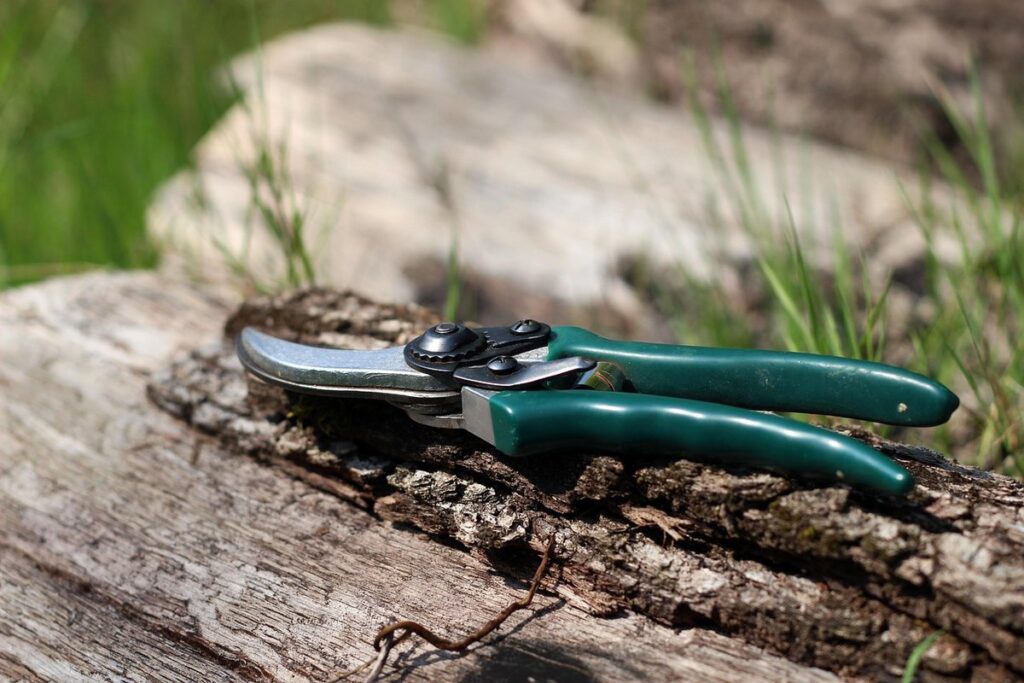
When it comes to pruning oregano, having the right tools can make all the difference. You’ll want to start with a good pair of pruning shears, also known as hand pruners. These are ideal for delicate tasks like pinching off flower buds or cutting back individual stems. Look for shears with sharp blades and comfortable grips.
For thicker branches, you may need loppers. These long-handled pruning tools allow you to make clean cuts without straining your back. Choose a pair with rust-resistant mechanisms and sturdy handles that can withstand regular use.
Don’t forget about gardening gloves! They’ll protect your hands from thorns and dirt as you work with your oregano plants. Consider a pair with grip strips for added traction, making it easier to hold onto tools or stems.
When selecting pruning shears or loppers, consider the material they’re made of. High-carbon steel is durable and resistant to rust, while stainless steel is lightweight and easy to clean. Whatever tool you choose, make sure it’s well-maintained and stored safely after use to ensure optimal performance.
Preparing Your Plant for Pruning
Before you start pruning your oregano plants, it’s essential to take a few moments to prepare them for this process. This involves more than just sharpening your pruning tools; it also means giving some thought to the health and well-being of your plants.
First and foremost, clean and disinfect all pruning tools between cuts. This may seem like an unnecessary step, but trust us – it’s crucial in preventing disease transmission. When you prune one plant, you inevitably come into contact with its sap, which can carry diseases that could spread to other nearby plants. By cleaning your tools regularly, you reduce the risk of transferring these diseases and keep your plants healthy.
To clean your pruning tools, simply wipe them down with a mixture of soap and water after each cut. If you’re dealing with particularly stubborn sap or debris, consider using a disinfectant specifically designed for gardening tools. This will help kill any bacteria or fungi that may be present on the surface. By taking this simple precaution, you’ll be able to prune your oregano plants with confidence, knowing that you’re doing everything in your power to protect their health.
Common Mistakes to Avoid When Pruning Oregano
Pruning oregano can be a delicate process, and making mistakes can lead to weakened growth and reduced harvests. Let’s explore some common pitfalls to steer clear of when pruning your oregano plant.
Over-Pruning
Over-pruning oregano can have devastating effects on its health and productivity. When you remove too much of the plant’s foliage, it goes into shock, making it more susceptible to diseases and pests. This stress can weaken the plant’s immune system, leaving it vulnerable to infections that can spread quickly.
In severe cases, over-pruning can even lead to a reduction in oregano yields for an entire growing season. Imagine spending all winter cultivating your oregano plants only to see them produce minimal or no new growth in the spring. It’s heartbreaking, especially when you could have avoided this by pruning more judiciously.
To avoid over-pruning, prune just one-third of the foliage at a time. This allows the plant to recover and regrow without going into shock. You can also prune individual stems instead of cutting back the entire plant. This way, you maintain the oregano’s natural shape while still promoting healthy growth and preventing disease.
Under-Pruning
When it comes to pruning oregano, one common mistake is under-pruning, which can lead to some serious consequences. If you neglect to prune your oregano regularly or don’t remove enough foliage, the plant will start to weaken and become more vulnerable to pests and diseases.
Weakened growth is a direct result of under-pruning, as the plant’s energy is redirected towards producing new leaves rather than roots. This can cause the stems to become leggy and the overall shape of the plant to become uneven. As a result, oregano becomes an easy target for common pests like aphids, whiteflies, and spider mites, which can further weaken the plant.
If you notice that your oregano is becoming overgrown or developing brown tips, it’s likely due to under-pruning. Regular pruning will not only maintain the plant’s shape but also encourage new growth and prevent the spread of diseases like root rot and leaf spot. To avoid these issues, make sure to prune your oregano every 6-8 weeks during the growing season, removing at least one-third of the foliage to promote healthy growth and prevent weakening.
Advanced Pruning Techniques for Experienced Gardeners
If you’re looking to take your oregano pruning skills to the next level, we’ll dive into more advanced techniques that will help you refine your craft. These methods are perfect for seasoned gardeners seeking precision and control.
Topical Pruning
Topical pruning is an advanced technique that allows you to selectively prune specific areas of your oregano plant. By doing so, you can enhance the flavor, aroma, and appearance of your herb garden. This method involves carefully removing select growths or leaves from key areas of the plant.
When using topical pruning for flavor enhancement, focus on the tips of the stems, where new growth occurs. Prune these sections to encourage bushy growth and promote more essential oils production. For instance, if you’re cultivating Italian oregano, prune the top third of the stem to increase its pungency.
To boost aroma, target the leaves closest to the center of the plant. Remove any damaged or overgrown leaves, as they can compromise the herb’s fragrance. You can also use this technique to promote more leaf growth in areas that are lagging behind others.
Prune no more than 10% of the oregano plant at a time to avoid shocking it and inducing disease. Also, be mindful of how your pruning techniques affect the plant’s overall appearance – a balanced shape is essential for maintaining its ornamental value.
Propagating Oregano through Pruning
When done correctly, pruning can not only maintain but also propagate new oregano plants from cuttings or divisions. Experienced gardeners know that this technique allows for a sustainable and self-sufficient herb garden. To begin with, wait until the plant has reached maturity, usually after the first growing season. This ensures that you’re working with healthy stems that are more likely to root successfully.
For propagation through pruning, choose stems with at least two sets of leaves. Cut these just above a node, making sure each cutting is around 3-4 inches long. Remove lower leaves, leaving only those towards the top. Dip the cut end into rooting hormone and plant it in well-draining soil. Water thoroughly, providing bright indirect light until roots develop.
Keep your new plants consistently moist during the first few weeks after planting. Make sure they have enough space to grow without overcrowding, which can lead to disease issues. You can also propagate oregano through division, especially when rejuvenating old or leggy plants. Gently separate established clumps, taking care not to damage the roots.
Conclusion and Final Tips
Now that you’ve learned how to prune oregano effectively, let’s summarize the key takeaways and provide some final tips for a thriving herb garden.
Recap of Key Points
As you’ve made it through this comprehensive guide on pruning oregano, let’s recap the key points to ensure you’re well-equipped to harvest and maintain a thriving herb garden. Pruning oregano not only enhances its flavor but also encourages new growth and prevents legginess.
To get started, we discussed the benefits of pruning oregano, including increased yields, improved flavor, and a more bushy appearance. We covered the right time to prune your oregano plants, typically during the spring and summer months when they’re actively growing.
We also explored different techniques for pruning oregano, from pinching off individual stems to using pruning shears to shape the plant as a whole. To promote healthy growth, it’s essential to remove any dead or damaged leaves, cut back leggy stems, and encourage branching by making shallow cuts just above a node.
By incorporating these best practices into your regular maintenance routine, you’ll be rewarded with a lush, fragrant oregano harvest that will elevate your cooking. Remember to prune regularly, as this will help maintain the plant’s shape and promote continued growth.
Encouraging Reader Engagement
As you’ve learned throughout this comprehensive guide on pruning oregano, we hope you’re now equipped with the knowledge to successfully harvest and maintain a thriving herb garden. But our journey doesn’t have to end here! We’d love for you to share your own experiences with pruning oregano in the comments section below.
Whether you’ve struggled with pests or diseases, discovered new techniques for promoting healthy growth, or simply found the perfect spot for your oregano plants to flourish, we want to hear about it. Your insights and tips could help other gardeners who may be facing similar challenges or seeking inspiration for their own gardens.
Consider sharing a photo of your beautiful oregano harvest or asking for advice on how to troubleshoot common issues. Engage with our community by commenting, liking, or sharing this post on social media using the hashtag #pruningoregano. Your participation not only adds value to our content but also helps spread knowledge and enthusiasm for gardening among like-minded individuals.
Frequently Asked Questions
What are the ideal pruning times for oregano plants in different climates?
In areas with mild winters, prune your oregano plant regularly throughout the growing season to maintain its shape and promote healthy growth. In colder climates, wait until spring arrives before starting your pruning routine. Yes, pruning during warmer months will help your oregano thrive, but be cautious not to over-prune during winter dormancy.
Can I propagate oregano through pruning, even if it’s a mature plant?
Yes! Oregano can be propagated through pruning, making it an excellent way to multiply your favorite herb. Identify healthy stems with nodes (the joint where leaves meet the stem), cut them just above a node, and allow the new growth to develop. This technique works for both young and mature oregano plants.
How do I know when my oregano plant needs thinning?
Check if your oregano is becoming too dense by gently tugging on some of the stems. If they come out easily, it’s likely that the plant has become overcrowded. Thinning will help prevent pests and diseases from spreading while also encouraging air circulation and promoting healthy growth.
Can I use any pruning tool for oregano plants, or are there specific recommendations?
Choose a sharp, clean pair of scissors or pruning shears specifically designed for herbs to avoid crushing the stems and promoting disease. A well-maintained pair will make the pruning process easier and more efficient.
Will over-pruning my oregano plant cause it to become leggy again?
Yes, if you severely prune your oregano, it may initially produce new growth with a tendency to grow leggy or weak. To prevent this, prune regularly throughout the growing season, focusing on maintaining the plant’s shape and promoting bushy growth rather than cutting back too much at once.