
When it comes to maintaining a healthy and thriving compost pile, there’s one crucial aspect that often gets overlooked: aeration. Without proper airflow, your compost can become stagnant, leading to reduced decomposition rates, unpleasant odors, and unwanted pests calling your yard home. As you strive for optimal composting, ensuring efficient oxygen flow is essential to break down organic matter quickly and effectively.
In this article, we’ll dive into the best practices and techniques for maintaining ideal aeration in your compost pile. We’ll explore methods like regular turning, incorporating bulking agents, and using tools specifically designed for aeration. By implementing these strategies, you can rest assured that your compost will decompose efficiently, minimizing odors and attracting fewer pests.
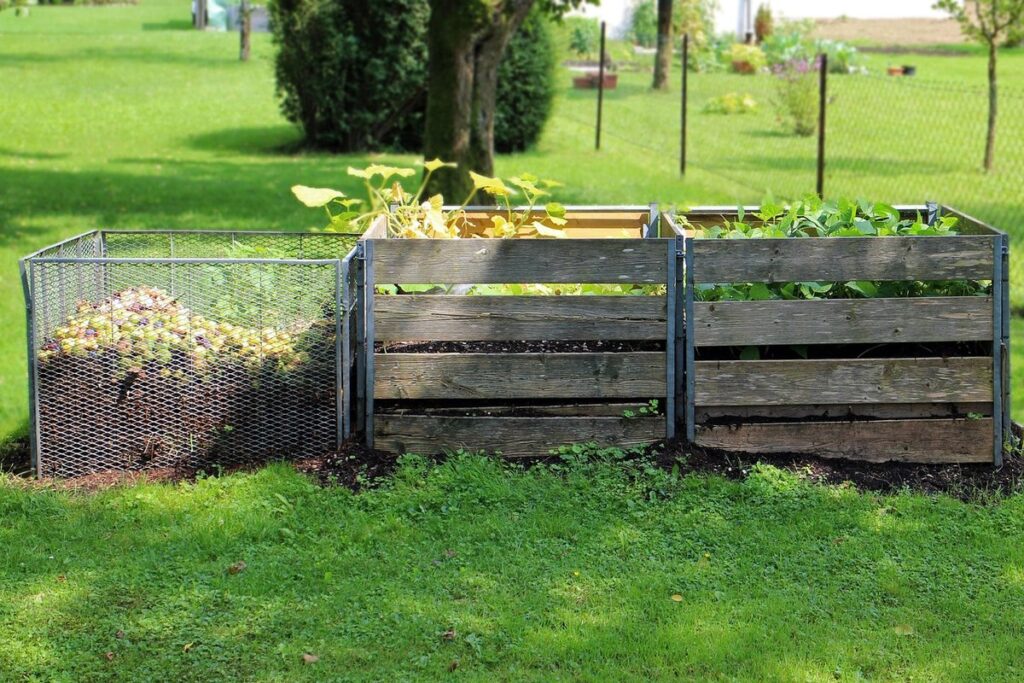
Importance of Aeration in Composting
Aeration is the key to a healthy compost pile, allowing for airflow that prevents anaerobic conditions and promotes efficient decomposition. Let’s dive into why this process matters.
Understanding the Role of Oxygen in Composting
Oxygen plays a vital role in the composting process, affecting decomposition rates, odor control, and pest management. When oxygen is present in adequate amounts, microorganisms break down organic matter efficiently, leading to faster decomposition rates.
The presence of oxygen also helps regulate the carbon-to-nitrogen ratio, which can become imbalanced if not enough air reaches the compost pile. An imbalance can lead to unpleasant odors and create an environment where pests thrive. On the other hand, sufficient aeration promotes healthy microbial activity, minimizing these issues.
A general rule of thumb is to turn your compost pile every 7-10 days, allowing oxygen to penetrate deeper into the pile. However, this frequency may vary depending on factors like pile size, moisture levels, and ambient temperature.
It’s essential to strike a balance between aeration and moisture content. Too much oxygen can dry out the pile, slowing down decomposition, while too little can lead to anaerobic conditions and unpleasant odors. Monitor your compost pile regularly to ensure optimal aeration and maintain a healthy balance of microorganisms.
Common Issues Caused by Inadequate Aeration
When aeration is insufficient or non-existent in a compost pile, it can lead to a range of problems that hinder the composting process. One common issue is anaerobic conditions, where oxygen levels are so low that they create an environment conducive to pathogen growth and unpleasant odors. This can be detrimental not only to the compost itself but also to nearby plants and soil.
Pest infestations are another consequence of inadequate aeration. Without sufficient air circulation, pests like rodents, raccoons, or flies can find their way into the pile, causing further damage and contaminating the compost. These unwanted visitors often contribute to unpleasant odors and can even lead to the spread of disease-causing microorganisms.
Inadequate aeration also affects decomposition efficiency, slowing down the breakdown process and resulting in lower-quality compost. This may be due to factors such as moisture imbalance or insufficient carbon-to-nitrogen ratio, both of which can impact oxygen availability. By monitoring and maintaining adequate aeration levels, you can prevent these issues and create a balanced, thriving compost ecosystem.
To avoid these problems, ensure that your compost pile receives regular turning or mixing – at least once every week to ten days during active decomposition phases – allowing for sufficient air exchange between materials.
Mechanical Aeration Methods
One of the most effective ways to improve aeration in your compost pile is through mechanical methods, including turning and incorporating tools into the process. Let’s dive into some essential techniques for success.
Turning and Flipping the Compost Pile
Turning and flipping your compost pile is an essential part of maintaining adequate aeration. This process can be broken down into smaller steps for both larger and smaller systems. For larger composting operations, you’ll want to consider using specialized equipment like turners or aerators that can handle the volume of material efficiently.
For example, some commercial-scale composting facilities use rotating drum aerators that speed up the turning process while minimizing labor costs. On a smaller scale, manual methods like pitchforks and shovels are still effective for turning piles, especially when you’re working with limited space.
When flipping your pile, remember to alternate the direction of rotation between each turn to ensure thorough mixing and aeration. This also helps to prevent matting or compacting of materials. By following this simple yet crucial step in composting, you’ll be well on your way to creating nutrient-rich soil for your garden or other agricultural needs.
As a general rule of thumb, larger piles can benefit from more frequent turning (every 1-3 days), while smaller systems may only require turning every 5-7 days. Keep an eye on moisture levels and temperature fluctuations as you turn the pile, adjusting your schedule accordingly to maintain optimal conditions for decomposition.
Using Aeration Tools: Forks, Spades, and Rakes
When it comes to mechanical aeration methods, using specialized tools is essential for effective composting. Aeration forks, spades, and rakes are designed to break down clumps, introduce oxygen, and promote healthy microbial activity within the pile.
Aeration forks are ideal for breaking up large chunks of organic matter, making it easier for microorganisms to decompose them quickly. These tools typically feature long handles with multiple tines or prongs that allow for efficient penetration into the compost pile. Use aeration forks when your compost is too dense and waterlogged, as they help to aerate the pile and improve drainage.
Aeration spades are perfect for turning over the top layer of compost, while also incorporating new materials into the pile. Their curved or angled blades make it easy to lift and turn large amounts of compost without causing damage to the underlying layers. When using an aeration spade, focus on breaking up any clumps that form during the composting process.
Aeration rakes are designed for gentle turning and mixing of compost materials, ideal for maintaining optimal oxygen levels within the pile. Their tines or teeth help to break up compacted areas without over-aerating the surrounding material. Use an aeration rake when your compost is almost finished breaking down, as it will help to speed up the final stages of decomposition.
Remember to always use these tools in conjunction with other mechanical aeration methods, such as turning and monitoring moisture levels, for optimal results. Regular maintenance and usage of these specialized tools will ensure that your compost pile remains healthy and active throughout its entire cycle.
Non-Mechanical Aeration Methods
While mechanical aeration methods can be effective, some composters prefer non-mechanical alternatives that don’t require electricity or special tools. We’ll explore these simple yet efficient methods next.
Adding Bulking Agents and Other Materials
When it comes to non-mechanical composting methods, introducing oxygen into the pile is crucial for efficient decomposition. One effective way to achieve this is by incorporating bulking agents and other materials that promote airflow. Bulking agents like wood chips or straw are excellent choices due to their high carbon content and ability to absorb excess moisture, which in turn promotes aeration.
Other materials such as perlite or vermiculite can also be used to introduce oxygen into the pile. These lightweight, porous materials increase pore space within the compost, allowing for better airflow and gas exchange. To use these materials effectively, simply mix them into the compost pile at a rate of about 10-20% of the total volume.
When incorporating bulking agents or other materials, be sure to balance their addition with adequate moisture levels. Aim for a mix that’s roughly 30-40% solids and 60-70% liquids. This will ensure optimal oxygen introduction while preventing anaerobic conditions from developing within the compost pile. By doing so, you’ll create an environment conducive to efficient decomposition and nutrient-rich compost production.
Using Coverings and Mulches for Oxygen Intake
When it comes to maintaining optimal oxygen levels within your compost pile, using coverings and mulches can be an effective non-mechanical aeration method. These materials help regulate moisture levels by preventing excessive evaporation, while also allowing air to penetrate the pile.
Wood chips or shavings are excellent choices for coverings, as they provide a natural barrier against moisture loss without inhibiting airflow. For example, using 2-3 inches of wood chips on top of your compost pile can retain up to 50% more moisture than uncovered piles, while still allowing sufficient oxygen intake.
Other mulches like straw or coconut coir can also be used to maintain adequate aeration and moisture levels. It’s essential to apply these coverings in a thin layer (about 2-3 inches deep) to prevent suffocating the pile. Regularly monitoring your compost pile’s moisture levels and adjusting the covering thickness as needed will help ensure optimal oxygen intake.
Some common pitfalls to avoid include over-mulching, which can lead to anaerobic conditions, or using materials that are too dense, hindering airflow altogether. By finding a balance with coverings and mulches, you’ll be well on your way to maintaining a healthy, aerated compost pile.
Composting Systems with Built-in Aeration
When designing a composting system, incorporating built-in aeration features can simplify the process and improve results – let’s explore some effective options.
Tumbling Composters: A Self-Contained Solution
Tumbling composters are an excellent option for those who want a self-contained solution with built-in aeration. These compact units typically consist of two bins that rotate relative to each other, allowing the contents to be continuously aerated and mixed.
One key feature of tumbling composters is their ability to maintain optimal moisture levels and temperature conditions, both essential for efficient decomposition. This is achieved through clever design features such as ventilation systems, which allow air to circulate freely throughout the unit.
Users rave about the convenience and efficiency offered by tumbling composters. Many report being able to produce rich, nutrient-dense compost in a matter of weeks, rather than months. However, it’s worth noting that these units can be more expensive upfront compared to traditional compost piles or bins without built-in aeration.
In terms of practical advice, when choosing a tumbling composter, look for models with features such as easy-to-clean designs and adjustable turn ratios to suit your specific needs. Additionally, make sure to follow the manufacturer’s guidelines for maintenance and upkeep to ensure optimal performance.
Windrow Turners and Other Mechanized Composters
For large-scale composting operations, windrow turners and other mechanized composters are essential tools. These machines efficiently mix and aerate materials, significantly speeding up the decomposition process. Windrow turners come in various sizes, from small walk-behind models to larger, tractor-mounted units. They use rotating drums or blades to turn and aerate windrows of composting material.
While these machines offer several benefits, they also have some limitations. For instance, their high cost and energy consumption may not make them suitable for smaller-scale operations or those with limited budgets. Moreover, improper operation can lead to reduced efficiency or even damage the equipment. To get the most out of mechanized composters, it’s essential to carefully follow the manufacturer’s guidelines and regularly maintain the machines.
When choosing a windrow turner or other mechanized composter, consider factors such as material throughput, energy efficiency, and ease of maintenance. Additionally, ensure that the machine is compatible with your specific composting setup and meets local regulations regarding noise levels and emissions.
Best Practices for Maintaining Aeration in Your Compost Pile
To maintain optimal aeration, it’s essential to balance turning and monitoring your pile, ensuring oxygen reaches all areas and decomposition happens efficiently. Regular maintenance will prevent anaerobic conditions from developing.
Monitoring Moisture Levels and pH
Maintaining optimal moisture levels and pH balance is crucial for ensuring proper aeration conditions in your compost pile. Too much or too little moisture can lead to anaerobic conditions, hindering the decomposition process and creating odors.
To monitor moisture levels effectively:
* Check the compost pile at least once a week by inserting your hand into the pile up to the wrist
* If the compost feels dry and crumbly, it’s time to add water
* Aim for a consistency similar to a damp sponge
* Avoid overwatering, as this can lead to anaerobic conditions
pH levels should be maintained between 6.5 and 7.5 for optimal decomposition. You can purchase a pH test kit or send a sample to a laboratory for analysis.
Some common signs of imbalanced pH include:
* Low pH (acidic): mold, fungus growth, and unpleasant odors
* High pH (alkaline): slow decomposition rates and reduced microbial activity
To maintain the ideal pH range, add materials that are rich in carbon, such as dried leaves or straw. These will help balance out any excess acidity or alkalinity in the compost pile.
By monitoring moisture levels and maintaining a balanced pH, you can ensure optimal aeration conditions in your compost pile, supporting efficient decomposition and minimizing odors. Regular checks will also enable you to make adjustments promptly, preventing potential issues and ensuring successful composting.
Regular Maintenance Schedules
To keep your compost pile running smoothly, it’s essential to establish a regular maintenance schedule. This will ensure that oxygen levels remain optimal for microbial activity and prevent common issues like anaerobic conditions, pests, and unpleasant odors.
Begin by setting aside time each week to inspect and maintain your compost pile. This should include tasks such as:
* Turning the pile every 7-10 days to redistribute heat and aerate the contents
* Checking moisture levels and adding water or bulking agents as needed
* Monitoring temperature and ensuring it reaches between 130°F and 140°F (54°C and 60°C) for optimal decomposition
It’s also crucial to keep track of your maintenance schedule, including weather-related events that may impact composting. For example, heavy rain can make the pile too wet, while extreme heat can dry it out.
By prioritizing regular maintenance and incorporating tasks related to aeration into your routine, you’ll be well on your way to creating nutrient-rich compost for your garden. Remember to stay flexible and adjust your schedule as needed to accommodate seasonal changes or unique conditions in your area.
Advanced Techniques: Understanding Composting Processes
To take your composting skills to the next level, let’s dive into some advanced techniques for understanding and optimizing the composting process in your pile. This involves recognizing key signs of decomposition and balance.
Microbial Communities and Their Role in Aeration
Understanding the complex interactions within compost piles is crucial for efficient decomposition. Microbial communities play a pivotal role in this process, and their impact on aeration cannot be overstated. These microorganisms are responsible for breaking down organic matter into nutrient-rich humus. A diverse array of microbes, including bacteria, fungi, and protozoa, work together to facilitate the composting process.
The type and composition of microbial communities within a compost pile can significantly affect its aeration requirements. For instance, a high concentration of aerobic bacteria can lead to excessive oxygen demand, necessitating more frequent turning or aeration. Conversely, an imbalance in microbial populations can result in reduced oxygen levels, potentially leading to anaerobic conditions.
Maintaining optimal microbial balance is essential for effective composting. This involves monitoring temperature, pH, and moisture levels to create an environment conducive to healthy microbial growth. Practitioners can enhance microbial diversity by incorporating a mix of green and brown materials, ensuring adequate carbon-to-nitrogen ratios, and minimizing contamination from pathogens or weed seeds.
Compost Pile Temperature Monitoring and Management
Monitoring temperature within your compost pile is crucial for maintaining optimal conditions that allow microorganisms to efficiently break down organic matter. When left unchecked, temperatures can fluctuate wildly, leading to issues such as anaerobic digestion and reduced carbon-to-nitrogen ratios.
A well-maintained thermometer allows you to track temperature fluctuations in real-time. As a general rule of thumb, maintain temperatures between 130°F and 140°F (54°C and 60°C) for optimal decomposition. Temperatures above this range can lead to the death of beneficial microbes, while lower temperatures slow down the composting process.
It’s essential to balance aeration with temperature monitoring to prevent overheating. Regularly turning your pile can help maintain a consistent temperature and ensure that heat is distributed evenly throughout. By maintaining an optimal temperature range and balancing aeration efforts, you’ll create a thriving environment for microorganisms to break down organic matter efficiently.
Frequently Asked Questions
Can I still maintain aeration if my compost pile is located in a shaded area?
Even with reduced sunlight, it’s possible to maintain proper aeration in your compost pile. Simply incorporate more frequent turning and use of bulking agents to ensure adequate airflow.
How often should I check the moisture levels and pH of my compost pile for optimal aeration?
Regular monitoring of moisture levels (ideally between 40-60% water content) and pH (between 6.0-7.5) is crucial for maintaining healthy decomposition rates. Check these factors every 1-2 weeks, especially during peak composting periods.
What’s the best way to incorporate bulking agents into my existing compost pile?
To introduce bulking agents like straw or shredded newspaper into an existing pile, start by turning the pile and then mix in 10-20% of the new material. This will help maintain carbon-to-nitrogen ratios while promoting aeration.
Can I use a combination of mechanical and non-mechanical aeration methods for optimal results?
Yes, many composters find success with a hybrid approach that incorporates both regular turning and tool-assisted aeration techniques. This combination can ensure efficient oxygen flow and balanced decomposition rates.
How do I know if my compost pile is receiving adequate airflow despite using a tumbling composter or windrow turner?
Despite the use of these mechanized systems, it’s still essential to monitor moisture levels, pH, and odors. Additionally, periodically inspect your pile for signs of anaerobic conditions (e.g., excessive heat, unpleasant smells).