
Are you guilty of making common mistakes when pruning your tomato plants? If so, you’re not alone. Many gardeners unknowingly sabotage their tomato crops by pruning them incorrectly. This can lead to reduced fruit production, weak plant growth, and even disease susceptibility. But don’t worry, with a little knowledge and practice, you can become a tomato pruning pro! In this article, we’ll share expert tips on how to prune your tomato plants like a pro, promoting healthy growth and maximizing fruit production. We’ll cover the dos and don’ts of tomato pruning, including how to identify and correct common mistakes. By following our guide, you’ll be well on your way to enjoying a bountiful harvest of juicy tomatoes this season. Let’s get started!
Understanding Tomato Plant Growth and Pruning Needs
To grow healthy and productive tomato plants, it’s essential to understand their unique growth patterns and pruning requirements. Let’s dive into the specifics of how tomatoes develop and what you need to know about pruning them properly.
Importance of Pruning in Tomato Plants
Pruning is an essential aspect of tomato plant growth, and it’s surprising how often gardeners neglect to do it properly. When you prune your tomatoes correctly, you’ll be rewarded with healthier plants that produce more fruit and are less susceptible to disease.
By pruning, you’re essentially giving your plant the tools it needs to thrive. It helps remove weak and diseased branches, promoting healthy growth and development. Pruning also encourages a bushy shape, allowing sunlight to reach all parts of the plant, which in turn boosts fruit production. In fact, studies have shown that pruned tomato plants can produce up to 20% more fruit than unpruned ones.
To get the most out of pruning, make sure to remove any weak or spindly growth first. Then, focus on shaping your plant into a strong, central leader. Remove any suckers (shoots growing between the main stem and a branch) and tip-prune your branches to encourage branching. This will not only improve air circulation around your plant but also reduce the risk of disease.
Pruning Techniques vs. Cutting Mistakes
When it comes to pruning tomato plants, different techniques are employed at various stages of growth. However, improper cutting can lead to a range of issues, from reduced yields to plant death. One of the most common mistakes is over-pruning, which can cause stress to the plant and hinder its ability to produce fruit.
Another mistake is cutting off the wrong parts of the plant. For instance, pruning too much of the stem can reduce photosynthesis and limit nutrient uptake. Similarly, removing leaves from the lower part of the plant can lead to sunscald, causing damage to the fruit.
To avoid these common errors, it’s essential to understand the different growth stages of tomato plants. Young seedlings require minimal pruning, while more extensive pruning is needed during the vegetative stage. During fruiting, pruning should focus on removing lower leaves and weak growth to promote air circulation and prevent disease. By using the right pruning technique for each stage, you can optimize your plant’s growth and avoid costly mistakes.
Common Pruning Mistakes for Tomato Plants
When pruning tomato plants, it’s easy to get it wrong and end up stunting their growth or even causing damage. Let’s explore some common mistakes you might be making.
Incorrect Timing for Pruning
Pruning tomato plants at the wrong time can be detrimental to their health and productivity. The ideal timing for pruning depends on several factors, including the season, climate, and plant variety. Pruning too early in the growing season can stress the plant, making it more susceptible to disease and pests.
In general, spring is a good time to prune tomato plants, but only after the last frost has passed. This allows the plant to establish itself before being pruned back. Avoid pruning during periods of active growth or when the plant is under stress from heat, drought, or other environmental factors.
For example, in regions with hot summers, it’s best to prune tomato plants in late spring or early summer, after they have produced a few sets of leaves. This allows the plant to focus its energy on fruit production rather than leaf growth.
In cooler climates, pruning may need to be done later in the season, around mid-summer. Be sure to observe your specific climate and adjust your pruning schedule accordingly. By timing your pruning correctly, you can promote healthy growth and maximize fruit production.
Over-Pruning: When Less is More
When you prune your tomato plants, it’s easy to get carried away with removing more foliage than necessary. However, over-pruning can have serious consequences for your plant’s health and productivity. One of the most noticeable signs of over-pruning is stunted growth – if too many leaves are removed, the plant may struggle to produce new ones, leading to a weakened appearance.
Reduced photosynthesis is another issue that arises from over-pruning. Photosynthesis is essential for tomato plants, as it’s how they convert sunlight into energy and grow. When too much foliage is removed, the plant has less surface area to capture sunlight, which can lead to decreased yields.
To avoid over-pruning, take a closer look at your plant’s overall health before cutting back any growth. Prune only the necessary branches or leaves that are damaged, diseased, or excessively long. Remember, it’s better to err on the side of caution and prune more conservatively than risk harming your plant by removing too much foliage.
Pruning Techniques for Specific Plant Stages
When pruning tomatoes at different stages of growth, understanding the right techniques is crucial to avoid mistakes that can impact yields. Let’s explore how to prune during each stage.
Pruning Seedlings for Healthy Growth
When handling seedlings, it’s essential to approach pruning with care. Over-pruning can stress the young plants, hindering their ability to grow robust roots and develop a strong leaf system. To avoid this common mistake, prune only the weakest or tallest stem, cutting about one-third of its length. This gentle pruning encourages the remaining stems to grow stronger, promoting a bushy shape.
Thinning is another crucial aspect of seedling care. Remove any weak or spindly growth that may be competing with the main stems for resources. This helps direct energy towards root development and leaf production. To thin properly, inspect each stem carefully, snipping off the weaker ones at soil level using clean, sharp scissors.
Another critical factor to consider is stem elongation. Young tomato plants tend to stretch upwards in search of light, leading to a leggy appearance. Prune these stems back by about half their length to encourage branching and promote even growth. This simple technique can significantly improve the overall health and vigor of your seedlings.
Training Indeterminate Tomato Plants
Indeterminate tomato plants are like wild mustangs – they need to be tamed and trained to thrive. Unlike determinate varieties that produce fruit all at once, indeterminates keep producing throughout the season. This means you’ll need to prune them regularly to encourage bushy growth and prevent them from getting leggy.
To start, tip pruning is essential for training indeterminate plants. Remove the lower leaves down to about 6 inches from the soil to promote air circulation and reduce disease risk. Next, focus on encouraging lateral branching by pinching off the tips of the main stems when they reach 12-18 inches tall. This will force the plant to produce more side shoots, leading to a fuller canopy.
Support systems are also crucial for indeterminate plants as they can grow quite large. Use tomato cages or trellises to keep them upright and provide structure. Make sure to prune any weak or spindly growth to direct the plant’s energy towards producing fruit instead of just foliage.
Equipment and Tool Considerations
To prune tomatoes effectively, you’ll need the right tools for the job – a dull knife can make all the difference in achieving clean cuts. Choose from various pruners to suit your needs.
Choosing the Right Pruning Tools
When it comes to pruning tomatoes, having the right tools can make all the difference. Not only will they help you complete the task more efficiently, but they’ll also reduce the risk of injury and damage to the plant.
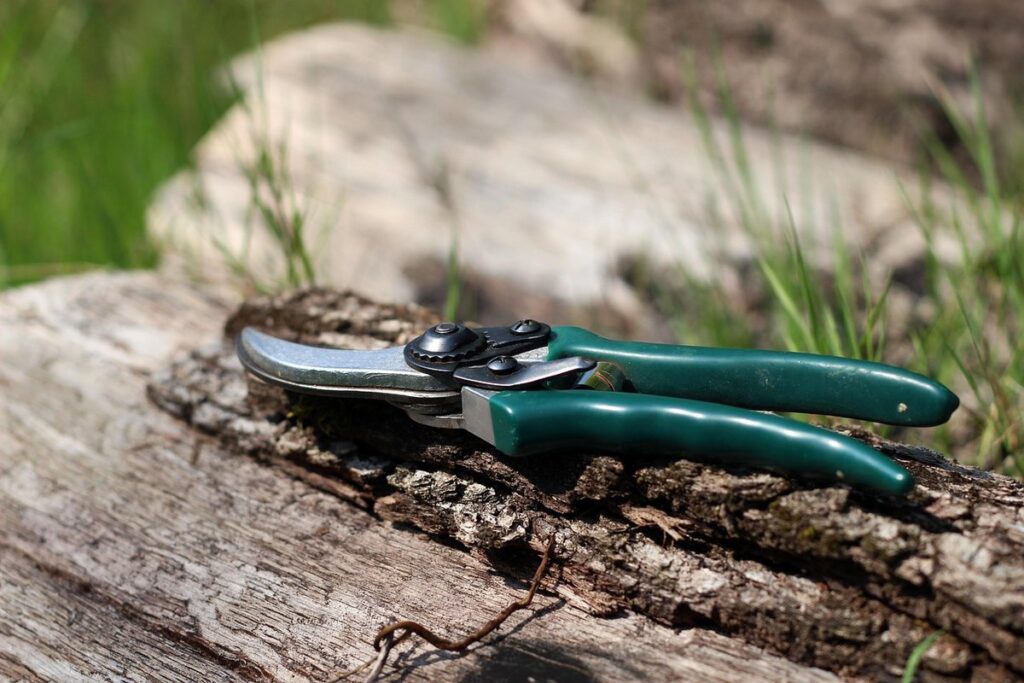
First and foremost, hand pruners are an essential tool for any tomato gardener. They’re perfect for making precise cuts on small branches and stems. Look for pruners with sharp blades and comfortable grips – this will make the pruning process a breeze. When choosing hand pruners, consider the size of your plants: if you have compact varieties, smaller pruners may be sufficient; larger varieties require more substantial tools.
Loppers are also a must-have for tomato pruning. They’re designed for cutting thicker branches and stems that are too large for hand pruners. Make sure to choose loppers with long handles (at least 30 inches) for better leverage and control. Pruning saws, although less common, can be useful for removing larger sections of stem or branch.
Regular maintenance is crucial for your pruning tools. Clean them regularly with soap and water, and sharpen the blades periodically to ensure they remain effective. Proper storage will also extend their lifespan: keep them dry and store them in a designated area to prevent damage from moisture and accidental cuts.
Best Practices for Hand Sanitation and Hygiene
When pruning tomatoes, it’s easy to overlook the importance of hand sanitation and hygiene. However, this oversight can lead to a significant issue: the transmission of diseases between plants through pruning wounds or contaminated tools.
To prevent this from happening, make sure to wash your hands thoroughly before and after handling tomato plants. Use soap and water for at least 20 seconds, paying attention to areas around your nails and between fingers. Dry your hands completely with a clean towel or let them air dry. This may seem like an obvious step, but it’s surprising how often gardeners overlook hand washing.
Additionally, ensure that any tools used for pruning are regularly disinfected. Mix one part bleach with nine parts water in a spray bottle and spray the solution onto your pruners, loppers, or other tools. Let them air dry before using them again. This simple step can help prevent the spread of diseases like bacterial spot, early blight, and fusarium wilt.
By following these hand sanitation practices, you’ll minimize the risk of disease transmission and keep your tomato plants healthy.
Pruning for Pest Control and Disease Prevention
Proper pruning is not just about promoting healthy growth, but also about preventing pests and diseases from taking hold of your tomato plants. Let’s explore how to prune for pest control and disease prevention.
Reducing Stress on Tomato Plants
When we think about pruning tomato plants for pest control and disease prevention, it’s easy to overlook one crucial aspect: reducing stress on the plant itself. Stressed plants are more susceptible to pests and diseases, which can quickly spread and cause significant damage.
Excessive sunlight is a common stress factor that can be mitigated through pruning. By removing lower leaves or reducing the overall height of the plant, you can prevent scorching and promote even growth. This simple technique not only reduces stress but also encourages air circulation, making it harder for diseases to take hold.
Waterlogging and nutrient deficiencies are other stressors that can wreak havoc on your tomato plants. Pruning can help address these issues by promoting a balanced root system and encouraging the plant to focus its energy on healthy growth rather than struggling to survive in poor conditions. By pruning regularly, you can identify and correct any underlying issues before they become major problems.
Removing Weeds and Encouraging Beneficial Insects
When pruning tomato plants, it’s easy to overlook the surrounding area and inadvertently promote weed growth. Weeds can compete with tomatoes for water, nutrients, and sunlight, leading to reduced yields and weakened plants. To remove weeds effectively around tomato plants, start by hand-pulling or digging them up, making sure to remove the entire root system to prevent regrowth. For harder-to-reach areas or large infestations, use a tool like a hoe or cultivator to carefully cut through the weeds.
To encourage beneficial insects that help control pests naturally, create a diverse and welcoming environment around your tomato plants. Plant companion flowers such as marigolds, basil, or nasturtiums, which repel nematodes, whiteflies, and aphids. Leave some areas of the garden untidy to provide shelter for beneficial insects like ladybugs and lacewings. Avoid using broad-spectrum pesticides, which can harm these helpful insects. By taking a few simple steps, you can create a balanced ecosystem that naturally controls pests and promotes healthy tomato growth.
Conclusion: Mastering the Art of Tomato Pruning
Now that you’ve learned how to avoid common pruning mistakes, let’s master the art of tomato pruning by reviewing key takeaways and best practices for a successful harvest.
Recap of Key Takeaways
When caring for your tomato plants, it’s easy to get caught up in the details of pruning and forget some essential practices. To ensure you’re getting the most out of your plant, let’s recap the key takeaways from this article.
Pruning is a crucial step in promoting healthy growth, increasing yields, and preventing disease. Some key pruning practices include:
• Removing lower leaves to prevent fungal diseases and improve air circulation
• Pinching off suckers to direct energy towards fruit production
• Trimming weak or spindly growth to encourage bushy plants
On the other hand, there are several common mistakes to avoid when pruning your tomato plants. These include over-pruning, which can stress the plant and reduce yields, as well as under-pruning, which can lead to disease and pests taking hold.
It’s also essential to prune at the right time – for indeterminate varieties, this is usually around 2-3 sets of leaves from the soil surface. For determinate varieties, pruning should be done earlier in the season.
To put these practices into action, consider keeping a pruning schedule or routine that works for you and your garden. This can help ensure consistency and prevent mistakes. Additionally, observe your plants closely throughout the growing season to identify any areas where pruning may be necessary.
By following these guidelines and avoiding common pruning mistakes, you’ll be well on your way to harvesting healthy, productive tomato plants. Remember: regular pruning is a small investment in time that will yield big rewards in terms of plant health and yields.
Frequently Asked Questions
What if I’ve already pruned my tomato plants incorrectly? Can I still recover and see a healthy harvest?
Don’t worry, it’s not too late to correct past mistakes! Assess the damage, remove any weak or diseased branches, and start fresh with proper pruning techniques. This might mean removing some of the existing growth, but by doing so, you’ll give your plant a second chance at producing a bountiful harvest.
How often should I prune my tomato plants to prevent over-pruning?
Prune your tomato plants regularly, but not too frequently. Aim for 2-3 main pruning sessions: one when they’re seedlings (around 6-8 inches tall), another after the first set of leaves has formed, and a final time when the plant is about 12-18 inches tall. This will help control growth, promote fruiting, and reduce disease susceptibility.
Can I use the same pruning tools for all my tomato plants, or do I need separate equipment?
While it’s tempting to reuse pruning shears, it’s best to have dedicated tools for each plant type. Using shared equipment can spread diseases between plants, especially if you’re dealing with infected plants. Reserve specific tools for indeterminate and determinate varieties to maintain a healthy and disease-free garden.
How do I balance pruning for pest control with over-pruning risks?
Aim for a balanced approach: remove about 20-30% of the plant’s growth at each pruning session. This will encourage bushy growth, reduce stress, and prevent pests from finding shelter in dense foliage. Regularly inspect your plants and prune accordingly to maintain a healthy balance.
What if I don’t have access to gardening gloves? How can I still keep my hands clean while pruning?
While gloves are ideal for protecting your hands, they’re not always necessary. Wear long sleeves and consider using disinfectant wipes to clean your hands between prunings. If you do get a cut or scrape, apply antiseptic cream immediately to prevent infection.