
Are you tired of struggling with overgrown thyme plants that seem to be more weeds than fragrant herbs? Pruning thyme is an essential task for any gardener looking to promote healthy growth, prevent disease, and enjoy a bountiful harvest. But when to prune thyme, and how to do it effectively can be a mystery to many gardeners. In this article, we’ll break down the expert tips on timing, tools, and techniques for pruning thyme like a pro. From understanding the different varieties of thyme to learning how to cut back overgrown stems without causing stress to your plant, we’ve got you covered. Whether you’re a seasoned gardener or just starting out, by the end of this article, you’ll be equipped with the knowledge to prune thyme like a pro and enjoy the best harvests possible.
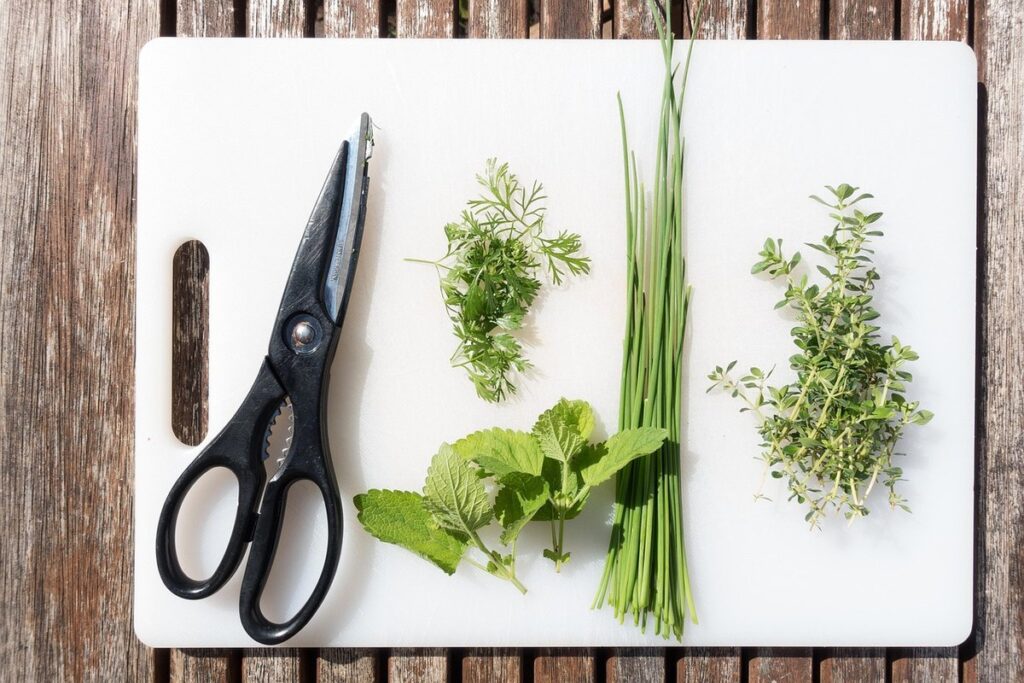
Understanding Thyme’s Pruning Needs
Pruning thyme correctly is crucial for its overall health and productivity, so let’s dive into understanding the specific needs of this versatile herb. This involves identifying the right time to prune and how often to do it.
Why Prune Thyme
Thyme is often regarded as a low-maintenance herb, but regular pruning is crucial to its overall health and well-being. Pruning not only helps maintain the plant’s shape, it also promotes healthy growth by encouraging new stem production and stimulating root development.
When thyme is left unpruned, it can become leggy and less compact, making it more susceptible to disease and pests. Regular pruning helps prevent this issue by removing weak and damaged stems, which in turn reduces the risk of infection and encourages air circulation around the plant.
In addition, pruning thyme promotes bushy growth, which is essential for maintaining its desired shape and preventing it from becoming overgrown. This not only improves the plant’s appearance but also makes harvesting easier, as you can simply snip off the top leaves and stems to use in cooking.
By incorporating regular pruning into your thyme care routine, you’ll be rewarded with a healthier, more productive plant that’s better equipped to resist disease and thrive in its environment.
Identifying the Right Time for Pruning
When it comes to pruning thyme, timing is everything. You want to prune at the right moment to promote healthy growth and prevent disease, but also avoid damaging the plant. The best time to prune thyme depends on several factors, including climate, weather conditions, and the plant’s growth stage.
In general, spring and summer are the ideal times to prune thyme. During these seasons, the plant is actively growing, and pruning will help maintain its shape, promote new growth, and encourage root development. In regions with mild winters, you can also prune in late winter or early spring, just before new growth begins.
In areas with harsh winters, it’s best to prune in early spring, when the threat of frost has passed. Avoid pruning thyme during extreme weather conditions, such as intense heat or drought, as this can cause stress to the plant. As a general rule, prune your thyme plants every 4-6 weeks during the growing season to maintain their shape and encourage new growth.
By pruning at the right time, you’ll be able to enjoy healthy, vigorous thyme plants that are less susceptible to disease and pests.
Tools and Techniques for Pruning Thyme
When it comes to pruning thyme, having the right tools on hand is crucial. From loppers to scissors, we’ll break down the best tools and techniques for a job well done.
Choosing the Right Pruning Tools
When it comes to pruning thyme, having the right tools is essential for effective and healthy growth. The first step is selecting the perfect tool for the job. For most pruning tasks, you’ll need a pair of high-quality pruning shears. Look for sharp blades made from durable materials like stainless steel or titanium. These will make quick work of cutting stems without crushing the plant.
For thicker stems or branches, loppers are a better option. Choose a pair with long handles and sharp blades to minimize strain on your hands and wrists. Loppers can be more expensive than pruning shears, but they’re worth the investment for heavy-duty tasks.
Scissors can also come in handy for delicate work, like pinching off flower buds or trimming small stems. Remember to clean and disinfect all tools after each use to prevent the spread of disease. Store them properly to maintain their sharpness and extend their lifespan. Regular maintenance will ensure your pruning tools remain effective and efficient throughout the growing season.
Basic Pruning Techniques
When it comes to pruning thyme, there are several basic techniques that can help promote healthy growth and prevent disease. First and foremost, cutting back stems is essential for maintaining the plant’s shape and promoting new growth. To do this, simply snip off about one-third of the longest stems using sharp, clean scissors or pruning shears.
Next, remove any dead or damaged leaves to prevent the spread of disease and encourage healthy growth. Inspect your thyme plants regularly and trim off any yellowing or wilted leaves. This will also help maintain the plant’s appearance and prevent it from becoming leggy.
Finally, shaping the plant is an important part of pruning thyme. Use your pruners to gently shape the stems into a desired form, such as a compact ball or a more sprawling habit. Remember to be gentle when handling the delicate stems to avoid causing damage.
By following these basic techniques, you can keep your thyme plants looking their best and encourage healthy growth throughout the season. Regular pruning will also help prevent disease and promote a bountiful harvest of fragrant leaves.
Pruning Methods for Specific Thyme Varieties
When pruning different types of thyme, it’s essential to consider the unique characteristics and growth habits of each variety. Some thymes respond better to severe pruning while others require more gentle trimming.
English Thyme (Thymus serpyllum)
When it comes to pruning English thyme (Thymus serpyllum), you’ll want to focus on maintaining its compact growth habit. This variety tends to spread out quite a bit, so regular pruning is essential to keep it under control.
To shape English thyme, pinch or cut off the tips of stems in late spring or early summer when they reach about 6-8 inches tall. This will encourage branching and prevent legginess. Make clean cuts just above a leaf node using sharp, sterile pruning shears. Remove any weak or spindly growth to direct the plant’s energy towards producing robust, flowering stems.
Keep in mind that English thyme can be quite sensitive to over-pruning, so avoid cutting back more than one-third of the plant at a time. This will help prevent stress and promote healthy regrowth. By pruning regularly and wisely, you’ll be able to maintain your English thyme’s compact shape while encouraging its natural, fragrant blooms.
Lemon Thyme (Thymus x citriodorus)
Lemon thyme (Thymus x citriodorus) has a unique character that requires special attention when it comes to pruning. Its larger leaves and more delicate growth pattern make it vulnerable to over-pruning, which can cause stress and lead to disease. To maintain the fragrance and appearance of lemon thyme, prune it regularly but gently.
When shaping lemon thyme, focus on maintaining its bushy habit by removing any leggy stems or branches that are growing beyond the plant’s natural shape. Cut back these stems to about half their length, making sure to leave at least two sets of leaves on each stem. This will encourage new growth and prevent the plant from becoming leggy.
To promote healthy growth and fragrance, prune lemon thyme in the spring after it has finished flowering. Remove any dead or damaged leaves or stems, and cut back the tips of the branches by about one-third to encourage new leaf growth. This will also help to maintain the plant’s natural shape and prevent it from becoming too leggy.
When pruning lemon thyme, make clean cuts just above a leaf node using sharp, sterile tools to minimize the risk of disease transmission. By following these simple tips, you can keep your lemon thyme looking its best while promoting healthy growth and preventing disease. Regular pruning will also help to control the spread of pests like aphids and spider mites that thrive in dense foliage.
Additional Tips for Successful Pruning
Now that you’ve mastered the basics of pruning thyme, let’s dive into some expert advice to take your skills to the next level and achieve optimal growth. We’ll cover essential tips for successful pruning.
Preparing the Plant Before Pruning
Before you start pruning your thyme plant, it’s essential to prepare it for the process. This involves ensuring the plant is in a healthy state and free from stressors that can make it more susceptible to disease.
First, water your thyme plant thoroughly a day or two before pruning. This will help to plump up the leaves and make them easier to cut without tearing. Next, inspect the soil for any signs of nutrient deficiencies or compacted soil, which can hinder the plant’s ability to grow new shoots after pruning. If necessary, fertilize your thyme with a balanced, water-soluble fertilizer to give it an extra boost.
Remove any weeds that may be competing with your thyme for resources, as they can drain valuable nutrients from the soil. Also, prune or trim back any nearby plants that may be shading your thyme and inhibiting its growth. By addressing these basic needs, you’ll be able to prune your thyme more effectively, promoting healthy growth and minimizing the risk of disease.
After-Pruning Care
After pruning your thyme, it’s essential to provide proper care to ensure its continued health and productivity. Extreme temperatures can be detrimental to thyme, so protect the plant from frost damage by bringing it indoors during winter months or mulching around the base of the plant to insulate the roots.
Regularly inspect your thyme for pests like spider mites, mealybugs, and scale, which can thrive in the moist environment created by pruning. Use neem oil or insecticidal soap to control infestations, and maintain good air circulation around the plant to prevent pest buildup.
Prevent disease by keeping the area around the thyme clean and free of debris, as fungi often spread through damp soil and dead plant matter. Regularly water your thyme in the morning, allowing the plants to dry out slightly before nightfall, to reduce the risk of root rot and other moisture-related issues. By providing proper after-pruning care, you’ll be well on your way to maintaining a healthy and thriving thyme plant that will reward you with plenty of fragrant foliage and flavorful blooms.
Common Mistakes to Avoid When Pruning Thyme
When pruning thyme, it’s easy to make mistakes that can harm your plant, so let’s cover some common pitfalls to avoid in order to keep your thyme healthy and thriving.
Over-Pruning
When pruning thyme, it’s easy to get carried away with removing dead or damaged stems. However, over-pruning can have serious consequences for the plant’s health and productivity. Reduced growth is one of the most noticeable effects of over-pruning, as the plant may struggle to produce new shoots and foliage.
This can lead to increased susceptibility to disease, as the plant’s natural defenses are weakened. Pests such as spider mites, mealybugs, and scale insects may also take advantage of a stressed thyme plant. Furthermore, over-pruning can result in decreased yields, as the plant focuses its energy on producing new growth rather than developing flavorful leaves.
To strike a balance between pruning for shape and promoting healthy growth, simply remove no more than one-third of the plant’s stems at any given time. This will encourage new growth while maintaining the plant’s overall structure. Additionally, prune thyme in the spring or early summer when it’s actively growing, rather than during its dormant period. By being mindful of your pruning habits, you can enjoy a thriving and productive thyme garden for years to come.
Under-Pruning
When it comes to pruning thyme, it’s easy to err on the side of caution and leave too much foliage intact. However, under-pruning can have serious consequences for the health and productivity of your plants. One of the most significant risks is unchecked growth, which can lead to a dense and sprawling plant that’s more susceptible to disease.
As thyme grows unpruned, it can become congested, making it difficult for air to circulate around the leaves. This creates an ideal environment for fungal diseases like root rot and leaf spot to take hold. Moreover, overgrown thyme plants can be overwhelming, making them difficult to manage and harvest.
So, how do you know when your thyme needs more extensive pruning? Look for signs of overcrowding, such as stems growing inwards or outwards, rather than upwards. Also, check for a lack of air circulation between the leaves, which can cause moisture to become trapped and lead to disease. If you notice any of these symptoms, it’s time to prune your thyme more aggressively, taking care to remove no more than one-third of the plant at a time to avoid shocking it.
Conclusion
Now that you’ve learned how to prune thyme effectively, let’s summarize the key takeaways from our comprehensive guide and provide a final check-in on your thyme care journey.
Recap of Key Takeaways
Regular pruning is essential for maintaining a healthy, productive thyme plant. By following the steps outlined in this comprehensive guide, you can promote lush growth, prevent disease, and enjoy an abundance of fragrant leaves throughout the growing season.
To recap, we’ve covered the importance of timing, with spring being the ideal time to prune thyme, allowing for new growth and preventing the spread of diseases that thrive in moist conditions. We also discussed the benefits of pruning techniques, including pinching, shearing, and tip-pruning, which help control shape, promote bushy growth, and encourage root development.
Don’t forget to remove any dead or damaged stems, as these can harbor pests and diseases, potentially spreading to the rest of the plant. By incorporating regular pruning into your thyme care routine, you’ll be rewarded with a thriving, fragrant herb that’s ready for harvest at a moment’s notice. Remember to prune regularly throughout the growing season to maintain your thyme plant’s optimal health and productivity.
Final Tips and Recommendations
As you’ve made it through this comprehensive guide on pruning thyme, we hope you’re now equipped with the knowledge to promote healthy growth and prevent disease in your herb garden. To take your thyme pruning skills to the next level, consider these final tips and recommendations:
Regularly inspect your thyme plants for signs of overgrowth or disease, and prune them accordingly. This will help maintain their shape, promote air circulation, and prevent fungal diseases from taking hold. Keep in mind that over-pruning can be just as detrimental as under-pruning, so be mindful of the plant’s overall health when making cuts.
For those looking to delve deeper into thyme care, we recommend consulting with a local nursery or gardening expert for personalized advice. Additionally, consider exploring online forums and gardening communities where you can connect with other thyme enthusiasts and share tips and experiences. Some recommended resources include the National Gardening Association’s guide to herb care and the Royal Horticultural Society’s advice on pruning herbs. By continuing to learn and adapt your pruning techniques, you’ll be well on your way to growing a thriving and healthy thyme garden.
Frequently Asked Questions
Can I prune thyme during the winter months?
Yes, you can prune thyme during the winter months to maintain its shape and promote healthy growth when it’s not actively producing new stems. This is a good time for dormant pruning, where you trim back any dead or damaged leaves to prepare the plant for spring.
How often should I water my thyme after pruning?
Thyme requires less watering after pruning as the roots have been stimulated during the pruning process. Water your thyme sparingly but deeply once a week during the first few weeks after pruning, gradually reducing the frequency over time.
What are some common mistakes to avoid when pruning thyme for beginners?
Beginners often make the mistake of over-pruning their thyme, which can cause stress and potentially lead to disease. Start with gentle trimming, removing only about one-third of the plant’s foliage at a time, allowing the plant to recover between prunings.
Can I use regular gardening scissors or do I need specialized pruning tools?
While regular gardening scissors will work for minor pruning tasks, investing in dedicated pruning shears can make the process easier and more efficient. Pruning shears have curved blades that allow for smooth cutting of stems without crushing them.
How long does it take to see noticeable results after pruning thyme?
With proper care and attention, you should start noticing a significant improvement in your thyme’s growth and productivity within 6-8 weeks after pruning. As new stems emerge, the plant will become more compact, healthy, and fragrant, making it easier to maintain.