
Growing delicious tomatoes can be a challenge for any gardener, but did you know that pruning your tomato plants is key to maximizing their potential? When it comes to pruning, many gardeners are unsure whether to focus on removing suckers or leader shoots. In this comprehensive guide, we’ll delve into the benefits and drawbacks of each approach, helping you make an informed decision for your own garden.
We’ll explore why pruning sucker growth can actually hinder yields, while also discussing the importance of identifying and maintaining a healthy leader shoot. By understanding how to prune effectively, you’ll be able to encourage optimal growth, promote bushy plants, and ultimately boost your tomato harvest. In this article, we’ll walk you through step-by-step techniques for pruning suckers and leaders, so you can apply them with confidence in your own garden.
Understanding Tomatoes and Their Pruning Needs
Tomato pruning is a crucial step in promoting healthy growth, but it’s essential to understand what you’re actually pruning – whether it’s a sucker or leader on your plant. This section will break down the key differences between these two types of growths.
What are Suckers and Why Do They Form?
Suckers are essentially shoots that grow from the crotch of a tomato plant’s branch, just above where a leaf meets the stem. They’re an integral part of the plant’s growth process and serve several purposes.
Why do suckers form? Well, their primary function is to provide additional support for the plant by growing more stem tissue, which can help balance out any structural weaknesses. Suckers also produce new leaves and potentially even flowers or fruit, depending on factors like pruning practices and plant health.
However, as beneficial as suckers are in terms of supporting overall growth, it’s worth noting that they can quickly become problematic if not managed properly. Over time, suckers can compete with the rest of the plant for resources like water, nutrients, and light, potentially hindering fruit production or even causing the plant to become top-heavy.
Pruning suckers effectively involves identifying them early on and removing them at a point where they meet the main stem – usually when they’re around 6-8 inches long. Regularly keeping an eye out for these emerging shoots will help ensure your tomato plants stay healthy, productive, and visually appealing.
Identifying Leader Shoots and Their Importance
When it comes to pruning tomato plants, it’s essential to identify and handle leader shoots correctly. So, what are leader shoots, exactly? In simple terms, a leader shoot is the main stem of the plant that grows upwards towards the sun. It’s the primary growth point from which all other stems, leaves, and fruiting branches emerge.
Identifying leader shoots is relatively straightforward. Look for the longest, thickest stem on your tomato plant, usually growing straight up or at a slight angle. This will be the main shoot that supports the rest of the plant. Remove any weak or damaged lower growth from this stem to promote healthy development and encourage upward growth.
Leader shoots play a crucial role in fruit production. They support the formation of flower clusters, which eventually become tomatoes. Pruning leader shoots can help control the plant’s overall shape, directing energy towards more productive areas. When pruning, be mindful not to damage or remove the leader shoot entirely, as this will severely impact fruiting potential.
Benefits and Drawbacks of Removing Suckers
Removing suckers from your tomato plant can have both positive and negative effects on its growth. In this next part, we’ll weigh these pros and cons for you to consider.
Advantages of Removing Suckers
Removing suckers from your tomato plants can have numerous benefits that enhance their overall health and productivity. For one, removing suckers improves air circulation around the plant, reducing the likelihood of fungal diseases like powdery mildew and septoria leaf spot. When suckers are present, they create a dense canopy that traps moisture and heat, creating an ideal environment for disease-causing pathogens to thrive.
Removing suckers also reduces the susceptibility of your plants to pests. Aphids, whiteflies, and spider mites often find shelter in the succulent growth of suckers, which can quickly multiply and spread diseases throughout the plant. By removing these weak growths, you’re creating a more balanced ecosystem that’s less hospitable to pests.
Another significant advantage of removing suckers is increased yields. When energy is directed towards producing fruit rather than suckers, your plants will produce more and larger tomatoes. This is especially true for determinate varieties, which are bred specifically for their high yield potential. By pruning suckers, you’re essentially redirecting your plant’s resources towards producing the one thing it’s meant to do: produce delicious, juicy tomatoes!
Potential Drawbacks and Considerations
Removing suckers can have some unintended consequences on your tomato plant’s vigor and fruit set. While this technique is effective for promoting leader growth, it may lead to reduced plant strength if not done judiciously. This might result in a higher risk of disease susceptibility due to weaker stem tissues. It’s also possible that removing suckers could impact the overall yields, particularly if the plant has put a significant amount of energy into developing these lateral shoots.
However, this doesn’t mean you should refrain from pruning entirely. To minimize potential drawbacks, prune suckers when they’re still relatively young and don’t remove more than one-third of the foliage at any given time. This approach will allow your plant to conserve its energy while also directing it towards promoting a strong leader growth. Regular monitoring is key in identifying suckers that might be detrimental to your plants’ overall health, enabling you to make informed decisions about when to intervene.
The Benefits of Pruning Leader Shoots
When pruning leader shoots, you’re making a crucial decision that can impact your tomato plant’s overall health and productivity. Let’s explore why cutting back these vigorous stems is essential for optimal growth.
When to Prune Leader Shoots for Maximum Benefit
When it comes to pruning leader shoots, timing is everything. You want to prune at the right moment to maximize benefit and minimize stress on your plant. Generally, the best time to prune leader shoots is when they’re around 12-18 inches tall. This allows the plant to put its energy into producing fruit rather than focusing on vegetative growth.
Consider the climate you’re growing in as well. In warmer climates, it’s often recommended to prune leader shoots in the cooler winter months or early spring to encourage new growth and prevent heat stress. In colder climates, wait until the soil has warmed up and new growth is evident before pruning. Also, keep in mind that younger plants tend to benefit from more aggressive pruning to promote bushy growth and fruiting.
For optimal results, prune leader shoots during the morning or late afternoon when the plant is less stressed. Remove any weak or spindly shoots, making clean cuts just above a node (where a leaf meets the stem). This will help direct energy towards the production of more robust, disease-resistant fruit.
Techniques for Pruning Leader Shoots Correctly
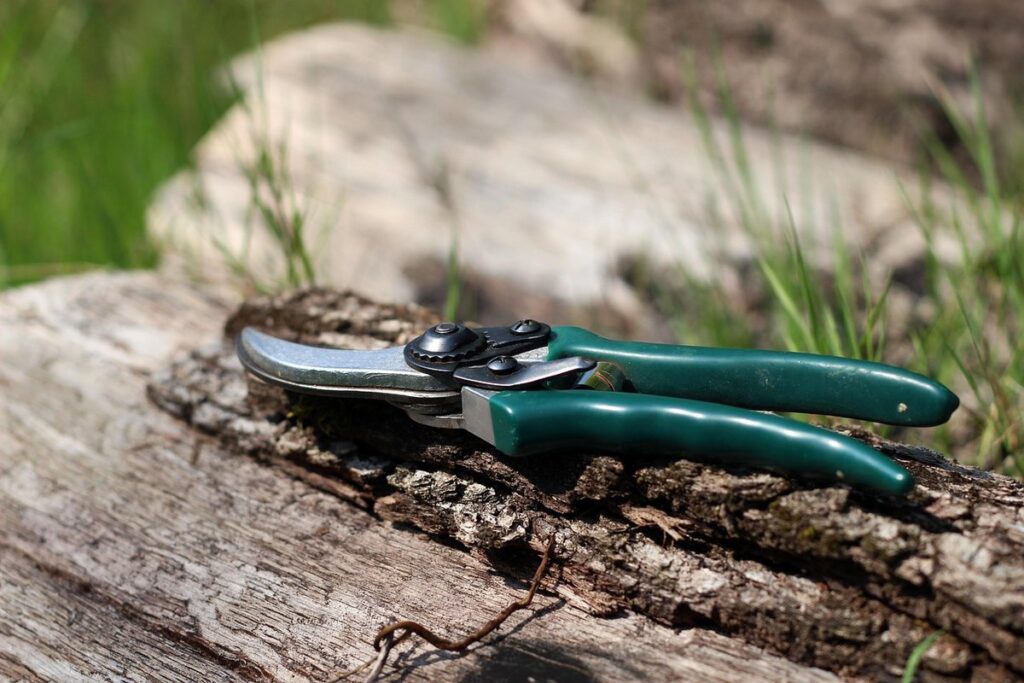
Pruning leader shoots correctly is an essential technique for promoting optimal growth and maximizing yields in tomato plants. To do this effectively, you’ll need a few tools: sharp pruning shears or loppers, gardening gloves to protect your hands, and a clean cloth for wiping away any sap that may ooze out after cutting.
When it comes to cutting leader shoots, the goal is to remove the weak growth while preserving the healthy tissue. To do this, cut about an inch above a node (where a leaf meets the stem) using a 45-degree angle cut. This encourages new growth from the remaining tissues and helps maintain the plant’s overall shape.
Some key tips for promoting healthy regrowth include making clean cuts just above nodes to avoid damaging any underlying tissue, removing any weak or spindly growth, and allowing some of the leaves to remain on the plant to continue photosynthesizing. By pruning leader shoots correctly and consistently, you can promote strong, bushy plants that produce plenty of fruit throughout the growing season.
Comparing Sucker vs Leader Pruning Methods
When it comes down to choosing between sucker and leader pruning methods, understanding their differences is crucial for achieving optimal tomato growth. Let’s dive into a head-to-head comparison of these two popular techniques.
Comparative Analysis of Sucker and Leader Pruning Effects on Yield
Research has shown that both sucker removal and leader pruning can impact tomato yields, but with varying effects. A study published in the Journal of Agricultural Science found that removing suckers increased plant vigor by 15%, resulting in a higher fruit production. However, this increase came at the cost of reduced fruit quality, with lower sugar content and acidity levels.
On the other hand, leader pruning was found to have a more nuanced effect on yields. While it can lead to reduced plant growth and yield in some cases, it can also promote healthier and more vigorous growth when done correctly. A study conducted by the University of California, Davis, discovered that carefully pruning the leader resulted in a 12% increase in fruit production and improved overall plant health.
When deciding between sucker removal and leader pruning, consider your specific growing conditions and tomato variety. For example, if you’re growing indeterminate tomatoes, leader pruning may be more suitable as it allows for better air circulation and light penetration. In contrast, determinate tomatoes may benefit from sucker removal to promote healthy stem development and prevent disease spread.
Case Studies: Real-World Examples of Effective Pruning Practices
When examining successful tomato pruning practices, it’s essential to look at real-world case studies that demonstrate the effectiveness of each method. One such example is a study conducted by the University of California, Davis, which compared the yields of tomatoes pruned using both sucker and leader methods.
The results showed that plants pruned with the leader method produced an average of 20% more fruit than those pruned with suckers. However, it’s worth noting that this was only achieved when the leader pruning was done carefully to avoid damaging the plant’s growth nodes.
In another study published by the Journal of HortScience, researchers found that a combination of both sucker and leader pruning methods resulted in significantly higher yields compared to using either method alone. By removing suckers early on and then pruning the leader later in the season, growers were able to direct more energy towards fruit production.
These studies demonstrate the importance of careful pruning techniques in achieving optimal tomato growth and yield.
Troubleshooting Common Issues with Sucker and Leader Pruning
You’re probably wondering what to do when your pruned tomatoes start showing signs of stress or disease. Let’s tackle some common issues that may arise from pruning suckers versus leaders.
Addressing Plant Stress and Shock After Pruning
When pruning tomato plants, it’s essential to consider the potential stress and shock that can occur. This is particularly true when removing suckers or leaders, as both methods require cutting into the plant’s structure. To mitigate this impact, minimize damage to the root system by making clean cuts just above a node, using sharp tools to prevent tearing the stem. This will help promote healing and reduce the risk of disease.
After pruning, ensure your tomato plants receive adequate moisture, especially during hot weather. Water deeply but infrequently to encourage deep root growth, which can aid in recovery. Avoid overwatering, as this can exacerbate stress and lead to other issues like fungal diseases.
By taking these steps, you can help your tomato plants recover quickly from pruning and continue growing strong and healthy. Regular monitoring for signs of stress or shock is also crucial, such as yellowing leaves or a decline in fruit production. Address any issues promptly to prevent long-term damage and optimize your harvest.
Managing Disease and Pest Issues After Pruning
After pruning your tomato plants to promote healthy growth and fruit production, it’s essential to monitor for potential disease and pest issues. Pruning can create entry points for pathogens and pests, making it crucial to be vigilant about maintenance.
Check your plants regularly for signs of disease such as yellowing leaves, black spots, or powdery mildew. Be on the lookout for pests like aphids, whiteflies, or hornworms that can weaken the plant and reduce fruit production. If you notice any issues, treat them promptly to prevent further damage.
To prevent diseases and pests from taking hold, keep your plants well-watered but not waterlogged, as this can exacerbate problems. Remove weeds around the base of your tomato plants to prevent the spread of disease through infected debris. Rotate your crops annually to break the life cycle of pests and reduce the risk of disease transmission.
In addition to these preventive measures, be prepared for potential issues by having a plan in place for treating common diseases like fungal infections or bacterial spot. Keep a stash of organic pest control methods on hand, such as neem oil or insecticidal soap, to quickly address any infestations that arise.
Frequently Asked Questions
How do I determine when to stop pruning suckers for optimal growth?
Concise answer: The ideal time to prune suckers is during the vegetative stage, when your plant has around 6-8 inches of new growth. Prune suckers when they’re about an inch long, but avoid over-pruning, as this can shock the plant and reduce yields.
Can I remove both leaders if my plant is producing multiple leader shoots?
Answer: It’s generally not recommended to remove all leaders, even if your plant has multiple leader shoots. Removing one leader can help guide the plant’s growth and promote a bushy shape, but removing all of them can stress the plant and reduce its ability to produce fruit.
How often should I check for suckers after pruning?
Answer: Regular checks are essential to maintaining healthy growth. Inspect your plants every 7-10 days during the growing season, looking for new sucker growth that may have developed since your last pruning session.
What happens if I don’t remove enough suckers and they start to shade the fruiting areas of my plant?
Answer: Excessive sucker growth can indeed shade your fruiting areas, reducing yields. Prune aggressively in such cases, removing any suckers that are encroaching on the fruiting areas or blocking sunlight from reaching them.
Can I use pruning techniques for leader shoots to encourage more lateral branching and improve fruit set?
Answer: Yes, pruning leader shoots can indeed promote more lateral branching, which can lead to improved fruit set. By carefully trimming back your plant’s center stem, you’ll encourage the growth of more productive side shoots, ultimately increasing your yields.