
Are you ready to unlock the secrets of growing luscious, disease-free tomatoes in your raised bed garden? Choosing the right variety and calculating perfect plant spacing can be a daunting task, but don’t worry, we’ve got you covered. In this article, we’ll share expert tips on how to achieve a bountiful harvest in your raised bed garden. We’ll cover the essential steps of selecting the ideal tomato variety for your space, determining the optimal spacing between plants, and troubleshooting common issues that might hinder your crop’s growth.
Whether you’re a seasoned gardener or just starting out, this guide will provide you with all the information you need to grow juicy, healthy tomatoes in your raised bed garden. By following our simple yet effective tips, you’ll be well on your way to enjoying a bumper harvest of delicious homegrown tomatoes. So, let’s get started and explore the world of tomato spacing for raised bed gardens!
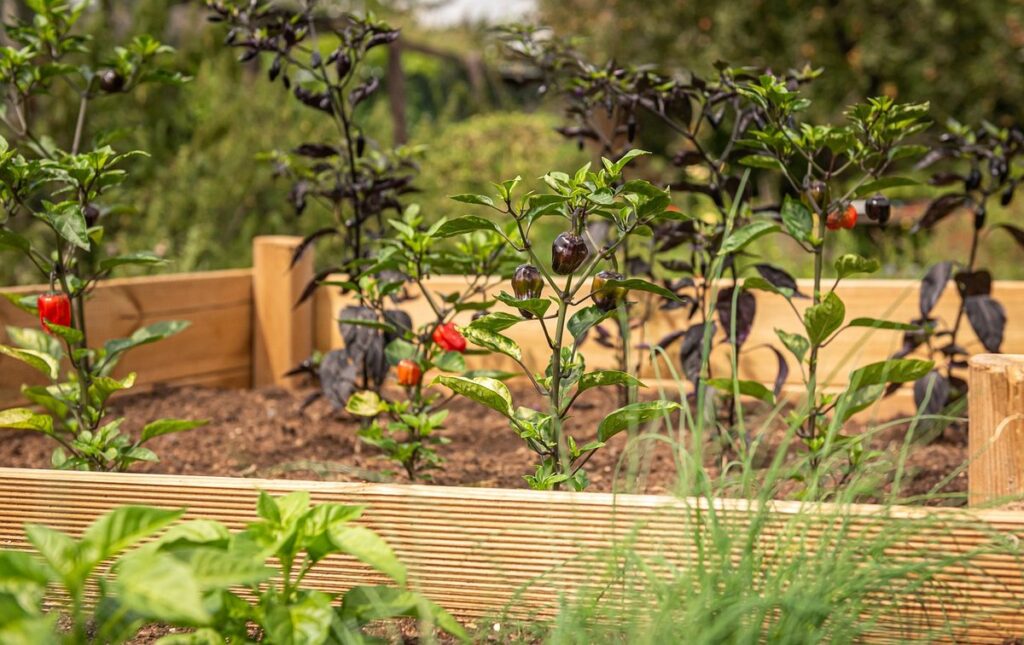
Understanding Raised Bed Gardens and Tomato Spacing
When planning a raised bed garden, it’s essential to consider how you’ll fit your tomato plants into the grid while maximizing space and promoting healthy growth. Let’s dive into some key considerations for raised bed grids and optimal tomato spacing.
Benefits of Raised Beds for Tomatoes
When growing tomatoes in raised bed gardens, you can reap numerous benefits that contribute to a bountiful harvest. For one, raised beds provide excellent drainage, which is crucial for preventing waterlogged soil and root rot – common issues tomato plants are prone to. By allowing excess water to drain quickly, your plants’ roots stay healthy and strong.
Another advantage of raised beds is the warmer soil temperatures they offer. Tomato plants thrive in soil temperatures between 60°F and 70°F (15°C to 21°C), which is often achieved with raised beds due to their increased exposure to sunlight. This warmth encourages root growth, leading to healthier plants that are more resistant to disease.
Raised bed gardens also improve accessibility for your plants, making it easier to tend to them throughout the growing season. By building the bed at a comfortable height, you can avoid bending and straining – common hazards when working with traditional in-ground gardens. With raised beds, you’ll have better control over soil quality, moisture levels, and sunlight exposure, ultimately leading to healthier tomato plants that produce more fruit.
Common Mistakes in Tomato Spacing
When it comes to tomato spacing in raised bed gardens, many gardeners make common mistakes that can impact the overall health and productivity of their plants. One of the most significant errors is overcrowding, which occurs when too many tomato seedlings are planted in a small area.
Overcrowding can lead to reduced air circulation, increased disease susceptibility, and competition for water and nutrients among the plants. For example, if you plant tomatoes too close together, the foliage may touch or overlap, creating an environment conducive to fungal diseases like powdery mildew and early blight.
On the other hand, under-planting is also a common mistake, where not enough tomato seedlings are planted in the raised bed garden. This can result in uneven fruit production, as some plants may become too dominant while others struggle to thrive.
To avoid these mistakes, it’s essential to plan your tomato spacing carefully before planting. A general rule of thumb is to plant tomatoes 18-36 inches apart, depending on their variety and growth habits. Be sure to leave enough space between rows for easy access and maintenance, as well as for pruning and training the plants to promote healthy growth and fruiting.
Determining the Right Tomato Variety and Spacing
When choosing a raised bed grid, selecting the right tomato variety is crucial to ensure optimal growth. Next, we’ll explore how to determine the ideal spacing for your chosen tomatoes.
Choosing the Right Tomato Variety for Your Space
When selecting a tomato variety for your raised bed garden, it’s essential to consider their growth habits and space requirements. Different types of tomatoes have unique characteristics that impact their performance in a grid planting system.
For instance, cherry tomatoes are compact and produce small fruits, making them ideal for tight spaces and container gardens. They grow to about 2-3 feet tall and can be planted as close as 12 inches apart. On the other hand, beefsteak and Roma tomatoes require more space due to their larger size and sprawling growth habits.
Consider the mature height of the variety when planning your grid layout. Beefsteak tomatoes can reach up to 6 feet in height, while Roma tomatoes typically grow to around 4-5 feet tall. Take into account the spread of the plants as well, with some varieties requiring additional support or pruning to maintain optimal growth.
Keep in mind that smaller varieties often produce more fruit per square foot than larger ones. By choosing a compact variety like cherry or patio tomatoes, you can maximize your harvest while minimizing space requirements. Research different types and their specific needs before making a selection for your raised bed garden.
Calculating Proper Plant Spacing Based on Growth Habits
When it comes to determining the ideal spacing between tomato plants, understanding their growth habits is crucial. This is because different varieties have unique characteristics that affect how they spread out and grow.
Indeterminate tomatoes are vigorous growers that require a lot of space as they produce multiple stems and continue to grow throughout the season. For these plants, it’s best to provide at least 3-4 feet between each plant in the raised bed grid. This allows for easy air circulation and makes it simpler to support the heavy fruiting branches.
Determinate tomatoes, on the other hand, are compact growers that produce all their fruit on a single stem. They require less space than indeterminates, with a minimum of 2-3 feet between each plant. Semi-determinate varieties fall somewhere in between these two types, requiring around 2-4 feet of space.
To make it easier to determine the right spacing for your tomato plants, you can look for this information on the seed packet or consult with local nurseries and gardening experts. By providing the right amount of space for your tomato variety, you’ll be able to ensure optimal growth and a bountiful harvest in your raised bed grid.
Creating an Optimal Raised Bed Grid Layout
Now that we’ve covered the basics of tomato spacing, it’s time to dive into creating a grid layout that will maximize your yield and minimize waste. We’ll walk you through the process of designing an optimal raised bed grid layout.
Designing Your Raised Bed for Efficient Use of Space
When designing your raised bed grid layout, it’s essential to strike a balance between maximizing space and ensuring proper air circulation and sunlight penetration. A well-designed layout will not only promote healthy plant growth but also make the most of your available space.
To begin with, consider the mature size of your tomato plants. Most indeterminate varieties can grow up to 3-4 feet tall, while determinate varieties typically reach around 2-3 feet in height. Leave at least 18-24 inches between each plant to allow for adequate air circulation and sunlight penetration.
A good rule of thumb is to space your tomato plants in a grid pattern, with rows running north-south and columns running east-west. This allows for even sunlight distribution and reduces the risk of disease transmission through moisture droplets carried by the wind. As you plan your layout, consider companion planting techniques, such as pairing tomatoes with basil or mint, which can help repel pests and improve growth.
By carefully designing your raised bed grid layout, you’ll be able to optimize space while promoting healthy tomato plants that thrive in their optimal environment.
Incorporating Companion Planting for Better Yield
Companion planting is an age-old technique that can significantly enhance your raised bed garden’s productivity. By pairing plants with tomatoes, you can create a harmonious ecosystem that deters pests, improves soil health, and boosts crop yields. For instance, basil repels whiteflies and aphids, while marigold flowers deter nematodes, which can harm tomato roots.
Incorporating beneficial plants into your raised bed grid layout is easier than you think. Consider adding some of these easy-to-grow companions alongside your tomatoes: oregano, thyme, garlic chives, or nasturtiums. These plants not only repel pests but also attract pollinators and other beneficial insects.
To get started, allocate about 20-30% of your raised bed space to companion plants. For example, if you have a 4×8 foot raised bed, reserve one corner for basil or marigold flowers. This way, you can enjoy the benefits of companion planting without sacrificing precious tomato-growing real estate. By incorporating these beneficial plants into your grid layout, you’ll create a thriving ecosystem that supports healthy growth and robust yields.
Tips for Successful Tomato Plant Growth
To ensure your tomato plants thrive, follow these expert tips on pruning, training, and providing support to promote optimal growth in a raised bed grid. By implementing these habits, you’ll be rewarded with a bountiful harvest!
Soil Preparation for Optimal Nutrient Uptake
When preparing soil for optimal nutrient uptake, it’s essential to consider three critical factors: pH levels, nutrient content, and organic matter addition. Most tomato varieties prefer a slightly acidic to neutral soil pH between 6.0 and 7.0. If your raised bed grid’s soil pH is outside this range, test it using a DIY kit or send a sample to a lab for analysis.
Nutrient content is equally crucial. Tomatoes are heavy feeders, requiring adequate amounts of nitrogen (N), phosphorus (P), potassium (K), and other micronutrients. A balanced fertilizer applied in the spring and again after fruiting can help support robust growth. To boost nutrient levels naturally, incorporate 2-3 inches of compost or well-rotted manure into the soil before planting.
Adding organic matter like mulch or cover crops also enhances soil fertility. Mulch retains moisture, suppresses weeds, and regulates temperature, while cover crops like legumes add nitrogen and improve soil structure. By combining these strategies, you’ll create an optimal environment for your tomato plants to thrive.
Irrigation Strategies for Consistent Moisture Levels
Maintaining consistent moisture levels is crucial for optimal tomato plant growth. When using raised bed grids for growing tomatoes, it’s essential to implement an efficient irrigation strategy to prevent overwatering and underwatering. Two popular methods for achieving consistent moisture levels are drip irrigation and soaker hoses.
Drip irrigation delivers water directly to the roots of each plant through a network of tubes and emitters. This method is particularly effective in raised beds as it reduces evaporation, runoff, and soil erosion. For example, you can install a drip irrigation system that supplies exactly 1 gallon of water per hour to each tomato plant. You can also use a timer to regulate the flow of water.
Soaker hoses are another efficient way to maintain consistent moisture levels in raised beds. These porous hoses release water slowly along their length as they absorb it, allowing for uniform watering of multiple plants at once. By burying soaker hoses alongside your tomato plants, you can ensure that each plant receives the right amount of water without overwatering or underwatering nearby plants.
Managing Tomato Plants Throughout Their Life Cycle
As you nurture your tomato plants, it’s essential to know how to manage their growth and health throughout each stage of development. This involves pruning, training, and monitoring for pests and diseases.
Pruning and Training for Maximum Yields
As your tomato plants grow and thrive in their raised bed grid, it’s essential to prune and train them properly to maximize yields. Pruning involves removing certain parts of the plant to promote healthy growth, increase fruit production, and prevent disease.
When pruning, start by removing lower leaves that touch the soil to prevent rot and diseases from spreading upwards. Next, remove any weak or spindly growth, as well as suckers (shoots that grow between the main stem and branches) to direct the plant’s energy towards fruiting. Cut back leggy stems to about two feet long to encourage bushy growth and more even fruit distribution.
To train your tomato plants, use tomato cages or trellises to provide support and keep the plant upright. You can also prune branches to grow along a specific direction, such as a fence or arbor, making it easier to harvest the fruits without damaging the plant.
Regular pruning and training will help maintain air circulation around the plant, reducing the risk of fungal diseases that thrive in humid environments. By doing so, you’ll enjoy healthier plants with greater yields and more beautiful tomatoes throughout the season.
Pest Management Strategies for Healthy Plants
When it comes to growing healthy tomato plants in raised bed grids, managing pests is an essential aspect of plant care. Tomato plants are susceptible to various pests that can cause significant damage if left unchecked. Some common pests that target tomatoes include hornworms, aphids, and whiteflies.
To manage these pests effectively, adopt integrated pest management (IPM) strategies. Start by inspecting your plants regularly for signs of infestation, such as holes in leaves or stems, yellowing leaves, or sticky honeydew droplets. Use physical barriers like fine mesh or fine netting to prevent pests from reaching your plants.
For severe infestations, use targeted pesticides like Bt (Bacillus thuringiensis) or neem oil to control hornworms and aphids. Keep in mind that chemical pesticides can harm beneficial insects and contaminate soil. Practice crop rotation and maintain a diverse garden ecosystem to promote beneficial insects that prey on pests.
To further reduce pest pressure, focus on creating a healthy environment for your tomato plants. Ensure proper air circulation, adequate water supply, and optimal sunlight exposure. By adopting these IPM strategies and maintaining a balanced garden ecosystem, you can enjoy a thriving crop of healthy tomatoes in your raised bed grid.
Troubleshooting Common Issues in Raised Bed Tomatoes
Don’t let poor growing conditions ruin your tomato harvest – we’ll walk you through common issues and solutions for raised bed tomatoes that just won’t thrive.
Identifying and Addressing Common Problems
When growing tomatoes in raised beds, it’s not uncommon for gardeners to encounter common problems that can affect their yields and overall plant health. By identifying these issues early on, you can take corrective action to prevent further damage and ensure a successful harvest.
One of the most prevalent issues is blossom end rot (BER), caused by calcium deficiency or fluctuating soil moisture levels. This condition leads to brown spots on the fruit’s underside, rendering it inedible. To address BER, maintain consistent soil moisture levels, and consider applying a balanced fertilizer that includes calcium.
Fungal diseases like early blight and septoria leaf spot can also affect raised bed tomatoes. These diseases thrive in humid environments and can be spread through contaminated water or infected plants. Practice good garden hygiene by removing weeds and debris, which can harbor fungal spores. Regularly inspect your plants for signs of disease and isolate any affected areas to prevent further spread.
Monitor your tomato plants closely, and take prompt action if you notice any issues. By doing so, you can minimize the impact on your yields and enjoy a bountiful harvest from your raised bed tomatoes.
Solutions for Overcoming Common Challenges
When faced with common challenges like pest infestations or inconsistent moisture levels, it’s essential to have a plan in place to overcome them. One simple solution is to adjust your watering schedule. By monitoring the soil moisture and adjusting the frequency of watering, you can prevent overwatering, which can lead to fungal diseases that are detrimental to tomatoes.
Another approach is to use organic pest control methods. For instance, introducing beneficial insects like ladybugs or lacewings can help control aphid populations naturally. You can also try using neem oil or insecticidal soap to repel pests without harming the environment.
In some cases, issues with fungal diseases may require more drastic measures. Removing affected plants and disinfecting the soil with a solution of baking soda and water can help prevent the spread of disease. By taking proactive steps like these, you can minimize the impact of common challenges and ensure your raised bed tomatoes thrive.
Conclusion: A Well-Planned Raised Bed Tomato Garden
Now that you’ve learned how to plan a raised bed grid for your tomatoes, let’s recap the key takeaways and tips from this guide. Here are some final thoughts on creating a thriving tomato garden.
Recap of Key Takeaways
As we wrap up our exploration of tomato spacing in raised bed grids, let’s take a moment to recap the key takeaways from this article. Proper planning and execution are crucial when growing tomatoes in raised bed gardens, and by following these guidelines, you’ll be well on your way to a bountiful harvest.
First and foremost, we discussed the importance of selecting the right tomato variety for your space. Some compact or dwarf varieties can thrive in as little as 12-18 inches of space, while others require more room to grow. Consider your available space and choose varieties that fit accordingly to avoid overcrowding and ensure optimal growth.
We also explored the concept of square-foot gardening, where you divide your raised bed into smaller sections using a grid system. This allows for efficient use of space and facilitates companion planting. By dedicating specific areas to tomatoes, you can create a balanced ecosystem within your garden that promotes healthy growth and minimizes pests and diseases.
Another critical aspect we covered was the ideal spacing between tomato plants in a raised bed grid. As a general rule of thumb, plant indeterminate varieties 2-3 feet apart, while determinate varieties require about 18-24 inches of space. Don’t forget to leave enough room for air circulation and easy access for pruning and harvesting.
To put these guidelines into practice, remember to plan your layout carefully before planting. Use a ruler or measuring tape to ensure accurate spacing, and don’t be afraid to adjust as needed. With attention to detail and a little creativity, you’ll be enjoying a lush crop of juicy tomatoes in no time. By following the principles outlined in this article, you’ll be well-equipped to tackle any tomato-growing challenge that comes your way.
Frequently Asked Questions
How do I apply the concepts of raised bed gardening to a small space with limited room for expansion?
If you’re working with a compact garden, focus on vertical growth by incorporating trellises or cages to maximize space. Consider using container gardens or square foot gardening techniques to increase yield in small areas.
What are some common mistakes that can occur when designing an optimal raised bed grid layout?
Avoid overcrowding your beds, as this can lead to reduced air circulation and increased disease susceptibility. Also, be mindful of companion planting; some tomato varieties don’t get along with certain herbs or vegetables.
Can I use a pre-made raised bed kit for my garden, or do I need to create my own grid layout?
You can definitely use pre-made raised bed kits, but keep in mind that you’ll have limited flexibility when it comes to designing your grid layout. Consider purchasing modular components to allow for more customization and adaptability.
How do I handle pruning and training for maximum yields in a small raised bed garden?
For compact gardens, focus on top-pruning (removing lower leaves) to direct energy towards fruiting branches. Use stakes or cages to provide support for indeterminate varieties, ensuring they don’t topple over under the weight of heavy fruit.
What are some key factors to consider when choosing companion plants for my raised bed tomato garden?
When selecting companion plants, look for species that repel pests (like basil for aphids) and improve soil health. Some examples include marigolds (natural pest repellents), nasturtiums (attract beneficial insects), and comfrey (fertilizer plant).