
Growing cucumbers can be a rewarding experience for gardeners, but harvesting them at the right time is crucial to ensure optimal flavor, texture, and yield. If you’re not careful, over- or under-harvesting can have serious consequences on your cucumber crop’s overall performance. But don’t worry, with the right knowledge, you can fine-tune your harvest timing to get the best out of your cucumbers. In this article, we’ll delve into the world of determining maturity indices and adjusting harvest timing based on weather forecasts to maintain consistent production rates. You’ll learn how to identify when your cucumbers are ready for picking, what factors influence their ripening process, and practical tips to ensure a bountiful harvest all season long. By following these expert advice, you’ll be able to enjoy the freshest, crunchiest cucumbers right from your own garden.
Understanding Cucumber Growth Stages
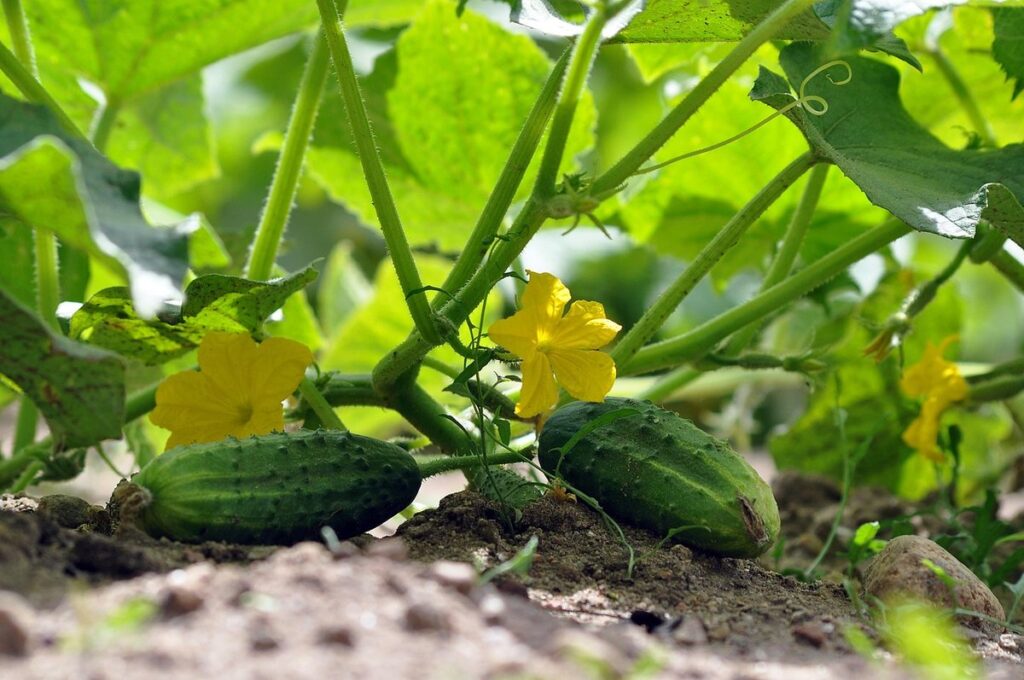
Understanding a cucumber’s growth stages is crucial for determining when it’s ready to be harvested. Let’s break down the key milestones in a cucumber’s development process.
Determining Maturity Index
When it comes to determining the maturity index of cucumbers, there are several key factors to consider. First and foremost, observe the fruit’s color. Mature cucumbers typically turn from a pale green to a more vibrant yellow or dark green, depending on their variety. However, some varieties may retain their green color even when fully mature.
Next, inspect the size of the cucumber. While there is no specific length or diameter that indicates maturity, cucumbers are generally ready to harvest when they reach 6-8 inches in length and about 1 inch in diameter. Keep in mind that over-mature cucumbers can become misshapen or develop soft spots.
Texture is also an important factor. Gently squeeze the cucumber; if it yields to pressure but still feels slightly firm, it’s ready for harvest. Be sure to handle cucumbers gently to avoid bruising the skin and promoting disease.
Regular harvesting is essential to prevent over-maturation, which can lead to a decrease in quality and flavor. Aim to harvest cucumbers every 1-2 days, depending on weather conditions and plant growth rates. This will encourage continuous production and help maintain your cucumber plants’ overall health.
Monitoring Weather Conditions
Monitoring weather conditions is crucial to determine when cucumbers are ready for harvest. Temperature plays a significant role in cucumber growth, with ideal temperatures ranging from 65°F to 85°F (18°C to 30°C). If it’s too hot or cold, the plant may produce fewer fruits or none at all.
Humidity levels also impact cucumber growth, as cucumbers thrive in moist environments. However, excessive moisture can lead to fungal diseases like powdery mildew and downy mildew. Gardeners should ensure that the soil drains well to prevent waterlogged conditions.
Sunlight is essential for photosynthesis, but too much direct sunlight can cause cucumbers to become stressed. Provide your plants with partial shade, especially during peak summer months when the sun’s rays are strongest. Monitoring weather forecasts can also help you plan for potential heatwaves or cold snaps that may affect your cucumber crop.
To gauge your cucumber’s readiness for harvest, observe its color, size, and texture. Typically, cucumbers are ready to pick within 50-60 days of planting when they reach a length of 6-8 inches (15-20 cm).
Recognizing Signs of Over-Maturity
As you monitor the growth of your cucumber plants, it’s essential to recognize the signs that indicate they have reached over-maturity. This stage is characterized by a decrease in production rate and an increase in blossom-end rot, among other symptoms.
One of the most noticeable signs of over-maturity is a decline in fruit size and quality. Cucumbers may become misshapen, develop brown spots, or exhibit a soft, wrinkled skin. This can be attributed to the plant’s energy being diverted from producing new fruits to supporting its extensive growth.
Blossom-end rot, caused by calcium deficiency, is another common issue in over-mature cucumbers. The affected area may appear as a small, sunken spot or a larger discoloration near the blossom end of the fruit. In severe cases, the entire cucumber may become unmarketable due to its unpleasant appearance and taste.
To prevent your cucumbers from reaching this stage, it’s crucial to keep a close eye on their growth rate and adjust harvesting accordingly. A general rule of thumb is to pick cucumbers when they reach 6-8 inches in length, as over-maturity can occur rapidly after this point. Regular monitoring will allow you to identify potential issues early, ensuring a healthy crop with optimal flavor and texture.
Choosing the Right Cucumber Variety for Your Region
When growing cucumbers, choosing a variety that thrives in your local climate is crucial to ensure a bountiful harvest. Selecting the right cucumber variety will make all the difference for gardeners and farmers alike.
Climate Considerations
When selecting a cucumber variety, it’s essential to consider the specific climate conditions in your region. Temperature, sunlight, and rainfall can significantly impact growth and maturation rates.
In areas with hot summers, such as Arizona or California, choose varieties like ‘Slicing’, ‘Marketmore’, or ‘Diva’ that are bred for high-temperature tolerance. These cucumbers thrive in temperatures above 85°F (30°C) and can produce up to 10 times the yield of other varieties.
In regions with cooler summers, such as the Pacific Northwest or New England, opt for varieties like ‘Salad Bush’, ‘Parisienne’, or ‘Tasty Green’ that mature faster and prefer slightly cooler temperatures. These cucumbers are less susceptible to fungal diseases common in temperate climates.
Rainfall also plays a crucial role in cucumber growth. Varieties like ‘Straight Eight’ and ‘Kentucky Wonder’ excel in areas with moderate rainfall, while ‘Marketmore’ and ‘Diva’ can tolerate drought conditions. Always check the seed package or consult with local nurseries for advice on selecting varieties adapted to your specific climate conditions.
By choosing a variety that matches your region’s climate profile, you’ll ensure optimal growth and maximize your cucumber harvest yield.
Disease Resistance and Pests
When selecting cucumber varieties, it’s essential to consider disease resistance and pest tolerance. Common diseases like powdery mildew, downy mildew, and bacterial wilt can significantly impact your crop yield. Similarly, pests such as aphids, whiteflies, and spider mites can cause substantial damage.
To minimize these risks, look for cucumber varieties that have built-in resistance or tolerance to specific diseases and pests in your region. For example, ‘Marketmore’ and ‘Suyo’ are popular varieties resistant to powdery mildew and other fungal diseases. Similarly, ‘Tasty Green’ is known for its tolerance to bacterial wilt.
When choosing a variety, check the seed packet or consult with local nurseries or extension services for information on disease resistance and pest tolerance. You can also research online resources like the National Plant Germplasm System (NPGS) database, which provides information on plant genetic resources, including disease-resistant varieties.
In areas prone to aphid infestations, consider growing ‘Diva’ or ‘Tasty Green’, which have been shown to be resistant to this pest. By selecting the right cucumber variety for your region, you can reduce the need for pesticides and fungicides, promoting a more sustainable and environmentally friendly farming practice.
Adaptability and Yield Potential
When choosing a cucumber variety, it’s essential to consider its adaptability and yield potential under different growing conditions. For instance, if you’re growing cucumbers indoors, you’ll want a variety that thrives in containers with minimal space. On the other hand, outdoor gardens offer more room for growth, but may require varieties resistant to pests and diseases.
Some popular cucumber varieties excel in specific environments:
• ‘Suyo’ is an excellent choice for indoor container gardens due to its compact size and high yields.
• ‘Marketmore’ performs well in outdoor gardens with full sun and well-drained soil.
• ‘Diva’ is a hybrid variety that tolerates cooler temperatures, making it suitable for regions with shorter growing seasons.
When selecting a cucumber variety, consider the following factors:
- Space: Compact varieties for containers or vining types for trellises
- Climate: Choose varieties resistant to extreme temperatures or pests
- Soil: Select varieties tolerant of poor soil conditions
By understanding the adaptability and yield potential of different cucumber varieties, you can make informed decisions about which ones will perform best in your specific growing environment. This will help ensure a bountiful harvest and reduce the risk of crop failure due to environmental factors.
Factors Affecting Cucumber Harvest Timing
When it comes to harvesting cucumbers, timing is crucial to ensure you get the best flavor and texture. Let’s explore the key factors that affect when your cucumbers are ready for picking.
Soil Quality and Nutrient Levels
Soil quality plays a significant role in determining cucumber harvest timing. A well-balanced and fertile soil is essential for optimal growth and maturation of cucumbers. The ideal pH range for cucumber growth is between 6.0 and 7.0, but it can tolerate a slightly wider range. However, if the soil pH deviates significantly from this range, nutrient deficiencies may occur.
For instance, if the soil pH is too high (alkaline), nutrients like iron and manganese become unavailable to plants, leading to chlorosis or stunted growth. Conversely, an acidic soil pH can result in phosphorus deficiency, which affects plant development and fruit production. Regular soil testing can help identify nutrient deficiencies and guide corrective measures.
To ensure optimal soil conditions for cucumbers, incorporate compost or well-rotted manure into the soil before planting. This will improve its fertility and structure, allowing roots to absorb essential nutrients more efficiently. A balanced fertilizer application according to soil test results can also support healthy growth and fruit development. By attending to soil quality and nutrient levels, gardeners and farmers can achieve a more consistent and timely cucumber harvest.
Water Management and Irrigation
Water management plays a crucial role in determining the optimal harvest timing for cucumbers. When it comes to watering schedules and techniques, gardeners and farmers have various options to consider. One of the most effective methods is drip irrigation, which delivers water directly to the roots, reducing evaporation and runoff.
Mulching is another technique that helps retain moisture in the soil while suppressing weeds that compete with cucumbers for water. Organic mulch like straw or wood chips can be applied around 2-3 inches thick, keeping the area consistently moist. Regular monitoring of soil moisture levels ensures that cucumbers receive adequate water without becoming waterlogged.
Adequate watering promotes healthy growth and development in cucumbers, which ultimately affects harvest timing. Insufficient water can lead to stressed plants with reduced yields, while excessive water can cause fungal diseases. By implementing proper irrigation techniques, gardeners and farmers can optimize their cucumber crops’ productivity and enjoy a timely and successful harvest.
Support Systems for Vines
When it comes to promoting healthy growth, preventing disease, and facilitating harvests of your cucumbers, support systems play a crucial role. Providing a structure for the vines allows them to spread out evenly, absorb sunlight more efficiently, and maintain better air circulation – all essential factors in producing high-quality cucumbers.
Trellises are an excellent option for supporting cucumber vines, as they allow you to train the plants upwards towards sunlight while keeping the base of the plant off the ground. This helps prevent fungal diseases that thrive in moist environments. For example, by installing a trellis at around 3-4 feet tall, you can encourage your cucumbers to grow up and outwards, rather than sprawling across the ground.
Cages are another viable option for supporting cucumber vines, particularly when space is limited or when dealing with more compact varieties. Installing cages at an early stage allows the vines to establish a strong support system as they grow, making harvesting much easier down the line.
Determining Optimal Harvest Time Based on Fruit Size
When it comes to determining optimal harvest time for your cucumbers, one of the most important factors is the size of the fruit itself. This simple yet crucial step can make a big difference in the quality and yield of your crop.
Measuring Cucumber Length and Diameter
Accurately measuring cucumber length and diameter is crucial to determine when they are ready for harvest. To do this, you’ll need a ruler or tape measure that can provide precise measurements.
For length, simply place the ruler along the longest side of the cucumber, from stem end to blossom end. This will give you an accurate measurement in inches or centimeters. For example, if your cucumber is 6-7 inches long, it’s likely ready for harvest.
When measuring diameter, use a caliper or the same ruler to measure around the middle of the cucumber, just above the first node (the point where a leaf meets the stem). A typical harvest-ready cucumber will have a diameter of about 1/2 inch to 3/4 inch. Keep in mind that cucumbers can vary greatly in size depending on their variety.
To make things easier, you can also use a simple guideline: when the cucumber is as long as its diameter is wide, it’s ready for harvest. By following these measurements and guidelines, you’ll be able to determine with confidence whether your cucumbers are ripe and ready to pick.
Assessing Fruit Color and Texture
When it comes to assessing fruit color and texture, these are crucial factors in determining optimal harvest time for cucumbers. Typically, mature cucumbers will display a uniform green color with no white or yellow spots on the skin. However, some cucumber varieties may have a slight yellow tint at the blossom end.
As you inspect the fruit, pay attention to the skin’s texture – it should be smooth and glossy. Avoid picking cucumbers with soft or wrinkled skin, as this can indicate over-ripeness. A ripe cucumber will also exhibit a slight give when pressed, but still feel firm to the touch.
In terms of texture, a mature cucumber should have crunchy flesh that snaps easily when bitten into. Overripe cucumbers tend to become softer and more fibrous, which affects their flavor and overall quality. To ensure you’re picking at the right time, gently grasp the fruit at the stem end and twist it slightly – if it comes off easily, it’s likely ready for harvest.
Adjusting Harvest Timing Based on Weather
Adjusting harvest timing based on weather forecasts is crucial to ensure optimal cucumber quality and minimize losses. Extreme temperatures or moisture levels can significantly impact fruit size, flavor, and texture.
When planning your harvest schedule, keep a close eye on weather forecasts for the next few days. Avoid harvesting cucumbers during periods of intense heatwaves (above 95°F/35°C) or prolonged droughts, as this can cause fruit to become misshapen or develop off-flavors. Conversely, excessive rainfall can lead to fungal diseases and root rot.
If a heatwave is predicted, try to harvest your cucumbers in the early morning or late evening when temperatures are cooler. For extended periods of rain, consider using row covers or other protective measures to prevent water from accumulating on the fruit.
It’s also essential to monitor soil moisture levels, as dry conditions can cause stress to the plant and reduce yields. By adjusting your harvest timing based on weather forecasts, you can significantly improve cucumber quality and ensure a bountiful harvest throughout the growing season.
Tips for Maintaining Consistent Cucumber Production
To keep your cucumber harvest consistent, you’ll want to implement these expert tips on rotation, pruning, and supportive structures, tailored specifically for optimal yields. By following these strategies, you’ll be well on your way to a bountiful harvest.
Crop Rotation and Planning
Crop rotation is an essential practice for maintaining consistent cucumber production. By rotating crops, you not only improve soil health but also reduce the risk of pests and diseases that can damage your cucumbers. This is especially crucial when growing cucumbers as they are highly susceptible to fungal diseases like powdery mildew and anthracnose.
To implement effective crop rotation, start by identifying the specific needs of your cucumber crop. Cucumbers prefer well-draining soil with a pH between 6.0 and 7.0. Avoid planting cucumbers in areas where members of the Brassica family (broccoli, cauliflower, kale) or Solanaceae family (tomatoes, peppers) have grown previously as these can harbor diseases that affect cucumbers.
For example, if you plan to plant a cucumber crop, rotate it with a non-brassica/non-solanaceae crop like corn, beans, or squash. This rotation not only improves soil fertility but also helps reduce the risk of disease transmission.
Companion Planting Strategies
Companion planting is a simple yet effective way to promote healthy cucumber growth and deter pests. By strategically pairing cucumbers with other plants, you can create a balanced ecosystem that boosts yields and reduces the need for pesticides. For example, planting basil and mint near cucumbers repels aphids and whiteflies, which are common pests that target these vegetables.
To maximize the benefits of companion planting, consider the following strategies:
* Planting marigolds and nasturtiums around cucumber beds to attract beneficial insects like ladybugs and lacewings
* Incorporating radishes into your cucumber patch to repel cucumber beetles
* Using garlic and chili peppers to deter spider mites and aphids
Remember to choose companion plants that have similar growing conditions and space requirements as your cucumbers. This will ensure a harmonious coexistence and prevent competition for resources like water and nutrients. By implementing these simple yet effective companion planting strategies, you can create a thriving cucumber garden that yields consistent harvests all season long.
Monitoring for Pests and Diseases
Regularly inspecting your cucumber plants is crucial to catch signs of pest infestations or diseases before they spread and affect yields. Start by looking for common indicators such as yellowing leaves, black spots on the fruit, or white powdery patches on the stems.
Common pests that can affect cucumbers include aphids, whiteflies, and spider mites. To control these, use neem oil or insecticidal soap, applying it directly to the affected areas. For example, if you notice a severe infestation of aphids on your plants, mix 1 tablespoon of neem oil with 1 quart of water and spray it on the leaves.
Diseases like powdery mildew and downy mildew can also impact your crop. To prevent these, ensure good air circulation around your plants by pruning nearby vegetation. If you notice any signs of disease, remove infected leaves or stems immediately to prevent the spread.
Keep a lookout for common pests and diseases during regular inspections, taking prompt action to control them. This will help maintain consistent yields and reduce losses due to pest damage.
Troubleshooting Common Cucumber Harvest Timing Issues
If you’re experiencing issues with your cucumber harvest timing, don’t worry – we’ve got some common problems and their solutions right here to help you get back on track. Let’s dive into troubleshooting together!
Delayed Maturity or Poor Growth
If you’re experiencing delayed maturity or poor growth with your cucumber crop, it can be frustrating and impact your harvest timing. There are several common issues that might be contributing to this problem.
Identifying the Cause: Before we dive into solutions, it’s essential to identify the root cause of the issue. Some possible causes include inadequate light, water stress, or nutrient deficiencies. For example, if your cucumbers are not receiving enough direct sunlight, they may become leggy and produce fewer fruit. On the other hand, overwatering can lead to root rot and stunted growth.
To diagnose the problem, inspect your plants for signs of disease, pests, or environmental stressors. Check the soil pH and nutrient levels to ensure they are within optimal ranges for cucumber growth.
Corrective Actions: Once you’ve identified the issue, take corrective action. For instance, if your cucumbers are not receiving enough light, consider pruning them to promote bushy growth or relocating them to a sunnier spot. If you suspect water stress is the culprit, adjust your watering schedule to provide consistent moisture levels.
Practical tips to prevent delayed maturity or poor growth include:
* Planting disease-resistant and high-yielding cucumber varieties
* Maintaining optimal soil temperature (around 60-70°F) for germination and seedling establishment
* Fertilizing regularly with a balanced fertilizer formula
* Monitoring your plants regularly for signs of stress or disease
Premature Decline in Production
As you approach the end of the cucumber harvest season, it’s not uncommon to notice a decline in production. This premature decline can be frustrating and disappointing, especially if you’ve been working hard to maintain optimal growing conditions throughout the season.
There are several reasons why this might happen, including soil depletion, pest or disease pressure, and inadequate watering or fertilization practices. For example, cucumbers require a consistent supply of nutrients to produce at their best. If the soil becomes depleted, yields can suffer as a result.
To address these issues and maintain consistent yields, make sure to implement a rotation plan that allows for sufficient crop recovery time between plantings. Regularly inspect your plants for signs of pests or diseases, and take action promptly if you notice any problems. Additionally, consider using organic amendments like compost or manure tea to replenish soil nutrients and support healthy growth.
By being proactive and taking steps to address these common issues, you can help prevent premature decline in production and enjoy a bountiful cucumber harvest all season long.
Frequently Asked Questions
What are the signs of over-maturity that I should look out for when harvesting cucumbers?
When harvesting, it’s essential to monitor your cucumber plants regularly for signs of over-maturity. Keep an eye out for soft, wrinkled skin, white or yellow spots on the fruit, and a strong, unpleasant odor. These are all indicators that the cucumbers have past their optimal ripeness and may be too old for consumption.
Can I adjust harvest timing based solely on weather forecasts?
Yes, adjusting harvest timing based on weather forecasts is a viable strategy to maintain consistent production rates. Monitor temperature fluctuations, sunlight exposure, and potential storm events to anticipate how they might impact your cucumber crop’s growth rate and maturity index.
How do I ensure consistent quality across multiple harvesting sessions?
Maintaining consistent quality requires attention to detail and a regular harvesting schedule. Keep an eye on the size, color, and texture of individual cucumbers and prioritize those that are most mature and healthy for consumption. Regularly inspecting your plants will help you identify potential issues before they affect overall quality.
What if my cucumber variety has retained its green color even when fully mature?
If your cucumber variety retains a pale green color even after reaching full maturity, it’s essential to rely on other indicators such as fruit size and texture to determine optimal harvest time. Regularly inspect the size of your cucumbers and look for signs of full ripeness, like the skin turning slightly darker or becoming more tender.
How often should I rotate my cucumber crop?
Crop rotation is crucial for maintaining soil health and preventing pests and diseases from building up resistance. It’s recommended to rotate your cucumber crop every 1-2 seasons, depending on your specific growing conditions and pest management strategies. Consider rotating with other non-brassica crops like beans, corn, or squash to minimize nutrient depletion and maintain optimal yields.