
Are you growing tomatoes but noticing some issues with their health? Maybe they’re not producing as many fruits as you’d like, or they seem to be struggling with disease. One common problem that can affect tomato plants is nutrient deficiencies. These occur when the soil lacks essential nutrients for healthy growth and development. If left unchecked, nutrient deficiencies can lead to reduced yields, lower fruit quality, and even plant death.
In this article, we’ll delve into the underlying causes of nutrient deficiencies in tomatoes, as well as their symptoms and practical solutions. We’ll explore common nutrient deficiencies that affect tomato plants, such as nitrogen, phosphorus, and potassium. By understanding these issues and taking steps to address them, you can ensure healthier harvests and maximize your yields. Let’s get started on the journey to a more bountiful and nutritious tomato crop!
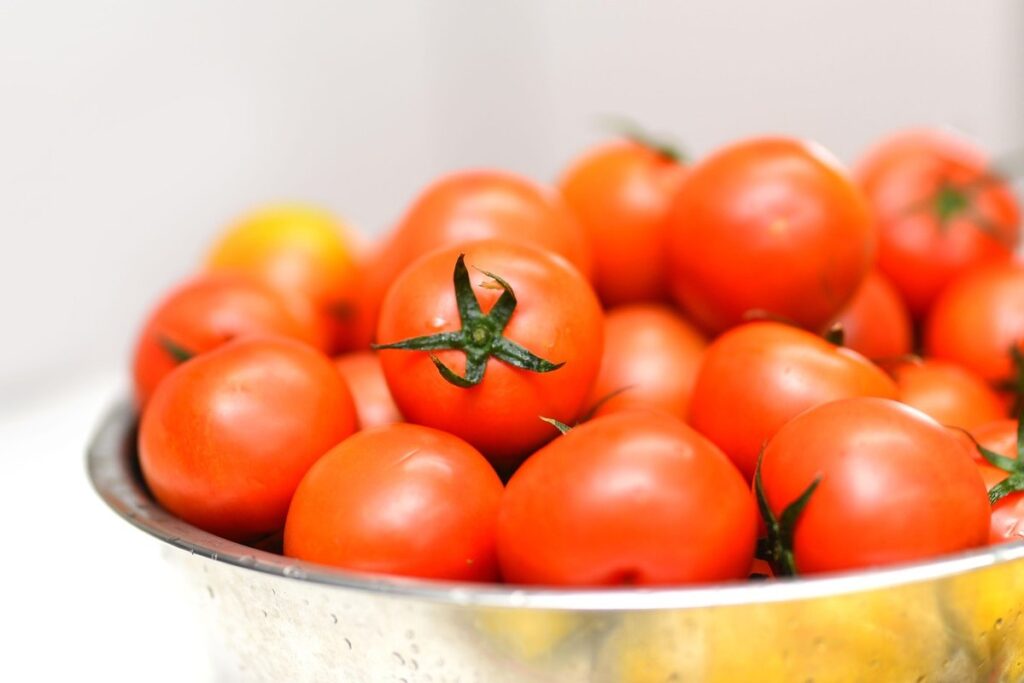
Understanding Tomato Nutrition Basics
To fully grasp the importance of addressing tomato nutrient deficiencies, let’s start by understanding the basics of what tomatoes need to grow and thrive. This includes essential nutrients like nitrogen, phosphorus, and potassium.
Macronutrients and Micronutrients in Tomatoes
To grow healthy and productive tomatoes, they require a balanced intake of essential macronutrients and micronutrients. Macronutrients are primarily responsible for structural growth, energy production, and fruit development. Nitrogen (N), phosphorus (P), and potassium (K) are the primary macronutrients required by tomatoes.
Nitrogen promotes leafy growth and green coloration, while phosphorus is crucial for root development, flower formation, and fruit maturity. Potassium aids in overall plant health, resistance to disease, and water balance. A deficiency in any of these macronutrients can lead to stunted growth, reduced yields, or poor fruit quality.
Micronutrients, on the other hand, play a vital role in various physiological processes. Calcium (Ca), magnesium (Mg), and sulfur (S) are among the essential micronutrients required for tomato growth. Calcium is crucial for cell wall development and maintaining plant structure, while magnesium supports photosynthesis and nutrient uptake. Sulfur aids in protein synthesis and resistance to disease. Adequate intake of these micronutrients ensures healthy fruit production and optimal plant performance.
Soil pH and Its Impact on Tomato Nutrition
When it comes to growing tomatoes, soil pH plays a crucial role in their nutrient uptake. The ideal soil pH range for tomatoes is between 6.0 and 7.0. If the soil pH deviates from this range, it can lead to specific nutrient deficiencies.
For example, if the soil pH is too low (acidic), tomatoes may not be able to absorb enough calcium and magnesium. On the other hand, if the soil pH is too high (alkaline), tomatoes may suffer from iron deficiency. A pH below 6.0 can also lead to manganese toxicity, which can further exacerbate nutrient deficiencies.
To give you a better idea of the impact of soil pH on tomato nutrition, consider this: a study found that tomatoes grown in soils with a pH above 7.5 had significantly lower fruit yields and higher rates of disease susceptibility compared to those grown in soils with a pH between 6.0 and 7.0.
To maintain an optimal soil pH for your tomatoes, regular soil testing is essential. Based on the test results, you can adjust the soil pH by adding lime to raise it or sulfur to lower it. This proactive approach will help prevent nutrient deficiencies caused by suboptimal soil pH levels.
Causes of Tomato Nutrient Deficiencies
Tomato growers often face difficulties due to nutrient deficiencies, and understanding their causes is crucial for prevention. Let’s explore some common reasons why tomatoes may be lacking essential nutrients.
Inadequate Soil Fertility
Soil fertility is often overlooked when it comes to tomato cultivation. However, inadequate soil fertility can lead to nutrient deficiencies in tomatoes. Depleted soil nutrients, poor soil structure, and insufficient organic matter are common causes of low soil fertility.
To start improving soil fertility, you should consider adding organic amendments such as compost or well-rotted manure. These will help replenish the soil’s nutrient supply while also improving its water-holding capacity. Additionally, incorporating cover crops into your rotation plan can bring a wealth of benefits. They not only add organic matter to the soil but also help reduce erosion and attract beneficial insects.
Regular soil testing is essential for identifying any deficiencies or imbalances in your soil. Based on the results, you can make informed decisions about which amendments to use. For example, if your soil test reveals low levels of potassium (K), you may want to consider adding a balanced fertilizer that includes this macronutrient. By addressing inadequate soil fertility through targeted amendments and practices, you’ll be well on your way to growing nutrient-rich tomatoes.
Water Management and Its Effect on Tomato Nutrition
Water is essential for tomato plants to absorb nutrients from the soil. However, overwatering and underwatering can both lead to nutrient deficiencies due to root damage or reduced uptake of essential minerals.
Overwatering causes roots to rot, which hampers their ability to absorb nutrients from the soil. This results in a deficiency of macronutrients like nitrogen, phosphorus, and potassium that are critical for plant growth. Conversely, underwatering reduces water absorption by roots, limiting nutrient uptake. As a result, plants become deficient in micronutrients such as iron, magnesium, and sulfur.
To manage this effectively, ensure your soil drains well to prevent root rot and maintain optimal moisture levels. Monitor the moisture content regularly using a soil probe or finger test. Water when the top 2-3 inches of soil feel dry. Avoid frequent shallow watering that encourages weak root development.
For nutrient uptake to be efficient, use mulch around plants to retain soil moisture, suppress weeds, and control temperature fluctuations.
Signs and Symptoms of Nutrient Deficiencies in Tomatoes
When growing tomatoes, it’s essential to recognize the signs of nutrient deficiencies, which can affect not only yield but also flavor and overall plant health. Look out for common symptoms like yellowing leaves or stunted growth.
Nitrogen Deficiency
Nitrogen is one of the most essential macronutrients for tomato plants, playing a critical role in leaf development and overall plant growth. However, nitrogen deficiency can occur due to various factors such as poor soil quality, inadequate fertilization, or high temperatures.
If you suspect that your tomato plants are suffering from nitrogen deficiency, look out for these common signs: stunted growth, pale leaves, and reduced fruit production. Pale leaves may appear yellowish or light green, while stunted growth can be identified by smaller plant size and fewer branches. Reduced fruit production is often the most noticeable symptom, as nitrogen is also crucial for tomato flower formation.
To address nitrogen deficiency in your tomato plants, start by checking the soil pH level. Most vegetables, including tomatoes, prefer a slightly acidic to neutral soil pH (around 6.0-7.0). If your soil pH is too high or low, adjust it accordingly. Next, consider applying a balanced fertilizer (10-10-10 NPK) according to package instructions. You can also try using a nitrogen-rich fertilizer specifically formulated for vegetables like tomatoes. By identifying and addressing the issue promptly, you can help restore healthy growth and productivity in your tomato plants.
Potassium Deficiency Symptoms
Potassium plays a vital role in tomato plant growth, aiding in photosynthesis, water regulation, and overall health. A deficiency in this essential nutrient can lead to various symptoms that, if left unaddressed, can significantly impact fruit production.
One of the primary indicators of potassium deficiency is scorching or yellowing leaves, which often appear on the older parts of the plant first. These areas may also exhibit a scorched appearance around the leaf edges. As the condition progresses, the affected tissues become more pronounced and can spread to other areas of the plant if not corrected.
Potassium deficiency in tomatoes can be particularly detrimental due to its effects on fruit quality and quantity. To rectify this issue, ensure that your soil has adequate potassium levels through balanced fertilization. You can also consider using compost or manure, as these rich in potassium and can help replenish its stores in the soil.
Diagnosis and Correction of Tomato Nutrient Deficiencies
Now that you’re aware of the common nutrient deficiencies affecting your tomato plants, let’s dive into how to diagnose and correct them for optimal growth. We’ll explore methods for identifying specific deficiencies and implementing effective corrections.
Soil Testing and Interpretation
Collecting a soil sample is a crucial step in identifying nutrient deficiencies in your tomato plants. To do this effectively, follow these steps: first, choose a representative area of the garden where tomatoes are grown; next, collect three to five cores from different areas using a soil probe or auger, making sure not to include any debris or plant material; finally, combine the samples into one container and send them to a laboratory for analysis.
Interpreting test results can be confusing, but understanding what they mean will help you make informed decisions about your tomato crop. When reviewing your report, look for nutrient levels and pH information: most importantly, ensure that your soil has adequate nitrogen (N), phosphorus (P), and potassium (K) levels; if necessary, consult with a gardening expert to understand specific recommendations based on your test results.
When selecting the appropriate nutrient levels based on testing data, consider these factors: the type of tomato variety being grown, local climate conditions, and any previous fertilization practices.
Fertilization Strategies
When it comes to correcting nutrient deficiencies in tomatoes, selecting the right fertilization strategy is crucial. You have two primary options: organic and inorganic fertilizers.
Organic fertilizers are derived from natural sources such as animal waste, compost, or green manure. They release nutrients slowly, promoting a steady supply of essential micronutrients. For example, using compost tea can provide beneficial microorganisms that enhance nutrient uptake by the plant. However, their slow-release nature may not address acute deficiencies quickly.
Inorganic fertilizers, on the other hand, are synthetic and provide a rapid influx of nutrients. They are often more cost-effective and can correct deficiencies rapidly. However, overuse or misuse can lead to over-fertilization, causing more harm than good.
To effectively use inorganic fertilizers, start with a soil test to determine nutrient levels. Then, apply the recommended amount according to the product’s instructions. For organic options, consider using a combination of products to achieve the desired nutrient profile.
Preventing Tomato Nutrient Deficiencies
To avoid tomato nutrient deficiencies, it’s essential to understand how to identify potential issues and implement preventative measures to ensure your plants receive all necessary nutrients. We’ll walk you through these critical steps next.
Crop Rotation and Planning
Maintaining soil health is crucial to preventing tomato nutrient deficiencies. One effective strategy is crop rotation, which involves alternating between different crops on the same land over a period of time. This technique not only replenishes nutrients but also reduces pest and disease pressure. For instance, planting legumes like beans or peas can fix nitrogen in the soil, benefiting subsequent tomato crops.
When planning for nutrient replenishment, consider the specific needs of your tomatoes. Tomatoes are heavy feeders and require a balanced diet of macronutrients like nitrogen, phosphorus, and potassium. Plan to add organic matter such as compost or manure to the soil at least 2-3 weeks before planting. This will help improve soil structure, increase nutrient availability, and support beneficial microbial activity.
To minimize waste, consider implementing techniques like mulching and cover cropping. Mulch can retain moisture, suppress weeds, and regulate soil temperature, while cover crops like clover or rye can add nutrients to the soil without depleting them. By incorporating these strategies into your gardening routine, you’ll be well on your way to preventing tomato nutrient deficiencies and growing healthy, thriving plants.
Integrated Pest Management (IPM) and Its Impact on Nutrition
When it comes to preventing pest-related stress that can lead to tomato nutrient deficiencies, Integrated Pest Management (IPM) is a crucial approach to consider. IPM involves managing pests through a combination of techniques such as physical barriers, cultural controls, biological control methods, and targeted pesticide use.
By adopting an IPM strategy, gardeners can significantly reduce the stress caused by pest infestations, which can lead to nutrient deficiencies in tomatoes. For instance, aphids feeding on tomato plants can transmit diseases like tomato spotted wilt virus, while also competing with the plant for nutrients.
Companion planting is another supplementary approach that can be used in conjunction with IPM. Certain plants, such as basil and mint, repel pests like whiteflies and aphids, thus protecting tomatoes from nutrient-sapping infestations. To implement IPM effectively, identify potential pest problems early on and use a multi-faceted approach to address them.
Some practical tips include:
* Monitoring your tomato crop regularly for signs of pest infestation
* Using physical barriers or row covers to prevent pests from reaching the plants
* Encouraging beneficial insects like ladybugs and lacewings, which prey on common tomato pests
* Avoiding over-reliance on chemical pesticides, which can harm beneficial organisms and contaminate soil
Additional Considerations and Best Practices
As you’ve learned about tomato nutrient deficiencies, it’s essential to implement some best practices to prevent future issues and ensure a healthy crop. This next step will guide you through those crucial considerations.
Record Keeping and Monitoring
Accurate record keeping is crucial when growing tomatoes. It helps you identify patterns and make informed decisions about fertilization schedules and pest management. Start by maintaining a weather log to track temperature fluctuations, rainfall, and sunlight exposure. This information will help you anticipate potential nutrient deficiencies caused by weather extremes.
Monitor your soil’s pH levels regularly, as imbalances can lead to nutrient lockout or toxicity. Test your soil every 2-3 months during the growing season, and adjust your fertilization schedule accordingly. Keep a record of the types and amounts of fertilizers applied, including organic amendments like compost tea or manure.
Regularly inspect your plants for signs of nutrient deficiencies, such as yellowing leaves, stunted growth, or uneven ripening. Use this information to adjust your monitoring schedule and apply targeted treatments. By tracking weather patterns, soil health, and plant symptoms, you can identify potential issues early on and take corrective action before they affect yield. This proactive approach will ensure a healthy crop and minimize the risk of nutrient deficiencies.
Ongoing Research and Updates in Tomato Nutrition
Emerging research on tomato nutrition is shedding new light on this crucial topic. Recent studies have focused on the impact of climate change on tomato nutrient levels. For instance, a 2020 study published in the Journal of Agricultural and Food Chemistry found that high temperatures can lead to increased concentrations of certain nutrients, such as potassium and manganese. However, these elevated levels may also increase the risk of deficiencies.
Other ongoing research explores how soil quality affects tomato nutrition. A study conducted by the University of California, Davis discovered that tomatoes grown in soils with high organic matter content exhibit enhanced nutrient profiles. This suggests that adopting sustainable agricultural practices can lead to more nutritious produce.
To stay up-to-date on the latest developments in this field, it’s essential for farmers and consumers alike to follow reputable sources and scientific journals. By doing so, you’ll be better equipped to adapt to emerging trends and best practices in tomato cultivation, ultimately contributing to a healthier food supply chain.
Frequently Asked Questions
How often should I test my soil for nutrient deficiencies in tomatoes?
Testing your soil regularly is essential to ensure optimal tomato nutrition. We recommend testing your soil every 2-3 months, especially during the growing season. This will help you identify any potential nutrient deficiencies early on and make adjustments to your fertilization strategy accordingly.
What are some common mistakes growers make when correcting nutrient deficiencies in tomatoes?
One common mistake is over-correcting with excessive fertilizer applications. This can lead to an imbalance of nutrients and potentially cause more harm than good. Instead, focus on making gradual adjustments based on soil test results and monitor your plants’ response closely.
Can I use organic fertilizers to correct potassium deficiency symptoms in tomatoes?
Yes, using organic fertilizers like compost or manure tea can be an effective way to address potassium deficiency symptoms in tomatoes. However, make sure to choose a high-quality product that’s specifically formulated for tomato nutrition and follow the recommended application rates carefully.
How do I prevent nutrient deficiencies from occurring in future crops?
Prevention is key when it comes to nutrient deficiencies. To avoid issues next season, focus on maintaining optimal soil fertility through regular testing and balanced fertilization. Additionally, consider implementing crop rotation and planning strategies to reduce soil degradation and promote beneficial microbial activity.
What are some signs that I’m over-fertilizing my tomato plants?
Over-fertilizing can lead to reduced yields, increased susceptibility to disease, and even plant death. Some common signs of over-fertilization include excessive leaf growth, yellowing or browning leaves, and an overall decline in fruit production. If you notice any of these symptoms, it’s essential to reassess your fertilization strategy and make adjustments accordingly.