
Elderflower plants are a delight to have in any garden, but if not pruned correctly, they can quickly become overgrown and unproductive. Pruning elderflower is essential for maintaining healthy growth, promoting blooming, and encouraging a strong structure. But with so many techniques and timing considerations, it’s easy to get overwhelmed. That’s why we’ve put together this comprehensive guide on pruning elderflower plants like an expert. In this article, you’ll learn the ins and outs of pruning, including the best times for pruning, how to prune different types of elderflowers, and what to do after pruning to ensure your plant stays healthy and thrives. By following these tips and techniques, you’ll be able to boost blooming and keep your elderflower plants looking their best all season long.
Understanding Elderflower Pruning
Pruning elderflower requires a delicate touch, and understanding the right techniques is crucial for maintaining healthy and robust plants. Let’s dive into the intricacies of cutting back your elderflower plant.
Importance of Pruning in Flowering Shrubs
When it comes to flowering shrubs like elderflower, pruning is not just a matter of aesthetics – it’s essential for their overall health and performance. Regular pruning helps maintain the shrub’s shape, promoting a balanced and even growth habit that allows sunlight to reach all parts of the plant.
By pruning your elderflower regularly, you’re also encouraging healthy growth. Pruning removes dead or damaged branches, which can become entry points for diseases and pests. This not only prevents damage to the plant but also reduces the risk of spreading diseases to other nearby plants.
One of the most significant benefits of pruning is that it encourages blooming. When the shrub is pruned correctly, it stimulates the growth of new flowers and fruiting branches, resulting in a more vibrant display of blooms. For example, after a severe winter or harsh weather conditions, pruning can help restore your elderflower’s natural shape and promote renewed flowering.
Prune your elderflower during its dormant season (usually between late winter and early spring), as this allows the plant to focus on new growth without stressing it further. Aim for about 1/3 of the shrub’s total height each year, cutting back any dead or damaged stems to a healthy bud just above ground level.
Identifying the Right Time to Prune
When it comes to pruning elderflower plants, timing is everything. You see, different climates and seasons have distinct requirements for pruning, which can impact the overall health of your plant.
In temperate climates with mild winters, you can prune your elderflower plant in late winter or early spring, around February or March. This allows new growth to emerge in time for the growing season. However, if you live in an area with harsher winters, it’s best to wait until late spring or early summer when the threat of frost has passed.
Another crucial factor is the age and maturity level of your plant. Younger plants typically require more aggressive pruning to establish a strong framework, while mature plants can benefit from lighter maintenance. For instance, if you’re growing an elderflower shrub for its flowers, it’s best to prune immediately after flowering in mid-to-late summer. This encourages new growth and prevents the plant from putting energy into seed production.
Timing your prunings correctly is essential to prevent damage to your plant. Prune too early or late, and you may inadvertently stress the plant, making it more susceptible to disease or pests.
Preparing for Elderflower Pruning
Before you start pruning, it’s essential to prepare your tools and assess the health of your elderflower plant to ensure a successful prune. Take a moment to get everything in order first.
Equipment Needed for Pruning
When it comes to pruning elderflower plants, having the right equipment can make all the difference. To get started, you’ll need some basic tools that will help you tackle the task with ease.
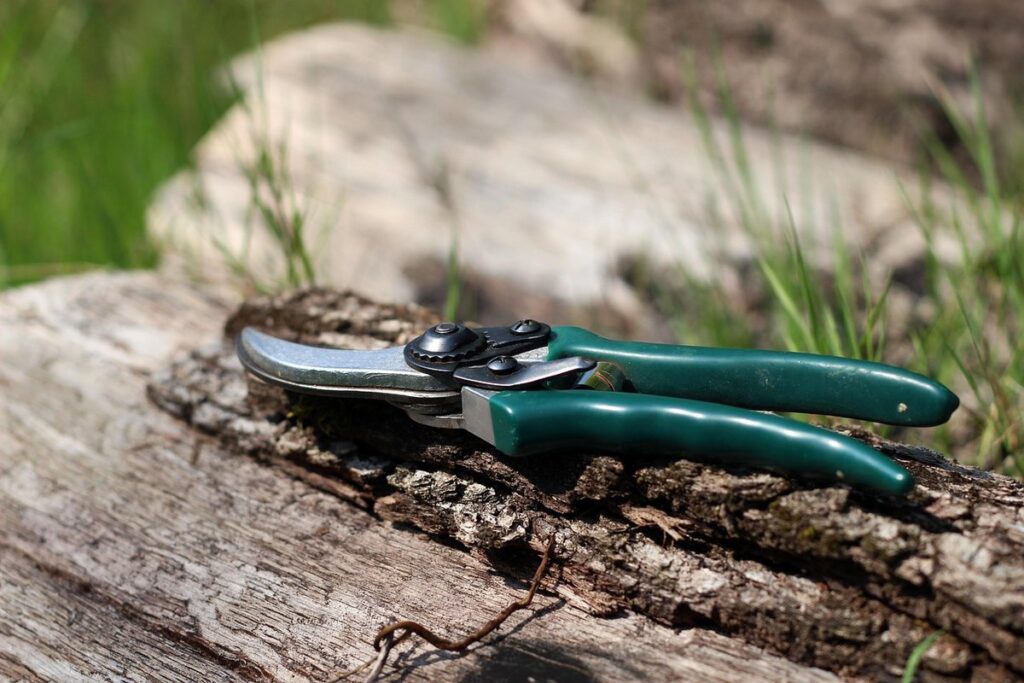
First and foremost, invest in a good pair of loppers. These are perfect for cutting thicker branches up to 2 inches in diameter. Look for ones with comfortable grips and long handles to reduce strain on your hands and arms. You’ll also want to have a pruning saw handy for cutting smaller stems or deadheading flowers. Choose one with a curved blade and a comfortable handle.
Gloves are another essential item, as they’ll protect your hands from thorns and rough bark. Opt for ones that provide grip and flexibility, so you can move freely while pruning. Safety goggles are also a must-have, especially when working with loppers or saws. They’ll shield your eyes from debris and branches.
When selecting equipment, consider the size of your elderflower plant and its growth habits. If you have a large tree, you may want to invest in more robust tools. Always clean and maintain your equipment after each use to prevent damage and ensure longevity.
Steps to Prepare the Plant
Before you start pruning your elderflower plant, it’s essential to prepare the plant and its surroundings. Begin by removing any dead or diseased branches that may be present on the plant. These branches can harbor diseases and pests that can spread to other parts of the plant, so it’s crucial to cut them off as soon as possible. Use clean pruning tools to prevent the risk of spreading disease.
Next, identify areas where the plant has become overgrown. Cut back these areas to maintain a balanced shape and promote healthy growth. Make sure to cut just above a bud or a node, as this will help the plant regrow from that point. Don’t forget to clear surrounding vegetation, such as weeds and other plants, which can compete with your elderflower for water and nutrients.
By removing dead branches, cutting back overgrown areas, and clearing surrounding vegetation, you’ll be able to prune your elderflower plant more effectively and promote its overall health. This preparation step is often overlooked but it’s a crucial part of the pruning process.
Pruning Techniques for Elderflower
When pruning elderflower, it’s essential to understand how to correctly trim back branches and stems to promote healthy growth and encourage vibrant blooms. We’ll walk you through these techniques step by step.
Basic Pruning Techniques
When it comes to pruning elderflower plants, understanding basic techniques is essential for maintaining their shape and promoting healthy growth. Cutting is one of the most common pruning techniques used on elderflowers. This involves removing select branches or stems to control the plant’s size, promote air circulation, and encourage new growth.
Thinning, another fundamental technique, involves selectively removing certain branches to allow more sunlight to reach inner leaves and reduce competition for resources. When thinning an elderflower, focus on removing weak or damaged growth, aiming for a balanced branch structure that promotes even growth.
Shaping the plant is also crucial in maintaining its desired form. This can involve pruning back overgrown areas, guiding new branches towards a specific direction, or removing suckers that detract from the plant’s overall appearance. When shaping an elderflower, be mindful of its mature size and prune accordingly to maintain its shape and promote healthy growth.
For example, if your elderflower is growing too large for its space, focus on thinning and shaping to control its size while maintaining a balanced branch structure. Remember to make clean cuts just above a bud or a node to encourage new growth and minimize the risk of disease entering through wounds.
Advanced Pruning Techniques
If you’ve mastered basic pruning techniques for elderflower and want to take your skills to the next level, it’s time to explore advanced pruning methods. These techniques will help you rejuvenate old plants, promote healthy growth, and even create stunning architectural features.
Rejuvenation pruning is a game-changer for overgrown or neglected elderflower plants. This technique involves cutting back most of the plant’s stems to about 1-2 feet from the ground, stimulating new growth and encouraging a more balanced structure. Renewal pruning, on the other hand, aims to remove old, damaged, or diseased wood while maintaining the plant’s overall shape and size.
Pollarding is an advanced technique that involves cutting back the entire canopy of the plant to about one-third of its original height every year. This approach requires regular maintenance but can produce dramatic results – think elegant, layered branches and a profusion of flowers in summer.
Tips and Tricks for Successful Pruning
Now that you’ve learned how to prune your elderflower correctly, let’s dive into some expert tips on how to maximize its beauty and health. We’ll cover common mistakes to avoid.
Avoiding Common Mistakes
When pruning elderflower plants, it’s easy to fall into common mistakes that can harm the plant or even kill it. One of the most significant errors is over-pruning, which involves removing too much of the plant’s structure and foliage at once. This can cause stress to the plant, making it more vulnerable to disease and pests.
To avoid this mistake, prune elderflower plants in stages, removing no more than 20-30% of the branches each year. Start by removing any dead or damaged wood, then focus on shaping the plant’s overall form. Be cautious not to remove too many flowers or seed heads, as these are essential for the plant’s reproduction.
Another mistake is under-pruning, which leaves the plant with tangled and overgrown stems that can obstruct growth. Prune enough to maintain a balanced structure and promote healthy air circulation. Timing is also crucial; avoid pruning during the active growing season (spring-summer), when cuts can take longer to heal. Instead, prune in late winter or early spring, before new growth begins.
Best Practices for Pruning Tools and Safety
When working with elderflower, it’s essential to have the right tools and follow proper safety protocols. Pruning is a physically demanding task that requires attention to detail and a clear focus on maintaining your safety.
Always handle pruning tools carefully, keeping them sharp and clean to prevent damage or accidents. Regularly inspect your tools for signs of wear and tear, such as frayed handles or loose fittings. Maintain a clean working area by clearing debris and branches, allowing you to move freely and avoid tripping hazards.
Protect yourself from injury with essential safety gear: gloves for grip and protection, goggles to shield your eyes from debris, and long sleeves to cover exposed skin from thorns. Wear closed-toe shoes or boots that can withstand rough terrain and potential falls. Make sure to store tools in a dry, secure location when not in use, such as a designated tool shed or on a hanging hook.
Pruning elderflower requires patience and attention to detail; prioritize your safety to ensure successful results and minimize risks.
Post-Pruning Care for Elderflower Plants
After pruning your elderflower, it’s essential to provide proper care to encourage healthy growth and prevent disease. This involves regular watering, fertilization, and monitoring for pests and diseases.
Aftercare Instructions
After pruning your elderflower plants, it’s essential to provide them with proper care to ensure they recover quickly and thrive. Start by watering your plants thoroughly, but avoid overwatering, which can lead to root rot and other issues. Water them when the top 1-2 inches of soil feels dry to the touch.
As new growth emerges, consider fertilizing your elderflower plants with a balanced, water-soluble fertilizer (10-10-10 NPK). Dilute the fertilizer according to the manufacturer’s instructions to avoid burning your plant’s roots. You can also use compost or well-rotted manure as a natural alternative.
Regularly inspect your plants for signs of pests or diseases, such as aphids, whiteflies, or powdery mildew. Look for yellowing leaves, black spots, or sticky substances on the stems and leaves. If you notice any issues, treat them promptly with organic pest control methods or fungicides. Keep an eye out for signs of nutrient deficiencies, like pale leaves or stunted growth, which may require adjustments to your fertilization schedule.
Keep in mind that newly pruned plants are more susceptible to pests and diseases, so monitor them closely during the first few weeks after pruning.
Timing for Post-Pruning Bloom
When you prune an elderflower plant, it may seem counterintuitive that flowers will bloom after cutting back the branches. However, with proper care and timing, these plants can produce beautiful blooms right on schedule.
In general, it takes 30-60 days for an elderflower plant to recover from pruning and prepare for blooming. This is because the plant needs time to redirect its energy towards growth and flowering. After pruning, make sure to provide your plant with adequate water and nutrients during this recovery period.
To encourage post-pruning blooms, it’s essential to prune your elderflower plant at the right time of year. For most varieties, late winter or early spring is the ideal time for pruning. This allows the plant enough time to recover and produce flowers in late spring or early summer.
Some things to keep in mind when timing your post-pruning bloom include climate and region-specific factors. In warmer climates, elderflower plants may be able to bloom more quickly after pruning, while in cooler areas, it may take longer for the plant to recover and flower. Monitor your plant’s growth and adjust your expectations accordingly.
Troubleshooting Common Issues with Pruned Elderflower Plants
If you’ve pruned your elderflower plant and it’s not thriving, don’t worry – we’ll help you identify and fix common problems in this section. We’ll walk you through potential issues to look out for.
Identifying and Resolving Pruning Errors
When pruning elderflower plants, it’s not uncommon to encounter errors that can lead to reduced blooming or increased disease susceptibility. One common issue is over-pruning, which can remove too much of the plant’s foliage, leaving it vulnerable to stress and disease.
Reduced blooming may also occur if you prune your elderflower at the wrong time, typically in late winter or early spring when new growth is emerging. Prune instead during the dormant season, usually in late fall or early winter, when the plant is less active.
Another problem that can arise from improper pruning is disease susceptibility. This often occurs when you don’t remove any dead or diseased wood, which can harbor fungal diseases and spread them to other parts of the plant. Regularly inspect your plants for signs of disease and remove any infected branches promptly.
To resolve these issues, identify and address the problem as soon as possible. Prune back affected areas to prevent further damage, and make sure to disinfect your pruning tools between cuts to avoid spreading disease.
Encouraging Healthy Growth After Pruning
After pruning your elderflower plant, it’s essential to promote healthy growth by adjusting its environment and care routine. Start by reviewing your watering schedule. Elderflower plants typically require more water during the first few weeks after pruning as they establish new growth. Increase the frequency of watering, but be cautious not to overwater, which can lead to root rot.
Next, ensure that your plant is receiving optimal sunlight. Pruning opens up the plant’s canopy, allowing more sunlight to penetrate and promote healthy growth. If your elderflower plant is in a shaded area, consider moving it to a sunnier spot or providing supplemental lighting during the spring and summer months.
Finally, keep an eye out for pests and diseases that can take advantage of the plant’s weakened state after pruning. Regularly inspect your plant for signs of infestation or disease, such as aphids, whiteflies, or powdery mildew. Use organic pest control methods whenever possible to minimize harm to beneficial insects and the environment.
By adjusting your care routine and providing optimal growing conditions, you can encourage healthy growth and prevent potential problems that may arise after pruning your elderflower plant.
Conclusion and Final Tips
Now that you’ve mastered the art of pruning your elderflower, it’s essential to remember a few key takeaways. First, don’t over-prune – it’s better to err on the side of caution and remove only what’s necessary. This will help prevent stress on the plant and encourage new growth. Also, be sure to disinfect your tools between cuts to prevent the spread of disease. When pruning is complete, give your elderflower a good soaking to replenish its moisture levels.
To keep your plant thriving throughout the growing season, make it a habit to inspect it regularly for any signs of damage or disease. With these simple tips and a bit of practice, you’ll be well on your way to becoming an expert in pruning your beloved elderflower. Happy gardening!
Frequently Asked Questions
What if I’ve missed the optimal pruning time for my elderflower plant?
If you’ve missed the best time to prune your elderflower, don’t worry – it’s not a lost cause! Prune as soon as possible, even if it’s not during the recommended season. This will still promote healthy growth and blooming. However, keep in mind that flowering may be reduced this year, but regular pruning will help ensure a robust plant for future seasons.
Can I prune my elderflower plant when it’s in bloom?
Pruning your elderflower while it’s in bloom can impact flower production and reduce blooming chances for the current season. If you must prune during blooming, do so after the flowers have faded to minimize damage. Otherwise, delay pruning until the blooming period is over.
How often should I water my elderflower plant after pruning?
Water your elderflower plant regularly, especially in its first growing season after pruning. Aim for about 1 inch of water per week, either from rain or irrigation. Avoid overwatering, as this can lead to root rot and other issues.
What if I’m unsure about the type of elderflower I have – how do I identify it?
Identifying the right type of elderflower is crucial for effective pruning. Check your plant’s growth habit, leaf shape, and flowering characteristics. Research your local climate and native elderflower species to ensure you’re pruning correctly. Consult online resources or consult with a gardening expert if needed.
Can I use regular garden shears for pruning my elderflower plant?
Regular garden shears may not be the best choice for pruning larger elderflower branches or thick stems. Invest in loppers, pruning saws, or pole pruners specifically designed for heavy-duty pruning tasks. These tools will help you navigate thicker branches with ease and make pruning more efficient.