
Growing cucumbers can be a bit tricky, especially when it comes to providing them with the right amount of space and support. If you’re finding that your cucumber plants are sprawling out of control or not producing as many fruits as you’d like, it might be time to consider investing in a trellis system. Not only will this help keep your garden organized and easy to maintain, but it can also lead to healthier, more productive plants with higher yields.
In this article, we’ll take a closer look at how to plan, install, and maintain the perfect cucumber trellis system for optimal results. We’ll cover everything from choosing the right type of trellis to tips on training your cucumber vines to climb up their new support structure. With these expert tips and tricks, you’ll be well on your way to growing the biggest, most delicious cucumbers your garden has ever seen!
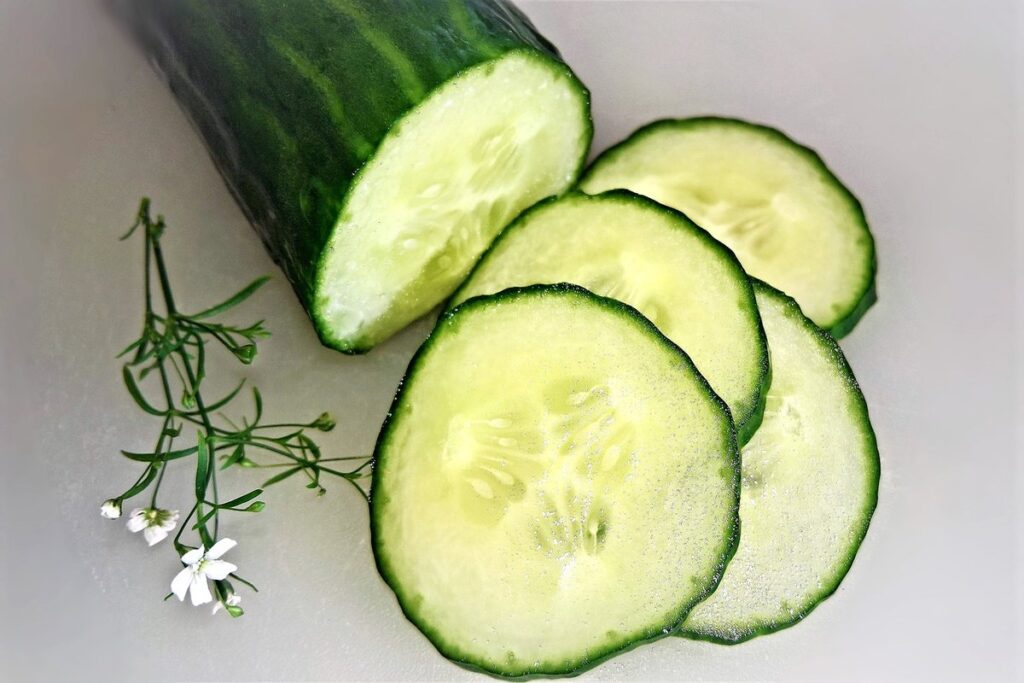
Benefits of Using a Cucumber Trellis System
When using a cucumber trellis system, you’ll reap several advantages that will take your garden to the next level and make growing cucumbers easier than ever. Let’s explore these benefits in more detail.
Advantages Over Traditional Methods
Using a cucumber trellis system has numerous advantages over traditional methods of growing cucumbers. For one, it significantly improves space efficiency. By allowing the vines to climb upwards, you can grow multiple plants in a smaller area, making it perfect for small gardens or urban spaces.
In addition to conserving space, trellises also increase yields. With proper support and pruning, cucumber plants on a trellis can produce more fruit than those grown on the ground. This is because trellised plants receive better air circulation, reducing disease susceptibility and allowing them to focus energy on producing cucumbers.
Better disease management is another significant benefit of using a trellis system. By keeping the vines off the ground, you reduce the risk of fungal diseases that thrive in moist soil. Regular pruning also helps to promote healthy growth, making your cucumber plants more resilient to pests and diseases.
Types of Cucumber Plants Suitable for Trellises
When it comes to growing cucumbers on a trellis system, not all cucumber plants are created equal. Some varieties are better suited for trellises than others, and knowing which ones to choose can make all the difference in getting the most out of your trellis.
Compact varieties like ‘Bush Pickle’ or ‘Salad Bush’ are perfect for small spaces or container gardens. These compact cucumbers grow up to 2 feet tall and produce plenty of fruit without taking up too much room. They’re also great options for indoor growing, as they don’t require a lot of sunlight.
Vining types like ‘Marketmore’ or ‘Slicing’ are ideal for larger trellis systems. These varieties can climb up to 6 feet tall and produce long, slender cucumbers perfect for slicing or using in salads. They do require more support, but the payoff is well worth it.
If you’re looking for container-friendly options, consider trying ‘Container Friendly’ or ‘Bush Slicing’. These compact cucumbers are specifically bred for growing in small spaces and can thrive on a trellis system with minimal maintenance.
Choosing the Right Trellis for Your Needs
When it comes to choosing the right trellis system for your cucumbers, there are several factors to consider. First and foremost, think about the size of your garden bed and the mature height of your cucumber plants. A good rule of thumb is to choose a trellis that allows for at least 12-18 inches of vertical growth on either side.
Next, consider the material of the trellis. While wood or bamboo trellises can be aesthetically pleasing, they may not provide the necessary support for heavy loads of fruit. A sturdier option like metal or plastic is often a better choice, especially if you live in an area prone to strong winds.
Portability is another key consideration, particularly if you plan on moving your trellis between seasons or from one location to another. Look for systems with lightweight frames and easy-to-assemble designs that can be easily disassembled and stored during the winter months.
Finally, don’t forget about budget – while a high-end trellis system may provide excellent support and durability, it’s not always necessary. A more affordable option made from recycled materials or repurposed items like old pallets can still provide the necessary support for your cucumbers.
Planning and Preparation
Before you start building your cucumber trellis system, let’s take a step back and plan for success. This is where preparation meets perfection, and your garden really starts to thrive.
Preparing Your Soil for Cucumber Planting
When preparing your soil for cucumber planting, it’s essential to create an optimal environment that supports healthy growth and development. Start by checking the pH level of your soil using a testing kit. Most cucumbers prefer a slightly acidic to neutral soil pH, ranging from 6.0 to 7.0. If your soil is too alkaline or acidic, you’ll need to adjust it accordingly.
To add nutrients to your soil, consider incorporating compost, well-rotted manure, or balanced fertilizer into the top 8-10 inches of soil. This will provide a slow release of essential micronutrients and macronutrients that cucumbers need to thrive. You can also mix in some bone meal or alfalfa meal for added phosphorus and nitrogen.
Mulching is another crucial step in preparing your soil for cucumber planting. A 2-3 inch layer of organic mulch, such as straw or wood chips, will help retain moisture, suppress weeds, and regulate soil temperature. This will create a stable environment that promotes healthy root development and encourages your cucumbers to grow strong and vigorous.
Selecting the Perfect Location for Your Trellis System
When selecting a location for your trellis system, it’s essential to choose a spot that provides optimal sunlight, suitable temperature, and adequate wind protection. Cucumbers need full sun to produce well, so pick a location that receives direct sunlight for at least 6 hours a day.
Consider the temperature in your area as well. Most cucumber varieties thrive in temperatures between 65°F to 95°F (18°C to 35°C). Avoid planting near areas with cold spots or where water may collect, which can lead to root rot and other diseases.
Wind protection is also crucial for your trellis system. Cucumbers are delicate plants that can be damaged by strong winds. Choose a location that provides some shelter from wind, such as near a building or under a tree with a dense canopy.
When selecting the perfect spot, observe your yard’s layout and microclimate to ensure you’re providing your cucumbers with the best possible growing conditions. By choosing a well-suited location, you’ll be able to enjoy a bountiful harvest of delicious and healthy cucumbers.
Planting Cucumbers on a Trellis: Tips and Tricks
When planting cucumbers on a trellis, it’s essential to consider the optimal spacing and orientation to ensure healthy growth and maximum yields. A general rule of thumb is to plant cucumber seeds 6-8 inches apart, with the trellis placed at least 12 inches away from any surrounding structures to allow for easy access and air circulation.
When installing your trellis system, choose a spot that receives direct sunlight (at least 6 hours a day) and has well-draining soil. To prevent fungal diseases, ensure the area is not prone to waterlogging. Place the trellis at an angle of about 45 degrees to allow for even growth and easy access.
When placing supports on your trellis, consider using bamboo or wooden stakes that are at least 6 feet tall to provide adequate support for the cucumber vines as they grow. Train the vines by gently twining them around the support, starting from the bottom and working your way up. This will help maintain a balanced canopy and promote vertical growth.
By following these guidelines, you’ll be able to create an optimal growing environment for your cucumbers, allowing them to thrive on their trellis system.
Building and Installing Your Cucumber Trellis
To build a sturdy cucumber trellis, you’ll need to select the right materials and follow some simple construction steps. Here’s how to get started on your trellis project.
Materials Needed for a DIY Trellis System
To build an effective DIY trellis system for your cucumbers, you’ll need to gather some essential materials. Let’s start with the frame of your trellis. You can use wooden stakes or posts, which are readily available at most hardware stores. Consider using durable and weather-resistant woods like cedar or redwood for a longer lifespan.
For the mesh or netting part, you have several options. Wire mesh is a popular choice due to its affordability and ease of installation. It’s ideal for smaller spaces and can be attached to wooden frames or existing structures. Netting is another option that provides better airflow around your cucumbers, promoting healthy growth. You can opt for polypropylene netting, which is lightweight yet strong.
Additionally, you’ll need some wire or twine to secure the mesh or netting in place. Make sure to choose materials that are suitable for outdoor use and won’t corrode easily. Don’t forget to gather some screws, nails, or brackets to assemble your trellis frame securely. With these basic materials at hand, you’re ready to create a sturdy and functional trellis system for your cucumbers.
Designing and Assembling the Trellis Structure
When building your cucumber trellis structure, it’s essential to design and assemble a frame that can support the weight of heavy cucumbers. A sturdy trellis will not only help keep your plants organized but also prevent them from sprawling across the ground.
To start, you’ll need to decide on the type of trellis material to use. Popular options include wood, metal, or bamboo. Wood is a great choice for its natural look and durability, while metal provides added support and can be easily adjusted as your plants grow. Bamboo, on the other hand, offers a sustainable and lightweight option.
When assembling your trellis frame, make sure to consider the following:
* Use sturdy screws to attach the horizontal slats to the vertical posts.
* Leave enough space between each slat for air circulation and easy pruning.
* If using wire or twine, wrap it around the slats in a secure manner to prevent cucumbers from slipping off.
By investing time and effort into designing and assembling your trellis structure, you’ll be rewarded with healthier, more productive cucumber plants.
Securing the Trellis for Stability and Safety
Securing the trellis system is crucial for preventing it from toppling over due to wind or weight. To prevent damage, anchor the trellis system to a sturdy structure like a fence post, wall, or a metal stake. For smaller trellises, you can also use a freestanding base that won’t harm your plants’ roots.
When anchoring the trellis, make sure it’s level and secure to avoid any potential damage to the surrounding area. Use wire ties or zip ties to attach the trellis to the anchor point. This will provide stability and prevent the trellis from toppling over in strong winds.
It’s also essential to choose an anchor point that is buried at a sufficient depth, at least 18 inches below the surface. This ensures that the anchor remains stable and doesn’t become dislodged by soil settling or erosion.
Training and Supporting Cucumber Plants
Now that your cucumber trellis system is set up, let’s move on to training and supporting your cucumber plants for optimal growth and production. This involves providing essential care and guidance to help them thrive.
Pruning Techniques for Optimal Growth
Pruning your cucumber plants is an essential part of maintaining their health and promoting optimal growth. By regularly pruning your cucumbers, you’ll encourage vertical growth, increase fruiting, and keep your plant looking neat and tidy. To achieve this, focus on removing any weak or spindly growth that’s not producing fruit.
When pruning, remove the lower leaves to prevent soil-borne diseases from affecting the plant. This also allows air to circulate around the base of the plant, reducing moisture buildup. Additionally, remove any leggy growth that’s too long for your trellis system. You can do this by pinching or cutting off these stems about an inch above a leaf node.
To promote fruiting, look for clusters of leaves and flowers. Remove any weak or undersized fruits to direct the plant’s energy towards producing larger, better-quality cucumbers. Finally, keep your trellis system tidy by gently twining new growth onto its supports.
Using Twine, Clips, and Other Support Materials
When it comes to supporting your cucumber plants as they grow and climb up their trellis system, you’ll want to provide them with some extra help along the way. This is where twine, clips, and other support materials come into play.
Twine is an excellent choice for training the vines to grow upwards. You can use a soft-twist or jute twine that’s gentle on the plant’s skin and won’t cause damage as it grows. Simply tie the twine around the stem about 6-8 inches from the base of the plant, then gently guide the vine up the trellis. This will help keep the plant upright and encourage it to grow upwards.
Clips are another great option for supporting your cucumber plants. You can use soft plastic or metal clips that won’t harm the plant as they move with it. Place the clip about 1-2 inches from the base of the stem, then gently wrap the vine around the trellis to secure it in place.
Some other support materials you might consider using include stakes, which are great for providing extra stability to the plant, and plant ties, which can be used to tie the stems together if they’re getting too tangled. By using these tools strategically, you’ll be able to keep your cucumber plants looking their best all season long.
Encouraging Healthy Cucumber Plant Growth
As you nurture your cucumber plants along their trellis system, it’s essential to keep an eye on their overall health. Regular monitoring will help you catch any issues before they escalate into more significant problems. Start by inspecting the plant’s leaves and stems for signs of pests or diseases. Look for holes in the leaves, white powdery patches, or black spots – these can be indicative of aphids, powdery mildew, or anthracnose.
Keep an eye out for nutrient deficiencies as well. Yellowing leaves or stunted growth can signal a lack of essential nutrients like nitrogen, iron, or potassium. To avoid this, ensure you’re providing your cucumbers with a balanced fertilizer feed throughout the growing season.
Common pests to watch out for include aphids, whiteflies, and spider mites. Regularly inspect the undersides of leaves and stems for these unwanted visitors, and use neem oil or insecticidal soap as a natural deterrent if necessary. By staying vigilant and taking prompt action when issues arise, you’ll be able to keep your cucumber plants thriving and healthy throughout their growth cycle.
Troubleshooting Common Issues
As you set up and maintain your cucumber trellis system, common issues can arise. This section addresses frequently encountered problems and their practical solutions to get you back on track.
Identifying and Addressing Pests and Diseases
When growing cucumbers on a trellis system, it’s essential to monitor for signs of infestation or infection regularly. Common pests that can affect cucumber plants include aphids, whiteflies, and spider mites, which can be identified by their presence on the leaves or stems.
To control these pests naturally, you can use neem oil, insecticidal soap, or horticultural oil to spray the affected areas. For example, mix 2 tablespoons of neem oil with 1 quart of water and spray it on the plants every 7-10 days to prevent aphid infestations.
Fungal diseases such as powdery mildew and downy mildew can also affect cucumber plants. These diseases can be identified by a white, powdery coating on the leaves or a yellowing of the leaves with black spots. To control fungal diseases naturally, remove any infected leaves or stems to prevent the spread of the disease. You can also use baking soda solution (1 tablespoon of baking soda per gallon of water) to spray the plants and prevent the growth of fungi.
By keeping an eye out for signs of infestation or infection and using these natural remedies, you can control pests and diseases effectively and enjoy a healthy crop of cucumbers on your trellis system.
Overcoming Climate-Related Challenges
Growing cucumbers can be a challenging task, especially when extreme weather conditions come into play. If you’re facing issues with high winds, intense sunlight, or frost damage to your trellis system, don’t worry – we’ve got some tips to help you adapt and overcome these challenges.
For high winds, consider using heavier-duty trellises or stakes that can withstand strong gusts. You can also prune your cucumber plants to reduce their height and prevent them from being damaged by the wind. Additionally, secure any loose wires or netting to prevent damage or injury.
Intense sunlight can cause cucumbers to become scorched and discolored. To mitigate this, provide some shade for your trellis system using a row cover or a sheer curtain. You can also use mulch to retain moisture in the soil and reduce soil temperature.
Frost damage is another common issue that can be devastating to your cucumber crop. If you’re expecting a frost, cover your trellis system with a frost blanket or bring potted plants under a protected area. This will help protect your plants from damage and preserve their yield for future harvests.
Troubleshooting Common Growing Problems
As you nurture your cucumbers on a trellis system, it’s not uncommon to encounter growing problems that can hinder their growth and fruiting. One common issue is slow growth, which can be caused by inadequate sunlight, poor soil quality, or insufficient watering. To address this, ensure your cucumbers receive at least six hours of direct sunlight per day and maintain a consistent watering schedule.
Sparse fruiting is another problem you might encounter, often due to inadequate pollination or temperature fluctuations. To promote healthy fruiting, make sure to provide a nearby companion plant like dill or borage that attracts beneficial insects for pollination. Additionally, ensure the trellis system is not shading the plants, and maintain a consistent soil temperature between 60-70°F (15-21°C).
Nutrient deficiencies can also cause problems, such as yellowing leaves or stunted growth. To prevent this, regularly fertilize your cucumbers with a balanced fertilizer (10-10-10 NPK) every two weeks during the growing season.
Harvesting and Enjoying Your Cucumbers
Now that your cucumbers are thriving, it’s time to reap the rewards of your hard work by learning how to harvest them at their peak ripeness. We’ll share expert tips on enjoying them too!
Timing the Perfect Harvest for Optimal Flavor and Texture
When it comes to harvesting cucumbers grown on a trellis system, timing is everything. You want to pick them at just the right moment to ensure optimal flavor and texture. But how do you know when they’re ready?
Start by checking the color of the cucumber. For most varieties, a light green or yellow tint indicates that it’s ripe and ready for harvest. However, some heirloom or specialty cucumbers may retain their bright green color even at full maturity. In this case, texture becomes the best indicator.
To check the texture, gently grasp the cucumber near its stem end and twist it slightly. A mature cucumber will yield to pressure but still have a slight firmness to it. Avoid squeezing too hard, as this can damage the skin or cause bruising. If you’re still unsure, wait another day or two – overripe cucumbers are more susceptible to spoilage than those harvested at peak ripeness.
Keep in mind that some cucumber varieties continue to produce fruit even after the main harvest has finished. These additional fruits may be smaller and less flavorful, so don’t hesitate to pick them for optimal flavor and texture.
Handling and Storing Freshly Picked Cucumbers
When you’ve finished harvesting your cucumbers from the trellis system, it’s essential to handle and store them properly to maintain their freshness and quality. Cucumbers are highly perishable, so it’s crucial to prevent moisture loss and damage during handling.
To begin with, gently pick the cucumbers by twisting and pulling them away from the plant. Avoid tugging on the stem, as this can cause damage to the fruit or the vine. Next, place the freshly picked cucumbers in a breathable container, such as a mesh bag or a paper bag with holes punched into it.
To prevent moisture loss, store the cucumbers in a cool, dry place, away from direct sunlight and heat sources. The ideal storage temperature for cucumbers is between 50°F to 60°F (10°C to 15°C). If you won’t be using your cucumbers immediately, consider storing them in the refrigerator to maintain their crispness.
Remember to use your freshly picked cucumbers within a few days of harvesting. By following these simple storage tips, you can enjoy your delicious homegrown cucumbers for a longer period and appreciate the fruits of your labor from the trellis system.
Additional Tips and Variations
If you’re looking for even more creative ways to use your trellis system, we’ve got some additional ideas to take your cucumber growing to the next level.
Experimenting with Companion Planting
When it comes to growing cucumbers using a trellis system, experimenting with companion planting can be a game-changer for many gardeners. Companion planting is the practice of growing different plants together to improve their growth, health, and productivity.
Marigolds and nasturtiums are two excellent examples of companion plants that pair well with cucumbers. Marigolds repel nematodes, microscopic worms that can harm cucumber roots, while also attracting beneficial insects like bees and butterflies that help pollinate your cukes. Nasturtiums, on the other hand, attract aphid-eating wasps and lacewings, reducing the need for pesticides.
To incorporate companion planting into your cucumber trellis system, try interspersing marigolds or nasturtiums among your cucumber plants. You can also plant them around the base of the trellis to create a beneficial microclimate. By doing so, you’ll not only add visual appeal to your garden but also promote a healthier and more resilient crop.
Adapting Your Trellis System for Other Vining Plants
Your cucumber trellis system is not only perfect for cucumbers but also versatile enough to support other vining plants. You can repurpose it for peas, beans, and even squash, making the most of your garden space.
For instance, you can train peas or beans to climb up the trellis by gently twining their stems around the wires or strings. This will not only save space but also make harvesting easier. To adapt your trellis system for these plants, simply adjust the spacing between the supports to accommodate their growth habits. For example, peas prefer a slightly wider spacing than cucumbers.
Squash is another excellent candidate for a trellis system. By training them to climb up, you can save space in your garden and make it easier to access the fruits. To support large squash varieties, use a sturdy trellis or even a fence with more substantial supports.
Frequently Asked Questions
Can I Use an Existing Trellis for My Cucumber Plants?
Yes, you can repurpose an existing trellis or structure for your cucumber plants as long as it’s sturdy enough to support the weight of the vines and any added features like irrigation systems. Just ensure that it’s clean and free from any previous plant debris to prevent pests and diseases from carrying over.
How Often Should I Water My Cucumbers While They’re Climbing the Trellis?
Water your cucumbers regularly, but avoid overwatering, which can lead to fungal diseases. Check the soil moisture by sticking your finger into the soil up to the knuckle; if it feels dry, it’s time for watering. Aim for about 1-2 inches of water per week, either from rain or irrigation.
Can I Use a Trellis System Indoors If I Don’t Have Outdoor Space?
Yes, you can use a trellis system indoors to grow cucumbers year-round. Just ensure that the area receives sufficient natural light and maintain a consistent temperature between 60-70°F (15-21°C). Make sure your indoor space has good air circulation to prevent fungal diseases.
How Do I Prevent Pests Like Aphids and Whiteflies from Damaging My Cucumber Plants?
To prevent pests, inspect your plants regularly for signs of infestation. Use neem oil or insecticidal soap as a natural deterrent. You can also introduce beneficial insects like ladybugs or lacewings to control pest populations. Regularly clean your trellis system and remove any debris that may attract pests.
Can I Adapt My Trellis System for Other Vining Plants Like Tomatoes or Peppers?
Yes, you can adapt a cucumber trellis system for other vining plants like tomatoes, peppers, or squash by adjusting the support structure and training the vines accordingly. Just ensure that the new plants’ growth habits are compatible with your existing trellis design to avoid overcrowding and maintain optimal air circulation.